You want the best start for your newborn’s language skills, and reading can be the key. But how do you make reading a powerful tool to encourage your baby’s language development right from the very beginning?
Imagine your little one’s eyes lighting up as they hear your voice and start recognizing sounds and words. This isn’t just about books—it’s about building a bond and setting the stage for your child’s future communication. Keep reading to discover simple, effective ways you can use reading to boost your newborn’s language growth every day.
Benefits Of Reading To Newborns
Reading to newborns brings many benefits to their growth and learning. It helps babies hear sounds and rhythms of language early on. This simple activity builds a strong base for speaking and understanding words later. Also, reading creates a calm and loving time between parents and babies. It supports brain growth by showing new ideas and sights. These benefits start right from birth and last for life.
Boosting Early Language Skills
Hearing words often helps babies learn sounds and meanings faster. Reading aloud introduces new words and simple sentences. Babies start recognizing voices and patterns in speech. This early exposure improves their listening and speaking skills. It sets the stage for better communication as they grow.
Strengthening Parent-child Bond
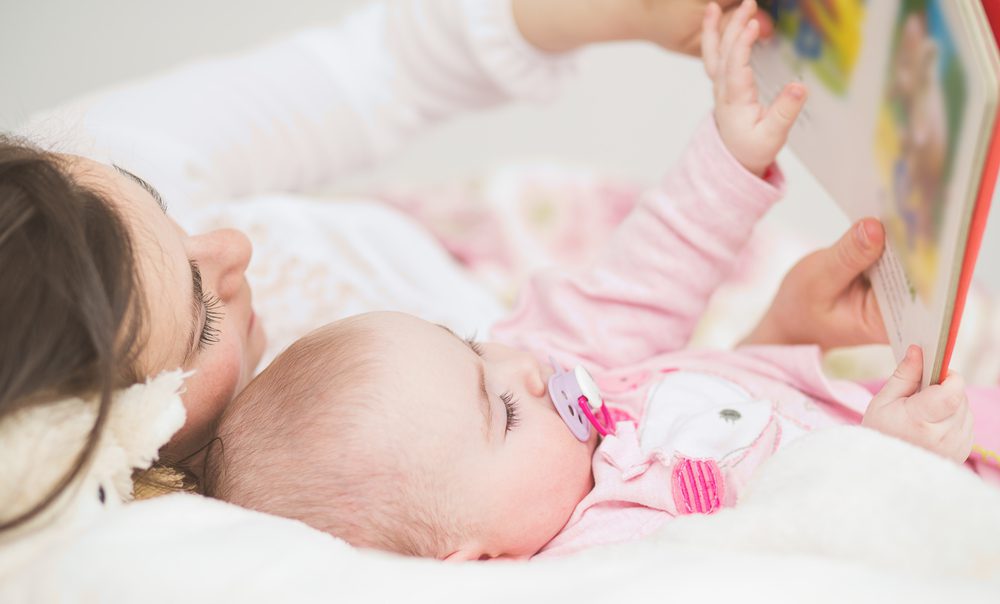
Reading together creates quiet moments full of love and trust. Holding your baby close while reading feels safe and warm. Your voice soothes and comforts them, building strong emotional ties. These special times help babies feel cared for and secure. A strong bond supports healthy emotional and social growth.
Stimulating Brain Development
Books introduce new sights, sounds, and ideas to babies’ brains. This stimulation helps form important brain connections. The brain grows faster in the first months of life. Reading supports memory, attention, and thinking skills. Early brain growth leads to better learning and problem-solving later.
Choosing The Right Books
Choosing the right books for your newborn is very important. Books help babies hear new sounds and learn words early. The right books catch a baby’s attention and make reading fun. They also support language growth and bonding time.
Selecting Simple And Colorful Books
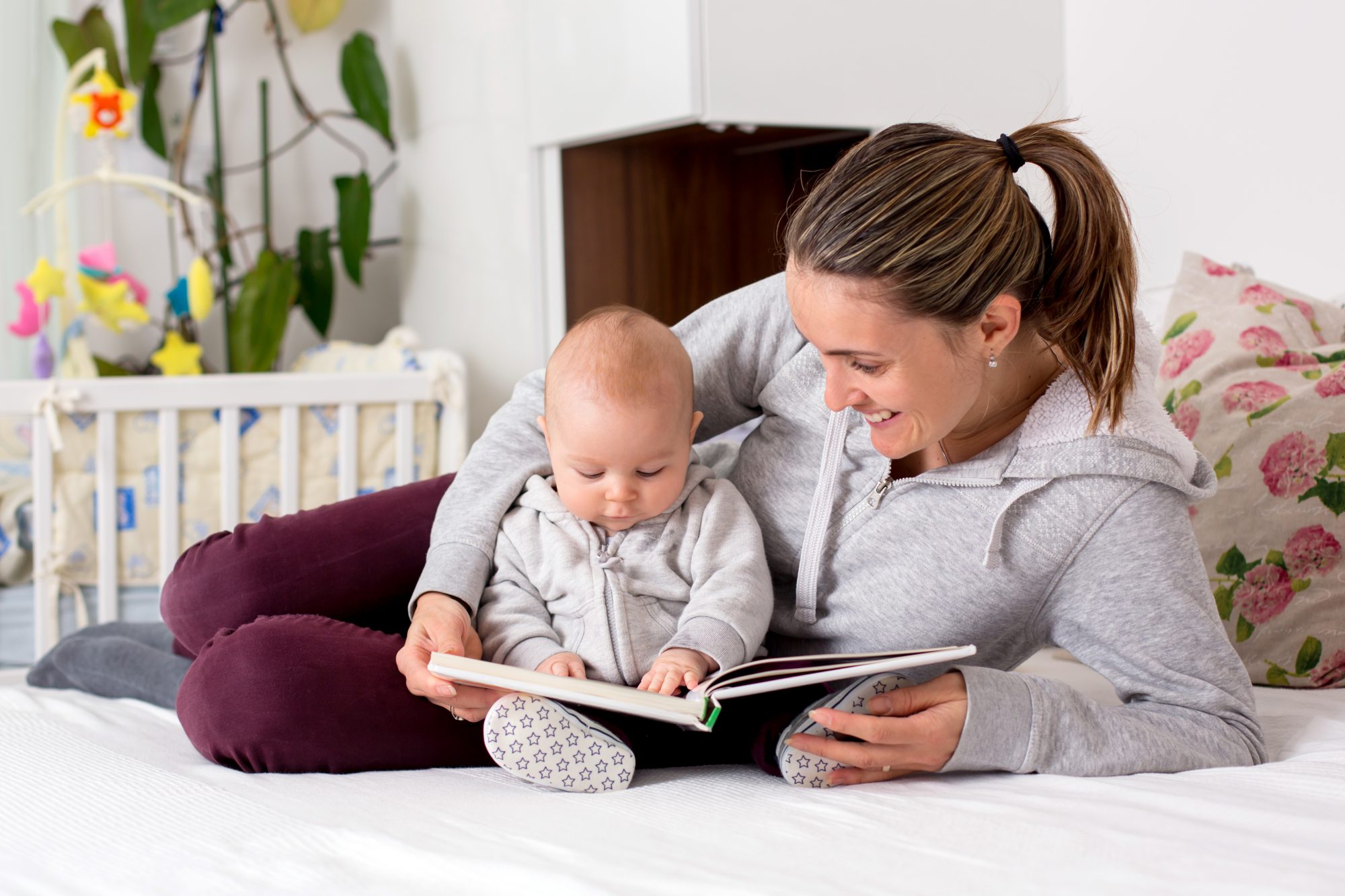
Simple books with clear pictures work best for newborns. Bright colors attract their eyes and keep them interested. Books with big shapes and faces help babies recognize images. Short sentences and easy words make it easier for babies to listen and learn.
Using Books With Rhymes And Repetition
Books with rhymes and repeated words help babies remember sounds. Rhymes create a rhythm that feels natural and fun. Repetition helps babies learn new words faster. These books encourage babies to listen carefully and enjoy the sounds of language.
Picking Durable And Safe Materials
Babies explore books by touching and chewing. Choose books made from strong, safe materials like board or cloth. These books last longer and are easy to clean. Avoid books with small parts or sharp edges to keep babies safe.
Creating A Reading Routine
Creating a reading routine helps your newborn get used to books early. It builds comfort and interest in language. A steady routine makes reading a natural part of the day. This habit supports your baby’s brain and speech growth. Start with short, gentle sessions that fit your baby’s mood.
Setting Consistent Reading Times
Choose the same times each day for reading. Morning or bedtime works well. Consistency helps your baby expect and enjoy reading. Even a few minutes each session is enough. Keep sessions short and sweet to hold attention.
Incorporating Reading Into Daily Activities
Use reading during daily moments like diaper changes or feeding. Show books with bright pictures or simple words. Talk about the images you see together. This makes reading part of your normal routine. It helps your baby connect sounds and words with real life.
Making Reading A Relaxing Experience
Create a calm space for reading. Soft lighting and cozy blankets help. Hold your baby close to feel safe and warm. Use a gentle voice and slow pace. This calm time builds trust and love for books.

Interactive Reading Techniques
Interactive reading brings stories to life for newborns. It helps babies learn language faster. Reading is not just about words but about sharing moments. Engaging your baby with your voice and actions creates a strong bond. This makes learning fun and natural.
Using Expressive Voices And Facial Expressions
Change your voice to match characters or moods. Soft, loud, happy, or sad tones catch baby’s attention. Smile and use big facial expressions. Babies watch your face closely and learn emotions. Your voice and expressions make the story exciting and clear.
Encouraging Baby’s Responses
Pause to give your baby time to react. Wait for sounds, smiles, or movements. Copy their coos and babbles back to them. This shows you listen and care. Responding encourages your baby to try new sounds. It builds early communication skills and confidence.
Pointing Out Pictures And Objects
Use your finger to point at pictures in the book. Name the objects clearly and slowly. Show real items related to the story if possible. This helps babies connect words with things. Pointing also focuses their attention and curiosity. It makes words easier to understand.
Incorporating Songs And Rhymes
Incorporating songs and rhymes into reading time helps babies learn language naturally. These playful sounds catch a newborn’s attention and make learning fun. Singing and rhyming create patterns in language that babies can recognize. This supports brain development and early speech skills.
Babies enjoy the rhythm and melody of songs. The repetition in rhymes makes words easier to remember. This encourages babies to listen closely and respond. Using songs and rhymes also strengthens the bond between parent and child during reading.
Singing Along With Stories
Singing along with stories adds music to words. It turns reading into a lively, interactive time. Babies hear the rise and fall of voices, helping them notice sounds. This practice helps babies connect sounds to meaning.
Parents can sing simple songs that match the story’s mood. Soft, gentle singing soothes babies and holds their focus. Repeating favorite songs creates comfort and builds listening skills. Singing makes stories more exciting and easy to follow.
Using Nursery Rhymes To Enhance Memory
Nursery rhymes use simple words and clear patterns. This helps babies remember sounds and words. The rhythm makes it easier to recall phrases later. Babies start to predict what comes next in a rhyme.
Repeating nursery rhymes supports language growth and memory skills. It also helps babies understand word order and sentence flow. Reciting rhymes daily builds a strong language foundation. Nursery rhymes introduce new sounds in a fun way.
Creating A Language-rich Environment
Creating a language-rich environment helps newborns learn to speak and understand words. Babies start learning language by hearing sounds and voices around them. The more they hear, the better they can recognize and use words later.
Parents and caregivers play a big role in this early learning. Simple actions like talking, describing, and listening build strong language skills. These small moments make a big difference in a baby’s growth.
Talking Throughout The Day
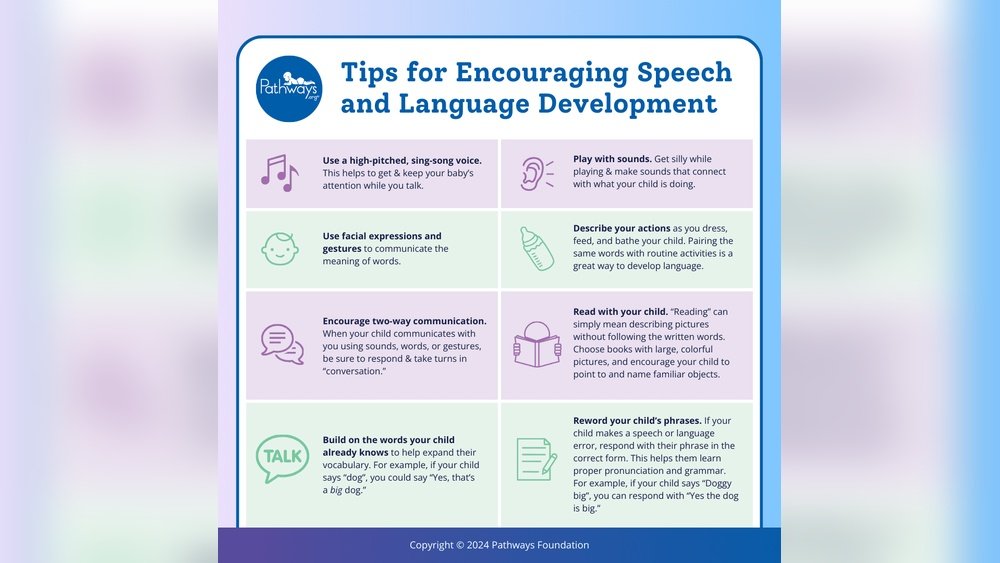
Talk to your baby often. Describe what you are doing, even if it feels simple. Say things like “I am washing the dishes” or “Now we change your diaper.” Your voice helps your baby hear different words and tones.
Use a gentle and warm tone. Babies love hearing familiar voices. This makes them feel safe and interested in sounds.
Describing Surroundings And Actions
Point to objects and name them. Say “Look at the red ball” or “Here is your soft blanket.” Describe actions like “You are kicking your legs” or “The dog is barking.” This helps babies connect words to things and movements.
Keep sentences short and clear. Repeat important words. Repetition helps babies remember and learn language faster.
Listening And Responding To Baby’s Sounds
Listen carefully to your baby’s coos and cries. Respond with words and smiles. This shows your baby that sounds have meaning and get attention.
Try to copy the sounds your baby makes. Make it a fun back-and-forth conversation. This encourages your baby to make more sounds and practice talking skills.
Frequently Asked Questions
How Does Reading Help Newborn Language Development?
Reading exposes newborns to sounds and words early. It builds their listening skills and vocabulary foundation. This interaction boosts brain growth and strengthens parent-child bonding, essential for language learning.
When Should I Start Reading To My Newborn?
Start reading to your newborn from birth. Early reading supports auditory recognition and comfort. Consistent reading routines help newborns associate sounds with meaning, enhancing early language acquisition.
What Types Of Books Are Best For Newborns?
Choose books with simple text, rhythmic language, and bright pictures. Board books and cloth books work well. These engage newborns’ senses and keep their attention, promoting early language exposure.
How Often Should I Read To My Newborn Daily?
Read to your newborn at least once daily. Frequent reading reinforces language sounds and vocabulary. Short, regular sessions fit newborn attention spans and build a love for books.
Conclusion
Reading to your newborn builds strong language skills early. It creates a special bond and makes learning fun. Simple books with bright pictures catch their attention. Talk about the images and sounds you hear. Daily reading helps babies recognize words and sounds faster.
Keep sessions short to hold their focus. This habit lays the foundation for future speech and understanding. Enjoy these moments—they shape your baby’s world. Start reading today and watch your little one grow.


