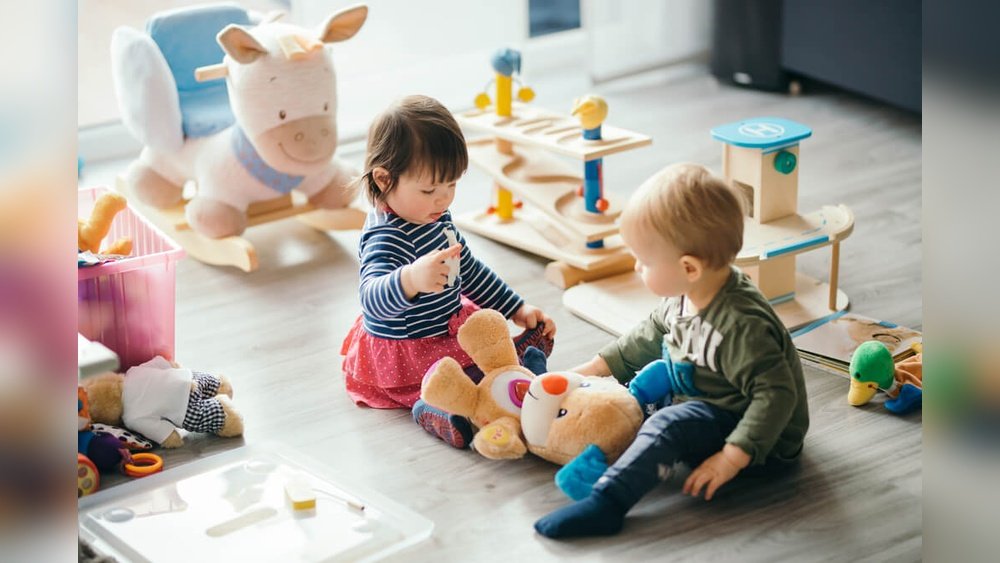
Imagine watching your newborn’s eyes light up as they explore a world crafted entirely by their imagination. You might think imaginative play is for toddlers, but it actually starts much earlier—and you have the power to spark it right now.
Encouraging imaginative play in your newborn isn’t just fun; it helps build their creativity, problem-solving skills, and emotional growth. If you want to give your little one a head start in developing these essential abilities, keep reading. This guide will show you simple, effective ways to nurture your baby’s imagination from day one.
Benefits Of Imaginative Play
Imaginative play is more than fun for newborns. It helps their brains grow and develop. Playing with ideas and pretend objects builds important skills. These skills support learning and daily life.
Encouraging imaginative play early sets a strong foundation. It shapes how babies think, feel, and relate to others. This type of play creates many benefits for your child’s growth.
Boosting Cognitive Skills
Imaginative play helps babies learn about the world. It encourages problem-solving and memory. Babies begin to understand cause and effect. This kind of play sparks curiosity and creativity. It also builds attention span and focus.
Enhancing Emotional Growth
Through pretend play, babies explore feelings safely. They learn to express joy, surprise, or frustration. Imaginative play helps them understand their emotions better. It also teaches patience and self-control. These skills help babies manage their feelings as they grow.
Fostering Social Development
Playing with others teaches sharing and cooperation. Babies learn to take turns and listen. Imaginative play helps build empathy and kindness. It prepares babies for future friendships. Social skills gained through play support healthy relationships later.

Creating A Stimulating Environment
Creating a stimulating environment helps newborns explore and learn. It supports their imagination and curiosity. The right space encourages safe and fun play. This section explains how to set up such an environment.
Safe And Open Spaces
Newborns need plenty of room to move and explore. Use soft mats or blankets on the floor. Keep the area clear of sharp or small objects. A safe space lets babies stretch, roll, and reach freely. It helps them feel secure while discovering new things.
Incorporating Sensory Toys
Sensory toys stimulate a baby’s senses. Choose toys with different sounds, shapes, and sizes. Rattles, soft blocks, and textured balls work well. These toys encourage babies to touch, hold, and listen. Sensory play strengthens brain development and imagination.
Using Colors And Textures
Bright colors catch a baby’s attention easily. Use toys and fabrics in red, blue, yellow, and green. Mix smooth, rough, soft, and bumpy textures for variety. Different textures help babies learn about their world. Color and texture make playtime more exciting and fun.
Incorporating Imaginative Play Into Daily Routine
Incorporating imaginative play into a newborn’s daily routine builds creativity early. It helps babies explore sounds, sights, and feelings. Simple activities can spark their imagination and support brain growth. Parents can easily add playful moments throughout the day.
Interactive Storytelling
Tell short, colorful stories using gentle voices and facial expressions. Use different tones to show emotions in the story. Point to pictures or objects related to the story. This keeps babies interested and helps them learn words and feelings.
Role-playing With Simple Props
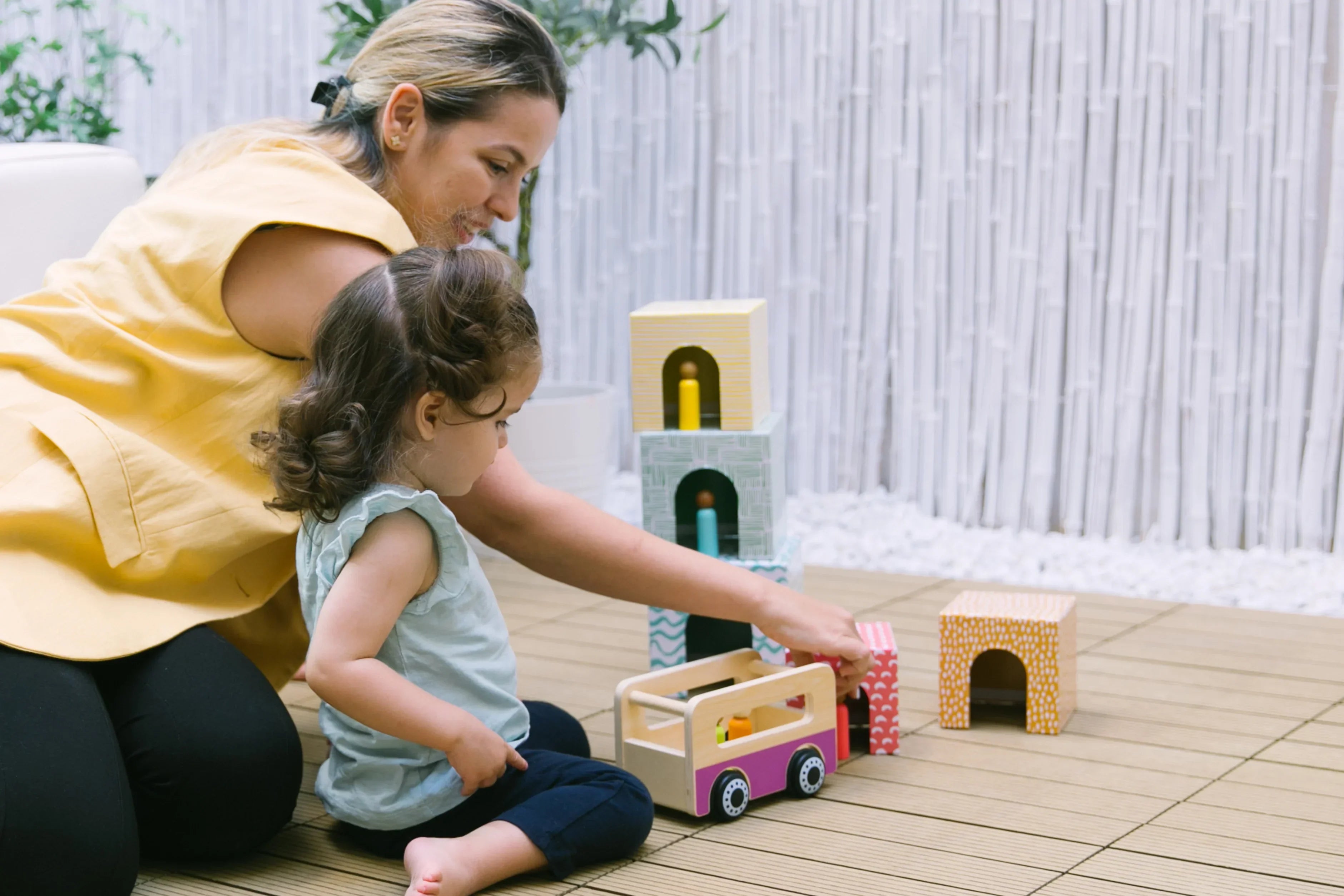
Use everyday items like soft toys or cloths to create little scenes. Pretend to feed a doll or talk to a stuffed animal. Babies watch and listen closely, which encourages imagination. Props make play more fun and real to them.
Music And Movement Activities
Sing simple songs and move gently with your baby. Clap hands, sway, or bounce to the rhythm. Music and movement help babies connect sounds with actions. This activity supports memory and motor skills development.
Encouraging Parent-child Interaction
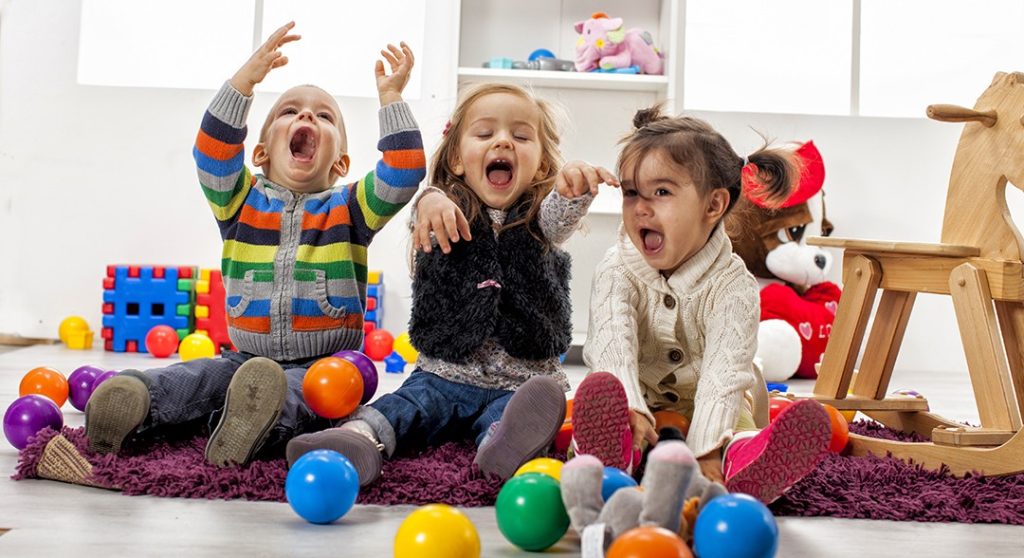
Encouraging parent-child interaction is key to boosting imaginative play in newborns. These early moments build trust and help babies feel safe. Interaction also sparks curiosity and creativity.
Parents who engage actively create a rich environment for imagination. Simple acts like talking, copying sounds, and exploring together make a big difference. These activities support emotional growth and cognitive skills.
Responsive Communication
Responsive communication means reacting to your baby’s sounds and expressions. Notice their coos and smiles. Reply with gentle words or sounds. This back-and-forth teaches babies about conversation and connection.
When parents respond quickly, babies feel heard. They try new sounds and expressions. This interaction encourages creative thinking and social skills.
Mirroring And Imitation
Mirroring is copying your baby’s actions or sounds. Smile when they smile. Make the same noises they make. This helps babies learn about themselves and others.
Imitation shows babies that their behavior matters. It builds confidence and supports early play. Babies start to experiment with new movements and sounds. This creates a foundation for imaginative play.
Playful Exploration Together
Explore toys and objects with your baby. Touch, shake, and look closely at items. Describe what you see and feel. This shared exploration invites curiosity.
Playing together creates moments of discovery. Babies learn about the world through senses. This playful time encourages imagination and problem-solving skills.
Choosing Age-appropriate Toys
Choosing age-appropriate toys is key to encouraging imaginative play in newborns. Toys must match their developing skills and senses. This helps babies explore safely and enjoy playtime fully.
Careful selection supports creativity and keeps babies interested. Toys that are too complex or unsafe can cause frustration or harm. Simpler toys invite babies to use their imagination and senses.
Soft And Safe Materials
Choose toys made from soft, gentle materials. Soft toys protect babies from bumps and scratches. They feel comforting and easy to hold. Avoid small parts that can be choking hazards. Soft toys invite touching, squeezing, and cuddling. These actions help babies learn about textures and shapes safely.
Multi-sensory Playthings
Select toys that stimulate more than one sense. Bright colors catch babies’ eyes and keep attention. Toys that make gentle sounds encourage listening skills. Some toys have different textures to touch and explore. Multi-sensory toys help babies understand the world around them. They encourage curiosity and imagination from an early age.
Diy And Natural Objects
Use simple household items as toys. Wooden spoons, clean fabric scraps, or soft leaves can inspire play. These items are safe if supervised carefully. Natural objects offer varied textures and shapes. They allow babies to discover without limits. DIY toys encourage creativity in both babies and parents. They are affordable and easy to replace.
Recognizing And Supporting Your Baby’s Creativity
Recognizing and supporting your baby’s creativity is key to nurturing their imagination. Babies show creativity through their actions and reactions. Understanding these signs helps you encourage playful exploration. This support builds confidence and joy in your little one. Observe closely to catch these early moments of creative play.
Observing Play Patterns
Watch how your baby interacts with toys and objects. Notice if they reach, grasp, or smile at certain items. These actions show curiosity and creativity. Each baby has unique play habits. Recognizing these patterns guides you in offering the right toys and experiences. Pay attention to what catches their eye and sparks interest.
Celebrating Small Milestones
Applaud every new discovery or movement your baby makes. Clapping or smiling encourages them to try again. Small wins like reaching for a toy or making sounds matter. These moments build creative thinking and confidence. Celebrate often to motivate your baby’s imaginative growth.
Adapting Activities To Interests
Change playtime based on what your baby enjoys. If they like textures, offer soft or bumpy toys. If they respond to sounds, use rattles or gentle music. Tailoring activities keeps your baby engaged and curious. This approach supports their creativity and learning naturally.
Frequently Asked Questions
How Can I Start Imaginative Play With My Newborn?
Begin by talking, singing, and making facial expressions. Use colorful toys and soft sounds to engage their senses. Simple interactions stimulate creativity and build early imagination skills in newborns.
What Toys Encourage Imaginative Play For Newborns?
Choose soft, textured toys with bright colors. Rattles, plush animals, and sensory books work well. These toys help newborns explore and imagine through touch and sight.
When Should I Introduce Imaginative Play To My Newborn?
Start from birth with gentle interactions. Newborns learn through sounds, sights, and touch. Early imaginative play builds cognitive and emotional skills gradually.
Why Is Imaginative Play Important For Newborn Development?
Imaginative play enhances brain growth, creativity, and problem-solving skills. It also strengthens bonding and communication between parents and newborns, supporting overall development.
Conclusion
Encouraging imaginative play helps babies grow and learn. It builds their thinking and creativity skills. Parents can offer simple toys and safe spaces. Talking and singing also inspire babies’ imaginations. Small moments of play make a big difference. Keep playtime fun and free from pressure.
Watch your newborn explore with bright eyes. Every step in play shapes their future. Enjoy this special time together.


