Are you eager to help your newborn develop strong fine motor skills right from the start? These tiny movements—like reaching, grasping, and holding—are the building blocks for your baby’s future learning and independence.
The good news is, you don’t need fancy tools or special training to support this growth. Simple, everyday activities can make a huge difference in your baby’s development. Keep reading to discover easy and effective ways you can encourage your newborn’s fine motor skills today.
Importance Of Fine Motor Skills
Fine motor skills help babies use their fingers and hands to explore the world. Encouraging these skills early supports hand-eye coordination and future learning. Simple activities like gentle touching and holding small objects boost development.
Fine motor skills are the small movements made by the hands and fingers. These skills help babies hold objects, feed themselves, and explore their world. Developing fine motor skills early supports brain growth and coordination.
Strong fine motor skills make daily tasks easier as the child grows. These skills also build confidence and independence. Early practice helps babies learn to control their movements better.
Supports Brain Development
Fine motor activities activate many parts of the brain. Using fingers to grasp or touch sends important signals. This boosts brain connections and helps learning. Babies who practice these skills develop quicker thinking and problem-solving abilities.
Builds Hand-eye Coordination
Fine motor skills improve hand-eye coordination. Babies learn to use their eyes and hands together. This skill helps with activities like reaching, grabbing, and pointing. Good coordination is important for future skills like writing and drawing.
Encourages Independence
Developing fine motor skills allows babies to do simple tasks alone. They can hold spoons, pick up toys, and turn pages. This independence helps build self-esteem and a sense of achievement. Babies feel proud when they can do things on their own.
Early Signs To Watch For
Watching your newborn closely helps you notice early signs of fine motor skills. These signs show how your baby begins to use small muscles in the hands and fingers. Recognizing these signs can guide you in encouraging your baby’s development.
Fine motor skills start developing from the first weeks of life. Each milestone is a step toward better hand control and coordination. Pay attention to small movements and reactions as clues to your baby’s progress.
Grasp Reflex And Hand Movements
Newborns have a natural grasp reflex. They tightly hold onto your finger or a toy placed in their palm. Watch for how strong and consistent this reflex is. Early hand movements like opening and closing fists also matter.
Tracking And Reaching For Objects
By a few weeks old, babies begin to watch objects closely. They follow moving items with their eyes. Sometimes, they try to reach or swipe at toys. These actions show early coordination between eyes and hands.
Finger Exploration And Mouth Movements
Newborns explore their fingers and hands by bringing them to their mouth. This helps them learn about touch and texture. Notice if your baby frequently touches their fingers or sucks on them.
Response To Touch And Textures
Your baby reacts to different textures and touch on their skin. They may open their hand or wiggle fingers when feeling something new. These responses show sensory awareness and fine motor readiness.
Safe Tummy Time Activities
Tummy time is important for newborns. It helps build muscles in the neck, shoulders, and arms. These muscles support fine motor skills like grasping and reaching. Safe tummy time activities make this practice fun and secure. They encourage babies to explore their hands and fingers. This builds early coordination and strength.
Creating A Comfortable Space For Tummy Time
Choose a soft, flat surface for tummy time. A clean blanket or play mat works well. Make sure the area is free of small objects. Keep the room warm and bright. Place your baby gently on their tummy. Stay close to watch and comfort them.
Using Colorful Toys To Attract Attention
Place bright toys within your baby’s reach. Soft rattles and textured balls work great. These toys encourage your baby to reach out. Reaching helps develop hand-eye coordination. Change toys often to keep your baby curious.
Encouraging Reaching And Grasping
Hold a toy just out of reach. Let your baby stretch to grab it. This action strengthens arm muscles and fine motor skills. Use toys that are easy to hold and safe to chew. Praise your baby’s efforts with smiles and gentle words.
Simple Hand Exercises
Simple hand exercises help newborns develop fine motor skills. These skills are important for future tasks like writing and buttoning clothes. Gentle hand movements improve muscle strength and coordination. Parents can easily do these exercises at home. The key is to keep the activities fun and stress-free.
Gentle Finger Taps
Hold your baby’s hand softly. Tap each finger one by one. Use your thumb to tap their fingers gently. This helps babies notice their fingers and improves awareness. Repeat this for a few minutes daily. It encourages finger movement and control.
Finger Squeezes
Gently squeeze your baby’s fingers using your thumb and index finger. Start with one finger, then try two or three. This exercise helps strengthen tiny hand muscles. Keep your touch light to avoid discomfort. It also teaches babies to feel pressure.
Hand Opening And Closing
Slowly open your baby’s hand and then close it into a fist. Repeat this motion several times. This helps with hand flexibility and muscle control. Babies learn how to open and close their hands by feeling the movement. Do this exercise during quiet moments.
Wrist Rotations
Hold your baby’s hand and gently rotate the wrist in small circles. Move clockwise and then counterclockwise. This exercise improves wrist flexibility and strength. It helps babies prepare for more complex hand movements later. Always be gentle and watch for signs of discomfort.
Using Toys To Boost Skills
Toys play a big role in helping newborns develop fine motor skills. These skills involve small movements like grasping and holding. Using the right toys helps babies practice these movements. Toys also keep babies interested and eager to try new actions.
Choosing toys with different shapes, colors, and textures encourages babies to explore. This exploration builds their hand strength and coordination. Toys designed for newborns are safe and easy to hold. They invite babies to touch, squeeze, and move their fingers.
Soft Rattles And Grasp Toys
Soft rattles and grasp toys are perfect for tiny hands. Babies can easily hold and shake them. The sound of a rattle keeps babies curious and engaged. These toys help improve hand-eye coordination and grip strength. They also encourage babies to move their fingers and wrists.
Textured Teething Toys
Textured teething toys offer different surfaces to touch and chew. Babies use their mouths and hands to explore textures. This sensory play helps develop fine motor skills. The varying shapes encourage babies to adjust their grip. Teething toys also soothe sore gums during early development.
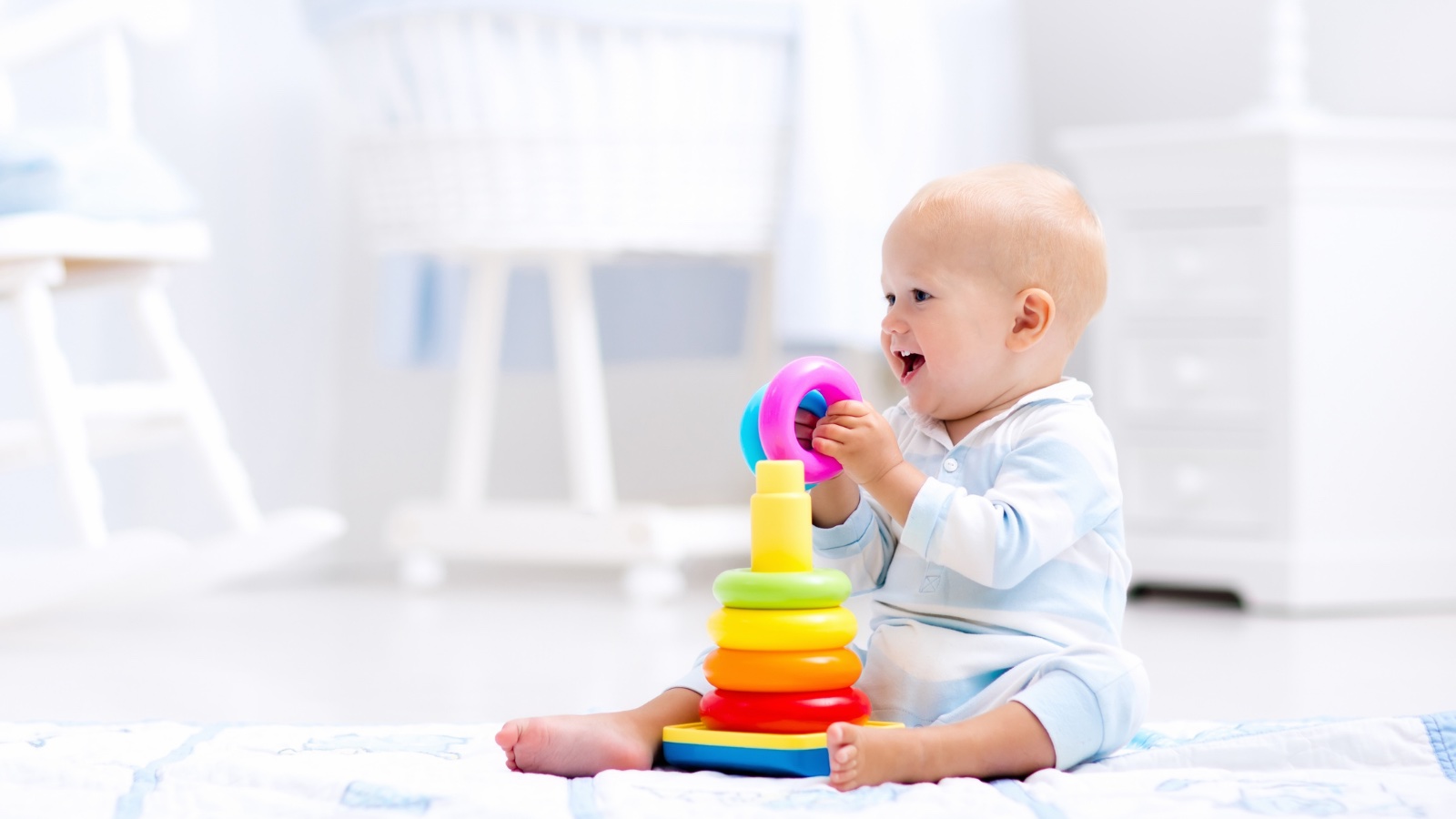
Stacking Rings And Soft Blocks
Stacking rings and soft blocks promote reaching and grasping skills. Babies learn to pick up and place objects carefully. These toys improve finger control and hand strength. The bright colors attract attention and motivate babies to play. Stacking teaches problem-solving and hand coordination.
:max_bytes(150000):strip_icc()/GettyImages-992101660-e9a3dfa904e44a1fa3d350d71fef2e5d.jpg)
Incorporating Daily Routines
Incorporating fine motor skills practice into daily routines helps newborns develop naturally. Simple activities during feeding, dressing, and play support hand-eye coordination. These moments offer chances to encourage tiny finger movements. Consistent practice in everyday life builds strong motor foundations.
During Feeding Time
Feeding time is perfect for gentle hand exercises. Let your baby touch and hold soft spoons or small cups. This practice improves grip and finger strength. Use safe, easy-to-hold utensils to encourage reaching and grasping.
While Dressing Your Baby
Involve your baby’s hands in dressing routines. Allow them to feel different textures of clothes. Guide their fingers to explore buttons or zippers slowly. These actions help develop finger control and dexterity.
Playtime With Everyday Objects
Use household items like soft blocks or cloth pieces during play. Encourage your baby to grasp, shake, or pass objects between hands. These simple tasks improve coordination and motor skills. Rotate toys to keep your baby curious and engaged.
Tips For Encouraging Grasping
Encouraging grasping helps newborns develop hand strength and coordination. Grasping is a key fine motor skill that supports later learning. Simple activities can gently guide your baby to hold and explore objects. These tips focus on making grasping fun and natural.
Offer Soft, Easy-to-hold Toys
Choose toys that are lightweight and fit small hands. Soft textures invite your baby to touch and squeeze. Bright colors attract attention and curiosity. Toys with different shapes encourage exploration and gripping practice.
Use Your Fingers For Hand Play
Gently place your finger in your baby’s hand. Let them wrap their fingers around it. This builds strength and trust. Move your fingers slowly to encourage gentle squeezing. Hand play also deepens bonding and comfort.
Encourage Reaching And Grasping
Hold toys just within reach during tummy time. This motivates your baby to stretch and grab. Moving toys slightly helps improve eye-hand coordination. Praise any attempt to hold or touch the toy.
Provide Safe Household Objects
Introduce safe items like a clean spoon or soft cloth. These objects offer new textures and shapes. Let your baby hold and explore under supervision. Everyday items make grasping practice simple and natural.
Practice Gentle Hand Massage
Massage your baby’s hands with soft, slow strokes. This relaxes muscles and increases awareness. Focus on fingers and palms to stimulate touch. Calm hands are ready to grasp and explore more.
Creating A Stimulating Environment
Creating a stimulating environment helps newborns develop fine motor skills early. It offers chances to explore and practice hand movements safely. A well-arranged space invites babies to reach, grab, and touch objects. These actions build muscles and coordination in tiny hands.
Bright colors, different textures, and varied shapes catch a newborn’s attention. This encourages them to move their fingers and hands more. Sensory experiences support brain growth and hand control. A safe and inviting area makes learning fun and natural.
Choose Safe And Soft Toys
Select toys that are soft and easy to hold. Avoid small parts that can be choking hazards. Soft toys with different textures encourage babies to feel and explore. Toys that are light help little hands practice grasping.
Use Contrasting Colors
Newborns see high-contrast colors best. Black and white or bold colors attract their eyes. These colors motivate babies to reach out and touch objects. Place colorful toys within their easy reach.
Incorporate Textured Materials
Textures like soft fabric, rubber, and smooth plastic stimulate touch senses. Different textures invite babies to use fingers and hands. This exploration aids muscle development and coordination.
Create Safe Space For Movement
Clear a small area for tummy time and hand play. A soft blanket or mat works well. This space lets babies practice lifting their heads and using hands. Movement strengthens muscles needed for fine motor skills.
Monitoring Progress And Milestones
Monitoring your newborn’s fine motor skills helps track their growth. It shows how well they use their hands and fingers. This tracking guides you in supporting their development.
Regular checks let you notice small changes and progress. They also help spot any delays early. Early support can make a big difference.
Recognizing Key Milestones
Newborns reach fine motor milestones at different times. Common signs include grasping fingers and holding small objects. Notice when your baby starts to open and close their hands.
Tracking these milestones helps you understand your baby’s progress. It gives a clear picture of their hand and finger control.
Simple Ways To Observe Progress
Watch your baby during play and daily activities. Observe how they grab toys or touch their face. Note any changes in hand movement or coordination.
Keep a journal or use an app to record these observations. This can help you see gradual improvements or any concerns.
When To Seek Professional Advice
Consult a pediatrician if your baby shows little hand movement. Delay in grasping or poor hand coordination needs attention. Early intervention can support better development.
Health professionals can offer tailored advice and exercises. They also check for any underlying issues affecting fine motor skills.
Frequently Asked Questions
What Are Fine Motor Skills In Newborns?
Fine motor skills involve small muscle movements in the hands and fingers. These skills help newborns grasp, hold, and manipulate objects, essential for daily tasks and early development.
How Can I Stimulate My Newborn’s Fine Motor Skills?
Provide safe toys that encourage grasping and reaching. Gently guide their hands during playtime to strengthen finger and hand muscles.
When Do Fine Motor Skills Typically Develop In Newborns?
Newborns begin developing fine motor skills within the first few months. Significant progress usually occurs between 3 to 6 months as they gain better hand control.
Which Activities Boost Newborn Fine Motor Skills Best?
Activities like finger plays, tummy time, and gentle hand massages improve coordination. Offering textured toys helps newborns explore and refine their finger movements.
Conclusion
Encouraging fine motor skills starts with simple daily activities. Use toys and objects your newborn can hold and explore. Be patient and let your baby practice at their own pace. Small, gentle movements help build strong hand muscles. Talk and smile while interacting to keep your baby interested.
Consistent practice supports steady growth and confidence. Celebrate little milestones to motivate both you and your baby. These small steps lay the foundation for future learning and play. Keep activities fun and relaxed for the best results.


