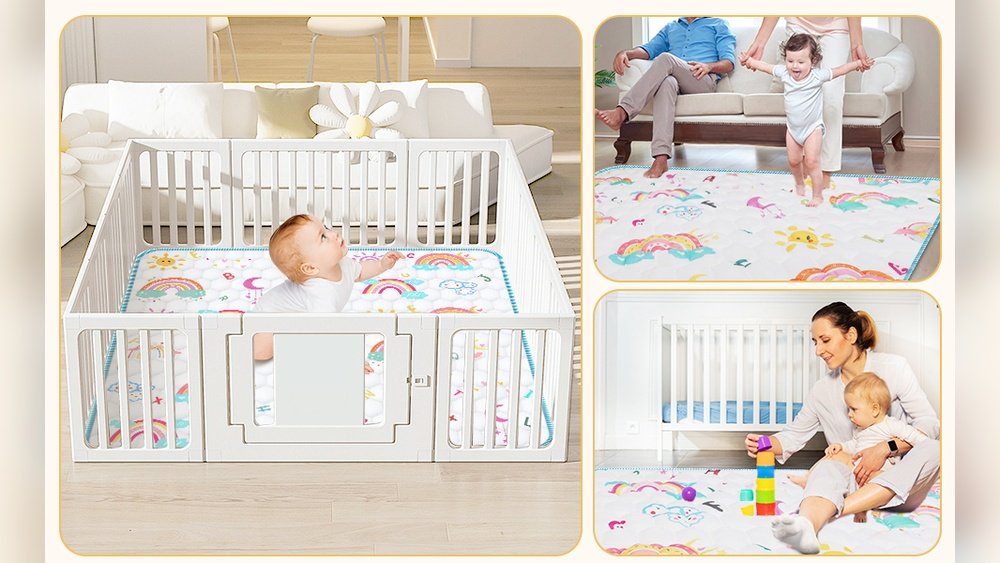
If you want to create special moments with your newborn while keeping them safe, floor play is a wonderful way to start. But you might be wondering how to do it without any risks.
You care deeply about your baby’s well-being, and so do I. This guide will show you simple, effective steps to enjoy floor time that’s both fun and secure. Keep reading to discover easy tips that protect your little one while helping them explore and grow.
Your baby’s safety and happiness matter most—and I’m here to help you make that happen.
Choosing The Right Spot
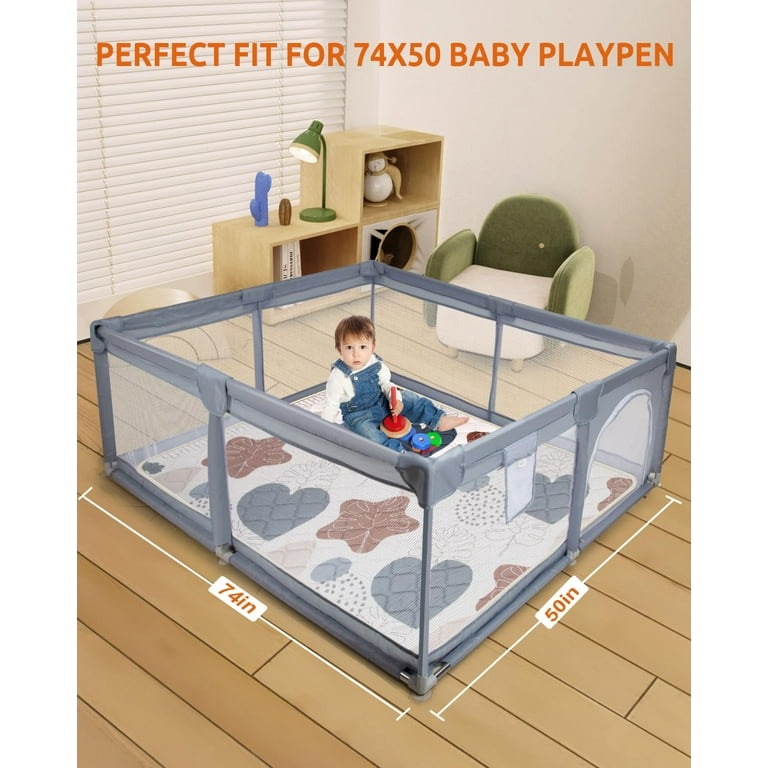
Choosing the right spot for floor play is very important for your newborn’s safety and comfort. The place should be clean and free from anything that might cause harm. This helps your baby explore safely and enjoy playtime without worries. Below are key tips to pick the best spot for floor play.
Safe And Clean Areas
Select a flat, soft surface for your baby to lie on. Hardwood floors or tiles can be hard and cold. Use a clean play mat or blanket to make a cozy space. Check the area for dust, pet hair, or small objects that your baby could put in their mouth. Keep the spot well-lit so you can watch your baby closely. Make sure the room temperature is comfortable, not too hot or cold.
Avoiding Hazards
Clear the area of sharp edges and furniture corners. Remove electrical cords, small toys, and anything that can cause choking. Keep pets away during playtime to avoid sudden movements or allergies. Watch out for loose rugs that can slip and cause falls. Make sure doors and windows are closed or secured. This prevents your baby from crawling into unsafe places.

Preparing The Floor Space
Preparing the floor space is the first step to safe floor play with your newborn. A safe area helps your baby explore without risks. It also gives you peace of mind during playtime.
Choose a spot with enough room and away from hard furniture or sharp edges. Make sure the floor is clean and free of small objects. A well-prepared space invites your baby to move and discover.
Using Soft Mats And Blankets
Soft mats or thick blankets create a cozy play surface. They protect your baby from hard floors and cold surfaces. Choose mats made of non-toxic materials. Wash blankets often to keep them fresh.
Place mats flat and secure them to avoid slipping. Layer blankets if the floor feels too hard. Soft padding cushions your baby’s delicate head and body. This support encourages tummy time and crawling.
Maintaining Hygiene
Cleanliness is very important for newborn play areas. Babies put hands and toys in their mouths. Wipe mats and blankets regularly with baby-safe cleaners. Vacuum or sweep the floor before each session.
Keep pets away from the play area. Avoid using harsh chemicals that can irritate sensitive skin. A clean space reduces germs and keeps your baby healthy. Regular checks help you spot any dirt or hazards early.
Proper Clothing For Newborn
Choosing the right clothes for your newborn is key for safe floor play. Proper clothing keeps your baby comfortable and protected. It helps avoid skin irritation and keeps your baby warm or cool. Dressing your newborn correctly supports healthy movement and exploration on the floor.
Comfortable And Breathable Fabrics
Soft fabrics like cotton are best for newborns. They allow air to flow and keep the skin dry. Breathable clothes help prevent overheating during playtime. Avoid synthetic materials that trap heat and cause sweating. Choose outfits that stretch easily for free movement.
Avoiding Loose Items
Loose clothing can be dangerous during floor play. Avoid big buttons, ribbons, or strings that can catch on toys. Clothes should fit snugly but not tight. Loose items can also cause choking hazards. Always check for any parts that might come off easily.
Supervising Floor Play
Supervising floor play is key to keeping your newborn safe and happy. Babies explore their world by touching and moving. Careful watching helps prevent accidents and keeps playtime fun. Your attention gives your baby comfort and security.
Staying Within Reach
Always stay close to your baby during floor play. Being near lets you respond fast to any trouble. Keep your hands ready to support or catch your little one. This closeness helps your baby feel safe and loved. Avoid distractions like phones or TV while supervising.
Recognizing Signs Of Discomfort
Watch for signs your baby is uncomfortable or tired. Fussiness, crying, or turning the head away can mean too much stimulation. Pausing play helps your baby rest and relax. Notice changes in breathing or color and act quickly. Comfort your newborn with gentle touch and soothing words.
Safe Toys And Props
Safe toys and props create a secure environment for floor play with your newborn. These items support your baby’s development and keep them engaged. Choosing the right toys helps prevent accidents and ensures comfort.
Careful selection of toys and props encourages healthy exploration. It also fosters motor skills and sensory growth. Safety should always come first during floor play.
Choosing Age-appropriate Items
Select toys made for newborns or infants under six months. These toys suit their size and abilities. Soft, lightweight items work best for little hands.
Look for toys with bright colors and simple shapes. These attract your baby’s attention and stimulate vision. Toys that make gentle sounds also help with hearing development.
Check labels for age recommendations. Avoid toys meant for older children to reduce risks. Age-appropriate toys support safe and fun play sessions.
Avoiding Small Or Sharp Objects
Keep tiny objects away from your newborn. Small parts can cause choking hazards. Inspect toys for loose pieces or buttons before play.
Do not use toys with sharp edges or points. These can hurt your baby’s delicate skin. Choose smooth, rounded items instead.
Regularly clean toys to remove dirt and germs. This keeps the play area safe and healthy. Always supervise your baby during floor play to prevent accidents.
Encouraging Movement
Encouraging movement is key to your newborn’s growth and development. Early floor play helps build strong muscles and coordination. It also supports motor skills and body awareness. Creating safe and fun moments on the floor makes your baby eager to explore.
Tummy Time Tips
Place your baby on a soft, clean surface for tummy time. Start with short sessions, around 2 to 3 minutes. Gradually increase the time as your baby gets stronger. Use a colorful toy or mirror to catch their attention. Stay close and smile to keep them calm. Tummy time helps develop neck and shoulder muscles. It also prepares your baby for crawling and sitting.
Gentle Stimulation Techniques
Use soft touches and gentle massages to stimulate your newborn. Move their arms and legs slowly to encourage motion. Sing or talk softly while you play to keep them relaxed. Lightly roll a soft ball near them to invite reaching. Always watch your baby’s reactions and stop if they seem upset. Gentle stimulation boosts muscle control and sensory awareness.
Timing And Duration
Timing and duration are key to safe floor play with your newborn. Too long or at the wrong time can cause fussiness or tiredness. Short, well-timed sessions help your baby enjoy and benefit from floor time. Pay attention to your baby’s mood and energy to choose the best moments.
Short, Frequent Sessions
Keep floor play sessions brief. Aim for five to ten minutes at a time. Several short sessions each day work better than one long one. This helps your baby stay interested and not get overwhelmed. Short sessions also fit easily into your daily routine.
Watching For Fatigue
Watch your baby closely during floor play. Signs of tiredness include yawning, fussing, or looking away. Stop play if your baby seems tired or upset. Rest time after play helps your baby relax and recharge. Always let your baby guide the pace of play.
Handling Emergencies
Handling emergencies during floor play with your newborn is important. You must stay calm and know the basic steps to keep your baby safe. Quick action can prevent minor problems from becoming serious. Being prepared helps you protect your child effectively.
First Aid Basics
Learn simple first aid skills for newborn care. Check your baby’s breathing and color often. If your baby chokes, gently tap their back while holding them face down. For small cuts, clean with water and cover with a soft bandage. Avoid using strong medicines or creams without doctor advice. Keep a first aid kit close during playtime.
When To Seek Help
Call a doctor if your baby stops breathing or shows no reaction. Seek medical help for serious bleeding or deep cuts. If your newborn has a fever over 100.4°F (38°C), contact a healthcare provider. Unusual sleepiness, difficulty feeding, or constant crying also need medical attention. Always trust your instincts and act quickly.
Frequently Asked Questions
How Can I Prepare The Floor For Safe Newborn Play?
Clean the floor thoroughly to remove dust and small objects. Use a soft, non-toxic play mat to cushion the area. Ensure the space is free from sharp edges and hazards to keep your newborn safe during floor play.
What Is The Best Duration For Newborn Floor Play?
Start with short sessions of 5 to 10 minutes, gradually increasing as your baby becomes comfortable. Frequent, brief floor play helps build strength and curiosity while preventing overstimulation or fatigue in your newborn.
Which Toys Are Safe For Newborn Floor Play?
Choose soft, lightweight, and non-toxic toys with no small parts. Rattles, soft plushies, and textured toys stimulate senses safely. Always supervise your newborn to avoid choking hazards during floor play.
How To Supervise Newborn During Floor Play Safely?
Stay close and maintain eye contact with your baby at all times. Avoid distractions like phones or TV. This ensures immediate response if the baby needs help or to prevent accidents during floor play.
Conclusion
Safe floor play helps babies grow strong and learn new skills. Keep the area clean and soft for your newborn’s comfort. Watch your baby closely to avoid any risks or accidents. Use simple toys that are safe and suitable for their age.
Enjoy these special moments and build a strong bond with your baby. Floor play time is fun, safe, and good for your little one’s growth. Always stay close and make sure your baby feels happy and secure.


