Your newborn’s world is a blank canvas, waiting to be filled with sights, sounds, and sensations. But did you know that you play a crucial role in helping your baby develop sensory perception?
How your little one learns to see, hear, touch, smell, and taste can shape their growth and understanding of the world. If you want to give your baby the best start and watch them respond to their surroundings with wonder, keep reading.
This guide will show you simple, effective ways to nurture your newborn’s senses every day.
Sensory Perception In Newborns
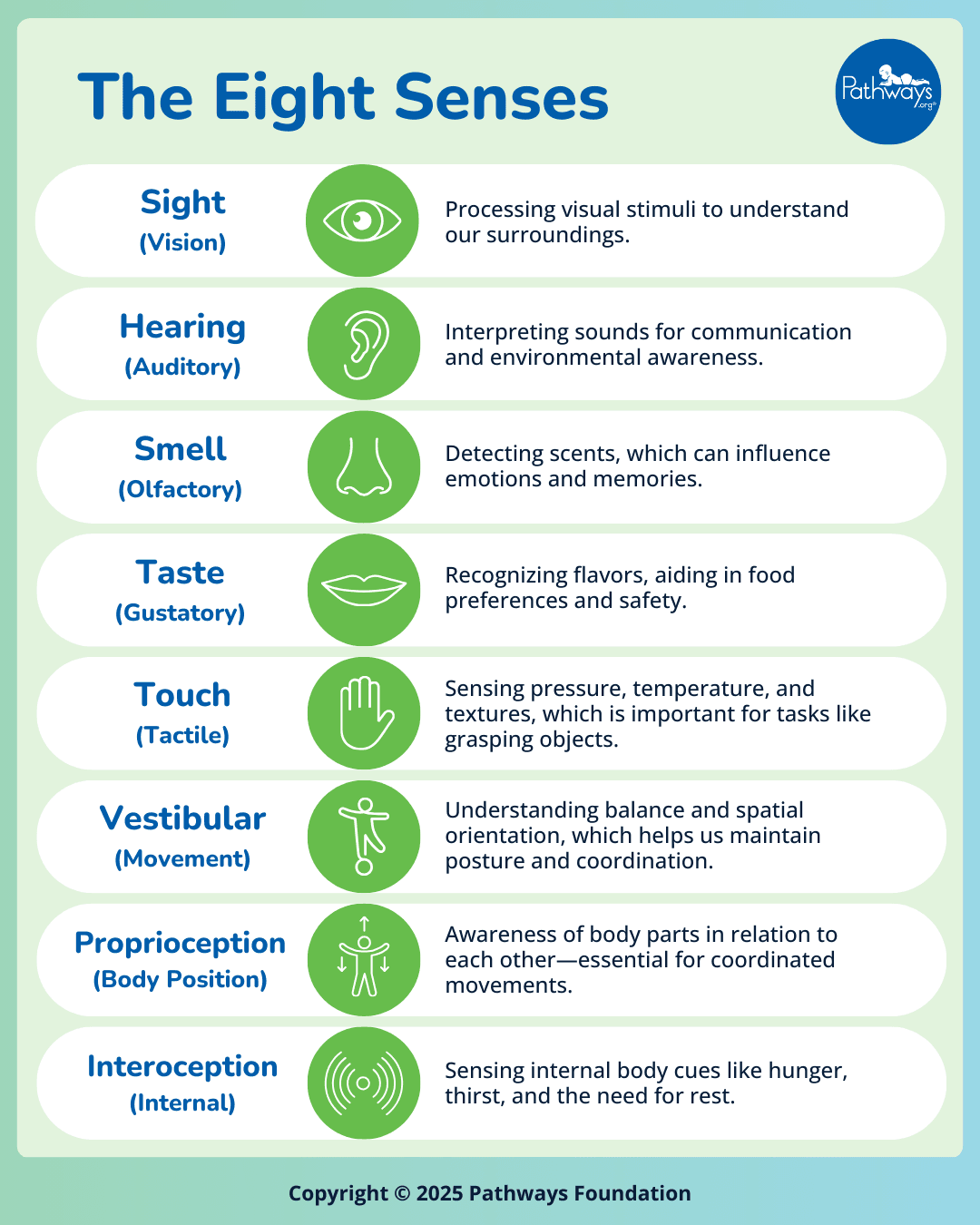
Newborn babies begin to understand the world through their senses. Sensory perception helps them learn about sights, sounds, smells, tastes, and touch. This ability grows quickly after birth and forms the base for all future learning and development.
Parents and caregivers play a key role in helping newborns develop these senses. Gentle touch, soft sounds, and bright colors all support a baby’s sensory growth. Understanding sensory perception in newborns helps us provide the right environment for their progress.
What Is Sensory Perception
Sensory perception is how the brain receives and processes information from the senses. Babies use their eyes, ears, skin, nose, and tongue to gather clues about the world. The brain then makes sense of these signals to form an understanding.
This process begins before birth and continues after. Newborns rely on sensory perception to recognize their mother, find food, and feel safe. Each sense works together to create a full picture of their surroundings.
Why It Matters For Babies
Sensory perception is critical for a baby’s growth. It helps with motor skills, language, and emotional bonding. Babies learn to trust their environment through clear and gentle sensory experiences.
Strong sensory skills lead to better attention and problem-solving later on. Babies who explore through touch, sound, and sight develop curiosity and confidence. Healthy sensory development supports brain growth and overall well-being.
Touch And Tactile Stimulation
Touch is a newborn’s first way to explore the world. It helps babies learn about their surroundings and feel safe. Gentle touch supports brain growth and emotional bonding. Tactile stimulation means using different textures and touches to help babies develop their sense of touch. This helps build important skills for later learning and social interaction.
Benefits Of Gentle Touch
Gentle touch calms and soothes babies. It lowers stress and helps them sleep better. Touch also strengthens the bond between baby and parent. It encourages healthy skin-to-skin contact. This kind of contact supports heart and breathing regulation. Babies feel more secure and loved through gentle touch.
Simple Tactile Activities
Use soft fabrics and blankets for baby to feel. Rub baby’s hands and feet gently. Try light massages with baby lotion. Let baby touch different safe objects like soft toys or smooth blocks. Change textures slowly to keep baby interested. These activities help babies understand touch sensations and improve focus.
Visual Development Tips
Helping your newborn develop strong visual skills is very important. Babies learn a lot by seeing. Their eyes and brain work together to understand shapes, colors, and faces. Early activities can support this growth. Simple actions make a big difference.
High-contrast Images
Newborns see best with clear, strong contrasts. Black and white patterns catch their attention quickly. Use toys or books with bold shapes. Hang cards with simple designs near their crib. These images help their eyes focus and track movements. It trains their brain to notice details.
Eye Contact Importance
Making eye contact builds a special bond. It helps babies recognize faces and emotions. Look into your baby’s eyes when you talk or smile. This encourages their visual and social skills. Eye contact also makes them feel safe and loved. Spend quiet moments just gazing at each other.

Auditory Stimulation Methods
Auditory stimulation helps newborns recognize sounds and develop their hearing skills. It supports brain growth and emotional bonding. Gentle sounds create a calm environment for babies. Parents can use simple methods to encourage their baby’s auditory senses.
Soothing Sounds
Soft, gentle sounds help babies feel safe and relaxed. White noise, like a fan or a soft hum, can calm a newborn. Nature sounds, such as rain or birds, also soothe babies. These sounds create a peaceful space that supports early brain development.
Talking And Singing
Talking to a newborn helps them learn language and sound patterns. Use a calm, slow voice with clear words. Singing simple songs builds a baby’s attention and memory. Repeating the same words or songs helps the baby recognize sounds quickly.
Smell And Taste Experiences
Newborns start to explore the world through their senses. Smell and taste are key senses that help babies learn about their environment. These senses support feeding, comfort, and bonding with caregivers. Offering safe and gentle experiences helps babies develop these senses properly.
Introducing Safe Scents
Babies respond to scents from the first days of life. Soft, natural smells help them feel calm and secure. Use fresh air and clean clothes with mild scents. Avoid strong perfumes or harsh chemicals near your baby. Familiar smells like your skin or milk create comfort. These safe scents encourage your baby’s sensory growth.
Breastfeeding And Flavor Exposure
Breast milk changes flavor based on the mother’s diet. This variety lets babies taste new flavors safely. Tasting different flavors helps babies accept new foods later. Breastfeeding offers natural, gentle taste experiences. These early tastes build strong sensory connections. Feeding with care supports the baby’s growing sense of taste.
Encouraging Movement And Balance
Encouraging movement and balance is key for newborns. It helps build their muscles and body awareness. Simple activities support their growth and sensory skills. Parents can gently guide babies to explore movement safely.
These early moments shape how babies control their bodies. They learn to coordinate muscles and develop balance. Careful support boosts confidence and physical ability. Movement also improves circulation and brain connection.
Tummy Time Benefits
Tummy time helps strengthen neck, shoulder, and arm muscles. Babies learn to lift their heads and push up. This builds the foundation for crawling and sitting. It also prevents flat spots on the head.
Start with short sessions and increase gradually. Use a soft blanket or mat for comfort. Place toys just out of reach to encourage reaching and turning. Supervise closely to keep your baby safe.
Gentle Rocking Techniques
Rocking soothes babies and improves their balance. Use slow, gentle motions in your arms or a rocking chair. This helps babies feel secure and calm.
Try side-to-side or front-to-back rocking. Notice how your baby responds and adjust speed. Rocking also promotes vestibular development, which aids balance and spatial awareness.
Creating A Sensory-friendly Environment
Creating a sensory-friendly environment helps newborns explore their world safely. It supports healthy brain growth and calm moods. The right space allows babies to focus on new sounds, sights, and textures. It also prevents stress from too much stimulation. A gentle, natural setting invites curiosity and comfort.
Minimizing Overstimulation
Keep the room quiet and soft. Avoid loud noises like alarms or harsh music. Use dim lighting or natural light. Bright or flashing lights can scare babies. Limit the number of toys and objects in the area. Too many things may confuse or upset a newborn. Watch your baby’s reactions to sounds and sights. Stop activities if they seem overwhelmed or fussy.
Using Natural Elements
Bring nature inside with soft fabrics and natural colors. Use cotton or wool blankets and clothes. Choose muted colors like beige, soft green, or light blue. Add simple toys made from wood or natural fibers. Fresh air and gentle breezes help babies feel calm. Try opening a window or using a fan on low. Nature’s sounds, like birds or water, soothe newborns too.

Monitoring Progress And Signs
Monitoring your newborn’s sensory development helps ensure they are growing well. Early signs show how your baby responds to sounds, sights, and touch. Regular checks help you notice progress and any delays. This can guide you in supporting your child’s senses effectively.
Recognizing Milestones
Babies reach sensory milestones at different times. By three months, they often focus on faces and follow moving objects. Around six months, many respond to their name and explore objects by touch. Watch for reactions to noises and changes in light. These signs show healthy sensory growth.
Notice if your baby smiles at familiar voices or turns toward sounds. Tracking these moments helps you see normal progress. Keep a simple diary to record your baby’s responses each week. This habit makes it easier to spot patterns and improvements.
When To Seek Advice
Delays in sensory responses may need professional attention. If your baby does not react to loud sounds by six months, mention it to your doctor. Lack of eye contact or no response to touch might also require evaluation.
Early help can improve outcomes for your child. Trust your instincts and ask for guidance if something feels off. Health experts can provide tests and support tailored to your baby’s needs.
Frequently Asked Questions
How Can I Stimulate My Newborn’s Sensory Perception?
Engage your newborn with gentle touch, soothing sounds, and varied visual stimuli. Use soft fabrics, lullabies, and colorful toys to enhance sensory development.
When Should Sensory Perception Development Start In Newborns?
Sensory development begins at birth. Early interaction helps newborns process touch, sound, sight, taste, and smell effectively from day one.
What Activities Improve A Newborn’s Sensory Skills?
Simple activities like tummy time, talking softly, and showing contrasting colors help improve sensory skills in newborns. Consistency is key.
Why Is Sensory Perception Important For Newborn Growth?
Sensory perception builds brain connections essential for learning, motor skills, and emotional bonding. It supports overall cognitive and physical development.
Conclusion
Developing sensory perception in a newborn takes time and care. Gentle touch, soft sounds, and bright colors help babies learn. Simple activities every day make a big difference. Watch your baby respond and enjoy new sensations. Stay patient and enjoy these special moments together.
Your care builds a strong foundation for their growth. Keep exploring ways to support their senses. This journey helps your baby understand the world better. Small steps lead to healthy development and happy babies.


