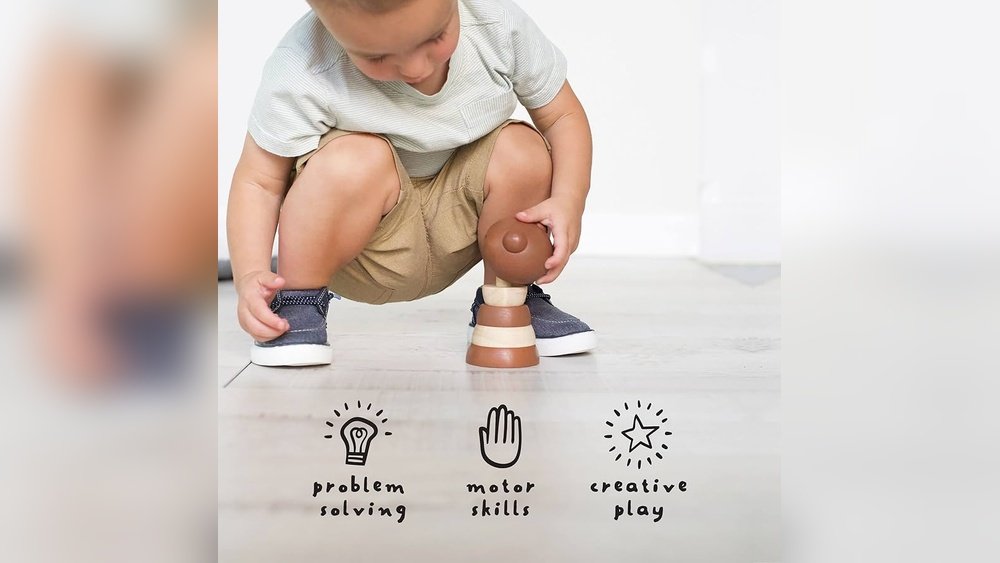
You want the best for your newborn, and helping them grow strong problem-solving skills is a great way to start. Imagine your little one confidently exploring the world, figuring things out on their own, and building a foundation for lifelong learning.
Developing these skills early can shape how your child thinks, adapts, and succeeds. You’ll discover simple, effective ways to nurture problem-solving in your baby from day one. Keep reading to unlock practical tips that can make a real difference in your child’s future.
Early Cognitive Development
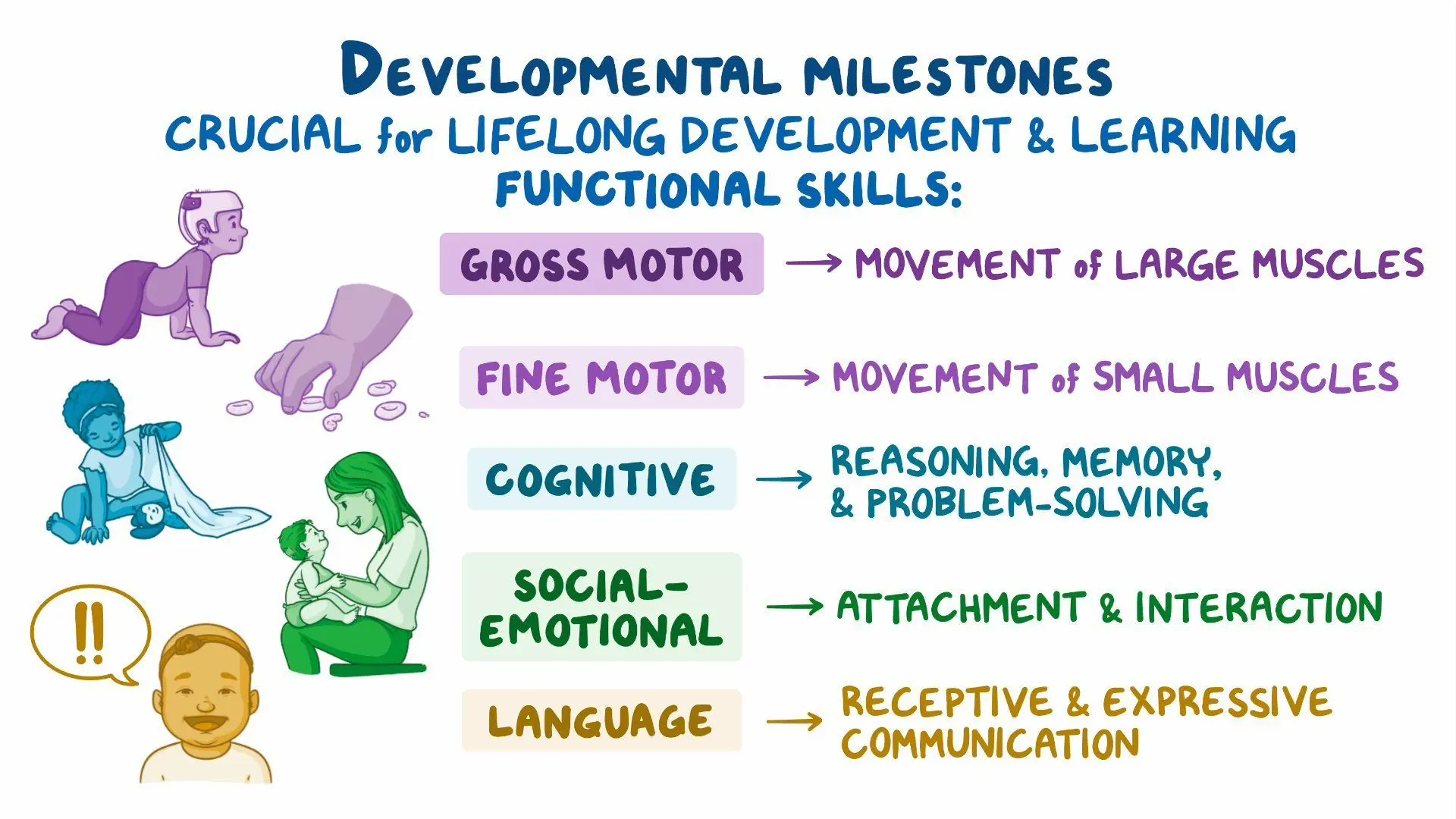
Early cognitive development is the foundation of problem-solving skills in newborns. It shapes how babies learn, think, and understand the world around them. During the first months of life, newborns’ brains grow rapidly. This growth supports their ability to explore and make sense of new experiences. Parents and caregivers play a key role in encouraging this growth.
By providing a rich environment, adults help babies develop critical thinking and problem-solving skills. Simple activities and interactions stimulate the brain and support mental development. Understanding how newborns’ brains grow and how they explore their senses helps caregivers support early learning.
Brain Growth In Newborns
Newborns’ brains grow faster than any other time in life. Millions of brain cells connect each day. These connections form the basis of learning and memory. The brain builds pathways to process information from the environment.
Strong brain growth helps newborns recognize patterns and solve simple problems. Sleep, nutrition, and interaction support healthy brain development. Talking, singing, and gentle touch encourage brain connections.
Sensory Exploration
Newborns learn by using their senses. Sight, sound, touch, taste, and smell all help babies understand their surroundings. Sensory exploration sparks curiosity and problem-solving skills.
Offering toys with different textures and colors invites babies to explore. Soft music and varied sounds keep babies engaged. Safe objects to touch and taste encourage learning through senses.
Caregivers should watch babies closely and respond to their reactions. This interaction helps babies feel secure and confident to explore more.
Encouraging Curiosity
Encouraging curiosity is key to developing problem-solving skills in newborns. Curiosity helps babies learn about the world around them. It drives them to explore and discover new things. This natural urge supports brain growth and critical thinking. Parents and caregivers play a big role in nurturing this curiosity safely and effectively.
Safe Environment Setup
Create a space where your baby can explore freely without risks. Remove small or sharp objects to prevent choking or injuries. Use soft mats or carpets to cushion falls. Make sure toys and items are clean and safe to touch. A safe environment builds confidence and encourages babies to try new things.
Introducing New Stimuli
Give your baby new objects with different colors, shapes, and textures. Soft toys, rattles, and sensory balls work well. Change items regularly to keep their interest alive. Talk to your baby about each object to strengthen their understanding. New stimuli spark curiosity and promote problem-solving skills.
Interactive Play Techniques
Interactive play techniques help newborns explore and learn about their world. These activities boost their problem-solving skills by encouraging movement and curiosity. Engaging with your baby through play builds strong brain connections. It also strengthens the bond between you and your child. Here are two simple ways to start interactive play with your newborn.
Tummy Time Benefits
Tummy time helps babies develop neck and shoulder muscles. It improves motor skills essential for future problem solving. During tummy time, babies learn to lift their head and look around. This encourages them to explore objects and surroundings. Start with short sessions and increase time gradually. Always supervise your baby during tummy time for safety.
Using Toys For Engagement
Toys attract a baby’s attention and spark curiosity. Choose toys with different textures, colors, and shapes. These toys help babies learn cause and effect by touching and shaking. Use soft rattles or textured balls for easy gripping. Move toys slowly to encourage your baby to track and reach. Praise your baby’s efforts to build confidence and joy in play.
Communication And Response
Communication and response are key to helping newborns develop problem-solving skills. Babies learn by interacting with their caregivers. Understanding their signals and responding well builds a strong connection. This connection supports brain growth and thinking skills.
Reading Baby’s Cues
Babies show feelings through sounds, movements, and facial expressions. Watching these clues helps caregivers know what the baby needs. A smile can mean happiness. Crying might mean hunger or discomfort. Paying close attention helps meet the baby’s needs quickly.
Responding to these signals teaches babies that their actions matter. This builds trust and encourages them to explore more. It also helps babies start to understand cause and effect. The baby learns that certain behaviors get a response.
Verbal And Nonverbal Interaction
Talking to babies, even in simple words, supports their learning. Soft voices and clear sounds catch their attention. Repeating words helps babies start to recognize language patterns.
Nonverbal actions like smiling, nodding, and gentle touch also communicate love and safety. These actions help babies feel secure. Secure babies try new things and solve small problems naturally.
Both talking and showing emotions teach babies how to express themselves. This early communication is the first step to problem-solving.
Problem-solving Through Challenges
Babies learn best by facing small challenges. These challenges help them think and try new ways to solve problems. When a newborn meets a challenge, their brain starts working to find answers. This is the start of strong problem-solving skills.
Encouraging babies to explore and experiment builds their confidence. Challenges do not have to be big. Even simple tasks can teach important skills. Over time, babies learn to keep trying until they succeed.
Simple Cause And Effect Activities
Cause and effect games teach babies that actions have results. For example, pressing a button to make a sound. Or dropping a toy to hear it fall. These activities show babies how their actions change things around them.
Use toys that respond to touch or movement. Let babies see what happens next. This helps them understand their power to make things happen. Cause and effect activities boost thinking and curiosity.
Encouraging Persistence
Persistence means trying again after failure. Babies need gentle support to keep trying. Praise their efforts, not just success. This teaches them that trying is important.
Offer small challenges that are not too hard. Let babies explore at their own pace. If they get frustrated, give comfort and encouragement. Persistence helps babies develop patience and problem-solving skills.
Parental Role In Skill Building
Parents play a key role in helping newborns develop problem-solving skills. Babies learn a lot by watching and interacting with their parents. Their early experiences shape how they handle challenges later in life.
Parents create a safe space for babies to explore and try new things. This space encourages curiosity and learning. Small daily activities become chances to build these important skills.
Modeling Problem-solving Behavior
Babies copy what their parents do. Parents solving simple problems shows babies how to think and act. For example, gently figuring out how to open a container teaches patience and focus.
Talking through the steps while solving problems helps babies understand the process. Parents explaining what they do helps babies learn language and logic together. This approach makes problem solving less scary.
Positive Reinforcement
Encouraging babies when they try to solve problems builds their confidence. Smiles, claps, and kind words show that effort matters. This motivation helps babies keep trying, even if they fail at first.
Positive reactions from parents create a strong bond. Babies feel safe to explore and experiment more. This support is crucial for developing problem-solving skills early on.
Monitoring Progress And Adjusting
Monitoring your newborn’s problem-solving skills helps ensure steady growth. It shows which skills develop well and which need more focus. Tracking progress allows you to provide the right support at the right time. Adjusting activities based on your baby’s growth keeps learning fun and effective.
Recognizing Milestones
Milestones mark key moments in your baby’s development. These include reaching for objects, looking for hidden toys, and responding to sounds. Notice when your baby starts to explore their environment. These signs show growing problem-solving abilities. Tracking milestones helps you understand your baby’s unique pace.
Adapting Activities To Growth
Change activities as your baby learns new skills. Offer toys that challenge their current abilities. For example, use puzzles with larger pieces at first. Then, move to more complex shapes and colors. Adjust playtime to keep your baby curious and engaged. This encourages steady skill improvement over time.

Frequently Asked Questions
How Can I Start Developing Problem-solving Skills In A Newborn?
Begin by offering simple, safe challenges like reaching for toys. Encourage exploration and curiosity. This helps build early cognitive connections and problem-solving abilities.
What Activities Boost Newborns’ Problem-solving Abilities Effectively?
Interactive play, such as peek-a-boo and cause-and-effect toys, stimulates newborns’ thinking. These activities promote learning through observation and trial.
When Should I Introduce Problem-solving Exercises To My Newborn?
Start gentle problem-solving exercises as early as 3 months. Early engagement supports brain development and curiosity in infants.
How Does Parental Interaction Enhance Newborn Problem-solving Skills?
Responsive and stimulating interaction helps newborns learn cause and effect. Parents’ encouragement builds confidence and strengthens problem-solving foundations.
Conclusion
Developing problem-solving skills in newborns takes time and patience. Parents can help by offering simple challenges daily. Playing, exploring, and talking encourage babies to think and learn. These small steps build a strong foundation for future skills. Watch your baby grow curious and confident.
Each effort matters in shaping their mind. Keep supporting their natural desire to discover. This journey brings joy and lasting benefits for both.


