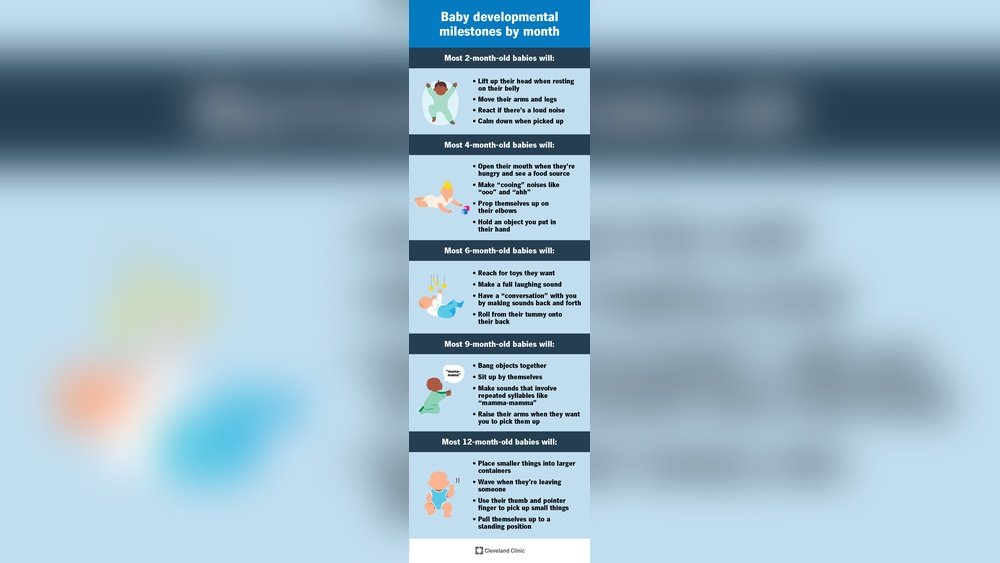
Are you wondering if your baby is hitting all the right milestones? Tracking your little one’s growth can feel overwhelming, but having a clear checklist makes it simple and stress-free.
Imagine having a handy guide that helps you know what to expect and when, so you never miss an important step in your baby’s development. You’ll discover how to create a baby developmental checklist tailored just for your child. By the end, you’ll feel confident and prepared to support your baby’s amazing journey every step of the way.
Keep reading to learn how to make this essential tool work for you and your family.
Key Developmental Milestones
Tracking your baby’s growth helps you support their development. Key developmental milestones show your baby’s progress. These signs guide you to understand your child better. They include physical, cognitive, emotional, and language skills. Watch these areas closely to see how your baby grows.
Physical Growth Markers
Physical milestones show how your baby’s body changes. These include lifting the head, sitting, crawling, and walking. Notice when your baby can grasp objects or roll over. These markers signal muscle strength and coordination. Each baby grows at their own pace. Use these signs to track healthy physical growth.
Cognitive Skills Progress
Cognitive skills involve thinking and learning abilities. Your baby starts to recognize faces and objects early on. Look for curiosity and problem-solving actions. Babbling and responding to sounds indicate brain development. These skills grow as your baby explores and learns. Tracking cognitive milestones helps support mental growth.
Emotional And Social Signs
Emotional milestones show your baby’s feelings and social bonds. Smiling, laughing, and showing comfort are key signs. Watch how your baby reacts to you and others. They may show distress or joy to express needs. These signs help build strong emotional connections. Social skills grow with love and care.
Language Development Stages
Language milestones track communication skills. First, your baby coos and babbles sounds. Then, they start saying simple words like “mama” or “dada.” Listening and responding to sounds shows understanding. Language skills develop with talking and reading daily. Tracking these stages supports speech and communication.
Essential Checklist Components
Creating a baby developmental checklist helps track your child’s growth and progress. The checklist should cover key areas to get a full picture of development. Focus on milestones, behavior, health, and safety. These components guide parents and caregivers in supporting the baby’s needs.
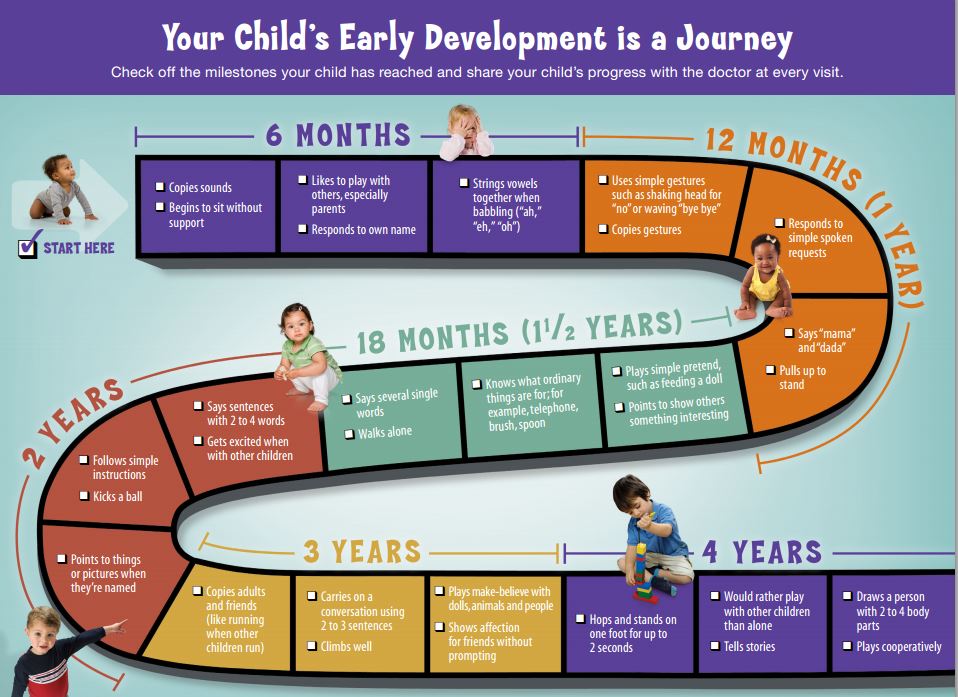
Age-specific Milestones
Track your baby’s growth by age. Include milestones like sitting, crawling, and talking. Each age has typical skills to watch for. This helps spot any delays early. Use clear, simple milestones for each stage. It creates a timeline to see progress step by step.
Behavioral Observations
Note changes in your baby’s behavior daily. Look for social smiles, eye contact, and responses to sounds. Observe how your baby reacts to new situations. These signs show emotional and mental growth. Behavioral notes help understand your baby’s personality and mood.
Health And Nutrition Indicators
Track feeding habits, sleep patterns, and weight gain. Healthy eating supports brain and body development. Record any allergies or digestion issues. Good nutrition and sleep improve your baby’s energy and mood. Regular health checks are vital for early problem detection.
Safety And Environment Factors
Create a safe space for your baby to explore. Remove sharp objects and choking hazards. Check the crib, toys, and play areas for safety. A secure environment encourages confident learning and movement. Safety measures protect your baby during each developmental stage.
Tools To Track Progress
Tracking your baby’s growth and milestones helps you stay informed. It also supports early detection of any delays. Using the right tools makes this process easier and more organized. Parents can choose from printable templates, mobile apps, or journaling methods. Each option offers unique benefits for recording your child’s development clearly.
Printable Templates
Printable templates provide a simple way to monitor progress. You can find charts for physical, emotional, and cognitive milestones. These sheets let you mark achievements by date. They work well for parents who prefer writing by hand. Keep templates in a folder or on a bulletin board for quick reference.
Mobile Apps For Parents
Mobile apps offer convenience and instant updates. Many apps allow you to enter daily activities and milestones. Some include reminders for doctor visits and vaccinations. Apps often generate reports you can share with caregivers. This tool suits busy parents who want tracking on the go.
Journaling Techniques
Journaling lets you capture detailed stories and feelings. Use a notebook or digital journal to write about each day. Record small changes and special moments. Journals create a personal record you can treasure. This method helps parents reflect on their baby’s unique journey.
Customizing The Checklist
Customizing a baby developmental checklist makes it more useful for your child. Every baby grows differently. A checklist that fits your baby’s needs helps track progress clearly. Personalizing the list keeps it realistic and supportive for your family.
Considering Premature Births
Premature babies often develop skills slower than full-term babies. Adjust the checklist to match their corrected age, not their birth age. This adjustment gives a fair view of their growth. Include milestones suitable for their unique pace.
Adapting For Individual Differences
Each baby has a unique rhythm. Some walk early, others talk late. Change the checklist to reflect your baby’s strengths and challenges. Avoid stress by focusing on progress, not strict timelines. Flexibility helps celebrate small wins.
Incorporating Pediatrician Advice
Your pediatrician offers vital guidance on development. Ask for suggestions to tailor the checklist. Use their insights to spot potential delays early. Regular check-ups ensure the checklist stays accurate and helpful.
Signs To Seek Professional Help
Watching your baby grow is exciting. Each milestone is a sign of healthy development. Sometimes, babies may not reach these milestones on time. Knowing when to seek help is important. Early support can make a big difference in your child’s growth.
Delays In Physical Development
Babies usually learn to roll, sit, and crawl by certain ages. If your baby struggles with these movements past expected times, it might signal a delay. Difficulty in holding up the head or lack of muscle strength also matters. A doctor or therapist can check your baby’s physical skills. Early guidance helps improve motor skills and overall growth.
Speech And Language Concerns
Babies start cooing and babbling in the first months. By one year, they may say simple words. If your baby shows little to no sound or words by this time, consider professional advice. Trouble understanding or responding to sounds is also a sign. Speech therapists can support language development and communication skills.
Social Interaction Challenges
Babies enjoy eye contact and smiles early on. They respond to voices and faces around them. Lack of interest in people or avoiding eye contact could be a concern. Difficulty in social play or showing little emotion also matters. Specialists in child behavior can help improve social skills and connections.
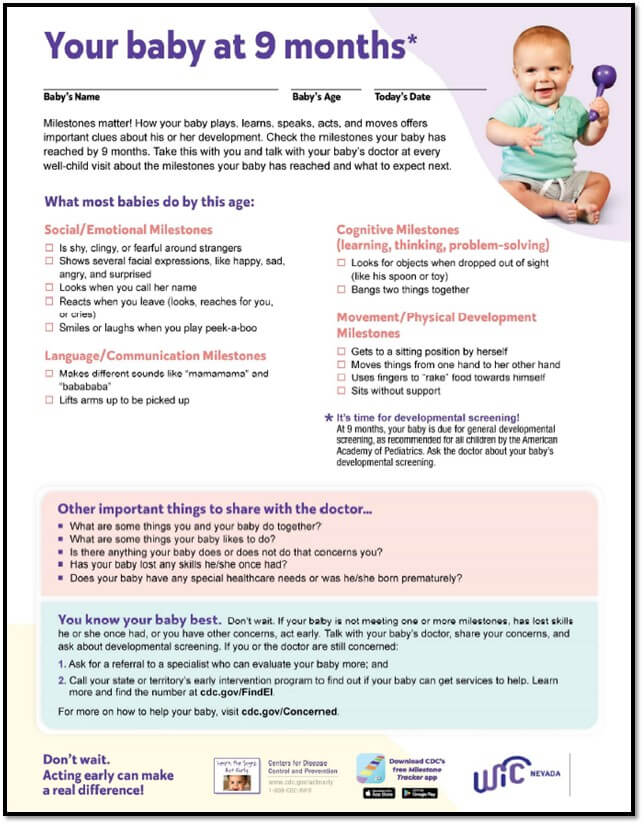
Tips For Consistent Monitoring
Consistent monitoring is key to tracking your baby’s growth. It helps spot progress and areas that need support. Regular checks create a clear picture of development. Staying organized makes this process easier for parents.
Setting Regular Check Times
Choose specific times each day or week for monitoring. Stick to these times to build a routine. Consistency helps you notice small changes. Use reminders or alarms to stay on track. Keep notes during these sessions for reference.
Engaging Activities For Development
Select simple activities that match your baby’s age. Play games that promote movement and senses. Talk, sing, and read to encourage language skills. Use toys that inspire curiosity and problem-solving. Make these moments fun and interactive.
Involving Family Members
Ask family to join in monitoring and play. Different people bring fresh eyes and ideas. Share the checklist so everyone understands goals. Rotate tasks to keep everyone engaged. Support from family builds a strong care team.
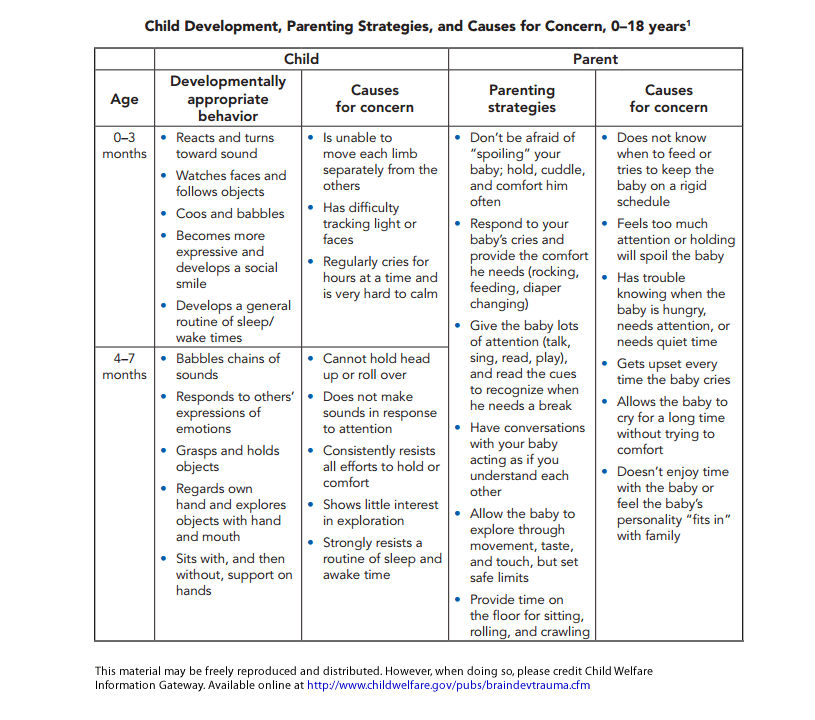
Frequently Asked Questions
What Is A Baby Developmental Checklist?
A baby developmental checklist tracks key milestones in a child’s growth. It helps parents monitor physical, cognitive, and emotional progress accurately.
When Should I Start Using A Developmental Checklist?
Begin using a checklist from birth. Early tracking ensures timely identification of developmental delays or concerns for proper intervention.
How Often Should I Update The Checklist?
Update the checklist monthly or after significant milestones. Regular updates help track your baby’s continuous growth and development.
What Milestones Are Included In The Checklist?
The checklist includes motor skills, language, social interaction, and sensory development. It covers age-appropriate tasks and behaviors for each stage.
Conclusion
Creating a baby developmental checklist helps track your child’s growth. It keeps important milestones clear and easy to follow. You notice small changes and celebrate progress. The checklist supports your baby’s health and learning. Keep it simple, update often, and stay patient.
Every baby grows at their own pace. This tool guides you, but trust your instincts too. Enjoy each moment and watch your baby bloom.


