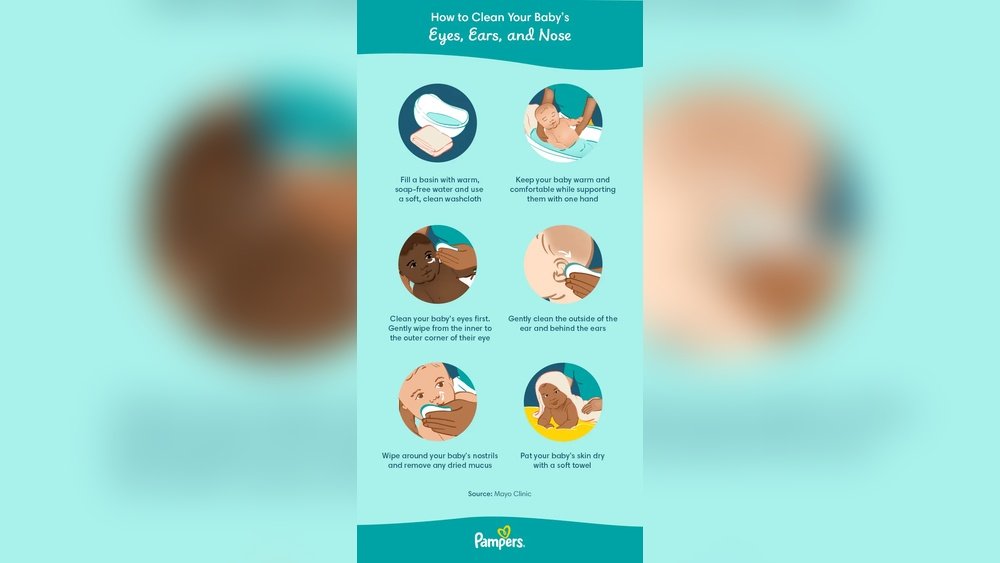
Cleaning your baby’s ears might seem tricky, but it doesn’t have to be. You want to keep your little one comfortable and safe, and knowing the right way to clean their ears is key.
If you’re worried about hurting your baby or unsure how often to clean, you’re not alone. This guide will show you simple, safe steps to care for your baby’s ears without any fuss. Keep reading to discover expert tips that make ear cleaning easy and stress-free for both you and your baby.
Why Baby Ear Care Matters
Keeping baby ears clean helps prevent infections and discomfort. Gently wiping the outer ear with a soft cloth is safe. Avoid inserting cotton swabs inside to protect delicate ear canals.
Taking care of a baby’s ears is very important. Babies cannot clean their ears by themselves. Dirt, wax, and moisture can build up inside. This can cause discomfort or even infections.
Infections in baby ears can lead to pain and fever. They may affect hearing and speech development. Early care helps prevent these problems. Clean and healthy ears support a baby’s growth.
Proper ear care also helps parents spot issues early. Redness, swelling, or unusual discharge can signal infection. Regular checks and gentle cleaning keep ears safe. Healthy ears mean happy babies and peace of mind for parents.

When To Clean Baby Ears
Knowing when to clean baby ears is very important. Baby ears are delicate and need gentle care. Cleaning too often can cause harm. Not cleaning at the right time can lead to discomfort. Understanding the right moments helps keep baby ears healthy and safe.
Signs That Baby Ears Need Cleaning
Look for visible dirt or wax near the ear opening. If the baby scratches or pulls the ear, check for buildup. Notice if the baby seems uncomfortable or fussy around ear area. These signs can mean it’s time to clean gently.
After Bath Time
Bath time is a good chance to check baby ears. Use a soft cloth to wipe only the outer ear. Avoid putting anything inside the ear canal. Cleaning the outer ear after baths keeps the area fresh and clean.
When Baby Has Excess Earwax
Earwax protects the ear but too much can cause problems. If you see large amounts of wax at the ear entrance, it needs cleaning. Use a soft, damp cloth and clean only the outside part. Do not use cotton swabs inside the ear.
During Routine Baby Care
Check baby ears regularly during diaper changes or dressing. This helps spot dirt or wax early. Clean the outer ear gently if needed. Regular checks prevent buildup and keep ears comfortable.
Safe Cleaning Tools For Baby Ears
Cleaning a baby’s ears needs gentle care and the right tools. Using safe tools protects your baby’s delicate ears from harm. It also helps remove dirt and wax carefully. Choosing tools designed for babies is very important.
Soft Cotton Balls Or Pads
Soft cotton balls or pads are gentle and safe for outer ear cleaning. They help wipe away dirt without pushing wax deeper. Use them dampened with warm water. Avoid inserting them inside the ear canal.
Baby Ear Cleaning Drops
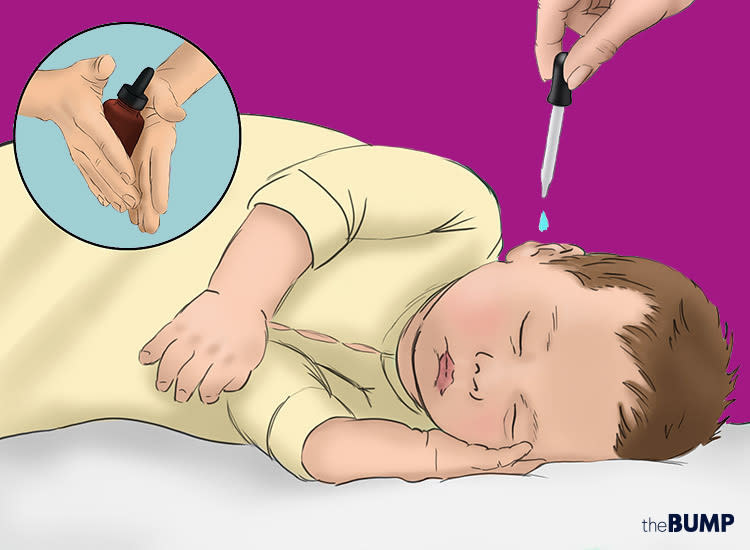
Baby ear cleaning drops soften earwax naturally. They make wax easier to remove. Use only drops made for babies. Follow instructions carefully to avoid irritation.
Bulb Syringe
A bulb syringe helps rinse the ear gently. It uses water to flush out loosened wax. Use it only on the outer ear or if recommended by a doctor. Never force the syringe inside the ear canal.
Soft Washcloth
A soft washcloth is perfect for wiping the outer ear. Use it with warm water to clean safely. It is gentle and easy to use. Avoid inserting any part of the cloth inside the ear.
Step-by-step Ear Cleaning Process
Cleaning your baby’s ears is important for their comfort and health. It needs care and the right steps. Follow this simple guide to clean baby ears safely and gently.
Preparing Your Baby
Choose a quiet, well-lit place. Sit your baby comfortably on your lap. Use a soft cloth and warm water ready. Make sure your hands are clean. Talk softly to keep your baby calm.
Cleaning The Outer Ear
Dip the cloth in warm water. Wring out extra water to keep it damp. Gently wipe the outer ear and behind it. Remove dirt and wax from visible areas only. Avoid pushing anything inside the ear.
Avoiding The Ear Canal
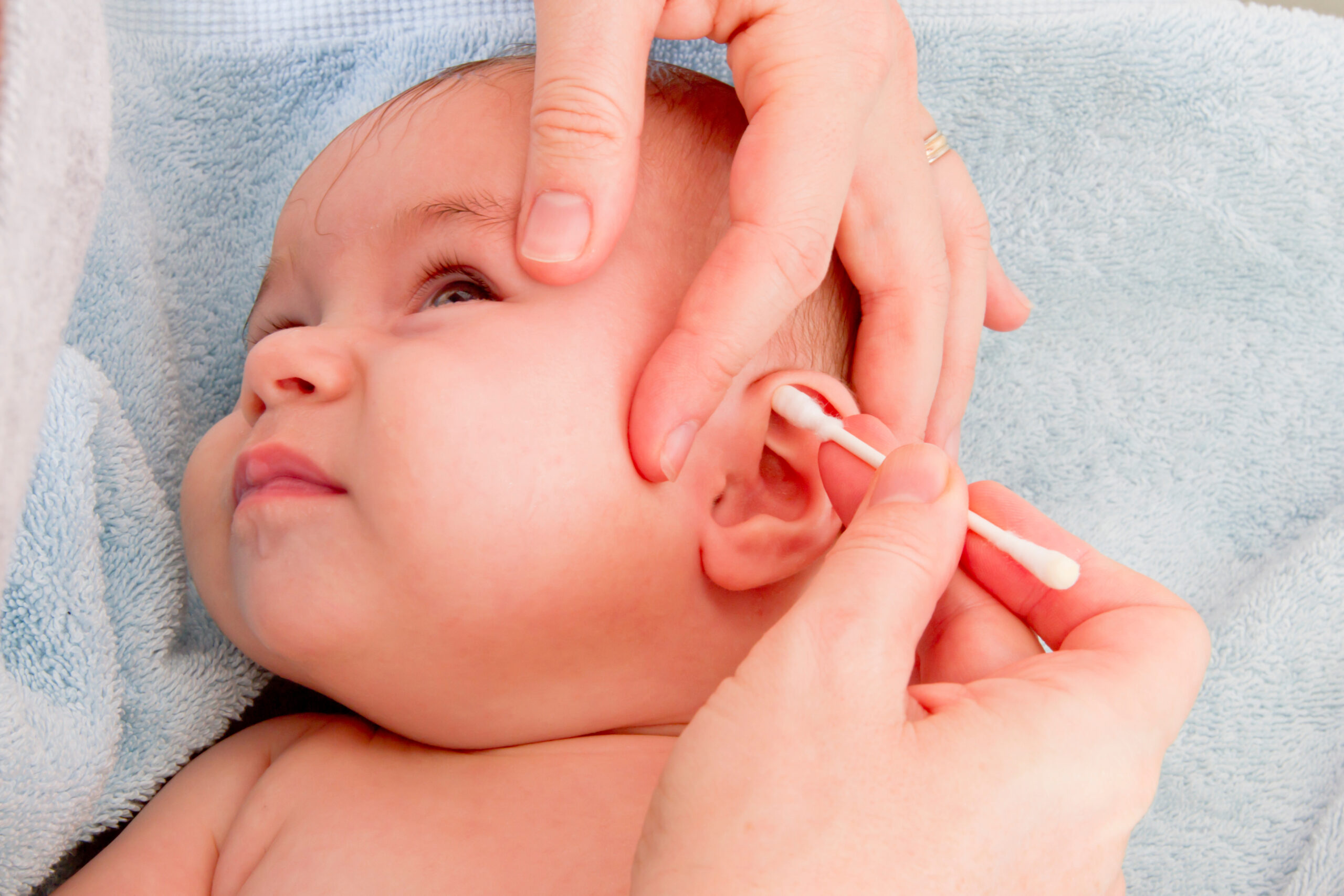
Do not insert cotton swabs or objects into the ear canal. The ear canal cleans itself naturally. Inserting objects can cause pain or damage. Focus only on cleaning outside the ear opening. Let your baby’s ears stay safe and healthy.
Common Mistakes To Avoid
Cleaning a baby’s ears requires care and attention. Many parents make mistakes that can harm the baby or cause discomfort. Avoiding these common errors helps keep your baby safe and healthy.
Do Not Use Cotton Swabs Inside The Ear Canal
Cotton swabs push wax deeper into the ear. This can cause blockage or injury. Use a soft cloth to clean only the outer ear.
Avoid Inserting Objects Into The Ear
Small objects can hurt the ear drum or ear canal. Never insert anything inside the ear. Let the ear clean itself naturally.
Do Not Overclean The Ears
The ear produces wax to protect itself. Overcleaning removes this natural barrier. Clean the ears only when needed, gently wiping the outer part.
Avoid Using Harsh Chemicals Or Liquids
Strong soaps or liquids can irritate delicate skin. Use only mild water or baby-safe products. Never use alcohol or hydrogen peroxide without doctor advice.
Do Not Ignore Signs Of Infection
Redness, swelling, or foul smell need medical attention. Do not try to clean infected ears yourself. Consult a pediatrician for proper care.
Signs Of Ear Infection To Watch For
Baby ear infections can cause pain and discomfort. Early signs help parents act fast. Knowing these signs protects your baby’s health. Watch closely for changes in behavior and physical symptoms.
Fussiness And Crying
Babies with ear infections often become fussy. Crying more than usual is a key sign. They may pull or rub their ears. This shows discomfort or pain in the ear.
Difficulty Sleeping
Ear infections can make it hard for babies to sleep. They might wake up more often at night. Pay attention if your baby struggles to rest.
Fever
A mild to high fever often occurs with ear infections. Check your baby’s temperature regularly. Fever is a signal that the body fights infection.
Fluid Drainage
Look for any fluid coming from the ear. It can be clear, yellow, or bloody. This might mean the infection has caused a tear in the eardrum.
Hearing Problems
Babies might not respond to sounds well. This can mean the ear is blocked or infected. Notice if your baby seems less aware of noises.
When To See A Pediatrician
Knowing when to see a pediatrician about your baby’s ears is important. Some ear problems need medical care. Early attention can prevent pain and complications. Watch for signs that might mean your baby needs help from a doctor.
Signs Of Ear Infection
Your baby may have an ear infection if they pull their ears often. Crying more than usual or trouble sleeping can also be signs. Fever and fluid draining from the ear are clear warning signals.
Persistent Earwax Build-up
If earwax blocks your baby’s ear and cleaning does not help, see a pediatrician. Blocked earwax can cause hearing problems. A doctor can safely remove the wax without hurting your baby.
Hearing Concerns
Notice if your baby does not respond to sounds or voices. Delayed speech or trouble hearing may need a doctor’s check. Early diagnosis helps with proper treatment and support.
Swelling Or Redness Around The Ear
Swelling, redness, or warmth near the ear can mean infection or injury. These signs need prompt medical attention. A pediatrician can provide the right care to reduce discomfort and prevent issues.
Tips For Maintaining Healthy Ears
Keeping baby ears clean and healthy is very important. Proper care helps avoid discomfort and infections. Parents must learn safe ways to clean and protect their baby’s ears.
Simple habits can keep baby ears healthy. Gentle care and regular checks prevent problems before they start.
Cleaning Only The Outer Ear
Use a soft, damp cloth to wipe the outer ear. Avoid inserting cotton swabs inside the ear canal. Cleaning the outer ear removes dirt without harming delicate parts.
Drying Ears Gently
After bathing, gently dry the ears with a towel. Make sure no water stays inside the ear canal. Moisture can cause infections in baby ears.
Watching For Signs Of Infection
Look for redness, swelling, or unusual discharge. Babies may pull at their ears if they feel pain. Early detection helps get timely treatment and comfort.
Keeping Hair And Skin Clean
Wash the baby’s hair regularly to avoid buildup near ears. Clean skin around ears daily to stop dirt and oils from collecting. Healthy skin supports healthy ears.
Regular Pediatric Check-ups
Ask the doctor to check your baby’s ears during visits. Doctors can spot hidden issues early. Regular checks keep ears in good condition.
Frequently Asked Questions
How Often Should I Clean My Baby’s Ears?
Clean your baby’s ears only when necessary. Use a soft cloth to wipe the outer ear weekly. Avoid inserting objects inside the ear canal to prevent injury or irritation.
What Is The Safest Way To Clean Baby Ears?
Use a damp washcloth to clean the outer ear gently. Avoid cotton swabs or ear candles, as they can harm delicate ear structures or push wax deeper.
Can I Use Cotton Swabs To Clean Baby Ears?
No, cotton swabs can damage your baby’s ear canal or eardrum. Instead, clean only the outer ear with a soft cloth and avoid inserting anything inside.
How Do I Know If My Baby’s Ears Need Cleaning?
Look for visible dirt or wax on the outer ear. If your baby shows discomfort or hearing issues, consult a pediatrician rather than cleaning inside the ear yourself.
Conclusion
Cleaning baby ears is simple and important for health. Use a soft cloth or cotton ball gently. Avoid inserting anything deep inside the ear canal. Check often for dirt or wax buildup. Keep your baby comfortable and calm during cleaning.
Regular care helps prevent ear infections. Always be gentle and patient. If you notice redness or pain, consult a doctor right away. Safe ear cleaning keeps your baby happy and healthy. Small steps make a big difference.


