
Bringing a newborn into your family is an incredible experience filled with joy and new challenges. You might be wondering how to create a strong connection with both your baby and your parents at the same time.
Building these bonds early on can make a huge difference in your family’s happiness and support system. You’ll discover simple and effective ways to strengthen your relationships, making every moment with your loved ones more meaningful. Keep reading to learn how to connect deeply and confidently with your parents and newborn from day one.
Importance Of Early Bonding
Early bonding between parents and newborns shapes a child’s future. This connection builds trust and security. It creates a strong emotional foundation. Early bonding helps parents understand their baby’s needs better. It also supports healthy brain growth in newborns.
Emotional Benefits For Parents
Bonding reduces stress and anxiety for new parents. It creates feelings of love and attachment. Parents feel more confident in caring for their baby. This connection helps parents respond quickly to their baby’s needs. It also strengthens the family bond.
Developmental Impact On Newborns
Newborns who bond early show better brain development. They feel safe and calm with close contact. This security helps them explore and learn. Early bonding improves language and social skills. It also supports emotional health as the baby grows.
Creating A Calm Environment
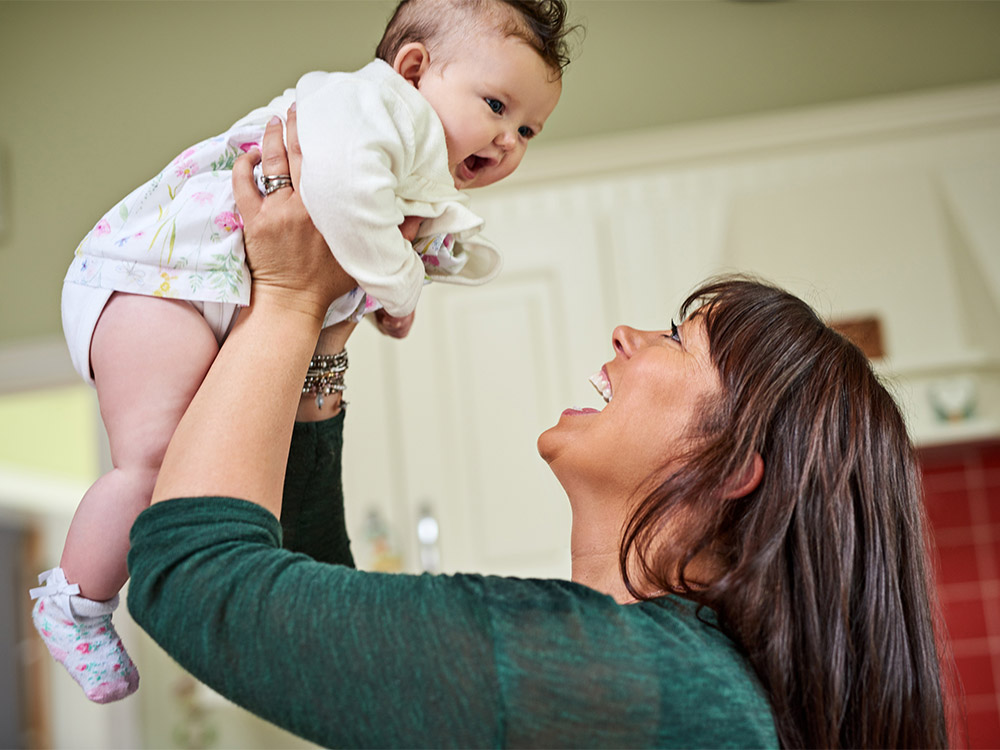
Creating a calm environment helps parents and newborns connect deeply. A peaceful setting reduces stress for both. It allows the baby to feel safe and loved. Parents also relax and enjoy bonding moments more.
Minimizing Stress Factors
Keep noise levels low around the baby. Loud sounds can startle and upset newborns. Turn off loud TVs and radios. Speak softly and move gently near the baby. Avoid bright, flashing lights that may distract or scare.
Limit visitors during bonding time. Too many people can cause stress for parents and baby. Choose quiet, calm times for bonding. This helps everyone feel more comfortable and focused.
Setting Up A Comfortable Space
Find a cozy, warm spot for bonding sessions. Use soft blankets and pillows for support. Keep the room temperature comfortable, not too hot or cold. A calm space encourages the baby to relax and sleep.
Remove clutter and distractions from the area. A tidy space helps parents concentrate on their baby. Natural light is best but avoid direct sunlight on the baby. Soft lighting creates a soothing atmosphere for bonding.
Skin-to-skin Contact
Skin-to-skin contact is a special way to bond with your newborn. It means placing your baby directly on your bare chest. This helps your baby feel safe and warm. It also helps parents connect deeply with their new child.
This close touch can calm a crying baby. It supports the baby’s heart and breathing. Skin-to-skin contact also helps start breastfeeding. It creates a quiet, loving space for both baby and parent.
Techniques For New Parents
Hold your baby against your bare chest. Cover your baby with a soft blanket for warmth. Use this method right after birth if possible. Sit in a comfortable chair or lie down. Gently stroke your baby’s back or head. Speak softly or sing to your baby. This helps your baby recognize your voice. Try to stay relaxed during the contact.
Timing And Frequency
Start skin-to-skin contact as soon as possible. Aim for at least one hour after birth. Do this several times a day, if you can. Even short sessions of 20 minutes help. Nighttime skin-to-skin contact supports better sleep. Keep sessions regular during the first weeks. This builds a strong bond and trust.
Responsive Feeding Practices
Responsive feeding practices help build a strong bond between parents and newborns. These practices focus on understanding and responding to the baby’s needs quickly and gently. Feeding time becomes a moment of comfort and trust. It supports the baby’s growth and emotional security.
Recognizing Hunger Cues
Babies show many signs when they feel hungry. They might suck their fingers or make sucking sounds. Some babies turn their heads toward the breast or bottle. Crying is a late hunger signal. Parents who notice early signs can feed their baby before they get upset. This helps the baby feel calm and cared for.
Breastfeeding And Bottle Feeding
Responsive feeding works for both breastfeeding and bottle feeding. Parents should feed the baby on demand, not on a strict schedule. Watch the baby’s signals to start and stop feeding. Let the baby take breaks if they need. This practice respects the baby’s hunger and fullness cues. It creates a peaceful feeding time and strengthens the emotional connection.
Effective Communication
Effective communication builds a strong connection between parents and newborns. It helps parents understand their baby’s needs and feelings. Newborns rely on nonverbal cues to express themselves. Parents who learn to read these signals can respond with care and comfort. Communication also includes the gentle use of voice and touch. These tools soothe and reassure the baby. They create a safe and loving environment for growth.
Reading Newborn Signals
Newborns communicate through movements, sounds, and facial expressions. Watch for signs like crying, yawning, or turning the head. These show hunger, tiredness, or discomfort. Small changes in body language matter a lot. A relaxed body means contentment. A tense body can mean distress or need for attention. Parents should observe these signals closely. Responding quickly helps the baby feel secure and loved.
Using Voice And Touch
Soft, calm voices comfort newborns instantly. Speak gently to soothe their senses. Singing or humming can also calm a restless baby. Touch is another powerful way to connect. Gentle stroking or holding provides warmth and safety. Skin-to-skin contact strengthens the emotional bond. It helps regulate the baby’s heartbeat and breathing. Using voice and touch together creates a peaceful space. This helps babies feel protected and cherished.

Involving Both Parents
Involving both parents in bonding with a newborn creates a strong family connection. It helps both parents feel confident and close to their baby. Sharing tasks and working as a team builds trust and love. This section shows how parents can join forces to care for their child.
Sharing Responsibilities
Both parents should take part in daily care. Changing diapers, feeding, and soothing the baby can be split. This balance helps prevent one parent from feeling overwhelmed. Each parent learns different ways to comfort the child. Sharing duties also lets parents enjoy special moments with their baby.
Building Teamwork
Good teamwork means listening and supporting each other. Parents can plan routines together to keep things smooth. Talking about feelings helps avoid misunderstandings. Working as a team shows the baby a loving environment. This teamwork strengthens the family bond every day.
Routine And Consistency
Routine and consistency create a calm environment for parents and newborns. They build trust and help babies feel safe. Regular patterns ease the daily flow, reducing stress for everyone. Babies respond well to familiar activities and times. This section shows how to set routines and stay flexible with baby’s needs.
Establishing Daily Patterns
Start with simple daily routines. Wake, feed, play, and sleep times help structure the day. Consistent schedules guide the baby’s internal clock. Parents also find comfort in knowing what comes next. Keep activities short and gentle. Repeat the same order each day. This predictability helps the baby relax and bond.
Adapting To Baby’s Needs
Babies change quickly. Their needs shift as they grow. Watch for signs of tiredness, hunger, or discomfort. Adjust routines to fit these needs. Flexibility shows the baby they are understood. Change the schedule gently when needed. This balance keeps the routine helpful, not stressful. It deepens connection by respecting the baby’s signals.

Overcoming Common Challenges
Bonding with parents and a newborn can be challenging. New parents face many struggles that affect this special connection. Understanding these challenges helps build stronger bonds. Small steps help overcome common problems. Patience and care make the process easier.
Dealing With Fatigue
Newborns need care day and night. Sleep often feels very limited. Parents must find ways to rest when possible. Short naps help restore energy quickly. Sharing night duties with a partner lightens the load. Accept help from friends or family. A tired parent cannot bond well. Rest is key to patience and attention.
Managing Emotional Ups And Downs
New parents often feel many emotions fast. Joy, worry, and frustration can mix together. These feelings are natural and expected. Talking about emotions helps reduce stress. Parents should ask for support when needed. Deep breaths and small breaks calm the mind. Remember, emotions do not last forever. Understanding feelings makes bonding easier.
Support Systems For Parents
Building a strong bond with your newborn requires support. Parents need care and help too. Support systems give parents strength and peace of mind. They make the early days less stressful. Trust and comfort grow with good support. This helps parents focus on their baby’s needs.
Family And Friends
Family and friends often provide the first support. They can share advice and help with chores. Their presence reduces feelings of loneliness. Parents can rest more with their help. Listening and encouragement from loved ones matter. Simple visits or calls lift spirits. Trusted family members can watch the baby. This gives parents time to recharge.
Professional Resources
Health professionals offer expert guidance to new parents. Pediatricians check the baby’s health regularly. Nurses and lactation consultants help with feeding. Counselors support parents’ emotional well-being. Parenting classes teach practical skills. These resources answer questions and calm worries. Accessing professionals builds confidence in caregiving. Early support prevents problems and strengthens bonds.
Frequently Asked Questions
How Can Parents Bond With Their Newborn Effectively?
Parents can bond by spending quality time, engaging in skin-to-skin contact, and talking softly to the baby. Consistent care and responding to the baby’s needs also strengthen emotional connections.
What Are Simple Activities To Bond With A Newborn?
Simple activities include gentle touch, singing lullabies, eye contact, and reading stories. These actions promote trust and comfort while nurturing the baby’s social and emotional growth.
How Important Is Skin-to-skin Contact For Bonding?
Skin-to-skin contact is vital as it regulates the baby’s temperature and heart rate. It enhances emotional bonding and helps parents feel more connected and confident in caregiving.
When Should Parents Start Bonding With Their Newborn?
Bonding should begin immediately after birth. Early interaction helps establish a secure attachment, which supports the baby’s emotional development and the parents’ confidence.
Conclusion
Building a strong bond with your newborn and parents takes time and care. Small moments of touch, eye contact, and gentle words matter a lot. Trust your feelings and be patient with each other. Every smile and cuddle helps create a loving connection.
Keep practicing kindness and attention every day. This bond grows stronger with simple, honest efforts. Enjoy these early days—they shape a lifetime of love and trust.


