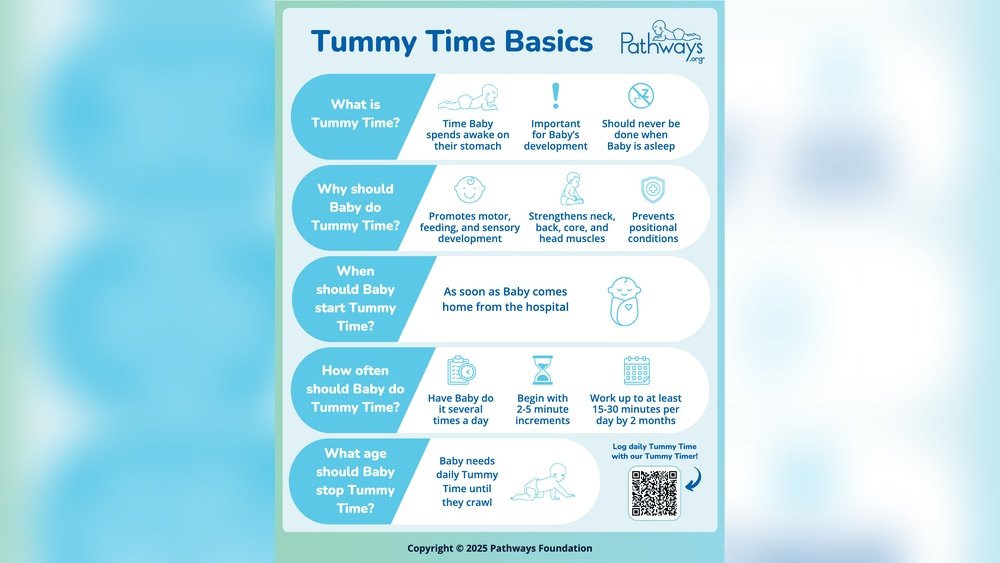
You want the best start for your newborn, and tummy time is a key part of that. But how often should you do tummy time with your little one?
You might wonder if it’s too much or too little. Getting it just right can help your baby build strong muscles and develop important skills. You’ll discover simple, practical advice on how to make tummy time safe, fun, and effective.
Keep reading to learn exactly what your baby needs and how you can support their growth every day.
Benefits Of Tummy Time
Tummy time is an important activity for newborns. It helps babies grow strong and healthy. Spending time on their tummy each day brings many benefits. These benefits support their physical and mental development. Understanding these advantages shows why tummy time matters.
Starting tummy time early helps babies learn new skills. It also supports their body in many ways. Parents can help their babies by making tummy time a regular part of their day.
Strengthening Muscles
Tummy time helps babies build strong neck and shoulder muscles. These muscles are important for lifting the head and pushing up. Strong muscles prepare babies for crawling and sitting. Without tummy time, muscles can stay weak and slow development.
Preventing Flat Head Syndrome
Babies spend a lot of time on their backs. This can cause flat spots on their heads. Tummy time changes the pressure on the skull. It helps prevent flat head syndrome by giving the head a break. This keeps the baby’s head shape healthy.
Enhancing Motor Skills
Tummy time encourages babies to move and explore. It helps improve hand-eye coordination and balance. These skills are the base for crawling, sitting, and walking. Regular tummy time supports faster and better motor skills.
Recommended Frequency For Newborns
Tummy time is important for newborns to build strong muscles. It helps with neck control and prevents flat spots on the head. Knowing how often to do tummy time keeps your baby safe and happy. Regular sessions support healthy growth and development.
Starting Slowly
Begin tummy time with just 1 to 2 minutes per session. Try 2 to 3 sessions each day at first. Watch your baby’s reactions closely. Stop if they become upset or tired. Short sessions help your baby get used to the new position.
Daily Routine Suggestions
Gradually increase tummy time to about 20 to 30 minutes a day. Break this time into several short sessions. Spread sessions evenly throughout the day. Use a soft blanket or play mat for comfort. Try tummy time after diaper changes or naps.
Adjusting Time Based On Baby’s Age
As your baby grows, add more tummy time each day. By 3 months, aim for 30 to 60 minutes total. Let your baby lead and take breaks as needed. Older babies enjoy tummy time with toys and interaction. Adjust sessions to keep tummy time fun and safe.
Safe Tummy Time Practices
Tummy time is important for your newborn’s development. It helps build strong neck, shoulder, and arm muscles. It also prevents flat spots on the baby’s head. Practicing tummy time safely is key. It makes the experience comfortable and fun for your baby.
Choosing The Right Surface
Pick a firm, flat surface for tummy time. A clean floor with a soft blanket works well. Avoid soft beds or couches that can cause suffocation risk. Make sure the area is free of small objects. These could be choking hazards. A safe, stable surface keeps your baby secure.
Supervision Tips
Always stay close during tummy time. Watch your baby’s movements and reactions. Never leave your baby alone on their tummy. Your presence helps keep them safe. It also encourages your baby to explore and enjoy tummy time. Talk or sing to your baby for comfort.
Signs Baby Needs A Break
Look for signs your baby wants to stop. Crying or fussiness may mean tiredness or discomfort. Turning the head away can show boredom or frustration. If your baby becomes red-faced or breathes fast, pause tummy time. Give your baby a rest and try again later.
Making Tummy Time Enjoyable
Tummy time helps babies build strong muscles and develop skills. It is important to make tummy time fun and positive. When babies enjoy the time on their tummies, they want to do it more. This makes the experience better for both baby and parent.
Simple steps can make tummy time more interesting. Bright colors, soft sounds, and gentle talking keep babies happy. Comfort and smiles go a long way in making tummy time a good part of the day.
Using Toys And Props
Use soft toys with bright colors to catch your baby’s eyes. A small mirror can make tummy time fun. Babies love looking at their reflection. Place toys just out of reach to encourage reaching and moving.
Props like rolled towels or cushions can support your baby’s chest. This makes tummy time easier and more comfortable. Change toys often to keep your baby curious and engaged.
Engaging With Your Baby
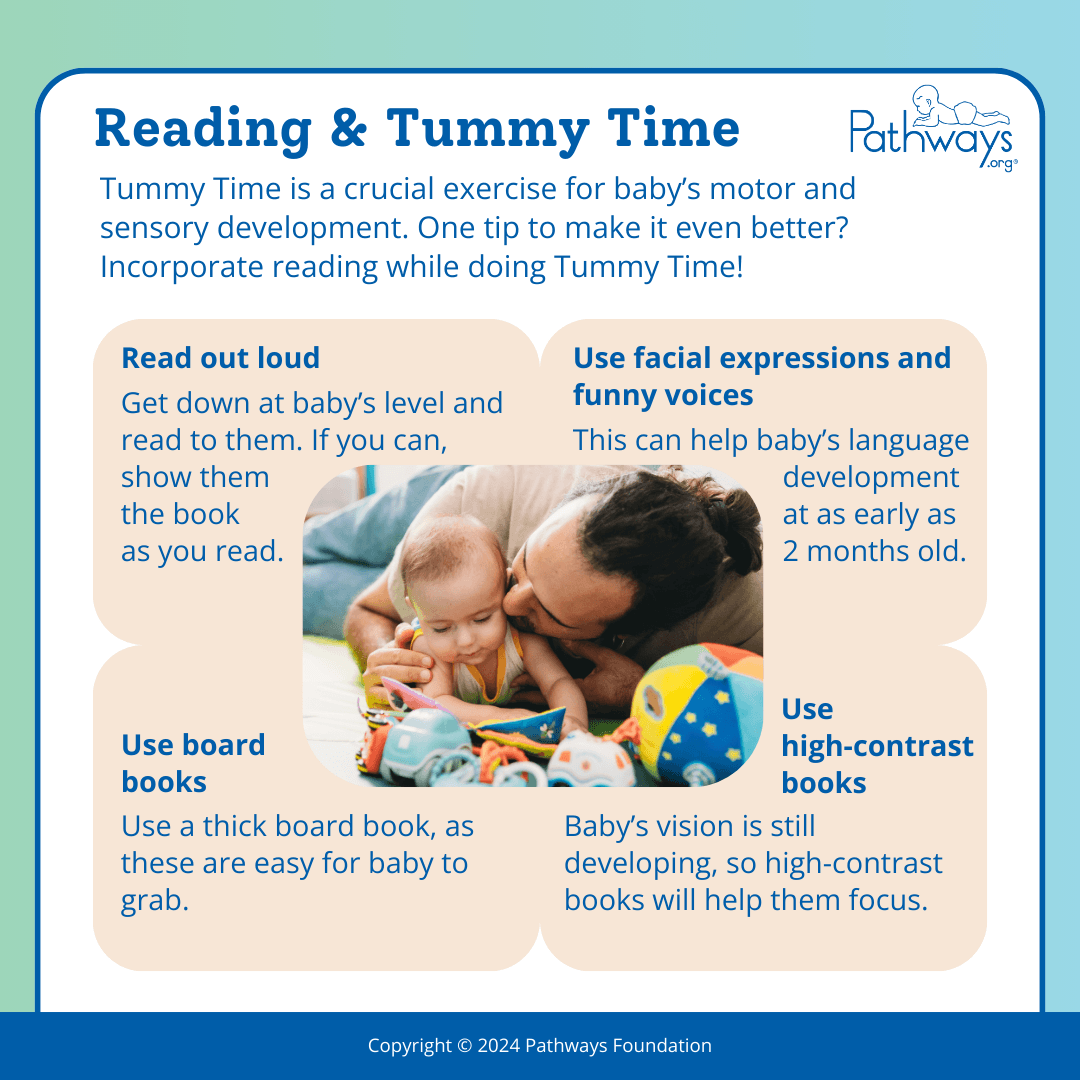
Talk to your baby during tummy time. Use a calm, happy voice to hold their attention. Smile and make eye contact to build connection. Singing simple songs or making gentle sounds also helps.
Get down on the floor with your baby. Your close presence feels safe and fun. Your face is the best toy for your baby to watch and learn from.
Incorporating Tummy Time Into Play
Turn tummy time into playtime by adding short sessions throughout the day. Use play mats or soft blankets for a cozy spot. Mix tummy time with other activities to keep your baby interested.
Try tummy time after diaper changes or naps when your baby is calm. Keep sessions short and increase time slowly. Playful moments make tummy time natural and enjoyable.
Troubleshooting Common Challenges
Tummy time is important for your newborn’s growth and development. Sometimes, babies may not enjoy it right away. This can make tummy time challenging for parents. Understanding common problems helps you keep tummy time a positive experience. Here are some tips to handle typical tummy time issues.
Dealing With Fussiness
Babies may get fussy during tummy time. They might cry or squirm a lot. Try using a soft blanket or a favorite toy to distract them. Keep tummy time sessions short at first. Gradually increase the time as your baby gets used to it. Speak gently and stay close for comfort.
When Baby Resists Tummy Time
Some babies resist tummy time completely. Try changing the timing. Offer tummy time when your baby is calm and not hungry. Use a mirror or colorful toys to catch their attention. You can also lie down facing your baby to make it fun. Patience is key; keep trying in small steps.
Consulting A Pediatrician
If your baby consistently rejects tummy time, ask a doctor. Some medical issues can make tummy time hard. The pediatrician can check for muscle tone or neck problems. They may suggest safe ways to support tummy time. Early advice helps ensure your baby stays healthy and happy.


Frequently Asked Questions
How Often Should Newborns Have Tummy Time Daily?
Newborns should have tummy time 3 to 5 times daily. Start with 2 to 3 minutes per session. Gradually increase as baby grows and tolerates more time.
What Is The Ideal Tummy Time Duration For Newborns?
Begin with short sessions of 2 to 3 minutes. Increase to 20 to 30 minutes total daily by 3 months. Consistency is key for muscle development.
When Can I Start Tummy Time With My Newborn?
Start tummy time from day one after birth. Always supervise and place baby on a firm, safe surface. Early tummy time supports motor skills.
Why Is Tummy Time Important For Newborns?
Tummy time strengthens neck, shoulder, and arm muscles. It prevents flat head syndrome and promotes motor skill development. It also encourages sensory growth.
Conclusion
Tummy time helps your newborn grow strong and healthy. Start with a few minutes each day. Slowly increase the time as your baby gets used to it. Make tummy time fun with toys or talking softly. Watch your baby closely to keep them safe.
Regular tummy time supports motor skills and prevents flat spots. Remember, short sessions often work better than long ones. Stay patient and enjoy these special moments together. Your baby will thank you with smiles and progress. Keep tummy time part of your daily routine for best results.


