Wondering how often you should bathe your baby? You’re not alone.
Bath time can feel overwhelming when you’re trying to keep your little one clean and comfortable without drying out their delicate skin. Getting the right balance is key—not too frequent to cause irritation, but regular enough to keep your baby fresh and happy.
You’ll discover simple, expert-backed tips to find the perfect bathing routine for your baby. Keep reading to learn how to make bath time safe, soothing, and stress-free for both you and your child.
Bathing Frequency For Newborns
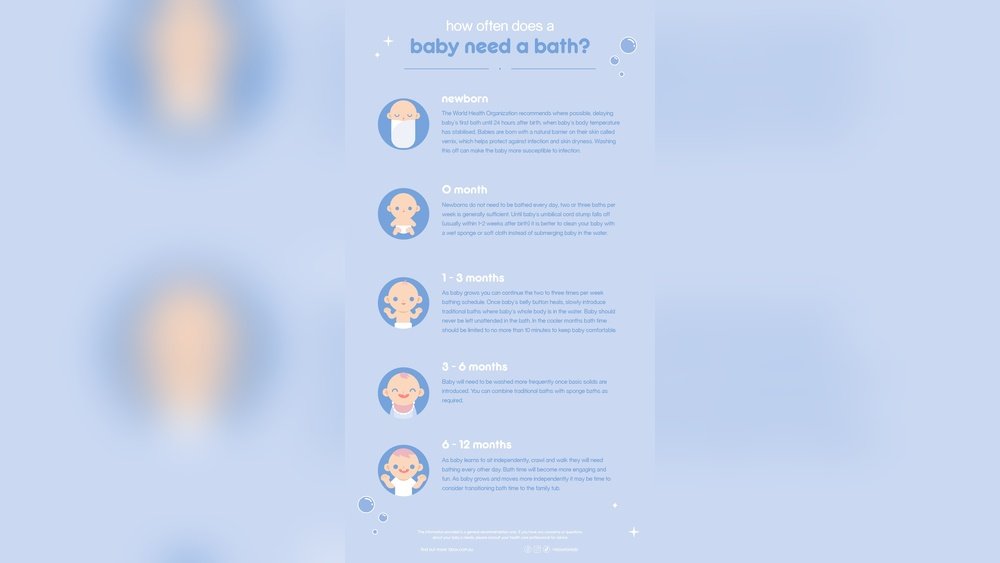
Bathing a newborn can feel overwhelming for new parents. Knowing how often to bathe a baby is key to keeping their skin healthy. Newborn skin is delicate and needs gentle care. The right bathing frequency helps avoid dryness or irritation. It also supports bonding and comfort for your little one.
First Few Weeks Care
In the first weeks, sponge baths work best. Avoid full baths until the umbilical cord falls off. This usually takes one to two weeks. Sponge baths keep your baby clean without soaking the cord. Bathing two to three times a week is enough. Daily baths can dry out the skin. Use mild, fragrance-free soap and warm water. Focus on the face, neck, and diaper area. Always dry your baby gently after cleaning.
Adjusting As Baby Grows
Once the umbilical cord heals, you can start full baths. At this stage, bathing three times a week suits most babies. Some prefer daily baths, which is fine if skin stays soft. Watch for dry or red patches. Choose gentle cleansers and avoid hot water. Bath time becomes a chance to relax and bond. Adjust the frequency based on your baby’s skin and comfort. Each baby is unique, so stay flexible.
Benefits Of Regular Bathing
Bathing your baby regularly offers many important benefits. It helps keep your baby clean and healthy. Bath time also creates special moments for bonding. These advantages make regular bathing a good habit for your baby’s growth and happiness.
Skin Health And Hygiene
Regular baths remove dirt, sweat, and oils from the skin. This helps prevent rashes and infections. Bathing also keeps your baby’s skin soft and fresh. Using mild soap protects the delicate skin. Clean skin helps your baby feel comfortable and happy.
Bonding Time With Baby
Bath time is a quiet moment to connect with your baby. You hold and talk to your baby gently. These moments build trust and love. Your baby learns to feel safe and calm. Bathing becomes a special routine you both enjoy.
Signs Your Baby Needs A Bath
Knowing when your baby needs a bath can be tricky. Babies do not need daily baths like adults. But certain signs show it is time for a bath. These signs help keep your baby clean and comfortable. Watch for these clues to decide the best bath time.
Visible Dirt And Smells
Check your baby’s skin for dirt or food. Food crumbs often stick around the mouth and hands. Dirt can appear on the face, neck, and diaper area. A bad smell from your baby’s skin means it is time for a bath. Sweat or milk residue can cause odors too. Clean skin helps prevent rashes and infections.
Irritated Skin
Look for red or itchy spots on your baby’s skin. Irritation can happen from sweat, drool, or diaper leaks. Dry or flaky skin needs gentle washing and moisturizing. Bathing soothes itchy skin and removes irritants. Do not use harsh soaps that dry the skin more. A bath can calm your baby and keep skin healthy.
Safe Bathing Tips
Bathing your baby is a special time that needs care and attention. Safe bathing helps protect your baby’s delicate skin and keeps them comfortable. Simple steps make bath time safe and enjoyable for both of you. Follow these tips to create a safe bathing routine.
Water Temperature And Depth
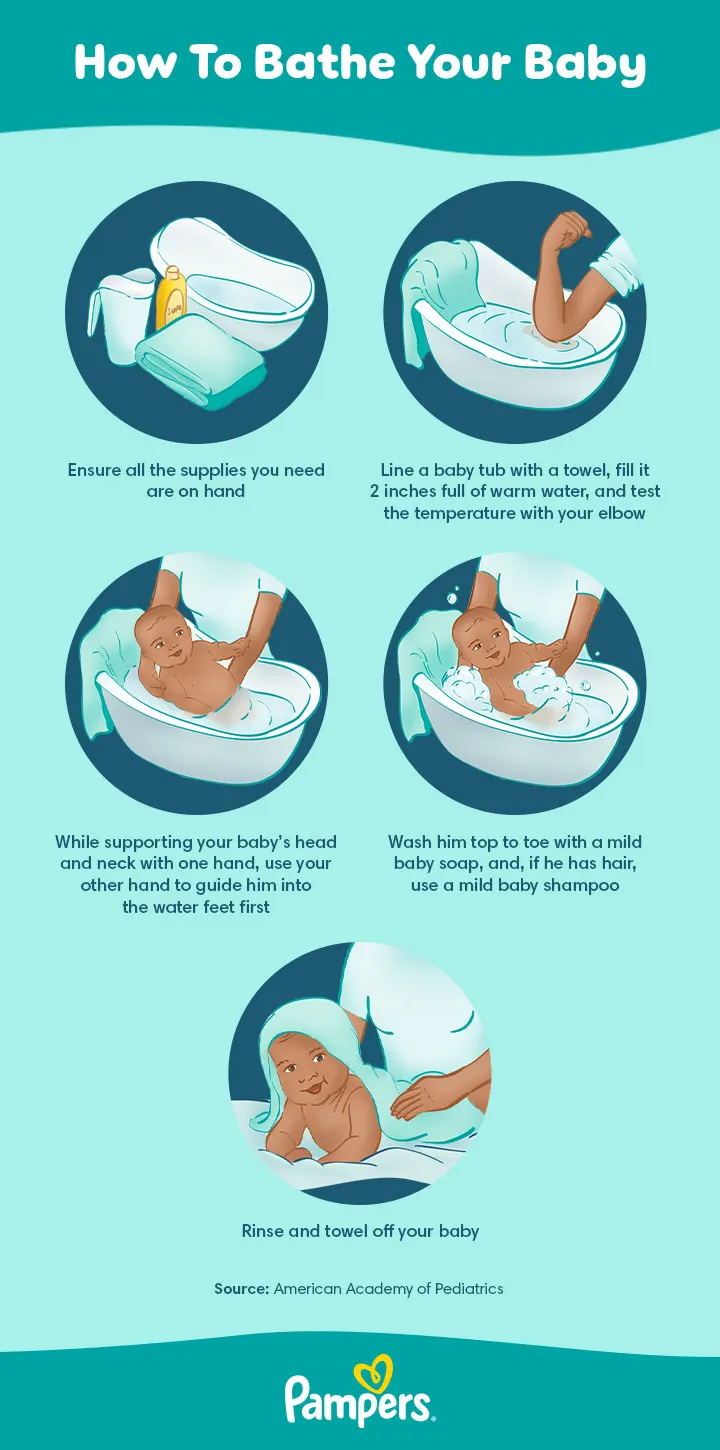
Always check the water temperature before placing your baby in the tub. The water should feel warm, not hot. Aim for about 37°C (98.6°F), which matches body temperature. Use your elbow or a bath thermometer to test the water.
Keep the water shallow. Just 2 to 3 inches is enough for a baby. Too much water can be dangerous. Never leave your baby alone in the bath, not even for a second.
Choosing Baby-friendly Products
Pick gentle soaps and shampoos made for babies. These products avoid harsh chemicals that may irritate baby’s skin. Look for labels saying “fragrance-free” or “hypoallergenic.”
Use only a small amount of product to avoid dryness. Rinse your baby well to remove all soap. This prevents itching and redness.
Bathing Environment Setup
Prepare the bathing area before starting. Have towels, clean clothes, and diapers within reach. This stops you from leaving your baby unattended.
Make sure the room is warm and draft-free. Babies can get cold quickly. Use a non-slip mat in the tub to prevent slipping.
Bathing Techniques For Different Ages
Bathing a baby requires different techniques at various ages. As babies grow, their needs change. Knowing how to bathe your baby safely helps keep them clean and comfortable. This section explains safe bathing steps for newborns and older infants.
Newborn Bathing Steps
Newborns need gentle care during baths. Use a small basin or baby bathtub with warm water. Test the water to make sure it is not hot. Hold your baby securely with one hand. Use a soft washcloth to clean their face first. Then, wash the rest of the body carefully. Avoid getting water in the baby’s eyes and ears. Keep baths short, about 5 to 10 minutes. Dry your baby well with a soft towel. Dress them in clean clothes right after.
Bathing Older Infants
Older infants can sit in a bigger tub. Fill the tub with just a few inches of warm water. Let your baby splash and play safely. Use mild baby soap for cleaning, but not too much. Wash hair gently with your fingers or a soft cloth. Always stay close and never leave your baby alone. Rinse off all soap completely to avoid irritation. After the bath, wrap your baby in a towel. Pat dry all over, especially skin folds.
Common Bathing Mistakes To Avoid
Bathing a baby seems simple but can have some common mistakes. These errors may harm the baby’s skin or cause discomfort. Knowing what to avoid helps keep your baby safe and happy during bath time.
Overbathing Risks
Bathing a baby too often can dry out their skin. Babies have delicate skin that loses moisture quickly. Too many baths remove natural oils that protect the skin. This can lead to irritation, redness, and itching. Bathing two or three times a week is usually enough for most babies.
Using Harsh Soaps
Harsh soaps can irritate a baby’s sensitive skin. They may cause dryness or allergic reactions. Always use mild, fragrance-free baby soaps. Look for products labeled “gentle” or “for sensitive skin.” Avoid adult soaps as they are too strong for babies.
Alternative Cleaning Methods
Bathing a baby every day is not always necessary. There are gentle ways to keep your baby clean between baths. These alternative methods help maintain hygiene without drying out your baby’s skin. They are easy and safe for newborns and older infants.
Sponge Baths
Sponge baths are a gentle way to clean your baby without full bathing. Use a soft, damp cloth with warm water. Focus on the face, neck, hands, and diaper area. Avoid getting water in the baby’s eyes or ears. This method is best for newborns or babies with sensitive skin. Sponge baths help keep your baby fresh without daily full baths.
Quick Freshening Between Baths
Quick freshening is a fast way to clean your baby on busy days. Use a moist washcloth or baby wipes made for sensitive skin. Wipe the baby’s face, neck folds, and diaper area gently. This helps remove sweat, milk, or dirt easily. Quick freshening prevents irritation and keeps your baby comfortable. It works well between sponge baths and regular baths.

When To Consult A Pediatrician
Babies have delicate skin that needs gentle care. Sometimes, bathing can cause problems. Knowing when to ask a doctor helps keep your baby safe. This section explains signs to watch for and when to see a pediatrician.
Skin Reactions
Redness, rash, or bumps after a bath need attention. These may show an allergy or irritation. If the skin is dry or peeling, check with a pediatrician. Do not ignore swelling or blisters. These symptoms can worsen without treatment.
Bathing-related Concerns
Fussiness or discomfort during or after baths could mean a problem. A baby who cries a lot may be in pain. Check if the water is too hot or cold. Persistent diaper rash or infections need medical advice. Always contact a doctor if you notice unusual changes after bathing.

Frequently Asked Questions
How Often Should Newborns Be Bathed?
Newborns only need 2-3 baths per week. Too much bathing can dry their delicate skin. Daily sponge baths are enough until the umbilical cord falls off.
Can I Bathe My Baby Every Day?
Daily baths are not necessary for babies. Bathing 2-3 times a week keeps them clean without drying skin. Use gentle cleansers and keep baths short.
What Is The Best Time To Bathe A Baby?
Bath your baby when they are calm and alert. Many parents choose evening baths to help soothe and relax babies before bedtime.
Should I Use Soap Every Bath For My Baby?
Use mild, fragrance-free soap sparingly. Too much soap can irritate your baby’s skin. Focus on cleaning the diaper area and folds.
Conclusion
Bathing your baby a few times a week keeps them clean and comfortable. Too much bathing can dry their delicate skin. Use gentle soap and warm water each time. Pay attention to your baby’s skin and needs. Every baby is different, so adjust as needed.
Keeping baths short and soothing helps your baby enjoy them. Regular baths support healthy skin and bonding moments. Trust your instincts and enjoy this special time together.


