Are you wondering how often your newborn should breastfeed? It’s one of the first questions every new parent asks.
Feeding your baby the right amount is key to their growth and your peace of mind. But with so much advice out there, it can be confusing to know what’s best. You’ll discover clear, simple guidance on how often your little one needs to breastfeed.
Keep reading to feel confident and connected as you nurture your baby’s health from day one.
Breastfeeding Frequency For Newborns
Breastfeeding frequency varies as newborns grow. Understanding how often a baby should nurse helps ensure they get enough milk. Newborns have tiny stomachs and need frequent feedings. Feeding often supports healthy weight gain and milk production. Let’s explore typical breastfeeding patterns in the first days and weeks.
First 24 Hours
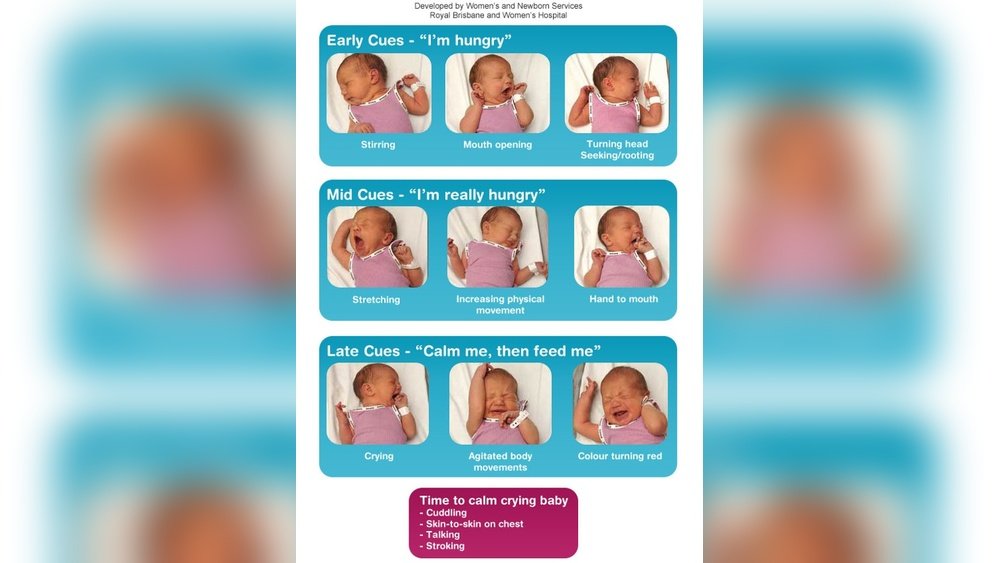
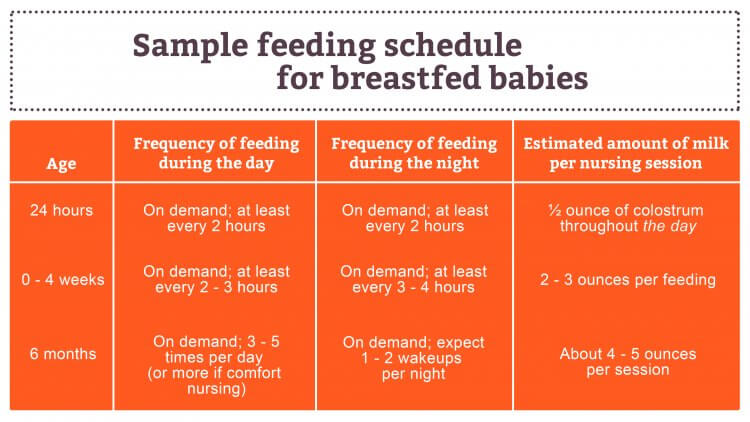
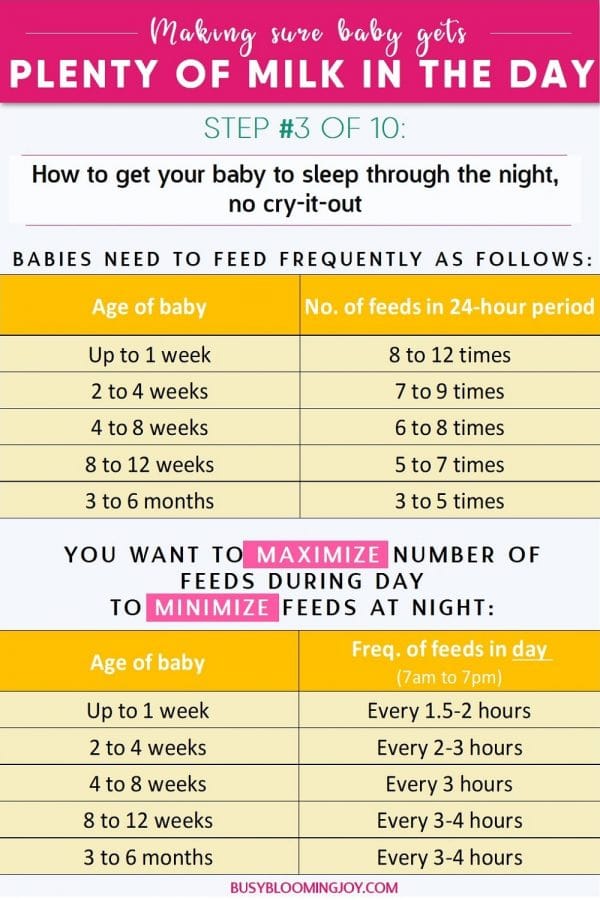
In the first day, newborns feed very often. They may nurse 8 to 12 times in 24 hours. Each feeding lasts about 10 to 15 minutes. The baby’s stomach is small, so frequent small meals are normal. Watch for hunger cues like sucking or rooting. Feeding on demand helps establish breastfeeding early.
Days 2 To 7
During this period, feedings remain frequent. Expect about 8 to 12 feedings each day. The baby’s milk intake slowly increases as milk supply grows. Feedings might last longer as the baby learns to nurse well. Cluster feeding, with several feeds close together, is common. This pattern helps boost milk supply and satisfies the baby’s hunger.
After The First Week
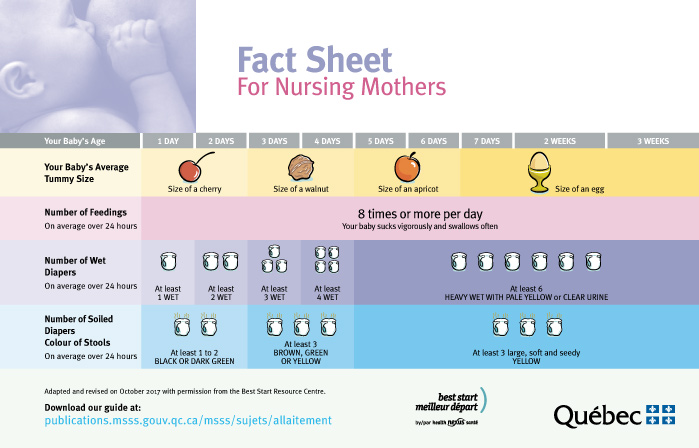
After week one, newborns often feed 7 to 9 times daily. Each feeding may take 15 to 20 minutes. The baby becomes more efficient at nursing. Feeding intervals might stretch to every 2 to 3 hours. Night feedings continue but may decrease slightly. Watch the baby’s weight and diaper output to ensure good feeding.
Signs Your Baby Is Getting Enough Milk
Knowing if your newborn is getting enough milk is very important for their health. Babies cannot tell us with words. Parents watch for signs to ensure feeding is going well. These signs help you feel confident your baby is well nourished.
Wet And Dirty Diapers
Count your baby’s diapers each day. At least six wet diapers show good hydration. Your baby’s pee should be light yellow. Dirty diapers show your baby digests milk well. Expect about three or more dirty diapers daily in the first weeks.
Baby’s Weight Gain
Weight gain is a key sign of enough milk. Newborns usually lose weight in the first days. Then, they should gain weight steadily. Your doctor tracks this at checkups. Healthy weight gain means your baby feeds well and grows strong.
Feeding Cues
Babies show when they are hungry or full. Watch for rooting or sucking motions. Crying is a late hunger sign. After feeding, your baby seems calm and satisfied. Regular feeding cues mean your baby gets enough milk.
Factors Influencing Feeding Frequency
Feeding frequency for newborns varies. Several factors influence how often a baby breastfeeds. Understanding these can help parents feed their baby well and feel confident.
Baby’s Age And Growth Spurts
Newborns feed often in the first weeks. Their tiny stomachs need frequent milk. Growth spurts make babies hungrier. During these times, feeding happens more often. This helps babies grow strong and healthy.
Mother’s Milk Supply
Milk supply affects feeding times. A good supply means the baby may feed less often. If milk flow is slow, the baby may want to nurse more. Milk supply can change daily. This influences how often feeding happens.
Baby’s Health And Temperament
Healthy babies feed regularly. Sick babies might eat less or more. Some babies are calm feeders. Others are fussy and want to nurse more. Each baby’s mood and health affect feeding frequency.
Common Breastfeeding Challenges
Breastfeeding can be a beautiful experience but it often comes with challenges. Many new mothers face common problems that affect how often their newborn feeds. Understanding these challenges helps mothers feel confident and support their baby better.
Some issues may make feeding harder or uncomfortable. Knowing what to expect can reduce stress and make breastfeeding easier for both mom and baby.
Latching Issues
Latching means how the baby attaches to the breast. A good latch is key to effective feeding. Some babies struggle to latch properly. This can cause pain for the mother and poor milk intake for the baby. Signs of a bad latch include nipple pain and fussiness during feeding. Mothers can try different positions or seek help from a lactation consultant.
Engorgement
Engorgement happens when breasts become very full and hard. This can make it difficult for the baby to latch. Breasts may feel swollen and painful. Feeding often helps soften the breasts. Using warm compresses before feeding can also ease discomfort. Expressing a little milk before feeding may make latching easier.
Low Milk Supply
Low milk supply worries many mothers. A newborn needs frequent feeding to get enough milk. Signs of low supply include fewer wet diapers and constant fussiness. Feeding on demand and ensuring a good latch can improve supply. Drinking water and resting well also support milk production. Consulting a healthcare provider is helpful if concerns continue.
Tips For Establishing A Feeding Routine
Establishing a feeding routine helps both baby and parent feel calm and confident. Newborns need frequent feeding for healthy growth. A good routine supports steady milk supply and helps baby feel secure.
Start by paying close attention to your baby’s needs. Small changes in routine are okay. Patience and flexibility make the process easier.
Responsive Feeding
Watch your baby for hunger signs like rooting or lip movements. Feeding on demand helps meet their needs. Avoid strict schedules at first. Let your baby guide feeding times and length. Responsive feeding helps build trust and comfort.
Keeping Track Of Feedings
Record each feeding time and duration. This helps ensure your baby eats enough. Tracking also shows feeding patterns and growth. Use a simple notebook or app. Consistent tracking supports better feeding decisions.
Seeking Support
Ask for help from nurses or lactation consultants. Experienced support offers valuable advice and reassurance. Join local or online groups for new parents. Sharing experiences reduces stress. Support makes feeding easier and more enjoyable.
Frequently Asked Questions
How Often Should A Newborn Breastfeed In 24 Hours?
Newborns typically breastfeed 8 to 12 times in 24 hours. Frequent feeding supports healthy growth and milk supply. Feeding on demand helps meet the baby’s nutritional needs effectively.
What Signs Show A Newborn Is Hungry For Breastfeeding?
Common hunger signs include rooting, sucking on hands, and lip smacking. Crying is a late hunger cue. Early feeding helps prevent fussiness and supports better feeding sessions.
How Long Should Each Breastfeeding Session Last For Newborns?
Each feeding session usually lasts 10 to 20 minutes per breast. Newborns feed until satisfied and slow down sucking. Allowing the baby to finish one breast ensures they get enough hindmilk.
Can Newborns Breastfeed Too Often Or Too Little?
Breastfeeding frequency varies, but 8-12 times daily is typical. Feeding too little may cause low weight gain. Overfeeding is rare and usually self-regulated by the baby’s cues.
Conclusion
Newborns need to breastfeed often to stay healthy and grow well. Feeding every two to three hours helps meet their needs. Watch your baby’s hunger cues to know when to feed. Each baby is different, so stay patient and flexible.
Trust your body and your baby’s signals. Regular feeding builds a strong bond and supports good nutrition. Keep calm, stay consistent, and ask for help if unsure. Your care makes a big difference in your baby’s start.