Your newborn’s smile is one of the sweetest things you’ll ever see. But did you know that taking care of their gums now can set the foundation for healthy teeth later?
You might wonder how to care for gums that don’t even have teeth yet. The truth is, simple steps you take today can prevent discomfort and dental issues down the road. Keep reading to discover easy, effective tips that will help you protect your baby’s gums and ensure their smile stays bright from the very start.

Why Gum Care Matters
Taking care of a newborn’s gums is important from the start. Healthy gums are the foundation for strong teeth. Early gum care helps avoid pain and infections. It also supports proper eating and speech development. Parents who clean their baby’s gums gently set good habits early. This simple care can lead to a lifetime of healthy smiles.
Role Of Healthy Gums In Baby’s Growth
Healthy gums protect new teeth as they grow. They keep the mouth clean and free from germs. Strong gums help babies chew food properly. This aids in good digestion and nutrition. Good gum health supports clear speech later on. It also reduces discomfort during teething. Healthy gums create a safe space for teeth to come in.
Common Gum Issues In Newborns
Newborns may face several gum problems. Swollen or red gums can signal irritation. White patches might mean a yeast infection called thrush. Some babies develop small cysts on their gums. These cysts usually disappear on their own. Teething can cause soreness and fussiness. Watching for these signs helps parents act early. Early care reduces pain and prevents bigger problems.
.jpg?updatedAt=1696070546140)
Safe Cleaning Techniques
Keeping your newborn’s gums clean is very important. Safe cleaning helps keep their mouth healthy. It also feels gentle and soothing for your baby. Using the right techniques protects their soft gums from harm. Here are simple and safe ways to clean your baby’s gums.
Using A Soft Cloth Or Gauze
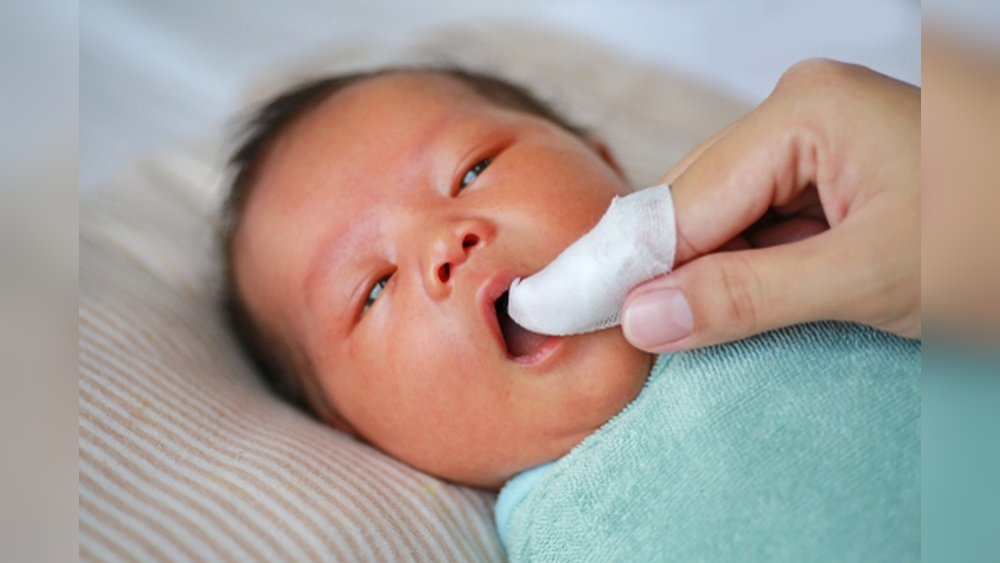
Choose a soft, clean cloth or gauze. Wrap it around your finger. Moisten it with warm water. Gently wipe your baby’s gums and tongue. This removes milk residue and bacteria. Do this after each feeding. It feels soft and does not hurt the baby. Avoid using rough materials or brushes at this stage.
Avoiding Harmful Substances
Do not use toothpaste or soap on newborn gums. These can irritate the delicate skin. Avoid alcohol-based mouthwashes or any harsh chemicals. Stick to plain water or a small amount of saline solution. Keep cleaning tools clean and dry when not in use. This prevents the growth of germs that can harm your baby’s mouth.
Establishing A Routine
Starting a gum care routine early helps protect your newborn’s mouth. Healthy gums are the base for strong teeth later on. Creating a simple cleaning habit builds comfort for your baby. Consistency makes this part of daily care easy and natural.
When To Start Cleaning Gums
Begin cleaning your baby’s gums soon after birth. Use a soft, damp cloth or a special gum wipe. Gently wipe the gums once a day to remove milk residue. This practice reduces bacteria and keeps the mouth fresh. Early care prepares your baby for brushing teeth later.
Frequency And Timing Tips
Clean your baby’s gums once every day. Choose a time when your baby feels calm. Many parents prefer after feeding or before bedtime. Keep sessions short and gentle to avoid fussiness. A regular schedule helps your baby get used to the routine.
Soothing Sore Gums
Sore gums are common in newborns as their teeth begin to grow. This discomfort can make babies fussy and restless. Helping soothe their gums brings relief and comfort. Gentle care supports healthy gum development. Simple methods can ease pain without harsh medicines.
Natural Remedies For Comfort
Cold works well to calm swollen gums. Try a clean, damp washcloth chilled in the fridge. Let the baby chew or suck on it safely. Chamomile tea bags, cooled and moist, can also soothe gums. Rubbing the gums gently with a clean finger can help. Always keep hands clean to avoid infection. Avoid using any creams or gels without doctor advice.
When To Use Teething Toys
Teething toys offer safe relief for sore gums. Choose toys made of soft, BPA-free materials. Cool the toys in the fridge before use, but never freeze them. Let the baby chew or bite the toy to ease pain. Watch the baby closely to avoid choking. Replace toys if they break or wear out. Use teething toys as part of a daily comfort routine.
Diet And Gum Health
Diet plays a key role in keeping a newborn’s gums healthy. Good nutrition helps gums stay strong and ready for teeth. The right foods support the growth of healthy cells in the mouth. They also help prevent infections and irritation in the gums. Feeding choices influence gum health from the very start.
Breastfeeding Benefits
Breastfeeding offers many benefits for gum health. Breast milk contains nutrients that support gum development. It has antibodies that protect against infections. The sucking motion during breastfeeding helps strengthen jaw muscles. This action promotes healthy gum tissue growth. Breastfeeding also reduces the risk of early gum problems.
Foods To Introduce Later
As babies grow, solid foods become part of their diet. Soft fruits and vegetables like bananas and cooked carrots are good first choices. These foods provide vitamins that nourish gums. Avoid sugary snacks that can harm gums and teeth. Offer water after meals to keep the mouth clean. Careful food choices help maintain strong, healthy gums.

Signs To Watch For
Newborn gum care is important for healthy teeth later. Parents must watch for early signs of problems. Early detection helps avoid pain and bigger issues. Some signs are easy to spot. Others need careful attention.
Indicators Of Gum Infection
Red or swollen gums can mean infection. Gums that bleed when touched need care. White or yellow spots may appear on gums. Baby may be fussy or refuse feeding. Bad smell or taste can come from the mouth. Warmth around the gums shows inflammation.
When To See A Pediatric Dentist
Visit a dentist if infection signs appear. If baby shows pain or swelling, get help. Persistent bleeding in the gums needs attention. When baby has trouble eating or sleeping, consult a doctor. Early dental visits help prevent future problems. Regular check-ups keep gums and teeth healthy.
Preventing Future Dental Issues
Taking care of your newborn’s gums is the first step in preventing dental problems later. Healthy gums support strong teeth and a happy smile. Early attention helps avoid pain and costly treatments in the future.
Early Dental Visits
Schedule the first dental visit by your baby’s first birthday. The dentist checks gum health and growth progress. This visit teaches parents how to clean gums properly. Early visits make children comfortable with the dentist. They also spot problems before they get worse.
Building Healthy Oral Habits
Start cleaning your baby’s gums daily with a soft cloth. Avoid sugary drinks that cause tooth decay. Teach gentle brushing as soon as teeth appear. Make brushing a fun, regular routine. Healthy habits now lead to strong teeth later.
Frequently Asked Questions
How Do I Clean My Newborn’s Gums Safely?
Use a soft, damp cloth or gauze to gently wipe your newborn’s gums. Do this twice daily to remove bacteria and milk residue. Avoid using toothpaste until teeth appear. This helps maintain oral hygiene and prepares gums for healthy tooth growth.
When Should I Start Gum Care For My Baby?
Begin gum care from birth, even before teeth emerge. Cleaning gums prevents bacteria buildup and promotes healthy oral development. Early care establishes good habits and reduces the risk of dental problems later.
What Signs Indicate Gum Problems In Newborns?
Look for redness, swelling, or white patches on your baby’s gums. Excessive drooling and fussiness during feeding may also signal discomfort. If you notice these signs, consult a pediatric dentist promptly.
Can Breastfeeding Affect Newborn Gum Health?
Yes, breastfeeding helps protect gums by supplying antibodies that fight bacteria. However, ensure proper latch and clean gums after feeding to prevent milk residue buildup and potential gum issues.
Conclusion
Healthy gums help your baby grow strong teeth. Clean gums gently every day with a soft cloth. Avoid sugary drinks and keep feeding tools clean. Regular check-ups with the pediatric dentist are important. Start good gum care early to prevent problems later.
Small steps now bring big benefits in the future. Care and patience make a big difference for your newborn’s smile. Keep these habits simple and steady for best results. Your baby deserves a healthy, happy mouth.