When it comes to feeding your baby, safety is your top priority. Preparing formula might seem simple, but a small mistake can affect your baby’s health.
Are you sure you’re doing it the right way every time? You’ll discover easy and effective formula preparation safety tips that protect your little one. Keep reading to make sure your baby gets the best start with every bottle you prepare.
Choosing The Right Formula
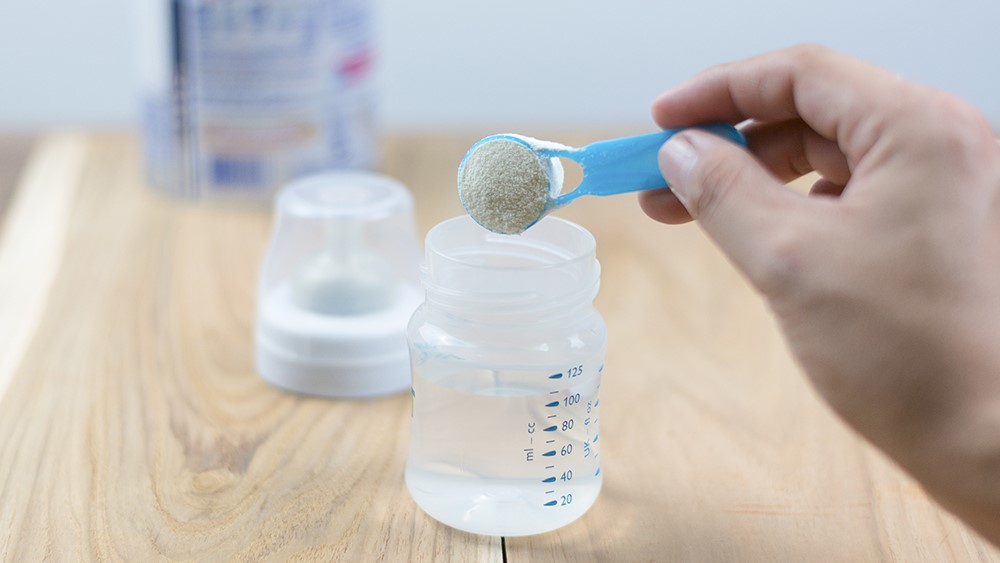
Choosing the right formula is important for your baby’s health and growth. Each baby has unique needs. Picking the best formula helps ensure they get proper nutrition. Careful selection can prevent allergies and digestion problems. Understanding different formulas and safety tips makes feeding easier and safer.
Types Of Infant Formula
Infant formulas come in various types to meet different needs. Cow’s milk-based formula is the most common choice. It is easy to digest and suits most babies. Soy-based formula is for babies with milk allergies or lactose intolerance. Hypoallergenic formula helps babies with sensitive stomachs or allergies. Specialized formulas support premature or sick infants. Choose a type that matches your baby’s health.
Checking Expiration Dates
Always check the expiration date before buying or using formula. Expired formula can lose nutrients and harm your baby. Store formula in a cool, dry place to keep it fresh. Avoid using formula past its expiration date or after opening for long periods. Proper storage and timely use keep your baby safe and healthy.
Consulting Pediatricians
Speak with a pediatrician before starting a new formula. Doctors can recommend the best formula for your baby’s needs. They help identify allergies or special dietary requirements. Follow your pediatrician’s advice to avoid feeding problems. Regular check-ups ensure your baby is growing well with the chosen formula.
Sanitizing Feeding Equipment
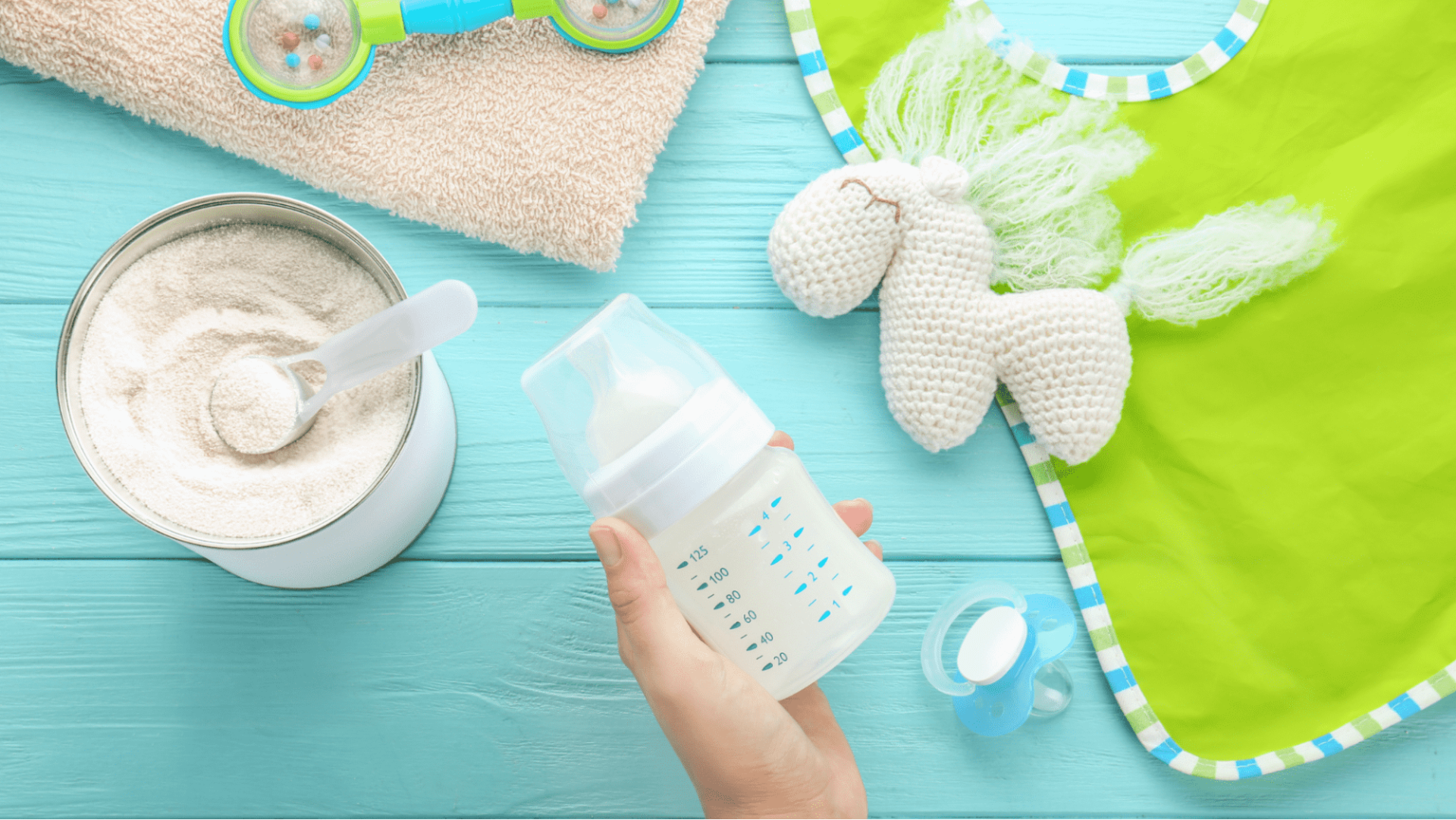
Sanitizing feeding equipment is important for your baby’s health. Proper cleaning stops germs from growing. It keeps feeding safe and prevents infections. Follow steps carefully to protect your little one.
Cleaning Bottles And Nipples
Wash bottles and nipples right after feeding. Use warm water and mild soap. Scrub inside with a bottle brush. Pay close attention to small parts and crevices. Rinse well to remove all soap. Clean parts dry quickly to avoid germs.
Sterilization Methods
Sterilize bottles and nipples daily for best safety. Boiling in water for five minutes works well. Use electric steam sterilizers for quick, easy cleaning. Cold water sterilizing tablets are a good option. Follow instructions exactly for each method. Sterilization kills harmful bacteria and viruses.
Storage Of Cleaned Items
Store cleaned bottles and nipples in a clean, dry place. Use a covered container to keep dust out. Avoid touching inside parts with your hands. Keep items separate from other kitchen tools. Replace bottles and nipples if they show damage. Clean storage helps keep feeding safe longer.
Preparing Formula Safely
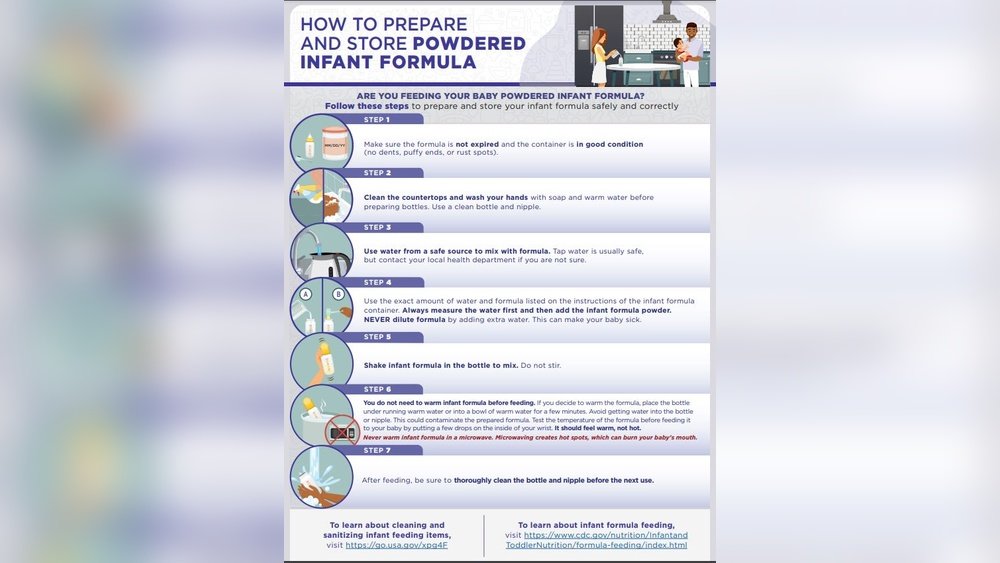
Preparing baby formula safely is very important for your child’s health. Proper steps help avoid germs and keep the formula nutritious. Follow simple rules to prepare formula safely every time.
Using Safe Water Sources
Use clean, safe water to make formula. Tap water must be boiled and cooled before use. Bottled water is a good option if it is safe and clean. Avoid using water from unknown or untreated sources. Safe water prevents harmful bacteria from growing in the formula.
Correct Mixing Techniques
Follow the instructions on the formula package exactly. Measure powder and water carefully using clean utensils. Mix the formula well until the powder dissolves completely. Stirring gently avoids bubbles and keeps the mixture smooth. Proper mixing ensures your baby gets the right nutrients.
Avoiding Over-dilution
Do not add extra water to the formula. Over-diluting reduces nutrients and can harm your baby. Measure water and powder precisely to keep the right balance. Too much water can cause stomach problems and poor growth. Keep the formula strong and safe by mixing correctly.
Storing Prepared Formula
Storing prepared formula correctly keeps your baby safe and healthy. Proper storage stops bacteria growth and keeps the formula fresh. Follow clear rules to protect your baby’s food from germs and spoilage.
Refrigeration Guidelines
Store prepared formula in the refrigerator at 4°C (39°F) or lower. Use a clean, sealed container to prevent contamination. Keep formula away from the fridge door to avoid temperature changes. Always cool formula quickly before refrigerating. Never put warm formula directly in the fridge.
Time Limits For Use
Use prepared formula within 24 hours if refrigerated. Discard any formula left out for more than 2 hours. Never reuse leftover formula from a feeding. Fresh formula ensures your baby gets safe and healthy nutrition. Timely use stops bacteria from growing.
Avoiding Cross-contamination
Wash hands before handling formula or bottles. Clean bottles and nipples thoroughly after each use. Use separate utensils for formula preparation only. Avoid touching bottle openings or inside lids. Store formula away from raw foods to prevent germs.
Feeding Practices
Feeding your baby with formula requires careful attention. Safe feeding practices help keep your baby healthy. This section covers key tips to follow during feeding. Focus on how you handle bottles, watch your baby’s intake, and spot any allergy signs early.
Proper Bottle Handling
Always wash your hands before touching bottles. Use clean bottles and nipples for every feeding. Check the bottle temperature before feeding. Warm it by placing it in warm water. Avoid using a microwave to heat formula. Shake the bottle gently to mix formula well. Do not reuse leftover formula from previous feedings.
Monitoring Baby’s Intake
Track how much your baby drinks at each feeding. Note the number of feedings per day. Watch for signs your baby is full or still hungry. Do not force your baby to finish the bottle. Babies know when they need more or less. Keep feeding times calm and quiet for better focus.
Recognizing Signs Of Allergies
Look for rashes or redness around the mouth. Notice if your baby has vomiting or diarrhea after feeding. Watch for unusual fussiness or breathing problems. Swelling of the face or lips needs immediate care. Contact your doctor if you see any allergy signs. Early detection helps prevent serious problems.
Travel And On-the-go Tips
Traveling with a baby who needs formula can feel tricky. Keeping formula safe and clean on the go needs some planning. Small steps can help you prepare and feed your baby easily anywhere.
Transporting Formula Safely
Keep formula powder in a clean, sealed container. Use a cooler bag with ice packs for pre-made formula. Avoid leaving formula in hot cars or direct sunlight. Check expiration dates before packing formula. Carry extra formula in case of delays or spills.
Preparing Formula While Traveling
Use bottled water from trusted sources for mixing formula. Boil water if you are unsure about water quality. Measure formula powder carefully using a clean scoop. Prepare formula right before feeding to keep it fresh. Discard any unused formula after feeding to avoid bacteria growth.
Keeping Equipment Clean Outside Home
Bring a small bottle brush and soap for cleaning bottles. Use portable sterilizers or boiling water to clean nipples and bottles. Rinse equipment with clean water after washing. Store clean bottles in a sealed bag to keep them germ-free. Always wash hands before handling formula or feeding gear.
Frequently Asked Questions
How Do I Ensure Formula Is Prepared Safely?
Always wash your hands and sterilize bottles before preparation. Use clean, boiled water cooled to the right temperature. Follow the formula instructions exactly to avoid contamination or incorrect nutrition.
What Water Type Is Best For Formula Preparation?
Use freshly boiled tap or filtered water, then cool it. Avoid using untreated or bottled mineral water to prevent health risks. Proper water ensures the formula mixes well and stays safe for your baby.
How Long Can Prepared Formula Be Stored?
Prepared formula should be used within two hours at room temperature. If refrigerated, use it within 24 hours. Discard any formula left after feeding to prevent bacterial growth and keep your baby safe.
Can I Microwave Formula For Warming?
Microwaving is not recommended as it heats unevenly, causing hot spots. Instead, warm the formula by placing the bottle in warm water. This method ensures safe, even warming without harming nutrients.
Conclusion
Preparing formula safely protects your baby’s health every time. Clean hands and bottles prevent harmful germs. Use fresh water and the right measurements each time. Store prepared formula properly to avoid spoilage. Follow these simple steps to keep your baby safe.
Small habits make a big difference in feeding safety. Stay careful, stay confident, and nourish your little one well.