If your newborn struggles with reflux, feeding time can feel stressful and overwhelming. You want to comfort your baby and make sure they get the nutrition they need, but the constant spitting up and discomfort can leave you unsure of what to do next.
The good news is, there are simple, practical ways you can ease your baby’s reflux while feeding. You’ll discover easy tips and gentle techniques that can make feeding smoother for both you and your little one. Keep reading to learn how to turn feeding time into a more peaceful, happy experience for your baby.
Recognizing Reflux Symptoms
Recognizing reflux symptoms in newborns is important for parents. It helps in managing feeding and keeping the baby comfortable. Reflux happens when stomach contents flow back into the esophagus. This can cause discomfort and fussiness during or after feeding. Spotting the signs early can make a big difference.
Common Signs In Newborns
Many newborns spit up, but reflux has specific signs. Watch for frequent spitting up or vomiting after meals. Babies may cry a lot or seem very fussy. Refusal to eat or pulling away from the bottle also signals trouble. Some babies cough, hiccup, or gag during feeding. Poor weight gain or trouble sleeping can be related to reflux.
When To Seek Medical Advice
Seek medical advice if the baby has trouble breathing or choking. Blood in spit-up or vomit needs immediate attention. If the baby is not gaining weight or is very irritable, talk to a doctor. Frequent vomiting or signs of dehydration also require care. A doctor can guide on safe feeding methods and treatments.

Choosing The Right Feeding Position
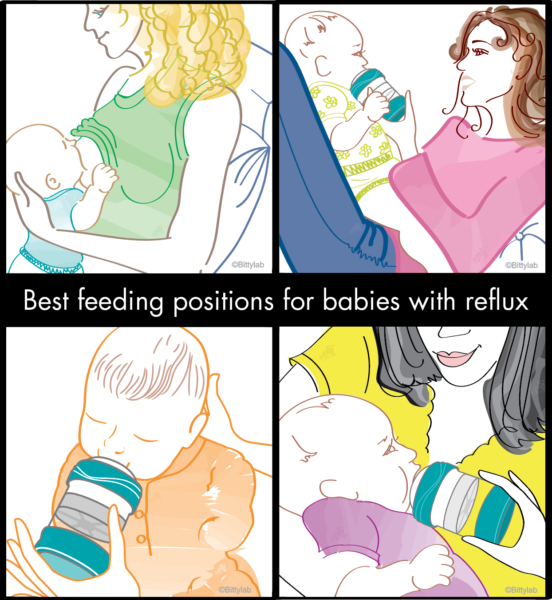
Choosing the right feeding position helps reduce reflux in newborns. It supports digestion and makes feeding more comfortable. Proper positioning also lowers spit-up and fussiness after feeds.
Upright Holds
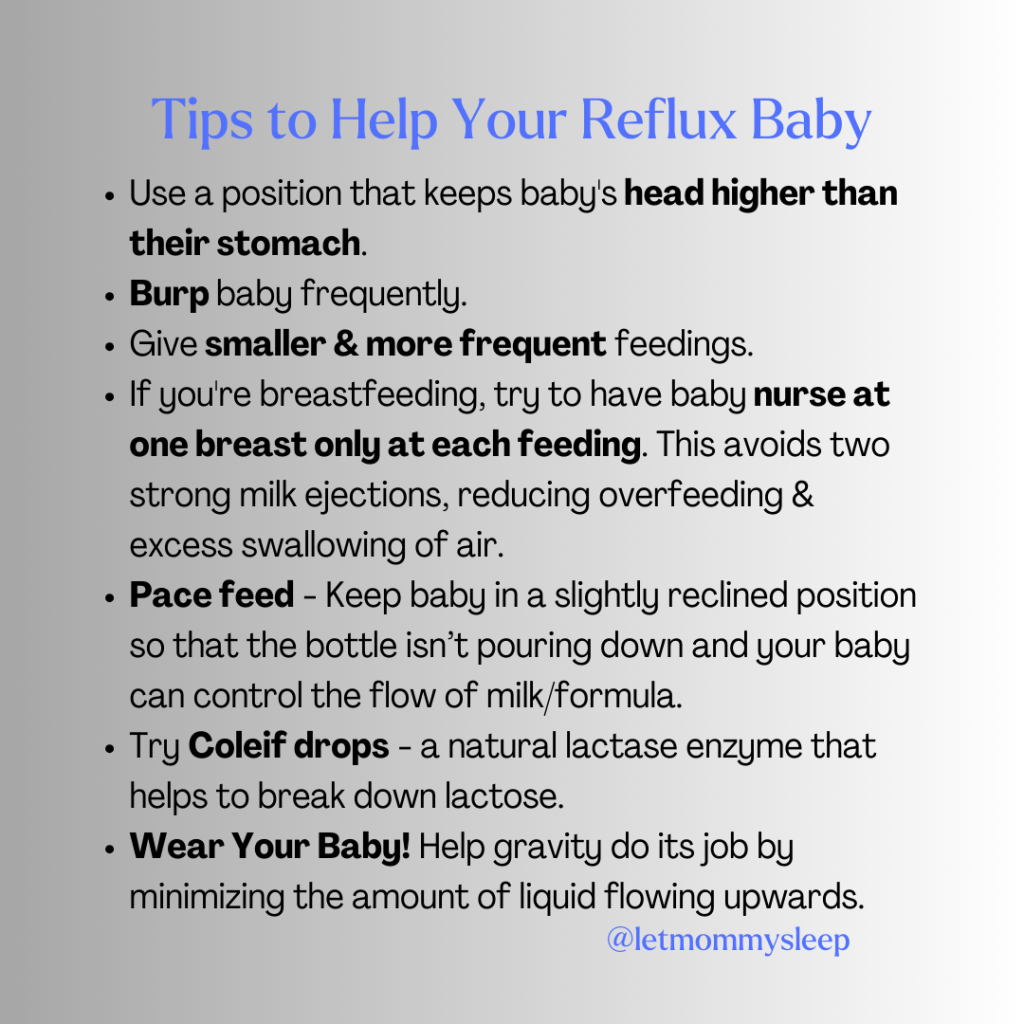
Holding your baby upright during feeding helps keep stomach acid down. This position uses gravity to keep milk in the stomach. Hold your baby close, supporting the head and neck well. Keep the baby at a 45 to 60-degree angle. Upright holds work for both breastfeeding and bottle feeding. Try to keep your baby in this position during and after feeding.
Inclined Sleeping Arrangements
After feeding, keep your baby slightly inclined to ease reflux. Use a safe inclined surface for naps, not just flat bedding. A small incline helps keep the stomach lower than the esophagus. Avoid placing soft pillows or blankets near the baby. Always follow safe sleep guidelines while using inclined arrangements. This position supports digestion and reduces discomfort from reflux symptoms.
Feeding Techniques To Reduce Discomfort
Feeding a newborn with reflux needs special care. Certain feeding methods can help reduce the baby’s discomfort. These techniques focus on easing digestion and lowering spit-up. Careful feeding helps your baby feel calmer and happier.
Smaller, Frequent Meals
Feed your baby smaller amounts more often. Large meals can fill the stomach too much. This increases pressure and causes reflux. Frequent meals keep the stomach from getting too full. It also helps the baby digest food better. Try offering milk every two to three hours. This keeps the baby satisfied without overloading their tummy.
Pacing And Burping Strategies
Slow down the feeding pace to avoid swallowing air. Feeding too fast can cause gas and spit-up. Use a bottle with a slow flow nipple if bottle-feeding. Take breaks during feeding to let the baby swallow calmly. Burp your baby several times during and after feeding. Gentle burping helps release trapped air. It reduces pressure in the stomach and lessens reflux symptoms.
Selecting Suitable Feeding Equipment
Selecting the right feeding equipment helps reduce reflux in newborns. The right bottle and nipple can make feeding calmer. This means less spitting up and more comfort for your baby. Choosing equipment that controls air flow helps prevent gas and fussiness. Proper feeding tools support better digestion and a happier baby.
Anti-colic Bottles
Anti-colic bottles are designed to reduce air intake. They have special vents or valves to stop bubbles. Less air means less gas and discomfort for your baby. These bottles help your newborn feed more smoothly. Many parents find anti-colic bottles lower spit-up and fussiness.
Nipple Flow Considerations
Nipple flow speed is very important for babies with reflux. A slow flow nipple lets milk come out gently. Fast flow can cause choking and more spit-up. Choose nipples labeled “slow flow” or “newborn.” Watch your baby’s cues during feeding. Change nipple flow if your baby coughs or chokes.
Diet Adjustments For Breastfeeding Mothers
Adjusting a breastfeeding mother’s diet can help reduce reflux symptoms in newborns. Certain foods in breast milk may irritate a baby’s stomach. Careful changes in diet can ease the baby’s discomfort. This section guides you through identifying trigger foods and maintaining good nutrition during this period.
Identifying Trigger Foods
Some foods may cause more reflux in babies. Common triggers include spicy foods, caffeine, and dairy products. Keep a food diary to track what you eat and your baby’s reactions. Remove one suspected food at a time to see if symptoms improve. This method helps find which foods may affect your baby.
Nutritional Support
Cutting out certain foods can limit nutrients. Focus on eating a balanced diet with fruits, vegetables, and whole grains. Include lean proteins like chicken, fish, and beans. Drink plenty of water to stay hydrated. Consult a healthcare provider to ensure you and your baby get enough vitamins and minerals.
When And How To Use Medication
Feeding a newborn with reflux can be challenging. Sometimes, medication helps ease the discomfort and prevent complications. Knowing when and how to use medicine is important for your baby’s health.
Common Remedies
Several medications treat infant reflux safely. Antacids reduce stomach acid and soothe the esophagus. H2 blockers lower acid production in the stomach. Proton pump inhibitors also decrease acid and help heal irritation. These medicines come in liquid form for easy dosing.
Doctors prescribe medication only if feeding changes and positioning do not help. The goal is to reduce pain and prevent feeding problems. Medicine use is usually short-term, carefully monitored by healthcare providers.
Consulting Healthcare Providers
Always talk to a doctor before giving medicine to your baby. They diagnose reflux based on symptoms and tests. The doctor chooses the best medication and dose for your baby.
Follow the instructions carefully. Watch for side effects like diarrhea or rash. Regular check-ups ensure the medication works well and your baby grows healthy.
Soothing Techniques Beyond Feeding
Feeding a newborn with reflux can be challenging. Sometimes, feeding alone does not ease discomfort. Soothing techniques beyond feeding help calm your baby. They support digestion and reduce fussiness. These gentle approaches bring comfort and peace.
Gentle Motions And Swaddling
Soft rocking or swaying soothes a baby with reflux. Slow, gentle motions mimic the womb’s calming rhythm. Swaddling wraps your baby snugly, offering warmth and security. It helps reduce startling and crying. Use a light, breathable blanket for swaddling. These methods create a safe, cozy feeling.
Creating A Calm Environment
Bright lights and loud noises can upset a baby with reflux. Keep the room quiet and dim during soothing times. Soft sounds like white noise or lullabies calm the senses. A calm environment lowers stress and helps digestion. Avoid sudden movements and distractions around your newborn. Peaceful surroundings make your baby feel secure and relaxed.
Monitoring Growth And Development
Monitoring growth and development is very important for newborns with reflux. It helps ensure the baby is healthy and thriving. Careful observation shows if feeding methods work well. Parents and caregivers can spot early signs that need attention. This part of care supports a baby’s overall well-being.
Tracking Weight Gain
Weight gain is a key sign of good health in babies. Weigh your baby regularly as advised by the doctor. Keep a record of the numbers to watch for steady progress. Sudden weight loss or no gain may need medical advice. Proper nutrition helps improve weight and reduces reflux symptoms.
Recognizing Improvement Signs
Look for fewer spit-ups and less fussiness during feeding. A calm baby after meals shows feeding is easier. More sleep and better feeding habits also signal improvement. These signs suggest the reflux is getting better. Note all changes and discuss them with your healthcare provider.
Frequently Asked Questions
What Causes Reflux In Newborn Babies?
Reflux in newborns occurs when stomach contents flow back into the esophagus. It’s usually due to an immature lower esophageal sphincter. This muscle is weak in infants, causing spit-up and discomfort. Reflux is common and often improves as the baby grows.
How Can I Feed A Newborn With Reflux Safely?
Feed your newborn slowly and in an upright position. Use smaller, frequent feedings to reduce stomach pressure. Burp your baby often to release air. Avoid overfeeding and keep your baby upright for 20-30 minutes after feeding to minimize reflux symptoms.
What Foods Should I Avoid If Breastfeeding A Baby With Reflux?
Avoid dairy, caffeine, spicy foods, and acidic fruits if breastfeeding. These can worsen your baby’s reflux symptoms. Monitor your baby’s reaction after you eat certain foods. Eliminate potential triggers gradually to see if reflux improves.
When Should I Consult A Doctor About My Baby’s Reflux?
See a doctor if your baby has poor weight gain, severe vomiting, or breathing issues. Also consult if reflux causes extreme irritability or feeding refusal. Persistent or worsening symptoms need medical evaluation to rule out other conditions.
Conclusion
Feeding a newborn with reflux needs patience and care. Small, frequent feeds help reduce discomfort. Hold your baby upright during and after feeding. Watch for signs of distress or choking. Keep a feeding diary to track what works best. Consult your pediatrician if reflux symptoms persist or worsen.
Remember, each baby is different and may need unique care. With gentle feeding and attention, your baby can feel better soon. Stay calm and trust your instincts as a parent.