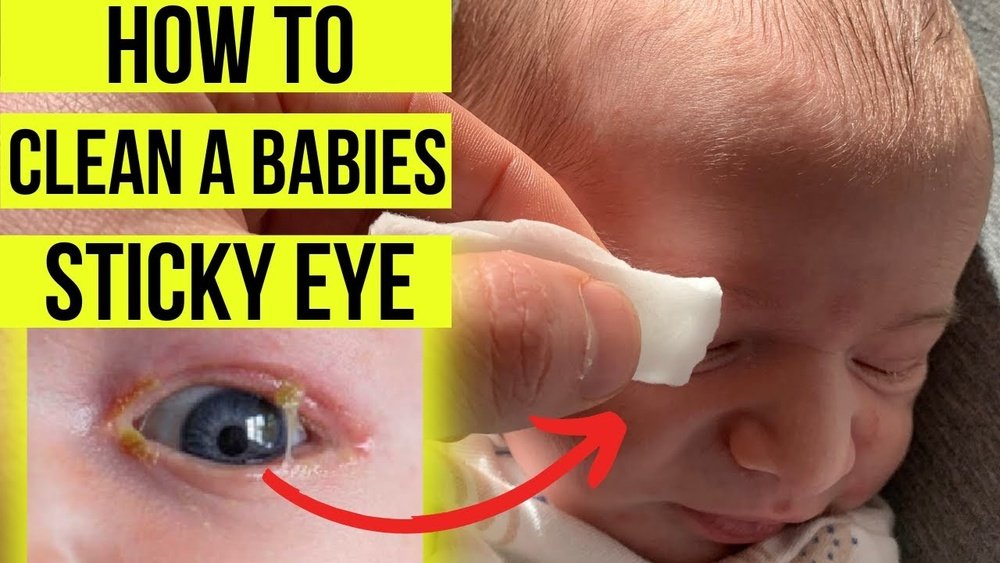
If you’ve noticed your newborn’s eyes watering or sticky when they wake up, you might be wondering if it’s something serious. Eye discharge in newborns is quite common, but it can be confusing and worrying for you as a parent.
Understanding what causes this discharge and when it needs attention can give you peace of mind and help you care for your baby better. Keep reading to learn the key signs to watch for and simple steps you can take to keep your little one comfortable and safe.
Common Causes Of Eye Discharge
Eye discharge in newborns is a common concern for many parents. It often signals a minor issue but can sometimes indicate an infection. Understanding the common causes helps in managing the condition effectively. Here are the main reasons why a newborn might have eye discharge.
Blocked Tear Ducts
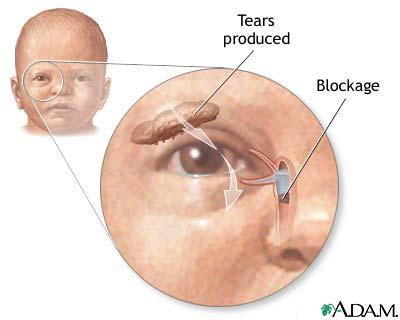
Blocked tear ducts are the most common cause of eye discharge in newborns. These ducts help drain tears from the eye into the nose. If blocked, tears build up and cause a sticky, yellowish discharge. This condition usually clears up as the ducts open naturally.
Neonatal Conjunctivitis
Neonatal conjunctivitis is an eye inflammation that affects newborns. It can cause redness, swelling, and discharge. This condition may result from bacteria or viruses passed during birth. Early treatment is important to prevent complications.
Eye Infections
Eye infections can cause thick or greenish discharge in newborns. Bacterial infections are common and need medical care. Keeping the eye clean helps reduce the risk of infection spreading.
Allergic Reactions
Allergic reactions can cause watery or mucus-like discharge in babies’ eyes. Dust, pollen, or pet dander might trigger allergies. Avoiding irritants can help reduce symptoms and keep the eyes comfortable.

Recognizing Symptoms
Recognizing symptoms of eye discharge in newborns is important for early care. Parents should watch closely for signs that may indicate infection or other issues. Detecting changes early helps in seeking timely medical advice. Understanding what to look for can ease worries and ensure the baby’s comfort.
Color And Consistency Of Discharge
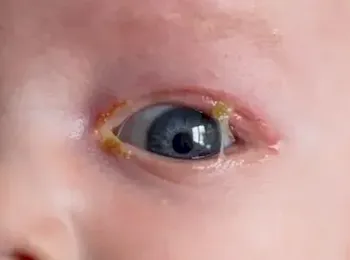
Normal eye discharge in newborns is usually clear or slightly yellow. Thick, green, or white pus-like discharge can signal infection. Sticky or crusty discharge that builds up after sleep is common but needs attention if persistent. Watery discharge alone often means irritation or allergies.
Associated Redness And Swelling
Redness around the eyes can mean irritation or infection. Swollen eyelids may appear puffy and tender to touch. Mild redness is common from birth but should fade quickly. Noticeable swelling combined with discharge needs prompt care.
Frequency And Duration
Occasional eye discharge right after birth is normal. Discharge that lasts more than a week requires evaluation. Frequent discharge throughout the day may point to blocked tear ducts or infection. Watch for increasing frequency or worsening symptoms.
Other Related Signs
Crusting around the eyelashes or eyelids often comes with discharge. The baby may rub or keep the eye closed due to discomfort. Excessive tearing or sensitivity to light can also occur. Fever or irritability with eye symptoms should prompt urgent medical check.
When To Seek Medical Help
Eye discharge in newborns can be common and often harmless. Still, some signs require quick medical attention. Knowing when to seek help protects your baby’s health and vision. Watch closely for changes in discharge or behavior.
Persistent Discharge
Discharge that lasts more than a week needs a doctor’s check. It may show an infection or blocked tear duct. A doctor can recommend proper treatment to ease discomfort and prevent problems.
Fever Or Irritability
Fever or unusual fussiness with eye discharge signals a possible infection. These symptoms need prompt medical evaluation. Early care can avoid complications and help your baby feel better.
Vision Concerns
Any change in your baby’s eye appearance or sight is important. Cloudy eyes, swelling, or difficulty opening eyes require a doctor’s visit. Protect your baby’s vision by seeking care quickly.
Signs Of Infection
Redness, swelling, or yellow-green pus may mean an infection. Infection can spread or worsen without treatment. Medical advice ensures the right care and prevents serious issues.
Home Care Tips
Newborns often have eye discharge due to blocked tear ducts. Gently cleaning with a warm, damp cloth helps keep their eyes clear and comfortable. Watch for redness or swelling, which may need a doctor’s advice.
Eye discharge in newborns is common and usually not serious. Proper home care helps soothe your baby’s eyes. It also prevents infections from spreading or getting worse. Simple steps can make a big difference in comfort and healing.
Gentle Cleaning Techniques
Use a soft, clean cloth or cotton ball for cleaning. Dampen it with warm water before wiping. Always wipe from the inner corner to the outer corner. Use a new cloth or cotton ball for each wipe. Avoid rubbing the eyes harshly to prevent irritation.
Warm Compress Application
Apply a warm compress to the affected eye for a few minutes. Use a clean washcloth soaked in warm water. Gently place it on the closed eyelid to soften crusts. Repeat this process several times a day. Warm compresses help loosen discharge and ease discomfort.
Maintaining Hygiene
Wash your hands thoroughly before and after touching your baby’s eyes. Keep your baby’s face clean and dry. Change bedding and clothes often to reduce germs. Avoid sharing towels or washcloths with others. Clean toys regularly to prevent bacteria buildup.
Avoiding Irritants
Keep your baby away from smoke and strong smells. Avoid exposure to dust and pet dander. Use gentle, fragrance-free baby products near the face. Do not let anyone touch the baby’s eyes with dirty hands. Protect your baby’s eyes from bright lights and wind.
Medical Treatments
Medical treatments for eye discharge in newborns focus on clearing infection and easing blocked tear ducts. Early care helps prevent discomfort and complications. Doctors often start with gentle methods before considering surgery.
Antibiotic Eye Drops And Ointments
Doctors prescribe antibiotic eye drops or ointments to fight bacterial infections. These medicines reduce redness, swelling, and discharge. Parents must apply the drops carefully to avoid irritation. Treatment usually lasts about one week but may vary.
Lacrimal Sac Massage
Lacrimal sac massage helps open blocked tear ducts. Parents learn to gently press the area near the nose. This massage encourages tears to flow normally. It is safe and easy to do several times a day. Consistency improves results and reduces discharge.
Surgical Options For Blocked Ducts
If massage and medicine do not work, surgery may be needed. A minor procedure can clear the blocked tear duct. This operation is quick and done under local anesthesia. Most babies recover fast and have fewer eye problems after surgery.
Follow-up Care
Regular follow-up visits ensure the treatment works well. Doctors check for signs of infection or blockage return. Parents should report any new symptoms immediately. Proper follow-up prevents long-term eye issues in newborns.
Preventing Eye Discharge
Preventing eye discharge in newborns helps keep their eyes clean and healthy. It reduces the risk of infection and discomfort. Simple steps can protect your baby’s eyes from irritation and problems. Careful attention to hygiene and regular health checks play a big role.
Proper Newborn Hygiene
Clean your baby’s eyes gently with a soft, damp cloth. Use warm water and wipe from the inner corner outward. Avoid using soap or harsh chemicals near the eyes. Change cloths often to prevent spreading germs. Keep your baby’s hands clean to avoid touching the eyes with dirty fingers.
Safe Handling Practices
Wash your hands before touching your baby’s face. Avoid sharing towels or washcloths with others. Keep pets away from the baby’s sleeping and play areas. Teach family members to use clean hands when handling the newborn. Handle the baby gently to prevent eye irritation or injury.
Monitoring For Early Signs
Watch for redness, swelling, or unusual discharge in the eyes. Notice if your baby rubs the eyes often or seems uncomfortable. Early detection of eye problems helps prevent worsening conditions. Seek advice from a doctor if you see any unusual changes. Prompt care can keep your baby’s eyes safe and healthy.
Regular Pediatric Checkups
Take your newborn to regular health visits. Pediatricians check the eyes for signs of infection or blockage. These visits ensure early treatment if problems appear. Follow the doctor’s advice about eye care and hygiene. Regular checkups support your baby’s overall health and eye safety.
Frequently Asked Questions
What Causes Eye Discharge In Newborns?
Eye discharge in newborns is usually due to blocked tear ducts or mild infections. It can also result from irritation or allergies. Most cases are harmless and clear up with gentle cleaning or medical treatment if needed.
How To Treat Newborn Eye Discharge Safely?
Clean the baby’s eyes gently with warm water and a soft cloth. Avoid using any harsh chemicals. If discharge persists or worsens, consult a pediatrician for proper diagnosis and treatment.
When Should I Worry About Newborn Eye Discharge?
Seek medical advice if the discharge is green, thick, or accompanied by redness and swelling. Also, if the baby shows discomfort or vision issues, prompt evaluation is necessary.
Can Blocked Tear Ducts Cause Eye Discharge In Newborns?
Yes, blocked tear ducts are a common cause of eye discharge in newborns. This condition often resolves on its own but may require gentle massage or treatment recommended by a doctor.
Conclusion
Eye discharge in newborns is common but needs attention. Watch for redness, swelling, or constant discharge. Clean the eyes gently with a soft cloth. Seek medical advice if symptoms worsen or last long. Early care helps prevent infections and discomfort.
Parents should stay calm and patient during this time. Understanding signs and proper care ensures your baby’s health. Keep your baby comfortable and monitor regularly. Small steps make a big difference in newborn eye care.