Are you struggling with your baby’s flaky, crusty scalp? Cradle cap can be worrying and uncomfortable, but you don’t have to feel helpless.
Understanding the best cradle cap treatment can make a huge difference in soothing your little one’s skin and clearing up those stubborn patches. You’ll discover simple, effective ways to treat cradle cap at home and know when it’s time to seek extra help.
Keep reading to find out how you can bring relief to your baby quickly and safely.
What Is Cradle Cap
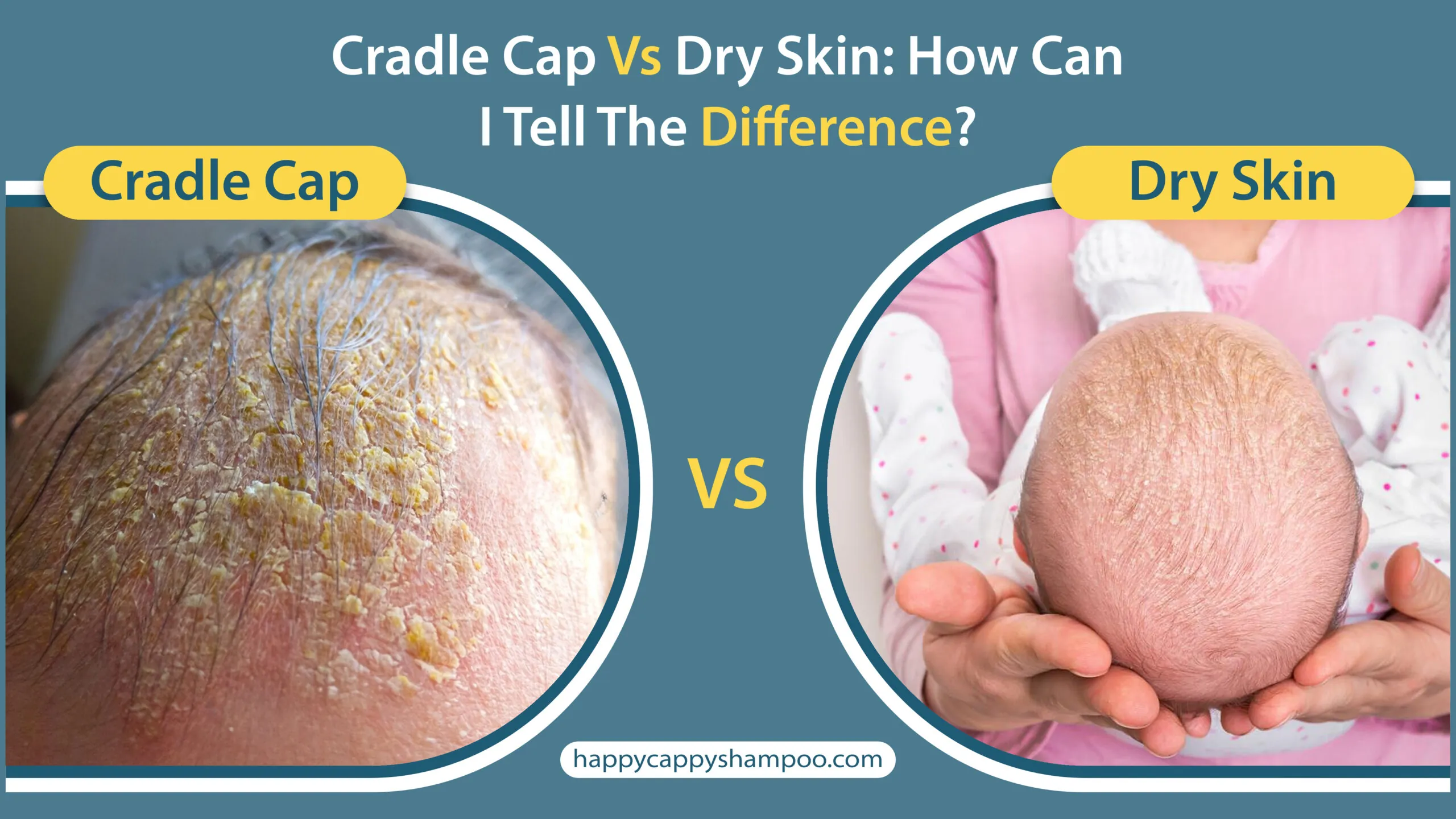
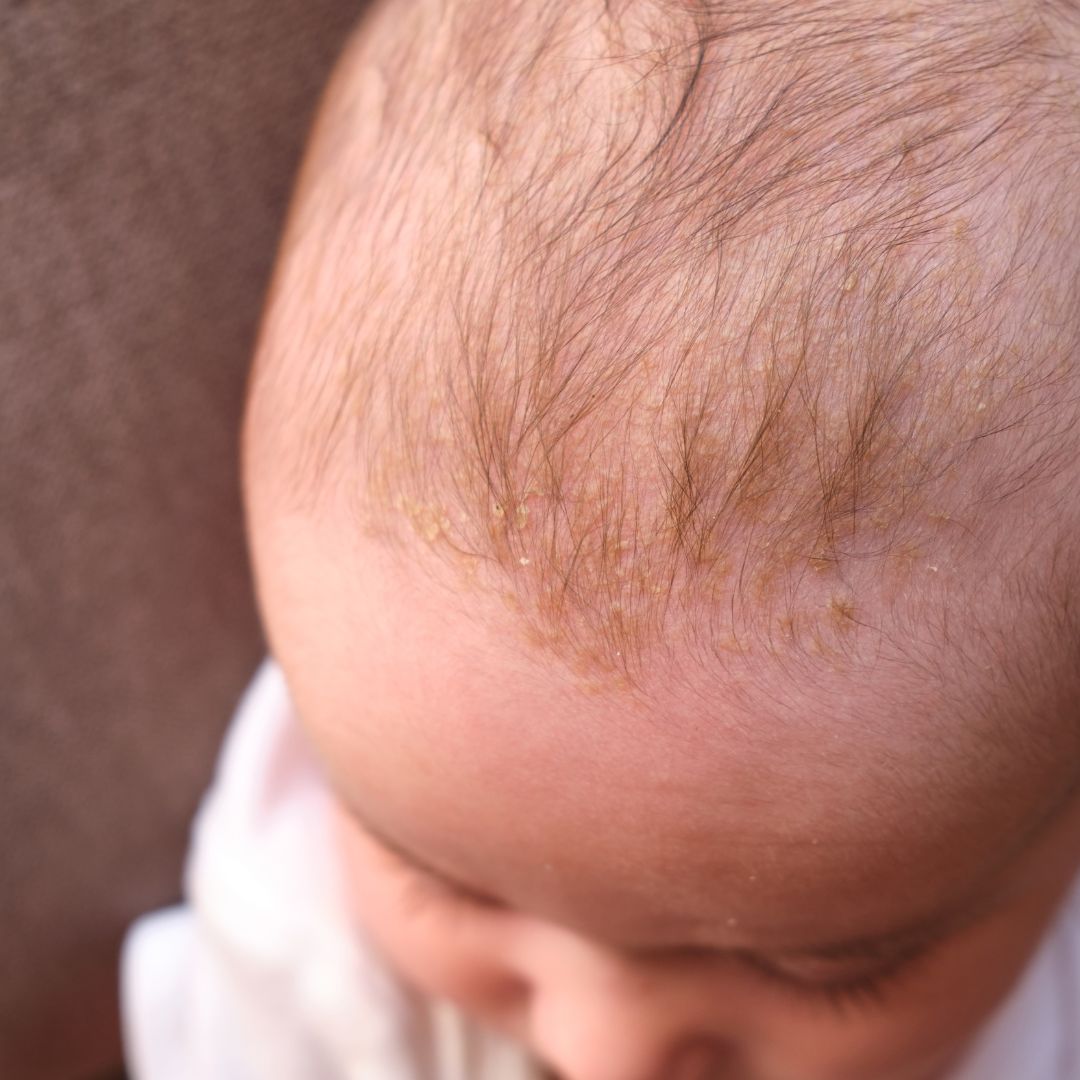
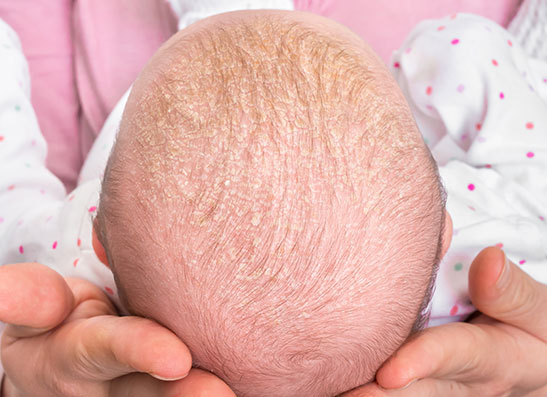
Cradle cap is a common skin condition in babies. It causes crusty or oily patches on the scalp. These patches can look yellow or brown. They sometimes flake off like dandruff.
This condition is harmless and does not cause pain. Babies do not feel itchy or uncomfortable. Cradle cap usually appears in the first few weeks after birth. It often clears up on its own after a few months.
Causes Of Cradle Cap
Doctors do not know the exact cause of cradle cap. It may happen due to extra oil production in the skin. This oil traps dead skin cells on the scalp. A type of yeast on the skin might also play a role.
Who Gets Cradle Cap
Most babies develop cradle cap before they turn 3 months old. It can affect babies of all races. Boys and girls get cradle cap equally. Sometimes older children or adults get similar scalp conditions.
Symptoms To Watch For
Patches on the scalp that look scaly or greasy. Skin may be yellow, white, or brown. Flaky skin can fall off easily. The scalp might look red but is not usually sore. No itching or pain is normal.
Common Causes
Cradle cap is a common skin condition seen in babies. It causes crusty, scaly patches on the scalp. Understanding the causes helps in managing and treating it effectively.
Cradle cap is not caused by poor hygiene. It happens because of natural oils and skin changes in babies. Some factors increase the chances of developing cradle cap.
Overactive Oil Glands
Babies have active oil glands in their scalp. These glands produce too much oil, trapping dead skin cells. This mix creates the thick, greasy patches seen in cradle cap.
Yeast Overgrowth
A type of yeast called Malassezia lives on the skin. Sometimes, it grows too much on the baby’s scalp. This overgrowth can trigger cradle cap symptoms.
Skin Sensitivity
Some babies have sensitive skin that reacts easily. Their skin may become irritated and flaky, causing cradle cap to appear.
Hormonal Changes
Hormones from the mother pass to the baby before birth. These hormones can cause oil glands to be more active, leading to cradle cap.
Family History
Babies with family members who have skin conditions may be more likely to get cradle cap. Genetics can play a role in skin health.
Gentle Cleaning Techniques
Cleaning a baby’s scalp gently is key to managing cradle cap. Harsh scrubbing can irritate the skin and make the condition worse. Using soft, careful methods helps remove flakes without causing discomfort. This approach supports healing and keeps the scalp healthy.
Patience is important during cleaning. Taking small steps slowly helps protect the delicate skin and improves results over time.
Use A Soft Brush Or Comb
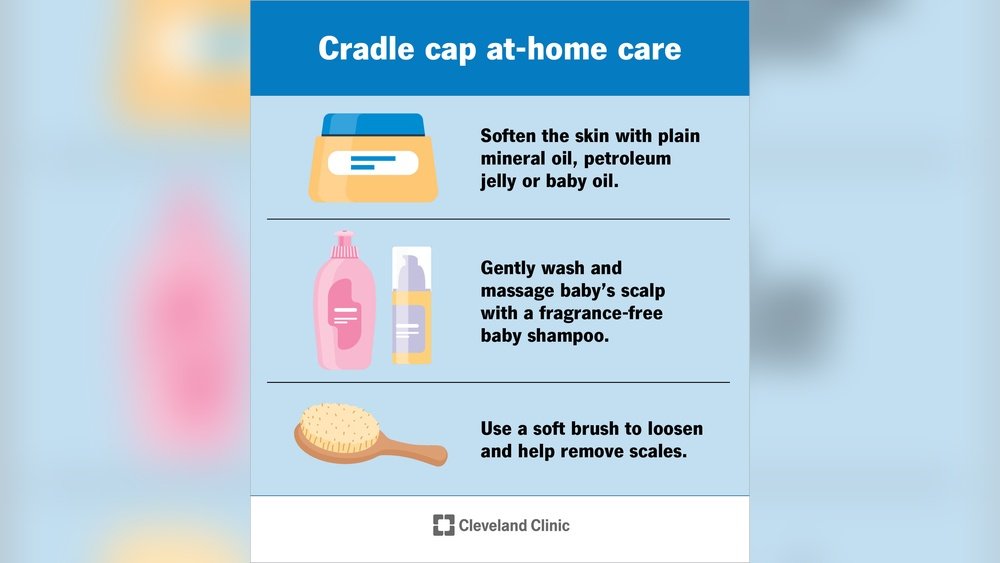
Choose a soft baby brush or a fine-toothed comb. Gently loosen flakes and scales from the scalp. Avoid strong pressure to prevent redness or soreness. Brushing daily after applying oil can help remove buildup.
Apply Mild Baby Shampoo
Pick a gentle, tear-free baby shampoo. Wet the scalp with warm water first. Use a small amount of shampoo and work it softly into the scalp. Rinse well to remove all shampoo and flakes. Repeat a few times per week for best results.
Use Warm Water And Soft Cloth
Warm water helps soften the scales. Soak a soft cloth in warm water and gently wipe the scalp. This method removes loose flakes without rubbing hard. It calms the skin and keeps it clean between shampoo washes.
Natural Remedies
Natural remedies offer gentle care for cradle cap. These treatments use safe ingredients to soothe a baby’s scalp. They help remove flakes and reduce redness without harsh chemicals.
Many parents prefer natural options to avoid irritation. These remedies can be easy to find at home or local stores. Regular use may improve the scalp’s health and comfort.
Using Coconut Oil For Cradle Cap
Coconut oil softens the dry, flaky skin on the scalp. Apply a small amount and gently massage it in. Leave it on for 15 to 20 minutes before washing with mild shampoo.
The oil helps loosen the crusty patches for easy removal. It also moisturizes and reduces inflammation naturally.
Applying Olive Oil To Soothe Scalp
Olive oil works like coconut oil to soften flakes. Warm the oil slightly and massage it on the affected areas. Let it sit for about 30 minutes before washing gently.
This method helps lift the scales without scratching the skin. Olive oil also nourishes the scalp and keeps it hydrated.
Using Aloe Vera Gel To Calm Irritation
Aloe vera gel cools and soothes irritated skin on the scalp. Apply pure aloe gel directly to the cradle cap spots. Leave it on for 20 minutes and then rinse carefully.
The gel reduces redness and itching while promoting healing. It is safe and mild for delicate baby skin.
Brushing Gently With A Soft Brush
Using a soft baby brush helps remove loose flakes gently. Brush the scalp in small, soft strokes after applying oil. This method prevents buildup and keeps the scalp clean.
Brushing also improves blood flow and supports healthy skin growth.
Over-the-counter Treatments
Over-the-counter treatments offer simple ways to manage cradle cap. These products help soften and remove the flaky patches on a baby’s scalp. They are easy to find and often safe for daily use.
Choosing the right product depends on the severity of the cradle cap. Some treatments work gently, while others act faster. Always follow the instructions for the best results and safety.
Medicated Shampoos
Medicated shampoos contain ingredients that reduce scaling and itching. Look for shampoos with mild antifungal or anti-inflammatory agents. Use them a few times a week to clear flakes effectively.
Oils And Emollients
Oils like mineral, coconut, or olive oil soften the crusty patches. Apply a small amount on the scalp and leave it for 15 to 20 minutes. Gently massage the scalp to loosen flakes before washing.
Gentle Scalp Brushes
Soft brushes help remove softened flakes after applying oil. Use a brush designed for babies to avoid irritation. Brush gently in small circles to clean the scalp without harm.
When To See A Doctor
Cradle cap is common in babies and usually goes away on its own. Most cases can be treated at home with gentle care. Some signs mean it is time to see a doctor. Knowing these signs helps keep your baby safe and comfortable.
When Cradle Cap Spreads Or Worsens
If the crusty patches spread beyond the scalp, see a doctor. Rapid growth or thick, red skin means infection or another issue. A doctor can find the cause and suggest the right treatment.
When Your Baby Shows Signs Of Infection
Look for redness, swelling, or oozing pus in the affected area. Fever or unusual fussiness can also mean infection. A doctor can prescribe medicine to clear the infection quickly.
When Home Treatments Do Not Help
If gentle washing and oils do not improve cradle cap within two weeks, ask a doctor. Persistent symptoms might need stronger treatments or special shampoos. Early help prevents discomfort for your baby.
When Your Baby Has Other Skin Problems
Cradle cap can look like other skin conditions. If your baby has itchy, bleeding, or very dry skin, get a doctor’s advice. Proper diagnosis ensures the right care and avoids worsening the condition.
Preventing Cradle Cap
Preventing cradle cap helps keep your baby’s scalp healthy and clear. Simple daily care can reduce the chance of this condition. Gentle habits protect your baby’s delicate skin.
Early steps make a big difference. These tips help stop cradle cap from forming or getting worse.
Keep The Scalp Clean
Wash your baby’s scalp with a mild baby shampoo. Do this two to three times a week. Avoid harsh soaps that can dry the skin. Use lukewarm water to keep the scalp comfortable.
Brush Gently
Use a soft baby brush or comb. Brush the scalp gently to remove flakes. Do this after washing the hair. Brushing helps loosen dry skin without hurting the baby.
Moisturize The Scalp
Apply a small amount of natural oil. Coconut or almond oil works well. Massage the oil softly to keep the skin soft. Avoid thick creams that block pores.
Avoid Overheating
Keep your baby cool to prevent sweat buildup. Dress your baby in light clothes. Overheating can make cradle cap worse. A comfortable temperature helps maintain healthy skin.
Monitor For Changes
Check the scalp regularly for signs of cradle cap. Early detection helps prevent spread. If skin becomes red or swollen, see a doctor. Timely care supports quicker healing.
Tips For Comforting Your Baby
Cradle cap can make your baby feel uncomfortable. The dry, flaky skin may cause itching or irritation. Helping your baby stay calm and comfortable is important during treatment. Gentle care and soothing actions can ease their discomfort.
Simple steps can make a big difference. Soft touches and calming routines help your baby feel safe and relaxed.
Use Gentle Massage To Soften Cradle Cap
Lightly massage your baby’s scalp with a soft brush. This helps loosen flakes and relieves itching. Do it slowly and gently to avoid hurting your baby.
Keep Your Baby’s Scalp Clean
Wash your baby’s head with mild baby shampoo. Clean scalp helps reduce flakes and irritation. Avoid harsh soaps that can dry the skin more.
Apply Moisturizer For Soothing Relief
Use a gentle baby oil or cream on the scalp. Moisturizers keep skin soft and reduce dryness. Apply after washing and before bed for best results.
Dress Your Baby Comfortably
Choose soft, breathable fabrics for your baby’s clothes. Tight or rough clothes can irritate the skin. Comfortable clothes help your baby stay calm.
Create A Calm Environment
Keep the room quiet and at a comfortable temperature. Bright lights and loud sounds can stress your baby. A calm space helps your baby relax and heal.
Frequently Asked Questions
What Is The Best Treatment For Cradle Cap?
The best treatment for cradle cap includes gentle washing with mild baby shampoo. Use a soft brush to loosen scales. Applying baby oil or petroleum jelly can help soften flakes before washing. Always be gentle to avoid irritating the baby’s scalp.
How Long Does Cradle Cap Usually Last?
Cradle cap typically lasts a few weeks to a few months. It often clears up on its own without treatment. If it persists beyond six months or worsens, consult a pediatrician for further advice.
Can Cradle Cap Be Prevented In Babies?
Cradle cap cannot always be prevented as it is linked to natural oil production. Regularly washing the baby’s scalp with mild shampoo can reduce buildup. Keeping the scalp clean and moisturized helps minimize severity but does not guarantee prevention.
Is Cradle Cap Contagious Or Harmful?
Cradle cap is neither contagious nor harmful. It is a common, harmless skin condition in infants. It does not cause pain or itching. Proper care ensures quick improvement without complications.
Conclusion
Treating cradle cap is simple with gentle care and patience. Regular washing and soft brushing help remove flakes. Using mild oils can soothe your baby’s scalp. Most cases clear up on their own in weeks. Keep watching your baby’s skin for changes or irritation.
Consult a doctor if the condition worsens or spreads. Remember, cradle cap is common and not harmful. Taking small steps each day makes a big difference. Your baby will feel more comfortable soon. Stay calm and consistent with treatment routines.


