You want the best for your baby, especially when it comes to their health and safety. But have you ever stopped to think about how clean their toys really are?
Your baby’s toys can carry germs that might make them sick. Keeping these toys clean isn’t just about hygiene—it’s about protecting your little one and giving you peace of mind. You’ll discover simple, effective ways to clean your baby’s toys quickly and safely.
Keep reading to learn how a little effort can make a big difference for your child’s well-being.
Choosing Safe Toy Materials
Choosing safe materials for baby toys is very important. Babies explore the world by touching and tasting objects. Toys must be safe to avoid health risks. Parents should pick toys made from materials that do not harm the baby’s body. Clean and safe materials help keep babies healthy and happy.
Non-toxic And Bpa-free Options
Non-toxic toys do not contain harmful chemicals. BPA-free toys are safe for babies to chew. These materials prevent poisoning and skin irritation. Look for labels that say “non-toxic” and “BPA-free.” Toys made from natural rubber, silicone, or untreated wood are good choices. They are safe and easy to clean.
Avoiding Small Parts And Choking Hazards
Small parts can cause choking. Babies put toys in their mouths often. Choose toys without tiny pieces or loose parts. Check that all parts are firmly attached. Avoid toys with buttons, beads, or small wheels. Bigger toys reduce choking risks and keep babies safe during play.

Daily Cleaning Tips
Keeping baby toys clean every day is very important. Clean toys help stop germs and keep your baby safe. Daily cleaning is easy and quick. It keeps toys fresh and ready to use.
Simple methods work well for daily cleaning. Use safe products that do not hurt your baby. These daily tips help you keep toys clean without much effort.
Wiping With Baby-safe Wipes
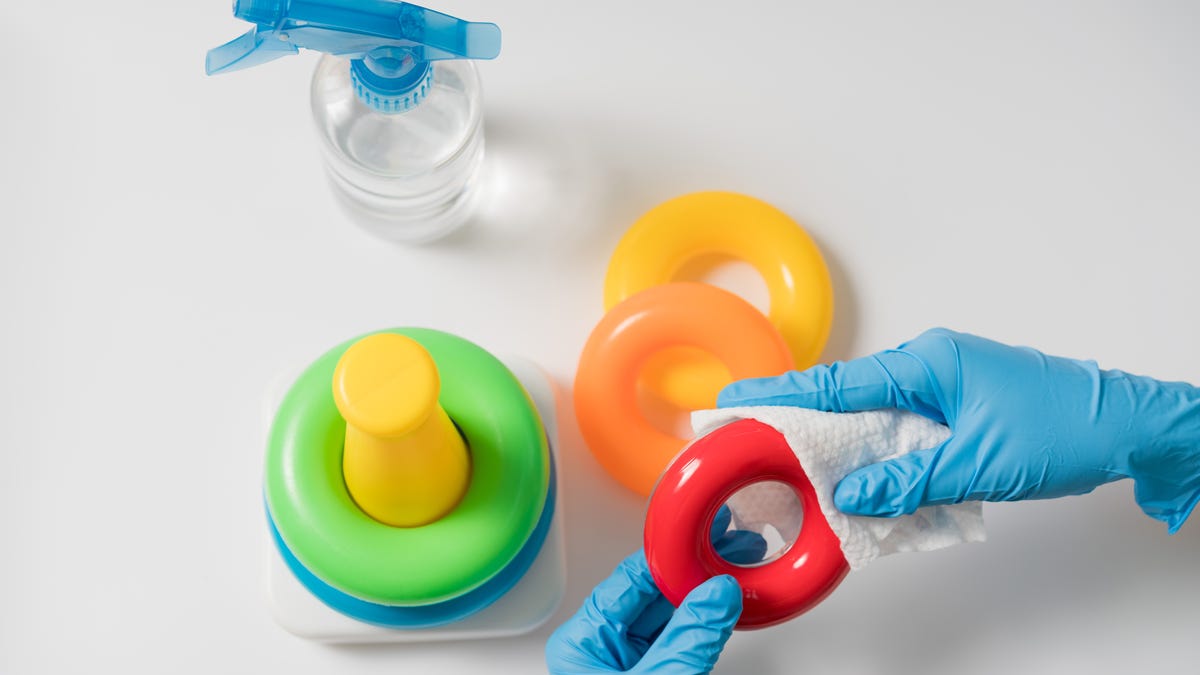
Use baby-safe wipes to clean toys fast. Wipe all surfaces gently. Wipes remove dirt and germs easily. They dry quickly, so toys stay ready to use.
Choose wipes made for babies. They do not have harsh chemicals. Wiping is good for plastic and rubber toys. Avoid soaking toys with wipes to keep them safe.
Using Mild Soap And Water
Mix mild soap with warm water to clean toys. Use a soft cloth or sponge to wash. Gently scrub all parts of the toy. Rinse well with clean water after washing.
Soap and water work well for many toys. Avoid harsh soaps that can harm baby’s skin. Let toys air dry fully before giving them back to your baby.
Deep Cleaning Methods
Deep cleaning baby toys helps remove germs and dirt that regular washing misses. It keeps babies safe from harmful bacteria. Deep cleaning is important for toys that babies put in their mouths. Some toys need special methods to get truly clean.
These cleaning methods reach inside the toys and kill germs. They help keep toys fresh and safe for playtime. Choose the right method based on the toy’s material and safety instructions.
Dishwasher-safe Toys
Many plastic toys can go in the dishwasher. Place them on the top rack to avoid heat damage. Use a gentle cycle without harsh detergents. The hot water and steam clean well and kill germs. This method saves time and cleans toys deeply.
Check the toy label before using the dishwasher. Avoid this method for toys with batteries or electronic parts. After washing, let toys dry completely before giving them to your baby.
Boiling And Steam Sterilization
Boiling toys in hot water kills most bacteria and viruses. Use a pot of boiling water and place toys inside for 5 minutes. This method works best for metal and hard plastic toys. Avoid boiling soft or delicate toys to prevent damage.
Steam sterilizers offer a safer way to clean baby toys. They use high-temperature steam to kill germs without harsh chemicals. Steam sterilization suits many toy types and keeps them in good shape. Always follow the manufacturer’s guidelines for safe use.
Cleaning Soft And Fabric Toys
Soft and fabric toys bring comfort and joy to babies. Keeping them clean is important for your baby’s health. Dirt, dust, and germs can hide in soft toys. Regular cleaning helps keep these toys fresh and safe.
Cleaning soft toys needs care. Some can go in the washing machine. Others need gentle hand washing. Follow the right steps to protect the toy and keep it soft.
Machine Washing Guidelines
Check the toy’s label for washing instructions. Use a gentle cycle with cold water. Place the toy inside a pillowcase or laundry bag. This protects the toy and prevents damage.
Use mild detergent without bleach or harsh chemicals. Avoid fabric softeners as they can irritate baby’s skin. After washing, air dry the toy. Do not use a dryer unless the label says it is safe.
Hand Washing Techniques
Fill a basin with cold or lukewarm water. Add a small amount of mild detergent. Gently scrub the toy with your hands. Focus on dirty spots but be gentle to keep the fabric soft.
Rinse the toy well with clean water. Squeeze out excess water without twisting. Lay the toy flat on a clean towel to dry. Avoid direct sunlight to prevent colors from fading.
Disinfecting Without Harsh Chemicals
Cleaning baby toys is important to keep germs away. But strong chemicals can harm babies. They may leave bad residues on toys. Disinfecting without harsh chemicals is safer for little ones. It helps keep toys clean and safe to use.
Using Natural Disinfectants
Natural disinfectants kill germs without strong chemicals. Vinegar is a good choice. It cleans and disinfects well. Mix equal parts of water and vinegar in a spray bottle. Spray on toys and wipe with a clean cloth.
Lemon juice also works well. It has natural antibacterial properties. Rub lemon juice on toys and rinse with water. Sunlight helps too. Leaving toys outside in the sun can kill germs naturally.
Avoiding Toxic Residues
Harsh chemicals can leave harmful residues. Babies often put toys in their mouths. This can lead to health issues. Use simple cleaning methods with water and mild soap. Rinse toys thoroughly to remove any soap.
Check toy labels for cleaning instructions. Avoid products with bleach or ammonia. These can irritate baby’s skin and lungs. Natural cleaning keeps toys safe without toxic leftovers.

Frequency Of Toy Cleaning
Keeping baby toys clean is important for health and safety. Germs can spread easily on toys, especially those used often. A regular cleaning schedule helps keep toys safe and fresh. Knowing how often to clean toys makes this task easier for parents and caregivers.
Daily Routine For Frequently Used Toys
Toys that babies touch all day need quick daily cleaning. Wipe them with a damp cloth and mild soap. Focus on toys that go into the mouth. This removes germs and dirt before they build up. Let toys air dry completely before giving them back.
Weekly Deep Cleaning Schedule
Once a week, do a deeper clean for all toys. Use warm water and baby-safe disinfectant or soap. Scrub hard-to-reach places and small parts carefully. Rinse well to remove soap residue. Dry toys fully to stop mold or bacteria growth. This keeps toys clean and safe for longer use.
Storing Toys Hygienically
Storing toys hygienically helps keep babies safe and healthy. Clean toys can grow germs if stored wet or in dirty places. Proper storage stops mold and bacteria from forming. It also keeps toys ready for the next playtime. Simple steps can make a big difference in toy hygiene.
Drying Toys Properly Before Storage
Always dry toys well after cleaning. Use a clean towel to wipe off water. Air dry toys in a sunny, open space. Avoid storing toys while still damp. Moisture invites mold and bacteria growth. Dry toys last longer and stay safer for babies.
Using Clean Containers And Bins
Choose containers that are easy to clean. Plastic bins with lids work well. Wash containers regularly with soap and water. Dry containers fully before putting toys inside. Avoid storing toys in dusty or dirty places. Clean containers protect toys from germs and dust.
Encouraging Safe Play Habits
Encouraging safe play habits helps protect babies from germs and infections. Clean toys and good routines keep playtime healthy and fun. Teaching simple habits early builds a strong foundation for safety.
Parents and caregivers play a key role in guiding safe play. Small actions make a big difference in keeping babies safe.
Teaching Handwashing Before Play
Handwashing removes germs that can spread to toys and babies. Teach children to wash hands with soap and water before play. Use warm water and scrub for at least 20 seconds. Make it a fun routine to help them remember. Clean hands protect babies from sickness and keep toys safer.
Rotating Toys To Reduce Germ Buildup
Rotating toys means using some toys while others rest. This helps reduce germs on toys by giving time to clean and dry. Store unused toys in a clean place. Rotate toys every few days to keep play items fresh. This habit lowers the chance of spreading germs during playtime.
Frequently Asked Questions
How Often Should I Clean Baby Toys?
Clean baby toys at least once a week to remove germs and dirt. More frequent cleaning is needed if toys are shared or visibly dirty.
What Is The Safest Way To Clean Baby Toys?
Use warm, soapy water or a mild baby-safe disinfectant. Avoid harsh chemicals to keep toys safe and non-toxic for babies.
Can I Use The Dishwasher To Clean Baby Toys?
Yes, many plastic and dishwasher-safe toys can be cleaned on the top rack. Always check manufacturer instructions before using the dishwasher.
How Do I Clean Fabric Baby Toys?
Machine wash fabric toys in a gentle cycle with baby-safe detergent. Air dry or tumble dry on low heat to maintain softness.
Conclusion
Keeping baby toys clean protects your child’s health. Regular cleaning removes germs and dirt. Use mild soap and warm water for most toys. Soft cloths work well for delicate items. Clean toys often, especially after playtime outside. Dry toys completely to stop mold growth.
Safe, clean toys help babies play happily. Simple steps make a big difference every day. Caring for toys shows love and attention. Keep your baby’s world clean and safe.


