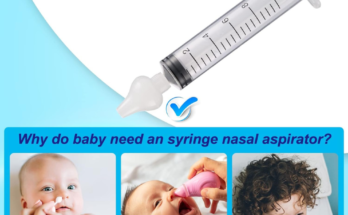
Yes, if misused, a nasal aspirator can irritate or injure delicate nasal tissue.
Parents ask, Can a nasal aspirator hurt a baby’s nose? I’ve helped many families use these tools the right way. In this guide, I explain when suction helps, when it can cause problems, and how to keep your baby safe and comfortable.

What parents really mean when they ask about safety
You want your baby to breathe, feed, and sleep well. A stuffy nose can make all of that hard. You reach for a nasal aspirator because it works fast. But you also worry about hurting that tiny nose.
Here is the truth I share with new parents. Can a nasal aspirator hurt a baby’s nose? Yes, it can if used too hard, too often, or without moisture. With gentle technique and good hygiene, the risk drops a lot. The benefits often outweigh the risks when your baby is very congested.

How a nasal aspirator works and the types you can choose
A nasal aspirator creates a small vacuum. It pulls out mucus from the nostrils so air can pass with ease. Less mucus often means better feeding and sleep.
Common types include:
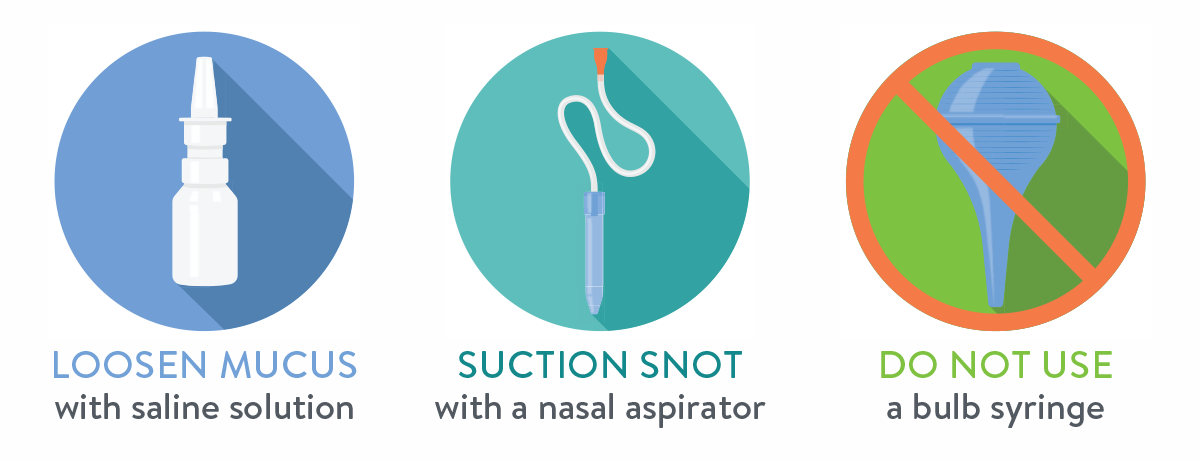
- Bulb syringe. Simple, low cost. Control depends on your squeeze.
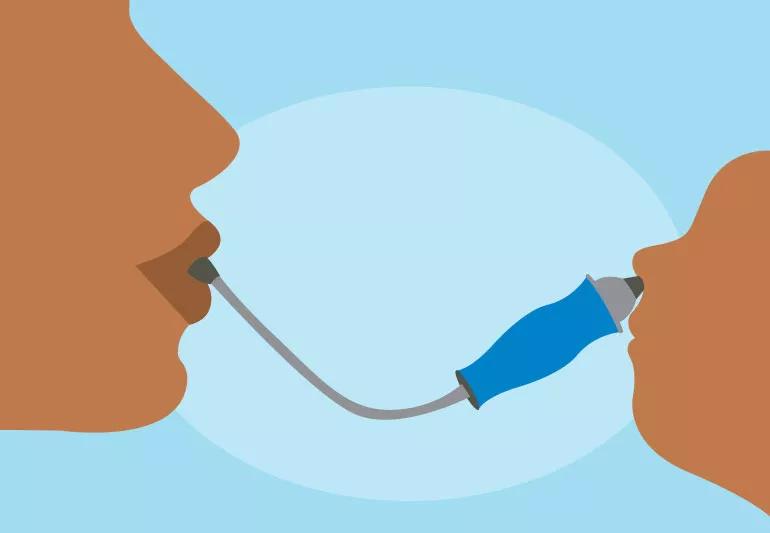
- Manual mouth-suction device. A tube with a filter. You control the strength with your breath.
- Electric aspirator. A powered unit with set levels. It can be quick but may feel loud.
Can a nasal aspirator hurt a baby’s nose? It is possible with any type if the tip is too large, the seal is tight, or the suction lasts too long. Moisture and gentle control are key.

When can a nasal aspirator hurt a baby’s nose?
Most issues come from force, frequency, or dryness. The nose lining is thin and rich in blood vessels. It needs care.
Risk rises when:
- You suction a dry nose without saline first.
- You hold suction longer than a few seconds.
- You repeat suction many times in one session.
- You press the tip against the septum or push it too far in.
- You use a tip that is too large or rigid.
- Your baby has a cold with fragile tissue or small nose passages.
Parents ask again, Can a nasal aspirator hurt a baby’s nose? It can cause redness, small nosebleeds, or swelling. Serious injury is rare with proper use.
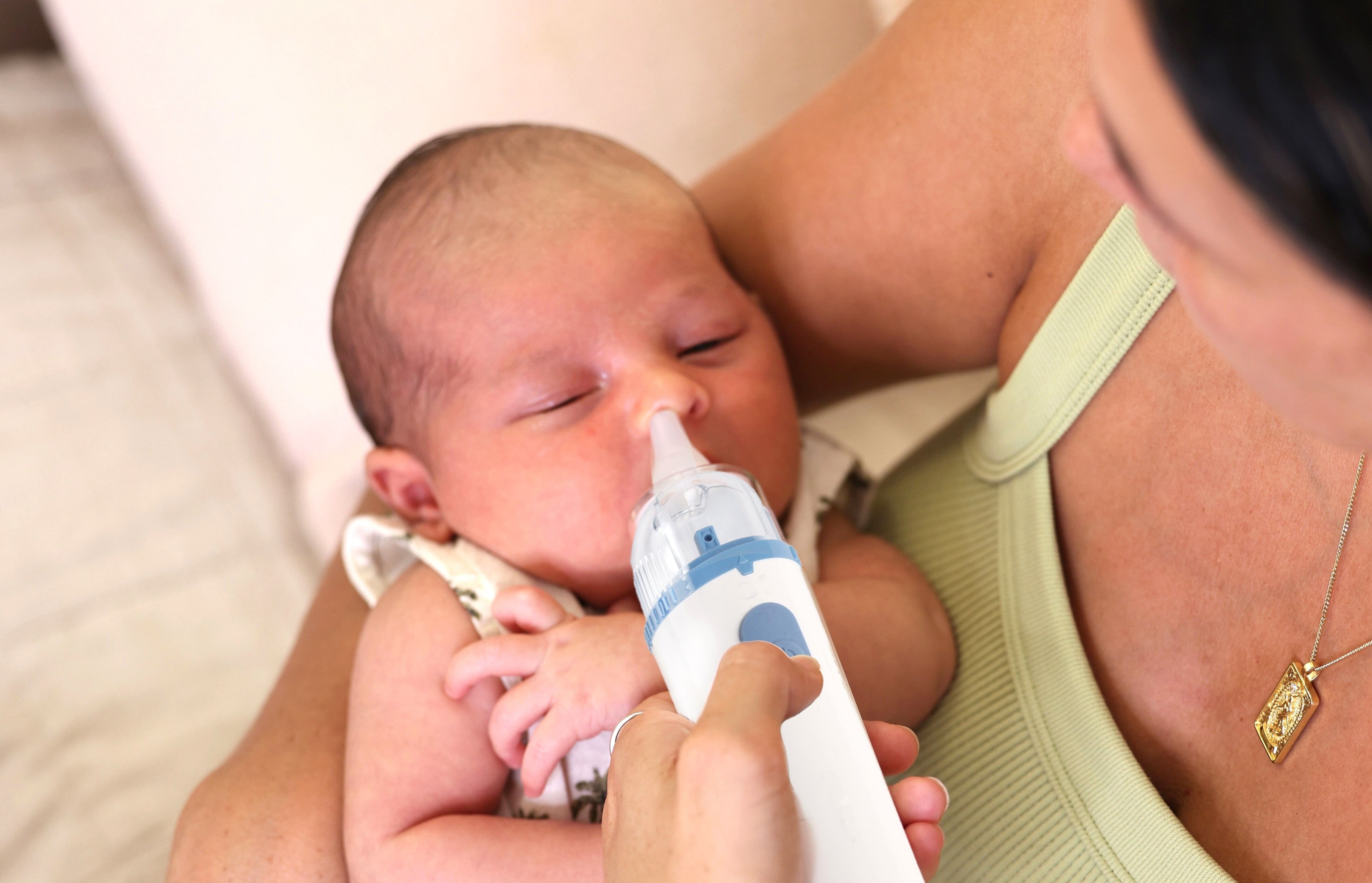
Safe, gentle suction: a step-by-step guide
I teach a simple, calm routine. It keeps babies more relaxed and protects the nose.
Do this before every suction:
- Add 2 to 3 saline drops or a short spray in each nostril. Wait 30 to 60 seconds.
- Sit your baby upright or hold at a slight incline.
- Keep lighting good so you can see well.
Use gentle technique:
- Place the tip just at the nostril entrance. Do not insert deep.
- Create a light seal, not a tight one.
- Suction for 2 to 3 seconds, then release. Repeat as needed, up to a few times per nostril.
- Wipe the tip between nostrils. Clean after the session.
Keep it moderate:
- Use a nasal aspirator up to 2 to 3 times per day when sick.
- Add saline more often if needed. Saline is soothing and safe.
Can a nasal aspirator hurt a baby’s nose if you follow this? The risk is low and the payoff is good.
Signs of irritation and how to respond
Watch for small warning signs. Act early and your baby should be fine.
Look for:
- Mild redness at the nostril edge
- A few drops of blood
- Fussing only during suction
- Dry crusts that return fast
What helps:
- Pause suction for the day if bleeding occurs.
- Use saline more often to keep the nose moist.
- Try a room humidifier during sleep.
- Apply a tiny dab of baby-safe ointment at the nostril edge if skin is sore.
Can a nasal aspirator hurt a baby’s nose beyond mild irritation? It is rare. Seek care if bleeding is heavy, pain is strong, or breathing seems hard.

Cleanliness and maintenance reduce risk
A dirty nasal aspirator can make congestion worse. Germs can grow in moist parts. Clean gear is safer and gentler.
After each use:
- Wash bulb or tips with warm soapy water. Rinse well. Air dry fully.
- Replace filters in manual devices as directed.
- Disinfect parts that allow it based on the maker’s guide.
- Replace worn tips or cracked bulbs at the first sign of damage.
Clean tools reduce friction, odor, and germs. That lowers the chance that a nasal aspirator will hurt a baby’s nose through infection or irritation.

What research and pediatric guidance say
Clinical guidance favors saline before suction. Short, gentle pulls work best. Long pulls can irritate. Reviews note minor nosebleeds and redness as the most common side effects. These events are usually brief.
Expert tips include:
- Use suction when mucus blocks feeding or sleep.
- Limit sessions per day. Keep each pull short.
- Avoid deep insertion. Aim at the outer nostril, not the septum.
- Keep the nose moist with saline and room humidity.
So, Can a nasal aspirator hurt a baby’s nose? Yes, in small ways, if technique slips. With calm steps and moisture, most babies do well. Can a nasal aspirator hurt a baby’s nose long term? Evidence does not show lasting harm with proper use.

Alternatives to suction and when to skip it
You do not always need suction. Many babies clear on their own with time and moisture.
Try:
- Saline mist or drops before feeds and sleep
- Warm bath or steamy bathroom for 10 minutes
- Cool mist humidifier in the room
- Gentle tummy time to help drainage
- Frequent small feeds to keep mucus thin
Skip suction if:
- Your baby is calm and feeding well
- Only light sniffles are present
- The nose looks sore or bleeds
Parents ask, Can a nasal aspirator hurt a baby’s nose if used only when needed? Using it only when helpful and with saline lowers the risk.
Common mistakes I see and how to avoid them
In my work with new parents, I see the same few errors. Small fixes make a big difference.
Avoid these mistakes:
- Skipping saline. Dry mucus is sticky and hard to remove.
- Pressing the tip inside the nostril. Keep it shallow.
- Long suction holds. Use brief pulls with rests.
- Cleaning rarely. Wash and dry after every use.
- Overusing when baby is calm. Save it for real blockages.
Can a nasal aspirator hurt a baby’s nose when these mistakes happen? Yes. Steady, gentle habits prevent most problems.
Frequently Asked Questions of Can a nasal aspirator hurt a baby’s nose?
How often should I use a nasal aspirator on a sick baby?
Limit to 2 to 3 sessions per day. Use saline often to keep mucus thin and reduce the need for suction.
Is electric suction safer than a bulb or manual device?
No type is “safest” by default. Safety comes from gentle technique, short pulls, moisture, and clean parts.
What should I do if I see a small nosebleed after suction?
Stop suction for the day, use saline, and add a humidifier. If bleeding is heavy or repeats, call your pediatrician.
Can a nasal aspirator cause an infection?
Not if you clean it well after each use. Dirty tools can spread germs, so wash, dry, and replace parts as directed.
When should I call a doctor about congestion?
Call if breathing is hard, lips turn blue, fever rises, or feeds drop. Trust your gut if your baby looks unwell.
Conclusion
You can use a nasal aspirator safely with a light touch, short pulls, and plenty of saline. It helps babies breathe, feed, and sleep better. The main risks are minor and usually avoidable.
Focus on moisture, gentle technique, and clean tools. Watch for signs of irritation and take breaks when needed. Try simple alternatives when symptoms are mild.
You’ve got this. Use these steps today, see how your baby does, and refine your routine. Want more baby-care guides like this? Subscribe for updates or share your questions in the comments.