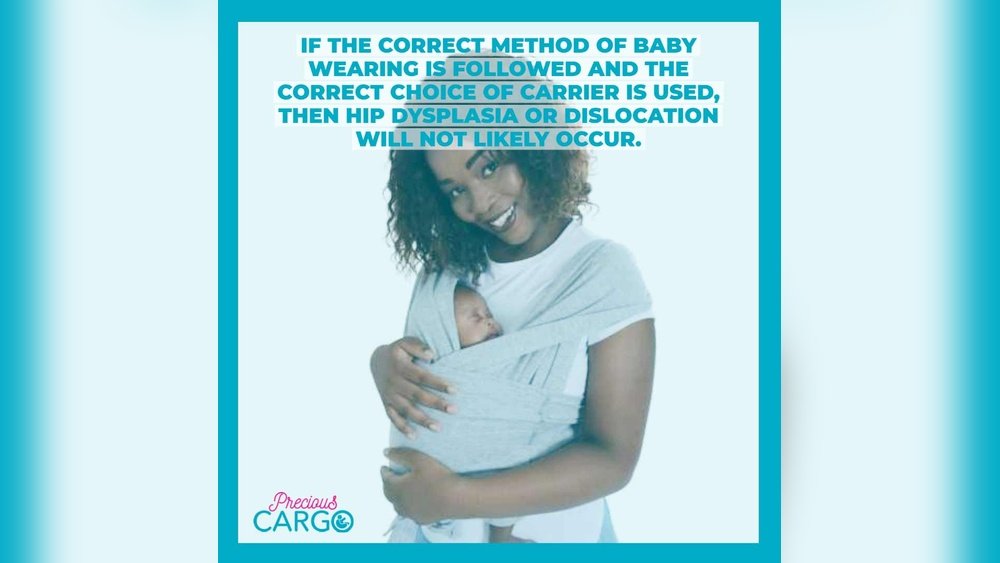
Are you worried that using a baby carrier might harm your little one’s hips? You’re not alone.
Many parents wonder if carrying their baby close could lead to hip problems down the road. The truth is, how you use a baby carrier matters more than you might think. You’ll discover what experts say about baby carriers and hip health, and learn simple tips to keep your baby safe and comfortable.
Keep reading—your baby’s well-being depends on it.
Credit: boba.com
Baby Carriers And Hip Health
Baby carriers help parents carry their little ones easily and keep them close. But parents often ask if these carriers can harm their baby’s hips. Understanding how baby carriers affect hip health is important for safe use. Proper use supports healthy hip growth and avoids problems.
The shape and position of the baby inside the carrier matter a lot. A good carrier keeps the hips in a natural position. This supports strong bones and joints. Poor positioning can stress the hips and cause issues over time.
How Carriers Affect Hip Development
Babies’ hips are soft and still growing. They need to stay in a spread and bent position. This is called the “M-position.” It means knees are higher than the bottom. This position helps the hip socket form well around the thigh bone.
Carriers that hold the baby with legs straight or close together can cause hip problems. Pressure on the hips in the wrong way can make the joint weak. Good carriers support the thighs and allow natural movement.
Common Hip Issues Linked To Carriers
One common problem is hip dysplasia. This means the hip joint does not form properly. It can cause pain and difficulty walking later. Using a carrier that forces the legs to hang down can increase this risk.
Another issue is hip dislocation. This happens when the thigh bone slips out of the socket. Incorrect carrying positions may increase this risk, especially in newborns. Choosing a carrier that supports the hips correctly helps prevent these problems.
Credit: www.clothandcarry.com.au
Safe Carrying Positions
Choosing safe carrying positions is key to protecting your baby’s hips. Proper support helps the hips develop naturally. It also keeps your baby comfortable and secure. Understanding which positions promote healthy hip development can prevent future problems. This section explains the best and worst ways to carry your baby in a carrier.
Ideal Hip-friendly Positions
The best position supports the baby’s thighs and hips fully. The legs should be spread apart and bent outward. This shape is often called the “M” or “frog” position. The knees stay higher than the bottom. Carriers designed to hold babies in this way help keep hips stable.
Front carries with the baby facing inward usually support hips well. Back carries can also be safe if the baby’s legs are spread. Choose carriers with wide seats that hold the hips in the right position. Proper support reduces the risk of hip dysplasia or other issues.
Positions To Avoid
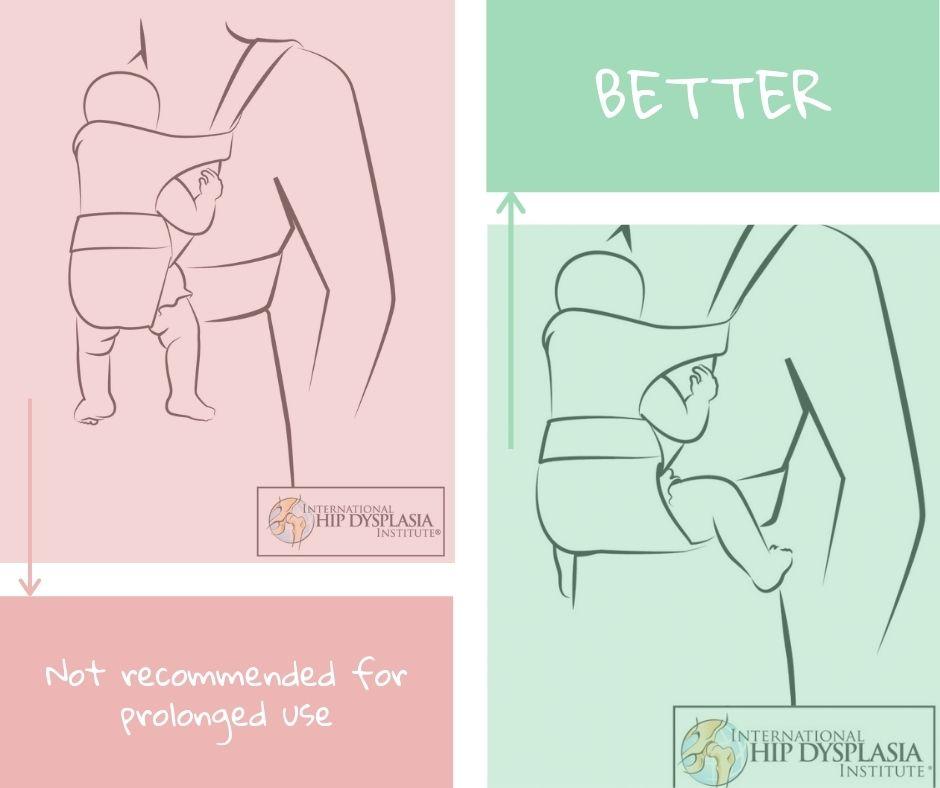
Avoid positions that let the legs hang straight down. This puts pressure on the hip joints. Narrow carriers that force the legs together are not safe. They can cause improper hip alignment and discomfort.
Forward-facing carries may cause the legs to dangle. This position often lacks proper hip support. It puts stress on the hips and can lead to problems over time. Always check that the carrier holds the baby’s legs in a healthy position.
Choosing The Right Carrier
Choosing the right baby carrier is very important for your baby’s hip health. A good carrier keeps your baby safe and comfortable. It helps prevent hip problems like hip dysplasia. Parents should know what features support healthy hip development. Not all carriers are the same. Some designs are better for hip safety than others. Understanding carrier types can guide you to make a smart choice.
Features That Support Hip Safety
A carrier should hold your baby in a natural “M” shape. This means knees are higher than the bottom. Legs spread apart and supported from knee to knee. The seat must be wide enough to support the thighs. The baby’s hips should not hang or dangle. Look for carriers with padded leg openings. Soft, adjustable straps add comfort and support. The carrier should allow your baby’s hips to move freely. Firm back support helps keep the spine straight. These features reduce stress on hip joints and ligaments.
Carrier Types And Hip Impact
Wrap carriers, soft-structured carriers, and slings are popular choices. Wrap carriers offer good hip support by distributing weight evenly. Soft-structured carriers often have adjustable seats for hip health. Slings can be safe if baby’s hips are well positioned. Avoid carriers that force legs to hang straight down. Narrow seats can cause pressure on hip joints. Some carriers are designed specifically for infant hip health. Check if the carrier is recommended by pediatricians or hip experts. Proper use of any carrier is just as important as the type.
Signs Of Hip Problems In Babies
Hip problems in babies can affect their growth and comfort. Early signs help catch issues fast. Parents and caregivers should know what to notice. Observing your baby closely helps detect any unusual signs. Early action can improve outcomes and ease treatment.
Early Symptoms To Watch For
Uneven leg length is a common sign. One leg may seem shorter or bent differently. Limited movement in one hip is another red flag. Your baby might resist spreading their legs. Clicking or popping sounds when moving the hips can occur. Swelling or redness near the hip area needs attention. Watch for a delay in crawling or walking milestones. These signs suggest a need for further checkup.
When To Consult A Specialist
Seek advice if you see any early symptoms. A pediatrician can perform a hip exam. They may order an ultrasound or X-ray for clarity. Early diagnosis helps start treatment quickly. Delaying can lead to more serious problems. Specialists guide proper care and recommend safe baby carriers. Always trust professional advice for your baby’s health.
Expert Recommendations
Experts offer clear advice about baby carriers and hip health. Their guidance helps parents keep babies safe and comfortable. Understanding expert recommendations can prevent hip problems in infants.
Pediatricians’ Advice On Babywearing
Pediatricians stress the importance of proper positioning. They recommend carriers that support the baby’s hips and legs. The hips should be spread apart with knees higher than the bottom. This “M” shape position supports healthy hip development. Avoid carriers that force the legs straight or pressed together. Doctors also suggest limiting babywearing time to avoid strain. Watch for signs of discomfort or fussiness in your baby. Pediatricians encourage parents to choose carriers tested and approved for hip health.
Hip-healthy Babywearing Tips
Choose carriers designed for ergonomic support. Look for wide seat bases that hold the thighs well. Adjust straps to keep the baby close and secure. Keep the baby’s hips in a natural, bent position. Avoid dangling legs or tight wraps that restrict movement. Change carrying positions often to reduce pressure on hips. Follow weight guidelines to prevent excess strain on your baby. Regularly check your baby’s posture during use. Comfortable, safe babywearing supports healthy hip growth and bonding.
Preventing Hip Issues
Preventing hip issues in babies is very important when using a carrier. Proper support helps keep the hips healthy. Babies grow quickly, and their joints are still soft. This makes proper positioning key to avoid any problems.
Choosing the right carrier and using it correctly protects your baby’s hips. The goal is to support natural hip development. There are easy steps to follow that help keep your baby safe and comfortable.
Proper Use And Adjustments
Make sure the baby’s legs are in the “M” position. This means knees are higher than the bottom. The hips should be spread wide and supported well. Avoid letting the legs hang straight down.
Adjust the carrier so it fits snugly but not too tight. The baby’s back should be curved in a natural way. Check that the carrier supports both thighs fully. Using a carrier that matches your baby’s size also helps.
Balancing Carrying Time And Movement
Carry your baby for short periods at first. Long carrying times can cause stress on hips. Change positions often to avoid pressure points. Allow your baby time to move freely on the floor too.
Encourage crawling and play outside the carrier. Movement helps strengthen muscles and joints. Carrying your baby is great, but balance it with active time. This supports healthy hip growth and overall development.

Credit: www.preciouscargo.co.za
Frequently Asked Questions
Can Baby Carriers Cause Hip Dysplasia?
Improper baby carriers may increase the risk of hip dysplasia. Use carriers that support the “M” position to keep hips healthy and reduce stress on the joints.
What Is The Best Baby Carrier For Hip Health?
Look for ergonomic carriers designed to support the baby’s hips in a natural spread-squat position. Avoid carriers that force legs to hang straight down.
How To Position Baby In Carrier To Prevent Hip Problems?
Ensure the baby’s knees are higher than their bottom in an “M” shape. This supports proper hip development and reduces hip joint strain.
When Should You Avoid Using A Baby Carrier For Hips?
Avoid baby carriers if your baby has diagnosed hip dysplasia or other hip conditions. Consult a pediatrician for tailored advice on safe carrying methods.
Conclusion
Baby carriers can affect a baby’s hips if used incorrectly. Choosing carriers that support the natural leg spread is important. Always follow the manufacturer’s guidelines for safe use. Regularly check your baby’s hip position while carrying. Using a carrier that holds the hips in a healthy position helps prevent problems.
Parents should stay informed about safe babywearing practices. Comfort for both baby and parent matters a lot. Proper use keeps your baby safe and happy.