
Are sleepless nights with your newborn leaving you feeling exhausted and overwhelmed? You’re not alone.
Finding ways to calm your baby at night can feel like a constant challenge. But imagine if you had simple, effective techniques right at your fingertips—methods that help soothe your little one quickly and bring peace to your night. You’ll discover easy calming strategies designed just for you and your newborn.
Keep reading, and you’ll soon feel more confident and rested, knowing you can handle those restless nights with calm and care.

Create A Soothing Environment
Creating a soothing environment helps newborns relax and sleep better. The right setting calms their senses and eases fussiness. Small changes in the room can make a big difference at night. Focus on lighting, temperature, and sound to build a peaceful space for your baby.
Dim Lighting And Soft Sounds
Bright lights can startle a newborn and disrupt sleep. Use dim lights or a soft nightlight to create a calm mood. Avoid harsh overhead lights during nighttime care. Soft sounds like gentle lullabies or quiet talking soothe your baby’s mind. These gentle cues signal it is time to rest.
Maintain Comfortable Room Temperature
Newborns sleep best in a room that feels just right. Keep the temperature between 68 and 72 degrees Fahrenheit. Too hot or too cold can cause discomfort and wakefulness. Dress your baby in light layers to help regulate their body heat. Check the room often to ensure comfort.
Use White Noise Machines
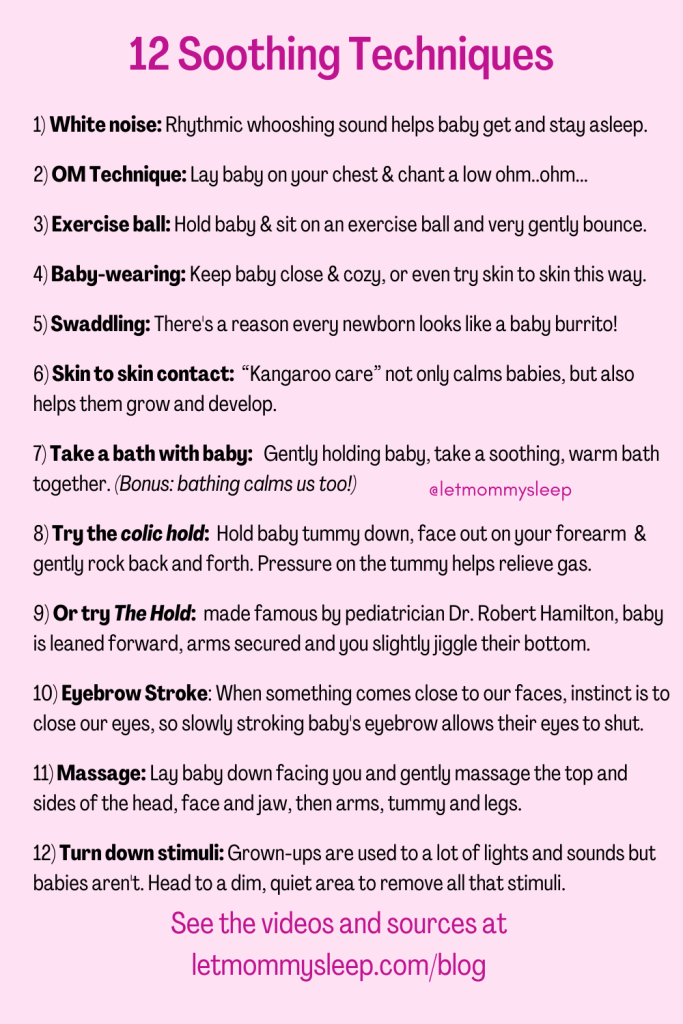
White noise machines mimic the sounds babies hear in the womb. They create a steady, calming background noise that blocks sudden sounds. This helps newborns stay asleep longer and feel safe. Choose a white noise machine with adjustable volume and gentle tones. Place it near the crib but not too close.
Gentle Touch And Movement
Gentle touch and movement help soothe newborns at night. These calming methods create a sense of safety and warmth. Newborns respond well to soft, slow motions and gentle contact. These techniques often ease fussiness and help babies fall asleep faster.
Swaddling For Comfort
Swaddling wraps a baby snugly in a soft blanket. This mimics the cozy feeling of the womb. Swaddling can reduce startle reflexes that wake babies. It helps them feel secure and calm. Always ensure the swaddle is not too tight around the hips.
Rocking And Swaying
Rocking or swaying mimics the gentle motions babies felt before birth. Slow, steady movements can relax a newborn quickly. Use your arms or a rocking chair for this soothing action. Keep movements smooth to avoid startling the baby. This rhythm helps signal bedtime and comfort.
Gentle Massage Techniques
Light massage with soft strokes relaxes muscles and calms the baby. Use fingertips to gently rub the arms, legs, and back. Massage helps improve circulation and eases tension. Use baby-safe oil or lotion for smooth, gentle touch. Always watch the baby’s response to adjust pressure and pace.
Feeding And Burping Tips
Feeding and burping are key parts of calming a newborn at night. Feeding helps the baby feel full and relaxed. Proper burping prevents discomfort that can wake your baby. These tips make nighttime soothing easier.
Feeding Before Sleep
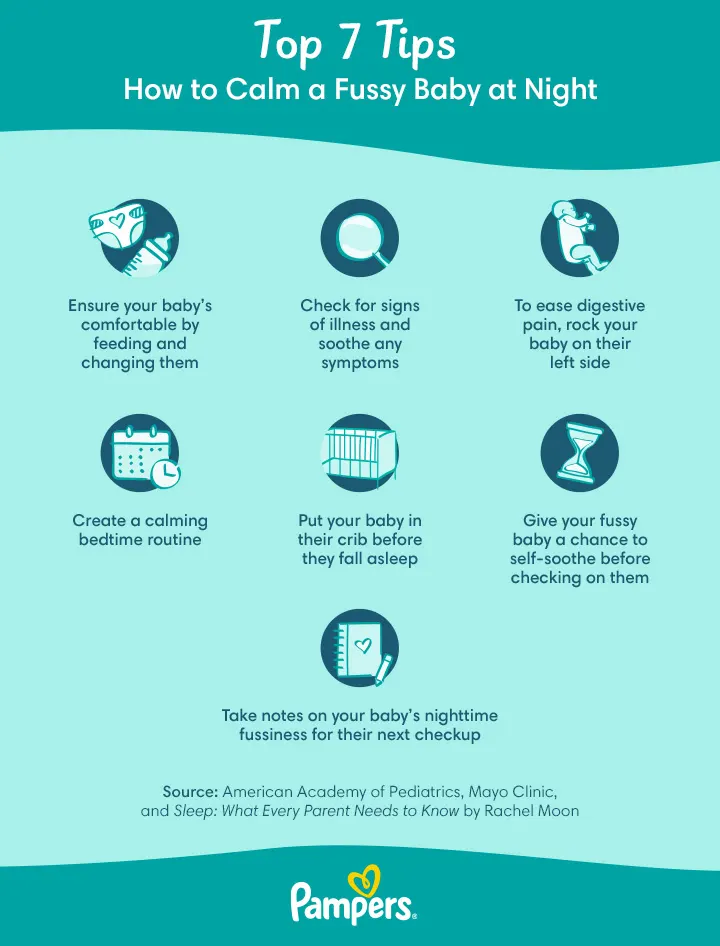
Feed your baby right before bedtime. A full tummy helps them sleep longer. Use a calm and quiet environment. Hold your baby close to create comfort. Slow, gentle feeding soothes and relaxes your newborn. Watch for signs of fullness to avoid overfeeding.
Proper Burping To Avoid Discomfort
Burp your baby after every feeding. Hold your baby upright against your chest. Gently pat or rub their back to release trapped air. Stop if your baby burps or seems comfortable. Burping reduces gas and prevents fussiness. It helps your newborn settle down faster at night.
Establish A Nighttime Routine
Establishing a nighttime routine helps newborns feel safe and relaxed. A steady routine signals that it is time to sleep. Babies find comfort in knowing what comes next. This consistency supports better sleep for both baby and parents.
Consistent Bedtime Rituals
Choose a set time for bedtime every night. Follow the same steps in the same order. This might include changing diapers, putting on pajamas, and dimming the lights. Repeating these actions helps your baby recognize sleep time. Consistency makes falling asleep easier and faster.
Calm Activities Before Sleep
Engage in quiet activities before bed. Soft singing, gentle rocking, or reading a short story work well. Avoid loud noises or bright screens. These calm actions soothe your baby’s mind and body. They prepare your newborn to drift into peaceful sleep.
Manage Crying Effectively
Managing a newborn’s crying at night can be tough. It requires patience and understanding. Knowing how to respond calmly helps both baby and parent sleep better. Learning to handle crying effectively reduces stress and builds trust.
Recognize Different Cries
Babies cry for many reasons. Hunger, discomfort, tiredness, or needing a diaper change. Each cry sounds a bit different. Listen carefully to the tone and length of the cry. A hungry cry is rhythmic and steady. A pain cry is sharp and loud. Understanding these cries helps meet your baby’s needs faster.
Soothing Sounds And Voices
Soft sounds calm babies quickly. Gentle humming or singing soothes their nerves. A familiar voice gives comfort and warmth. White noise, like a fan or soft music, can also help. These sounds create a safe space that reduces crying. Speak softly and slowly to help your baby feel secure.
Use Of Pacifiers And Comfort Objects
Pacifiers and comfort objects help soothe newborns at night. They offer a sense of security and calm. These tools support babies in falling asleep faster. Choosing the right pacifier and soft toy matters for safety and comfort. Parents should select items that fit their baby’s needs and age.
Choosing The Right Pacifier
Select a pacifier that fits your newborn’s mouth well. Soft, flexible nipples mimic the mother’s breast shape. Avoid pacifiers with large handles or parts that can break. Look for one-piece designs to reduce choking risks. Clean pacifiers regularly to keep them safe and hygienic. Replace pacifiers showing wear or damage immediately.
Introducing Soft Toys Safely
Choose soft toys made from breathable materials. Avoid toys with loose parts or small decorations. Soft toys should be lightweight and easy to wash. Introduce the toy during supervised naps first. Remove the toy from the crib once the baby can move. This prevents suffocation hazards and keeps sleep safe.
Monitor Sleep Patterns
Monitoring your newborn’s sleep patterns helps you understand their needs better. It guides you to calm them effectively at night. Observing sleep habits lets you spot changes early. This way, you can adapt your calming methods for better rest.
Track Sleep Cycles
Newborns have short sleep cycles, usually lasting 50 to 60 minutes. Tracking these cycles helps predict when they will wake or fall asleep. Note the time your baby sleeps and wakes up. Watch for patterns in their light and deep sleep phases. Use a simple journal or sleep app to record this data. Consistent tracking reveals your baby’s natural rhythm.
Adjust Techniques Based On Baby’s Needs
Every baby is different. Some need rocking, others prefer quiet cuddles. Use your tracked sleep data to see what works best. Change calming methods depending on your baby’s mood and sleep phase. For example, gentle pats might soothe during light sleep. During deep sleep, avoid loud sounds or bright lights. Tailoring techniques improves your newborn’s comfort and sleep quality.
Frequently Asked Questions
How Can I Soothe My Newborn At Night Quickly?
To soothe your newborn quickly, try gentle rocking, soft singing, or swaddling. A calm environment helps. Use white noise or a pacifier to comfort your baby. Consistency in these techniques promotes faster soothing over time.
What Are The Best Calming Techniques For Newborn Sleep?
Swaddling, gentle rocking, and white noise are top calming techniques. Feeding before sleep can also help. Maintaining a dark, quiet room supports better rest. These methods create a safe, comforting environment for your newborn.
Why Does White Noise Help Calm Newborns At Night?
White noise mimics the womb’s sounds, creating familiarity. It masks other household noises that might wake your baby. This consistent sound soothes and helps newborns fall asleep faster and stay asleep longer.
How Often Should I Use Calming Techniques For Newborns?
Use calming techniques every night during bedtime routines. Regular use helps your newborn associate these methods with sleep. Consistency builds security and improves sleep quality. Adjust techniques as your baby grows and their needs change.
Conclusion
Calming a newborn at night takes patience and gentle care. Try different techniques to find what works best. Soft sounds and gentle rocking often soothe babies quickly. Keep the environment quiet and dim to help them relax. Consistency helps your baby feel safe and calm.
Every baby is unique, so stay patient and kind. Restful nights come with time and gentle routines. Your calm presence makes a big difference for your little one. Keep trying, and soon peaceful nights will feel normal.


