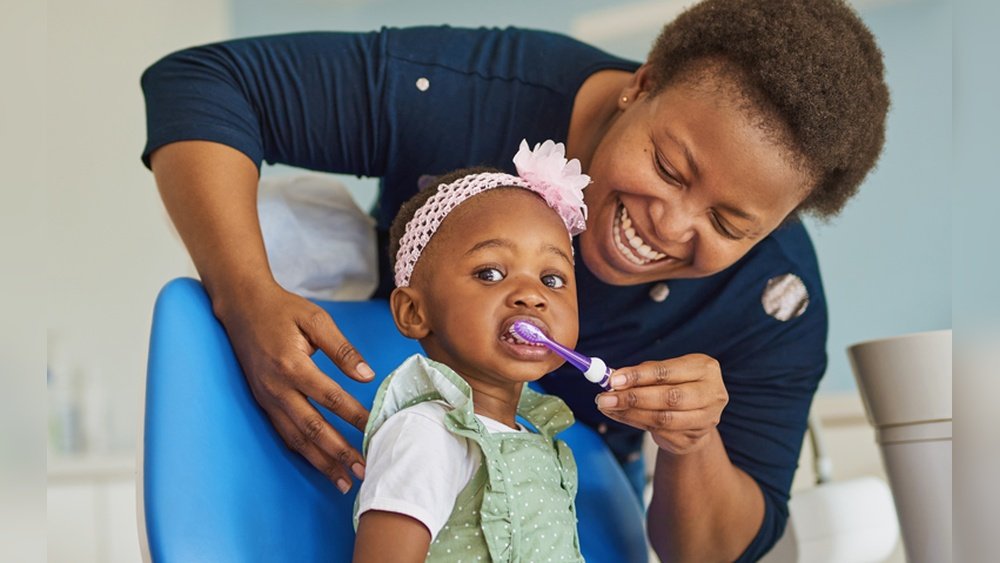
Taking care of your baby’s smile starts even before their first tooth appears. Brushing baby gums might sound unusual, but it’s a simple step that can set the foundation for healthy teeth and a happy mouth.
You might wonder why it matters or how to do it without causing discomfort. Keep reading, and you’ll discover easy tips to protect your little one’s gums and create a gentle routine that benefits their future oral health. This small habit can make a big difference, and you’re about to learn exactly how to get started.
Why Brush Baby Gums
Brushing baby gums is an important step for your child’s oral care. It helps keep the mouth clean even before teeth appear. This habit prepares your baby for healthy teeth and gums. Starting early sets a good routine for lifelong dental health.
Benefits For Oral Health
Cleaning baby gums removes milk residue and bacteria. This lowers the risk of infections in the mouth. It also soothes the gums, reducing discomfort from teething. Gentle brushing helps your baby get used to the feeling of a toothbrush. This makes it easier to start brushing teeth later.
Preventing Early Tooth Decay
Baby gums can hold bacteria that cause tooth decay. Brushing gums stops these bacteria from building up. It also lowers the chance of early childhood cavities. Healthy gums lead to strong and clean teeth once they come in. Protecting gums early helps your child’s smile stay healthy.
When To Start Brushing
Knowing when to start brushing your baby’s gums is important for healthy habits. Caring for gums early helps keep the mouth clean. It also prepares your baby for toothbrushing later.
Before Teeth Erupt
Start cleaning your baby’s gums even before teeth appear. Use a soft, damp cloth or a special gum brush. Gently wipe the gums after feeding to remove milk and food. This practice keeps the gums healthy and fresh.
Signs Baby Is Ready
Watch for signs your baby is ready for brushing. When teeth start to show, begin using a small, soft toothbrush. Your baby may also show interest in your brushing routine. This is a good time to introduce brushing as a daily habit.
Choosing The Right Tools
Choosing the right tools to brush your baby’s gums is very important. The right tools make cleaning safe and comfortable. Babies have delicate gums that need gentle care. Using the correct items helps keep their mouth healthy from the start.
Soft-bristled Brushes
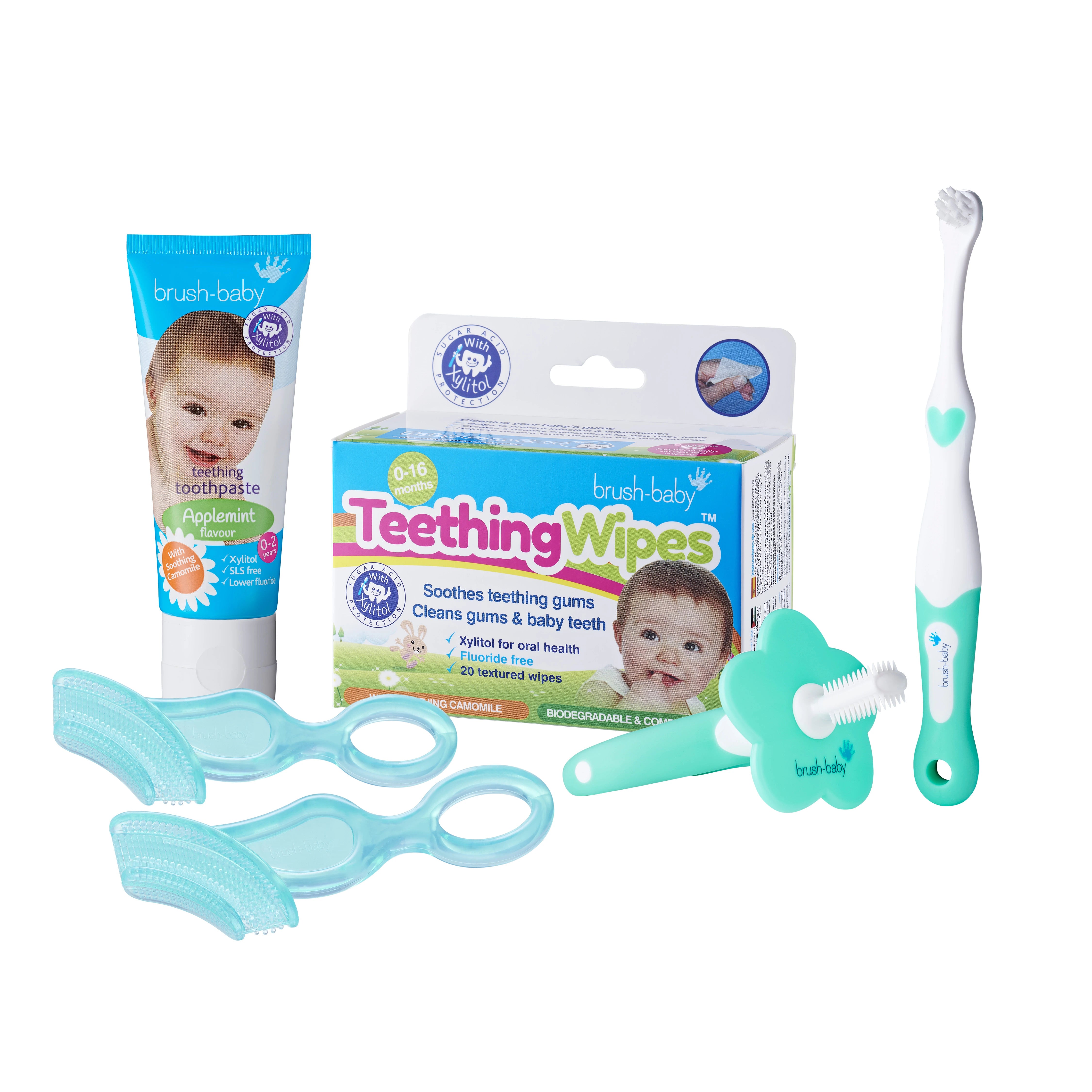
Soft-bristled brushes are perfect for baby gums. They are gentle and do not hurt the soft tissues. These brushes help remove milk residue and bacteria. Look for brushes made with ultra-soft bristles designed for infants. A small head fits well in tiny mouths. Soft brushes make the cleaning process easier for both baby and parent.
Alternatives To Toothbrushes
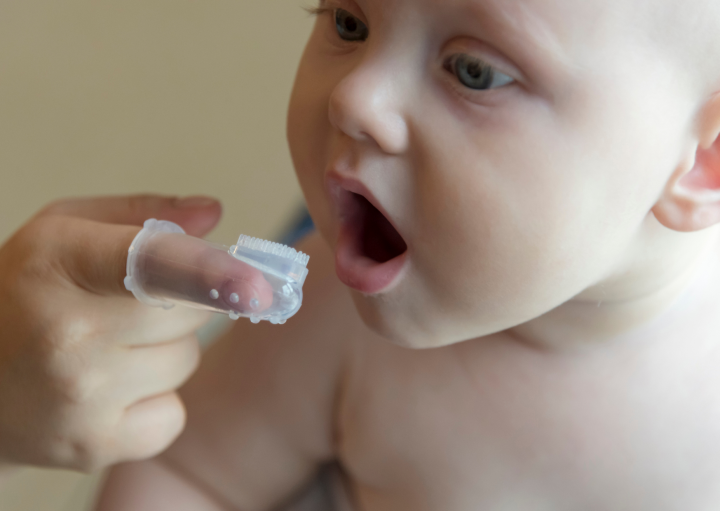
Sometimes, a toothbrush is not the best choice for newborns. Alternatives like silicone finger brushes are very useful. These fit over your finger and feel soft on gums. They offer good control and a gentle touch. Clean cloths or gauze pads can also be used. Wet the cloth and gently wipe the gums. These options help keep baby’s mouth clean until teeth start to appear.
Proper Brushing Techniques
Brushing a baby’s gums is important for healthy teeth later. Proper brushing techniques help keep the gums clean and comfortable. Using the right method can make brushing a positive experience for your baby.
Gentle Circular Motions
Use a soft, damp cloth or a baby toothbrush. Move it in small, gentle circles on the gums. Circular motions clean all parts of the gums evenly. Avoid hard scrubbing to protect the delicate tissue.
Cleaning Upper And Lower Gums
Don’t forget to clean both upper and lower gums. Lift the baby’s lip gently to reach the upper gums. Use the same soft, circular motion on lower gums too. Cleaning both areas keeps the mouth healthy and fresh.
Establishing A Routine
Brushing your baby’s gums is a gentle habit that helps keep their mouth clean. Starting early helps your baby get used to the feeling. A regular routine makes it easier for both of you. It also prepares your baby for brushing teeth later. Consistency is key to making this a daily habit.
Best Times To Brush
Choose times when your baby is calm and happy. After feeding is often best. This removes milk or food from the gums. Before bedtime is important to clean the mouth overnight. Keep the routine simple and short. This helps your baby stay relaxed and comfortable.
Making It Fun For Baby
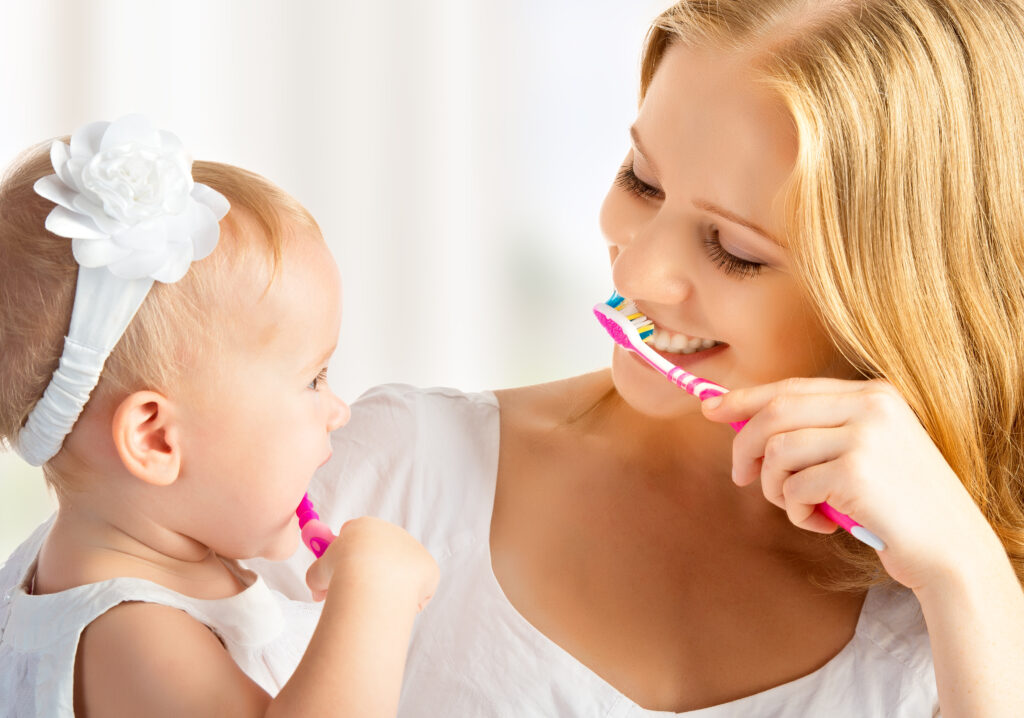
Use a soft brush or a clean, damp cloth. Sing a gentle song or talk softly. Smile and make eye contact to build trust. Let your baby touch the brush to feel it. Praise your baby after brushing to encourage them. Making it fun helps your baby enjoy the process.
Common Challenges And Solutions
Brushing baby gums can be tricky for many parents. Babies often resist the new sensation. They might fuss or pull away. These reactions are common. Parents need patience and simple techniques. Understanding these challenges helps make gum care easier.
Dealing With Resistance
Babies may not like the feeling of brushing. They might turn their heads or close their mouths. Try using a soft, damp cloth instead of a brush first. Let your baby touch the cloth to get used to it. Gently rub the gums with slow, calm motions. Praise your baby softly to create a positive experience. Over time, your baby will accept the routine more easily.
Keeping Baby Calm
Staying calm helps your baby stay calm too. Choose a quiet time for gum care, like after feeding or before sleep. Hold your baby in a comfortable position. Talk or sing softly while brushing. Use gentle, slow movements to avoid startling your baby. If your baby becomes upset, stop and try again later. Patience and quiet comfort build trust during gum care.
When To See A Pediatric Dentist
Brushing your baby’s gums is an important step in their oral care. Knowing when to see a pediatric dentist helps keep your child’s mouth healthy. Early visits can prevent problems and guide you in proper care.
First Dental Visit
The first dental visit should happen by the baby’s first birthday. The dentist will check the gums, teeth, and mouth development. This visit introduces your baby to the dental office. It also gives parents tips on cleaning and feeding habits.
Signs Of Oral Issues
Watch for white or red spots on gums. Swelling or bleeding gums need attention. If your baby has trouble feeding or shows pain, see the dentist. Early care stops problems from getting worse. Regular check-ups keep your baby’s smile bright and healthy.
Frequently Asked Questions
How Do I Brush My Baby’s Gums Safely?
Use a soft, damp cloth or a silicone finger brush. Gently wipe your baby’s gums twice daily to remove bacteria. Avoid toothpaste until teeth appear. This helps establish good oral hygiene early and keeps gums healthy.
When Should I Start Brushing My Baby’s Gums?
Start cleaning your baby’s gums from birth. This prevents bacteria buildup and prepares your baby for tooth brushing. Begin using a soft cloth or finger brush even before teeth emerge.
Why Is Brushing Baby Gums Important?
Brushing baby gums removes bacteria and prevents infections. It also helps your baby get used to oral care routines. Healthy gums support proper tooth development and overall oral health.
Can I Use Toothpaste On My Baby’s Gums?
No, avoid toothpaste until the first tooth appears. Use only water or a damp cloth to clean gums. Once teeth emerge, use a tiny smear of fluoride toothpaste.
Conclusion
Brushing baby gums helps keep your baby’s mouth clean and healthy. It also gets your baby used to good habits early. Use a soft cloth or a small brush gently. Do this at least once a day, especially after feeding.
Healthy gums lead to healthy teeth later. Start this simple routine to protect your baby’s smile. Small steps make a big difference over time. Keep it gentle, consistent, and loving. Your baby will thank you with a bright, happy smile.


