Breastfeeding your newborn can feel overwhelming at first, but you’re not alone. You want the best for your baby, and getting started the right way makes all the difference.
Imagine feeling confident every time you feed your little one, knowing exactly what to do to keep them happy and healthy. You’ll discover simple, practical tips that make breastfeeding easier for you and your baby. Keep reading to unlock the secrets to a smooth, loving breastfeeding experience that strengthens your bond from day one.

Preparing For Breastfeeding
Preparing for breastfeeding helps build confidence and comfort for new moms. It makes the early days easier and less stressful. Simple steps can create a calm space for feeding your newborn. Being ready with the right tools and mindset supports a smooth start.
Choosing A Comfortable Position
Sitting or lying down in a relaxed way helps both mom and baby. Support your back with pillows to avoid strain. Hold your baby close, tummy to tummy. Experiment with different positions to find what feels best. Comfort reduces tension and helps milk flow better.
Gathering Necessary Supplies
Keep essentials nearby before feeding begins. Have nursing bras or tanks for easy access. Soft burp cloths help catch spills. A water bottle keeps you hydrated during feeding. A nursing pillow can support your baby and arms. Ready supplies save time and keep feeding calm.
Setting Realistic Expectations
Breastfeeding takes practice for both mother and baby. It may take time to get the latch right. Some feedings might feel challenging or tiring. Your body needs time to adjust and produce milk. Patience and gentle care help build a strong breastfeeding bond.
Latching Techniques
Latching techniques are very important for successful breastfeeding. A good latch helps the baby feed well and prevents pain for the mother. Learning the right way to latch can make feeding easier and more comfortable.
New mothers often face challenges with latching. Understanding signs of a good latch and ways to fix problems can help both mother and baby enjoy feeding time.
Signs Of A Good Latch
The baby’s mouth covers most of the areola, not just the nipple. Lips are turned outward like a fish. The baby sucks and swallows in a steady rhythm. The mother feels no pain or only mild tugging. The baby’s cheeks look full, not sucked in. Feeding lasts calmly, and the baby seems satisfied after.
Common Latching Challenges
The baby may latch only on the nipple, causing pain. Lips can be tight or curled inward. The baby might pull away often. Feeding may feel uncomfortable or painful. The baby may make clicking sounds while feeding. These signs show the latch might need adjustment.
Tips To Improve Latch
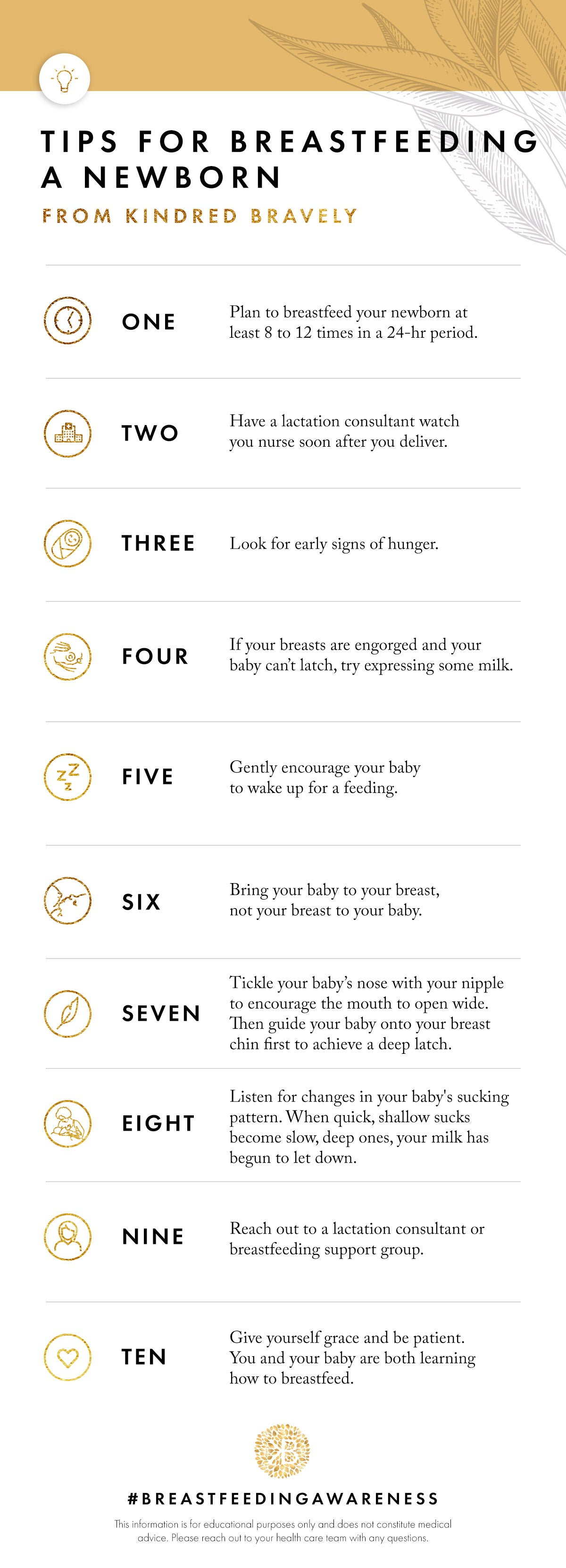
Hold the baby close with tummy to tummy. Support the baby’s neck and shoulders, not the head. Gently touch the baby’s lips with the nipple to encourage opening wide. Wait until the baby opens mouth very wide before latching. Bring the baby quickly onto the breast, aiming the nipple toward the roof of the mouth. Make sure the baby’s chin touches the breast first. If the latch is painful, break it gently and try again. Use different breastfeeding positions to find the most comfortable one.
Feeding Schedules
Feeding schedules are important for newborns and their mothers. They help ensure the baby gets enough milk for growth. At the same time, schedules support the mother’s health and rest. Newborns often have changing needs, so flexibility is key. Understanding feeding patterns helps parents feel more confident and calm. Below are some tips on how to manage feeding times well.
Recognizing Hunger Cues
Babies show signs when they are hungry. Watch for lip smacking, rooting, or sucking on hands. Crying is a late hunger signal. Feeding early helps avoid fussiness and stress. Pay close attention to these cues every day. Responding quickly creates a positive feeding experience.
Establishing A Feeding Routine
Newborns usually feed every two to three hours. Try to feed on demand, but keep track of timing. A simple routine helps regulate milk supply. It also helps the baby feel secure. Over time, patterns will become clearer. Adjust the routine as your baby grows and changes.
Dealing With Cluster Feeding
Sometimes babies want to feed very often in a short time. This is called cluster feeding. It often happens in the evenings or during growth spurts. Cluster feeding helps increase milk supply. It can be tiring for mothers. Remember, this phase is normal and usually short-lived.
Managing Common Issues
Breastfeeding can bring challenges for new mothers. Common issues like sore nipples, engorgement, and blocked ducts can cause discomfort. Knowing how to manage these problems helps make breastfeeding easier and more enjoyable. Simple care steps can relieve pain and keep breastfeeding on track.
Sore Nipples Care
Sore nipples often happen in the first days. Make sure the baby latches correctly. Poor latch causes most nipple pain. Use warm compresses before feeding to soothe discomfort. After feeding, apply a little breast milk to nipples and let them air dry. Avoid harsh soaps or creams that may irritate skin. Change nursing pads often to keep nipples dry.
Engorgement Relief
Engorgement happens when breasts become too full and hard. It can cause pain and swelling. Try warm showers or warm compresses before feeding. This helps milk flow more easily. Gently massage breasts during feeding to ease fullness. Feed more often to prevent engorgement. Cold packs after feeding reduce swelling and pain.
Handling Blocked Ducts
Blocked ducts cause a tender lump in the breast. It can lead to infection if untreated. Massage the area gently while breastfeeding or pumping. Position the baby so the chin faces the blocked duct. This helps drain milk better. Use warm compresses before feeding to open ducts. Keep feeding frequently to avoid milk build-up.
Boosting Milk Supply
Boosting milk supply is a common concern for many new mothers. Breastfeeding success depends on producing enough milk for your baby’s needs. Understanding how to increase milk supply helps create a good feeding routine.
Small changes in nursing habits and lifestyle can improve milk production. Consistent care and attention make a big difference in your breastfeeding journey.
Effective Nursing Practices
Feed your baby often and on demand. Frequent nursing helps stimulate milk production. Make sure your baby latches well. A deep latch allows better milk flow. Switch breasts during feeding to empty each side. Avoid long breaks between feedings. Use breast compression to encourage milk flow. Skin-to-skin contact also boosts milk supply. Try to relax during nursing sessions. Stress can reduce milk production.
Diet And Hydration Tips
Drink plenty of water throughout the day. Staying hydrated supports milk production. Eat balanced meals with enough calories. Include foods rich in protein and healthy fats. Some mothers find oatmeal and fenugreek helpful. Avoid caffeine and alcohol as they may reduce milk supply. Small, frequent meals keep your energy steady. A healthy diet helps your body make more milk.
When To Seek Help
Talk to a lactation consultant if milk supply stays low. They can check your baby’s latch and feeding habits. Reach out if your baby is not gaining weight well. Look for signs like fussiness or long feeding times. Your healthcare provider can rule out medical issues. Don’t wait too long to get support. Early help improves breastfeeding success for mother and baby.
Balancing Breastfeeding And Rest
Balancing breastfeeding and rest is crucial for new moms. Breastfeeding can be tiring, especially during the first few weeks. Rest helps your body heal and keeps your milk supply steady. Finding a good balance allows you to care for your baby and yourself.
Sharing Night Feedings
Night feedings can be exhausting. Share this task with your partner or family. They can help by changing diapers or comforting the baby after feeding. This support gives you time to rest between feedings. Even small breaks make a big difference.
Self-care For New Moms
Taking care of yourself is not selfish. Drink water often to stay hydrated. Eat healthy meals to keep your energy up. Try to nap when the baby sleeps. Simple actions help you feel better and support breastfeeding.
Avoiding Burnout
Breastfeeding is rewarding but can cause stress. Set realistic expectations for yourself. Ask for help if you feel tired or overwhelmed. Relaxation techniques, like deep breathing, calm your mind. Taking care of your mental health protects your well-being.
When To Consult Professionals
Breastfeeding can be challenging for new mothers. Knowing when to seek help is important for your baby’s health and your comfort. Professionals can offer guidance and support to make breastfeeding easier. This section highlights key moments to consult experts.
Identifying Warning Signs
Watch for signs like poor weight gain or constant fussiness. Sore or cracked nipples that do not heal need attention. If your baby struggles to latch or feeds very little, ask for help. These signs may indicate feeding problems or infections.
Lactation Consultant Support
Lactation consultants specialize in breastfeeding issues. They can teach proper latch techniques and positioning. These experts help increase milk supply and reduce pain. Early support can prevent long-term breastfeeding problems.
Medical Advice For Feeding Issues
Some feeding issues require medical evaluation. If your baby vomits often or has breathing troubles, see a doctor. Medical conditions like tongue-tie or allergies need treatment. A healthcare provider can offer solutions to improve feeding.

Frequently Asked Questions
How Often Should I Breastfeed My Newborn?
Newborns typically breastfeed 8-12 times daily. Feeding on demand helps ensure they get enough milk and stay hydrated. Watch for hunger cues like rooting or sucking motions. Regular feeding also supports milk supply and newborn growth.
What Is The Best Breastfeeding Position For Newborns?
Common positions include cradle, football hold, and side-lying. Choose one that feels comfortable for you and your baby. Proper latch and support are key to preventing pain and ensuring effective feeding.
How Can I Tell If My Newborn Is Getting Enough Milk?
Check for consistent wet diapers (6-8 daily) and steady weight gain. Your baby should seem satisfied after feeding and feed regularly. Consult your pediatrician if you have concerns about intake or growth.
What Should I Do If Breastfeeding Is Painful?
Pain may indicate latch problems or infection. Try repositioning your baby and ensure a deep latch. If pain persists, seek help from a lactation consultant to address issues promptly.
Conclusion
Breastfeeding your newborn takes patience and practice. Each baby feeds in their own way and time. Stay calm and trust your body’s natural ability. Seek help from nurses or support groups if needed. Keep your baby close and enjoy these special moments.
Small steps lead to a strong, healthy bond. Remember, every feeding builds comfort and growth. Your effort matters more than perfection. Keep going—you are doing an amazing job.