If you’re a mom who pumps breast milk, you know how important it is to keep it fresh and safe for your baby. But do you ever wonder what the best way to store pumped breast milk really is?
Using the right storage methods can protect the nutrients and make feeding time easier for you. You’ll discover simple, effective tips to store your milk the right way—so you can feel confident that your baby is getting the best every time.
Keep reading to find out how small changes in storage can make a big difference for you and your little one.
Choosing The Right Containers
Choosing the right containers for storing pumped breast milk is very important. It keeps the milk fresh and safe for your baby. The right container also makes feeding easier. It helps prevent leaks and spills. This section explains the types of containers, their materials, and the choice between reusable and disposable options.
Types Of Breast Milk Storage Containers
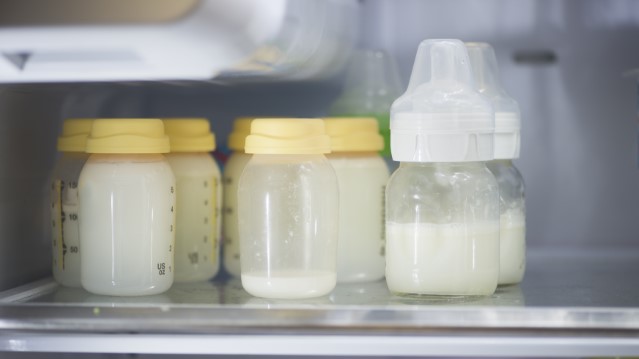
Breast milk can be stored in bottles, bags, or special storage cups. Bottles are sturdy and easy to clean. Storage bags save space and are good for freezing milk. Storage cups offer flexibility and are less common but useful. Each type has its own benefits for storage and feeding.
Benefits Of Bpa-free Materials
BPA is a chemical that can harm babies. Containers made from BPA-free materials keep milk safe. These containers do not release harmful chemicals. Using BPA-free containers protects your baby’s health. Look for labels that say “BPA-free” to choose safe storage options.
Reusable Vs Disposable Options
Reusable containers can be washed and used many times. They reduce waste and save money over time. Disposable containers are for one-time use. They are convenient for travel or busy days. Choose reusable for home use and disposable for quick storage needs.
Proper Cleaning And Sterilization
Proper cleaning and sterilization are key to keeping pumped breast milk safe. Clean containers prevent germs from growing. This protects your baby’s health. Follow clear steps to wash, sterilize, and dry bottles and parts. This ensures milk stays fresh and clean.
Washing Guidelines
Start by rinsing all breast pump parts and containers with cool water. Use warm, soapy water to wash each piece thoroughly. Scrub hard-to-reach areas with a small brush. Avoid using harsh detergents or bleach. Rinse everything well to remove soap residues.
Sterilizing Techniques
Boiling parts in water for five minutes kills most bacteria. Use a steam sterilizer for a fast and easy method. Microwave sterilizer bags also work well. Always follow the manufacturer’s instructions for sterilizing. Sterilize parts before the first use and after each feeding.
Drying And Storing Clean Containers
Air-dry all parts on a clean towel or drying rack. Avoid using cloth towels that may carry germs. Store dry containers in a clean, sealed container or bag. Keep them in a cool, dry place until the next use. Dry and clean containers help keep milk fresh longer.
Optimal Storage Conditions
Proper storage keeps pumped breast milk fresh and safe for your baby. Following clear rules helps preserve milk’s nutrients and prevents spoilage. Different storage methods need different care.
Understanding the best conditions helps you protect milk quality. Keep milk safe by following temperature and timing limits. Learn the right way to store milk at room temperature, in the fridge, and in the freezer.
Room Temperature Limits
Freshly pumped breast milk stays good at room temperature for up to 4 hours. Keep it in a clean, cool place away from direct sunlight. Avoid warm areas, like near stoves or heaters. Use milk within this time to ensure safety.
Refrigeration Guidelines
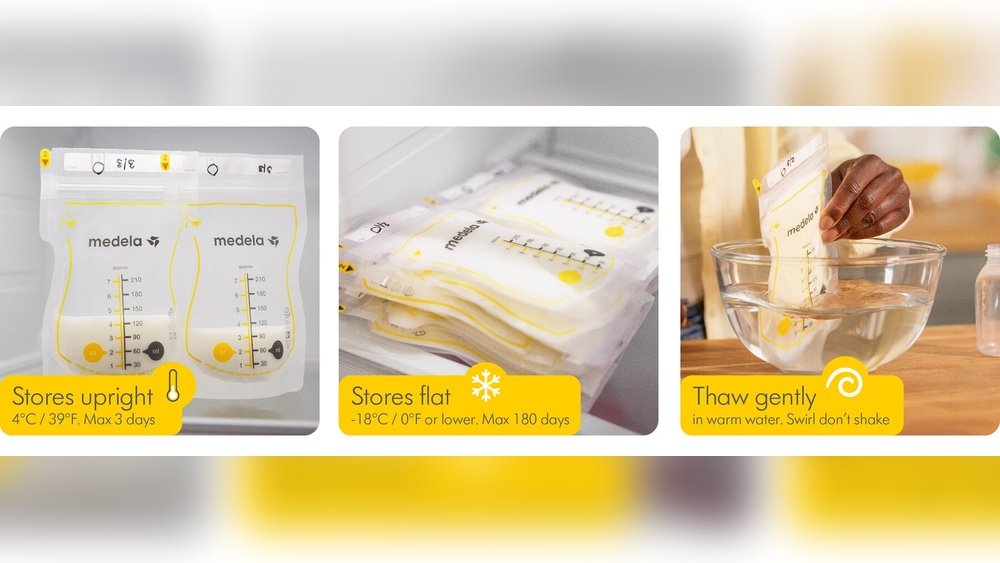
Store breast milk in the refrigerator at 39°F (4°C) or below. It lasts up to 4 days in the fridge. Place milk at the back, not in the door, for stable temperature. Use clean, sealed containers or bags made for breast milk storage.
Freezing Breast Milk Safely
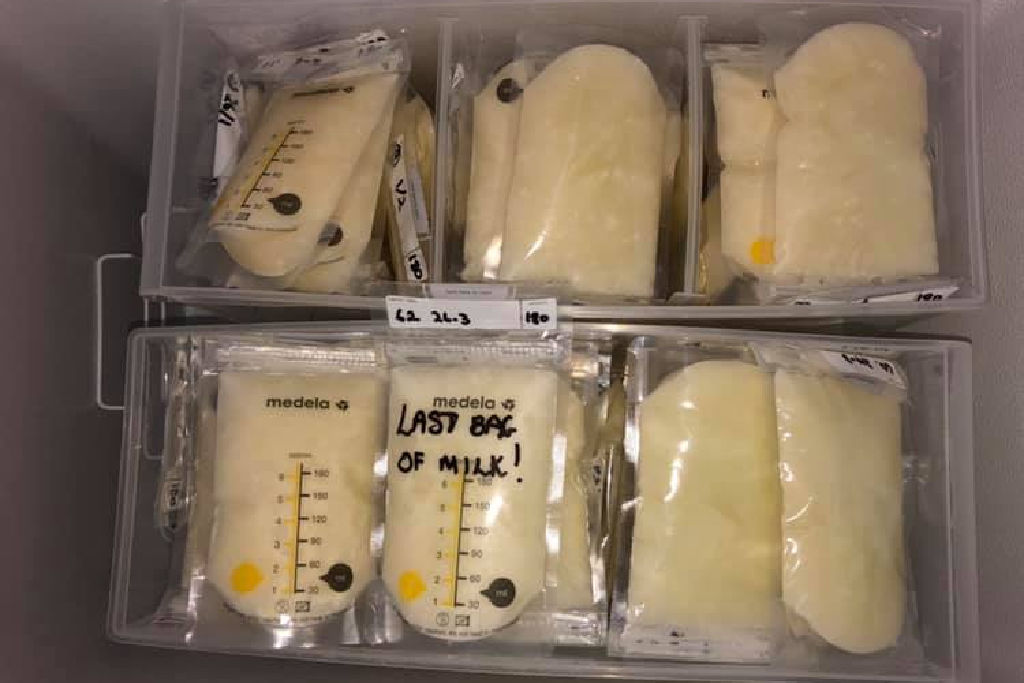
Freeze breast milk if you won’t use it within 4 days. Use a freezer set at 0°F (-18°C) or colder. Store milk in small portions to avoid waste. Use BPA-free containers or special freezer bags. Label each with date and time. Milk can last up to 6 months frozen.
Labeling And Organizing Milk
Proper labeling and organizing of pumped breast milk helps keep it safe and fresh. It makes feeding time easier and reduces waste. Clear labels and good storage habits protect your baby’s health. Simple steps can save time and avoid confusion.
Date And Time Marking
Write the date and time on each milk container. Use a permanent marker or label stickers. This information shows which milk to use first. Always mark milk right after pumping. It helps track freshness and prevents feeding old milk.
First In, First Out Method
Use the oldest milk first. This method keeps milk fresh and safe. Store new milk behind older milk in the fridge or freezer. Check dates regularly and remove expired milk. This system avoids waste and keeps feeding organized.
Storing Milk By Quantity
Store milk in small, usable amounts. Divide milk into portions your baby usually drinks. It reduces waste by not thawing too much at once. Use small bottles or bags for easy feeding. Label each portion clearly for quick use.
Thawing And Warming Milk
Thawing and warming pumped breast milk properly keeps its nutrients and safety. Using the right methods helps protect the milk from harmful bacteria. It also keeps the milk fresh and tasty for your baby.
Safe Thawing Practices
Thaw milk slowly in the refrigerator. This takes about 12 hours for a small bottle. Avoid thawing milk at room temperature. It can cause bacteria to grow. Use cold water to thaw milk faster. Change the water every 30 minutes. Always use thawed milk within 24 hours. Do not refreeze thawed milk.
Avoiding Microwaves
Never heat milk in a microwave. It heats unevenly and creates hot spots. Hot spots can burn your baby’s mouth. Microwaving also destroys important nutrients in milk. Instead, use safer warming methods. Protect your baby’s health by avoiding microwaves.
Best Warming Techniques
Warm milk by placing the bottle in warm water. Use water below 120°F (49°C) to keep milk safe. Swirl the bottle gently to mix the milk. Test the temperature on your wrist before feeding. Avoid shaking the milk too hard. Warm milk quickly but gently for the best results.
Handling Leftover Milk
Handling leftover breast milk properly keeps your baby safe and healthy. After feeding, some milk may remain in the bottle. Knowing how to store or discard it avoids waste and prevents feeding your baby spoiled milk. Follow these simple tips to manage leftover milk with care.
Storage After Feeding
Do not save leftover milk if your baby drank from the bottle. Bacteria from your baby’s mouth can enter the milk. Store only milk that your baby did not drink. Keep it in the fridge for up to 2 hours. Do not freeze leftover milk after feeding.
Signs Of Spoiled Milk
Smell the milk to check freshness. Spoiled milk smells sour or off. Look for changes in color or texture. Spoiled milk may look curdled or separated. Trust your senses. When in doubt, throw it away.
When To Discard
Throw away leftover milk after 2 hours at room temperature. Discard refrigerated milk after 24 hours. Do not use milk frozen longer than 6 months. Always discard milk with signs of spoilage. Keep your baby safe by discarding old or questionable milk.
Tips For Maintaining Milk Quality
Keeping pumped breast milk fresh and safe is very important. Proper storage helps protect nutrients and prevent spoilage. Follow simple tips to maintain milk quality and keep your baby healthy.
Avoiding Contamination
Always wash your hands before handling milk. Use clean bottles or bags made for breast milk storage. Avoid touching the inside of containers or lids. Seal containers tightly to stop germs from entering. Label each container with the date to use the oldest milk first.
Minimizing Air Exposure
Fill containers to reduce empty space and limit air contact. Air can cause milk to spoil faster. Use containers with airtight lids. Avoid opening the container often. Store milk in small portions to prevent waste and keep freshness.
Transporting Milk Safely
Use insulated bags with ice packs to keep milk cold during transport. Keep milk at a safe temperature below 40°F (4°C). Avoid leaving milk in warm places like cars for long times. Check milk temperature before feeding to ensure it is safe.
Frequently Asked Questions
How Long Can Pumped Breast Milk Be Stored Safely?
Pumped breast milk can be stored at room temperature for 4 hours. In the refrigerator, it lasts up to 4 days. Frozen milk remains safe for 6 months in a regular freezer and up to 12 months in a deep freezer.
What Is The Best Container For Storing Breast Milk?
Use BPA-free plastic or glass containers with airtight lids. Breast milk storage bags designed for freezing are also ideal. Avoid regular plastic bags or bottles not meant for milk storage to prevent contamination and leaks.
How Should Breast Milk Be Thawed For Feeding?
Thaw breast milk in the refrigerator overnight or by placing the container in warm water. Avoid microwaving, as it can destroy nutrients and create hot spots. Gently swirl the milk to mix before feeding.
Can I Refreeze Thawed Breast Milk Safely?
No, once breast milk is thawed, it should be used within 24 hours. Refreezing thawed milk is not recommended because it can degrade quality and increase bacterial growth risk.
Conclusion
Storing pumped breast milk safely keeps your baby healthy and happy. Use clean containers and label each with the date. Keep milk in the fridge or freezer right away. Avoid keeping milk at room temperature for too long. Thaw frozen milk gently in warm water.
Always check the milk before feeding. These simple steps help preserve milk’s quality and nutrients. Caring for your stored milk makes feeding easier and stress-free. Trust your routine and enjoy the bonding moments with your baby.