Are you looking for a simple way to help your newborn feel safe and sleep better? Swaddling might be the answer you’ve been searching for.
This age-old technique can calm your baby, reduce crying, and even improve their sleep quality. Imagine your little one feeling snug and secure, just like they did in the womb. Keep reading to discover how swaddling can make a big difference for both you and your baby, and learn the best ways to do it safely.
Your journey to more peaceful nights starts here.
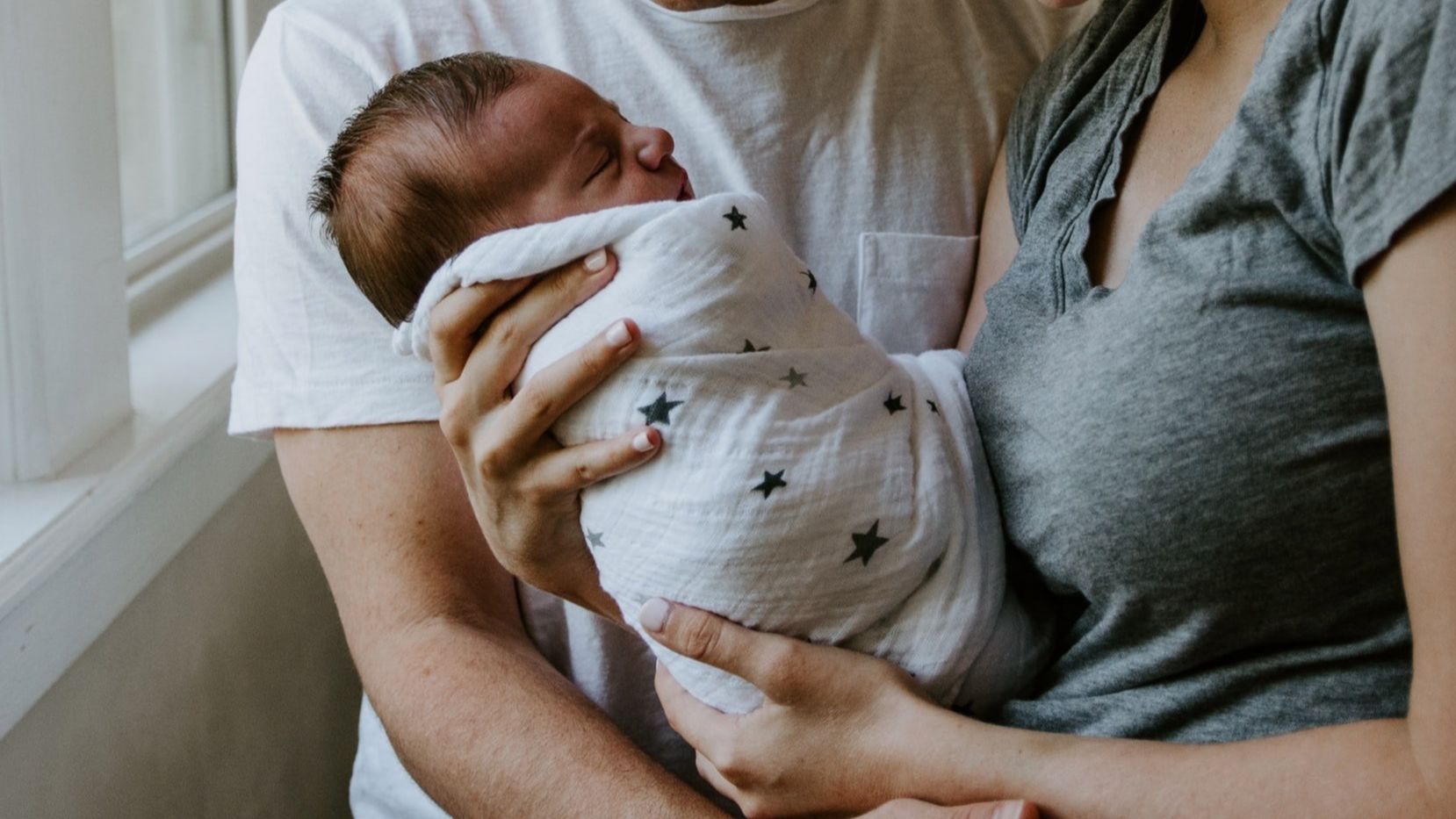
Why Swaddle Newborns
Swaddling is an age-old practice that helps newborns feel calm and safe. It wraps babies snugly in a soft cloth, mimicking the cozy womb. This simple technique offers many benefits to both babies and parents. Understanding why swaddling works can help caregivers provide better care and comfort.
Promotes Better Sleep
Swaddling helps babies sleep longer and more soundly. The snug wrap stops them from waking up from their own movements. It creates a quiet, peaceful environment for rest. Better sleep supports healthy growth and brain development in newborns.
Reduces Startle Reflex
Babies have a natural startle reflex that can wake them suddenly. Swaddling keeps their arms close to their body. This stops the reflex from causing sudden jerks. Less waking means less fussiness and more calm moments.
Provides Security And Comfort
The tight wrap simulates the feeling of being in the womb. This brings a strong sense of safety to newborns. Swaddled babies often cry less and feel more relaxed. It helps them adjust smoothly to the new world outside.
Swaddling Techniques
Swaddling is a helpful way to calm and comfort newborns. Using the right technique makes swaddling safe and effective. This section explains how to swaddle your baby with ease.
Choosing The Right Blanket
Select a thin, breathable blanket for swaddling. Cotton or muslin fabrics work best. Avoid thick or heavy materials that can cause overheating. The blanket should be large enough to wrap the baby securely. Square-shaped blankets measuring about 40 inches work well.
Step-by-step Wrapping Method
Lay the blanket flat and fold one corner down. Place the baby on their back with their shoulders just below the fold. Wrap the left side of the blanket snugly over the baby’s body and tuck it under their right side. Fold the bottom of the blanket up over the baby’s feet. Wrap the right side of the blanket across the baby and tuck it under their left side securely.
Safe Swaddling Practices
Always place your baby on their back to sleep. Make sure the swaddle is snug but not too tight. Leave enough room for the baby’s hips to move. Stop swaddling once your baby shows signs of rolling over. Avoid covering the baby’s face or neck with the blanket. Check the baby often to ensure comfort and safety.
Health Benefits Of Swaddling
Swaddling is an age-old practice that offers many health benefits for newborns. Wrapping a baby snugly in a soft cloth can help create a safe and comforting environment. This simple method helps babies feel secure and calm, similar to being in the womb. The health benefits of swaddling go beyond comfort and play a key role in a baby’s early development and safety.
Improves Sleep Patterns
Swaddling helps babies sleep longer and more peacefully. It prevents sudden movements that wake them up. This calming effect means babies fall asleep faster. Better sleep supports overall growth and brain function. Parents often notice their babies are less fussy at night.
Supports Neurological Development
Swaddling provides a gentle pressure that soothes a baby’s nervous system. This calming touch helps regulate their responses to new stimuli. It allows their brains to develop without stress or overstimulation. Babies feel safe and less overwhelmed, which supports healthy brain growth.
Reduces Risk Of Sids
Swaddling encourages babies to sleep on their backs, which is safer. This position lowers the risk of Sudden Infant Death Syndrome (SIDS). Keeping the baby snug also prevents them from covering their faces. It creates a safer sleep space, reducing dangers during sleep.
Common Mistakes To Avoid
Swaddling helps soothe newborns and improve sleep. Yet, mistakes can reduce its benefits. Avoiding common errors keeps your baby safe and happy. This section covers key mistakes to watch for during swaddling.
Wrapping Too Tight
Wrapping your baby too tight can cause harm. It limits their movement and can affect breathing. Babies need some room to move their hips and legs. Use gentle snugness, not a firm squeeze. Check that your baby’s chest can rise easily with each breath.
Overheating Risks
Overheating is a serious risk while swaddling. Use lightweight blankets and dress your baby lightly underneath. Watch for signs like sweating or flushed skin. Keep the room temperature comfortable, not too hot. Overheating can increase the chance of Sudden Infant Death Syndrome.
Ignoring Baby’s Cues
Babies show when they are uncomfortable or ready to stop swaddling. Look for signs like fussiness or trying to roll over. Swaddling too long can restrict natural movement. Pay attention to your baby’s signals and adjust accordingly. Comfort and safety always come first.
When To Stop Swaddling
Swaddling is a great way to help newborns sleep better. But babies grow fast. Knowing when to stop swaddling is very important. Stopping at the right time helps keep your baby safe and comfortable.
Signs Baby Is Ready
Babies start showing signs when they are ready to stop swaddling. One sign is when they try to roll over. Rolling over means swaddling can be unsafe. Another sign is when your baby’s arms move freely. If they push the swaddle away, it might be time to stop. Watch your baby’s movements closely.
Transitioning To Other Sleepwear
Switching from swaddling to other sleepwear can be smooth. Use sleep sacks or wearable blankets that keep your baby warm. These allow arm movement while keeping the body snug. Change sleepwear gradually to help your baby adjust. Keep the room temperature comfortable during this change.
Ensuring Continued Comfort
Comfort is key after stopping swaddling. Dress your baby in soft, breathable clothes. Check that the sleepwear is not too tight or loose. Maintain a calm bedtime routine to help your baby relax. Keep the sleep space safe and cozy without loose blankets.
Additional Tips For Calming Newborns
Calming a newborn can be a challenge. Swaddling helps, but there are other easy ways to soothe your baby. These tips work well alongside swaddling to create a calm, peaceful environment. Each method supports your baby’s natural need for comfort and security.
Using White Noise
White noise mimics sounds babies hear in the womb. It can mask sudden noises that startle them awake. Try a soft, steady sound like a fan or gentle rain. Keep the volume low to protect your baby’s hearing. White noise helps babies relax and fall asleep faster.
Gentle Rocking And Movement
Babies love gentle motion. Rocking or swaying soothes their nervous system. Hold your baby close and move slowly. Use a rocking chair or walk around with your baby in your arms. This motion helps reduce fussiness and calms crying quickly.
Establishing A Sleep Routine
Babies feel safe with routines. Try feeding, swaddling, and rocking at the same time each night. A consistent bedtime routine signals sleep time. Keep the environment calm and dim. Over time, your baby learns to relax and sleep better.
Frequently Asked Questions
What Are The Main Benefits Of Swaddling Newborns?
Swaddling helps newborns feel secure by mimicking the womb environment. It reduces startle reflexes, promotes better sleep, and soothes fussiness. Swaddling also helps regulate body temperature and can prevent sudden movements that wake the baby, making it a helpful technique for newborn comfort and rest.
How Does Swaddling Improve Newborn Sleep Quality?
Swaddling limits a baby’s sudden arm movements, which can disrupt sleep. By providing a snug, cozy feeling, it helps babies fall asleep faster and stay asleep longer. This calming effect leads to more restful and uninterrupted sleep for both newborns and parents.
Is Swaddling Safe For All Newborns?
Swaddling is generally safe when done correctly and when babies are placed on their backs. Avoid swaddling too tightly, especially around the hips, to prevent hip dysplasia. Always stop swaddling once the baby shows signs of rolling over to ensure safety.
Can Swaddling Reduce Newborn Crying And Fussiness?
Yes, swaddling can soothe newborns by providing a secure, womb-like feeling. This comfort often reduces crying and fussiness, helping babies feel calm. It is especially effective during the first few months when babies adjust to the outside world.
Conclusion
Swaddling helps newborns feel safe and calm. It can improve their sleep quality and reduce crying. Parents often find it easier to soothe a swaddled baby. Always swaddle safely to avoid overheating or hip problems. Simple steps can make a big difference for both baby and parents.
Swaddling is a gentle way to support your newborn’s comfort and rest. Try it carefully and enjoy the peaceful moments it brings.


