If you’re a parent, seeing a rash on your baby’s skin can be worrying and confusing. You want to understand what’s causing it and how to help your little one feel better quickly.
Baby skin rashes can happen for many reasons, and knowing the common causes can give you peace of mind and the right steps to take. You’ll discover what might be behind those red spots and how to spot when it’s time to seek help.
Keep reading to learn what you need to know to protect your baby’s delicate skin.
Common Types Of Baby Skin Rashes
Babies often get skin rashes. These rashes can worry parents. Knowing common types helps understand them better. Each rash has unique signs and causes. Recognizing them can help in caring for your baby.
Diaper Rash
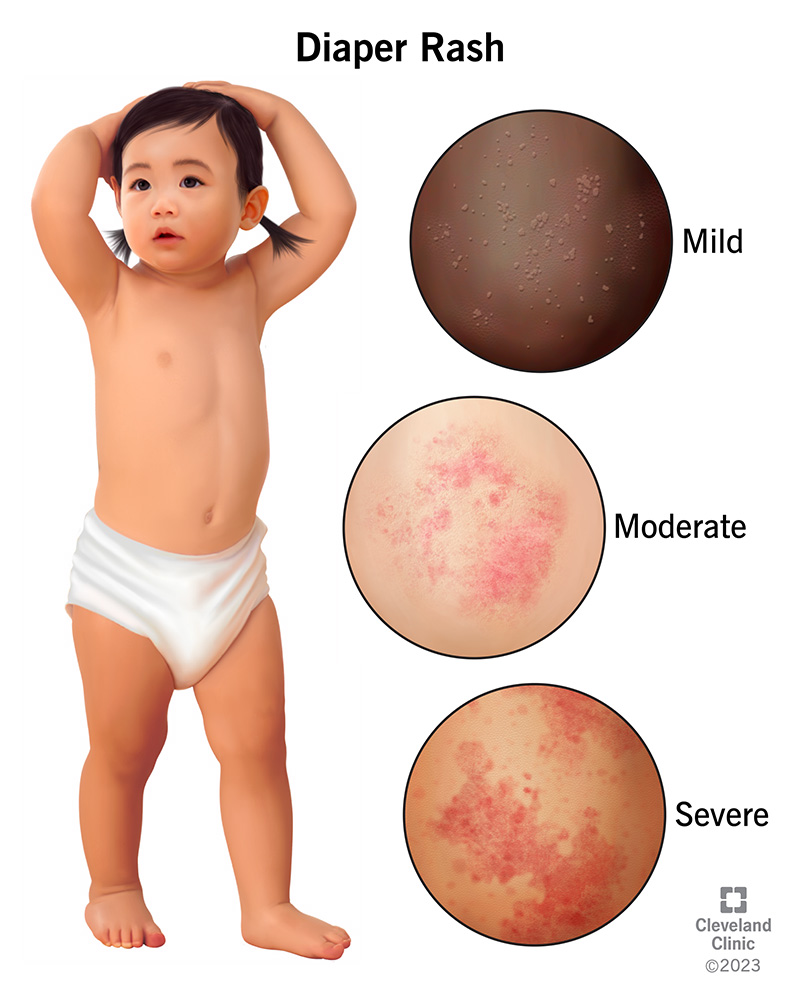
Diaper rash happens in the diaper area. It looks red and sore. Wet diapers and friction cause it. Changing diapers often helps prevent it. Using gentle wipes and creams soothes the skin.
Eczema
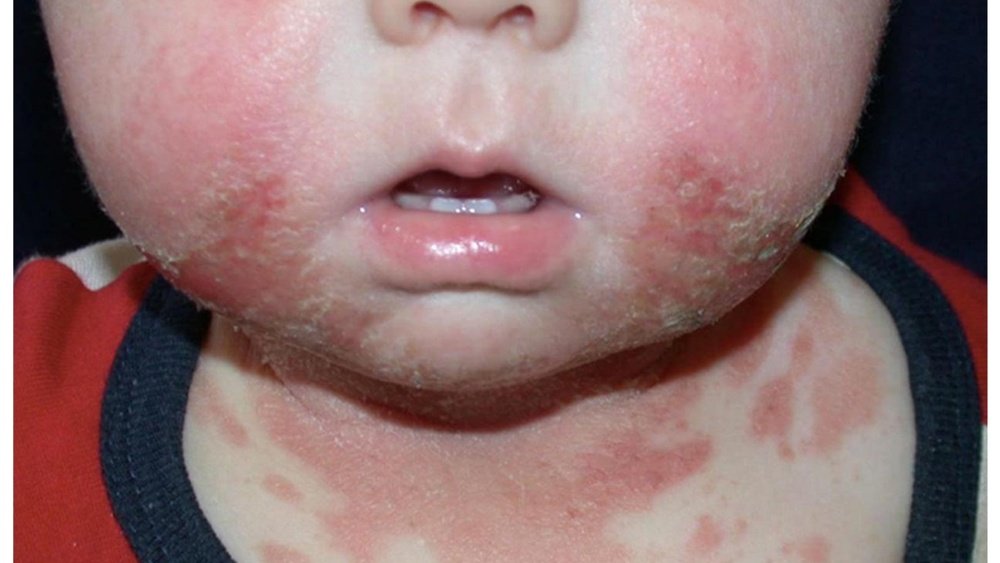
Eczema makes skin dry and itchy. It often appears on cheeks and arms. The skin may crack or peel. Keeping skin moisturized is important. Avoiding harsh soaps helps reduce flare-ups.
Heat Rash
Heat rash shows as tiny red bumps. It happens in hot, humid weather. Sweat blocks skin pores causing the rash. Dressing baby in light clothes helps. Cool baths can ease discomfort.
Cradle Cap
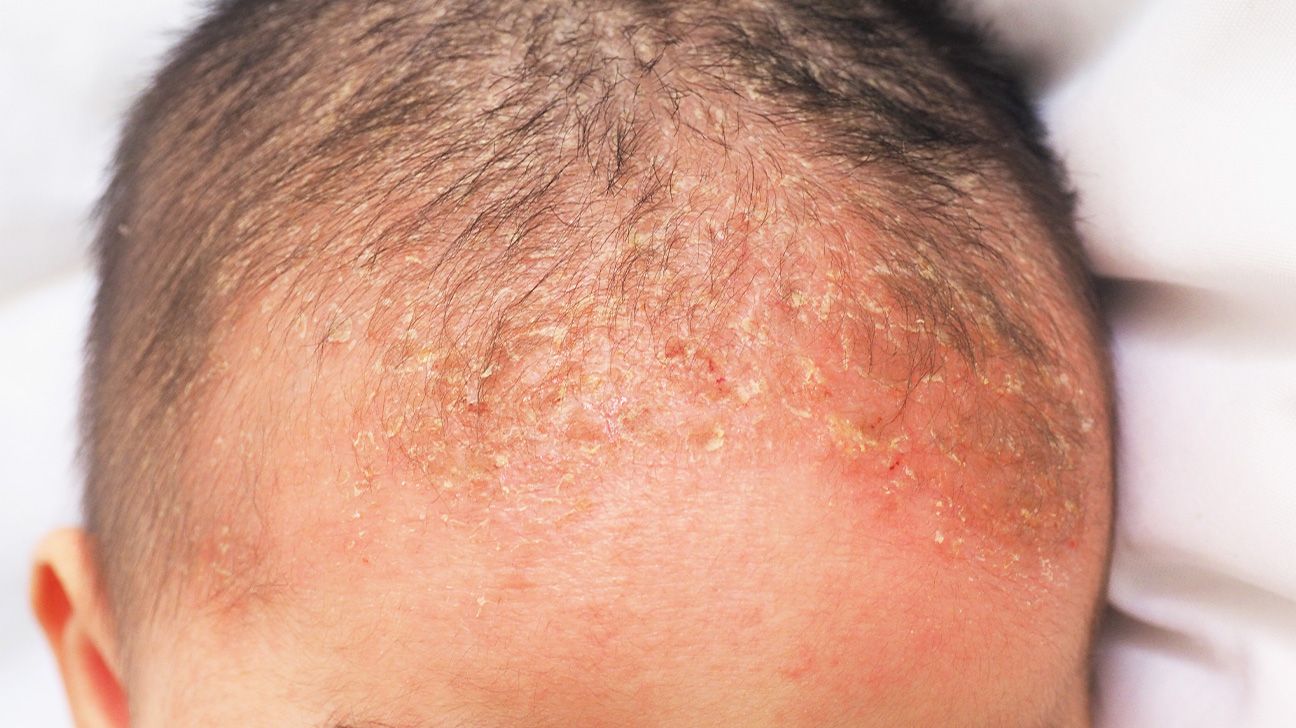
Cradle cap forms yellow, scaly patches on the scalp. It is common in newborns. The cause is excess oil on the skin. Gentle washing with mild shampoo clears it. Brushing softens the scales.
Allergic Reactions
Allergic reactions cause red, itchy spots. New foods, soaps, or fabrics may trigger them. The rash can appear suddenly. Identifying the allergen stops the reaction. A doctor can suggest treatments.
Infections Leading To Rashes
Infections often cause rashes on a baby’s delicate skin. These rashes can appear suddenly and cause discomfort. Knowing the types of infections helps in proper care and treatment. Infections can be fungal, bacterial, or viral. Each type has distinct signs and needs specific attention.
Fungal Infections
Fungal infections happen when fungi grow on the skin. They thrive in warm, moist places like diaper areas. Common fungal rashes include diaper rash caused by yeast. These rashes look red, patchy, and sometimes have small bumps. Treatment involves keeping the skin dry and using antifungal creams.
Bacterial Infections
Bacterial infections occur when harmful bacteria invade the skin. They may cause redness, swelling, and pus-filled blisters. Impetigo is a common bacterial rash in babies. It spreads quickly and needs antibiotic ointments or medicines. Good hygiene and cleaning help prevent bacterial infections.
Viral Infections
Viral infections can cause different types of rashes in babies. These rashes often come with fever and other symptoms. Common viral rashes include roseola and chickenpox. The rash may be flat or raised and can spread over the body. Viral rashes usually clear up on their own but require comfort care.
Environmental Triggers
Environmental triggers often cause skin rashes in babies. These triggers come from the surroundings and affect the delicate skin of infants. Babies have sensitive skin that reacts quickly to small changes. Understanding these triggers helps prevent rashes and keeps babies comfortable.
Irritants In Clothing And Detergents
Clothes can cause skin irritation. Rough fabrics like wool or synthetic materials may irritate baby skin. Tight clothes can also trap sweat and cause rashes. Detergents used to wash baby clothes sometimes have strong chemicals. These chemicals can leave residue and cause redness or itching. Using gentle, fragrance-free detergents reduces the risk of irritation.
Weather And Temperature Changes
Hot weather makes babies sweat more. Sweat can irritate the skin and cause heat rash. Cold weather can dry out the skin, leading to itching and redness. Sudden changes from hot to cold can confuse baby skin. Keeping babies cool in summer and warm in winter helps protect their skin.
Exposure To Chemicals
Many household items contain chemicals that harm baby skin. Soaps, shampoos, and lotions with strong ingredients can cause rashes. Cleaning products or air fresheners may also irritate sensitive skin. Avoid products with harsh chemicals near babies. Choose mild and natural alternatives instead.

Food-related Causes
Food can cause skin rashes in babies. Sometimes, their bodies react to certain foods. These reactions show up as red, itchy, or bumpy skin. Understanding food-related causes helps parents keep babies comfortable and healthy.
Babies’ immune systems are still growing. This makes some foods harder to digest. The skin may react to these foods as a sign of trouble inside.
Food Allergies
Food allergies happen when a baby’s immune system sees a food as harmful. The body fights back and causes skin rashes. Common allergy foods include eggs, peanuts, and soy. Rashes from allergies can be red and swollen. Sometimes hives appear as raised bumps on the skin. These rashes often come with other signs like swelling or breathing trouble. It is important to watch for reactions after introducing new foods.
Milk Protein Intolerance
Milk protein intolerance is different from a milk allergy. It happens when a baby cannot digest proteins in cow’s milk. This causes skin problems like eczema or redness around the mouth. Babies with this intolerance may also have stomach pain or diarrhea. Symptoms usually appear after drinking formula or milk products. Switching to a special formula can help reduce these skin rashes. Parents should consult a doctor for proper diagnosis and care.
Preventing Baby Skin Rashes
Preventing baby skin rashes is important for keeping your child comfortable and healthy. Babies have delicate skin that can react easily to many things. Taking simple steps helps reduce the chance of rashes. These steps protect your baby’s skin and promote good health.
Proper Hygiene Practices
Keep your baby’s skin clean by gently washing with lukewarm water. Use a soft cloth or your hands to avoid irritation. Bath time should be short, about 5 to 10 minutes. Dry the skin well, especially in skin folds where moisture can cause rashes. Change diapers often to prevent diaper rash. Always wash your hands before touching your baby’s skin.
Choosing Gentle Products
Pick baby products made for sensitive skin. Avoid items with strong fragrances, dyes, or harsh chemicals. Use mild, hypoallergenic soaps and shampoos. Test new products on a small skin area first. Choose fragrance-free laundry detergents for baby clothes. These choices reduce the risk of skin irritation.
Maintaining Skin Moisture
Keep your baby’s skin soft and hydrated. Apply a gentle moisturizer after baths. Use creams designed for babies with sensitive skin. Moisturizing helps protect the skin barrier and prevents dryness. Avoid over-bathing, which can dry out the skin. Moist, healthy skin is less likely to develop rashes.
When To See A Doctor
Knowing when to see a doctor for your baby’s skin rash is very important. Some rashes are mild and will clear up on their own. Others may need medical care to avoid problems. Watch your baby closely and trust your instincts. The following signs can help you decide when to get medical help.
Signs Of Infection
Check the rash for redness that spreads quickly. Look for swelling or warmth around the rash area. Pus or yellow crusts on the rash can mean infection. Your baby may also have a fever with an infected rash. Infections need prompt treatment to stop worsening.
Persistent Or Severe Rashes
Rashes that do not improve within a week need a doctor’s check. If the rash gets worse fast, see a doctor soon. Severe rashes that cause pain or bleeding require medical care. A doctor can find the cause and suggest the best treatment.
Rashes With Other Symptoms
Rashes accompanied by difficulty breathing or swelling are serious. Watch for drowsiness or constant crying in your baby. If your baby refuses to eat or drink with a rash, get help. These symptoms with a rash need urgent medical attention.
Frequently Asked Questions
What Are Common Causes Of Baby Skin Rashes?
Common causes include diaper rash, eczema, heat rash, allergic reactions, and infections. Each cause has distinct symptoms and treatments. Proper hygiene and skin care help prevent many rashes. Identifying the cause is key to effective treatment.
How Can Diaper Rash Be Prevented In Babies?
To prevent diaper rash, change diapers frequently and keep the skin dry. Use gentle wipes and apply barrier creams. Avoid tight diapers and allow diaper-free time. Proper hygiene minimizes irritation and promotes healthy skin.
When Should I See A Doctor For Baby Skin Rashes?
See a doctor if the rash worsens, spreads, or lasts over a week. Also seek help if the baby has fever, swelling, or severe discomfort. Prompt medical advice ensures proper diagnosis and treatment.
Can Baby Skin Rashes Be Caused By Allergies?
Yes, allergic reactions to soaps, detergents, or foods can cause rashes. Identifying and avoiding allergens helps prevent recurrence. Consult a pediatrician for allergy testing and treatment options.
Conclusion
Baby skin rashes can worry any parent. Knowing common causes helps you stay calm. Many rashes come from heat, allergies, or irritation. Most clear up with gentle care and time. Watch your baby’s skin closely every day. Keep the skin clean and dry to avoid problems.
If rashes last or worsen, consult a doctor soon. Understanding causes lets you protect your baby better. Healthy skin means a happy, comfortable baby. Small steps make a big difference in rash care. Stay informed and patient—your baby will feel better soon.


