
Your baby’s skin is delicate and deserves the gentlest care. You want to protect that soft, precious skin from dryness, irritation, and rashes—but it’s easy to feel overwhelmed by all the advice out there.
What really works? What should you avoid? You’ll discover simple, effective baby skin care tips that anyone can follow. These easy steps will help you keep your little one’s skin healthy and glowing, giving you peace of mind every day.
Keep reading to learn how you can make a real difference in your baby’s comfort and happiness.
Choosing Gentle Baby Products
Choosing gentle baby products is essential for your baby’s delicate skin. Babies have sensitive skin that can easily get irritated. Harsh chemicals and strong fragrances may cause redness or dryness. Selecting safe and mild products helps protect and nourish your baby’s skin. It supports healthy skin development and comfort.
Ingredients To Avoid
Avoid products with sulfates, parabens, and phthalates. These chemicals can irritate your baby’s skin. Fragrances and dyes may also cause allergies or rashes. Look for labels that say “fragrance-free” and “hypoallergenic.” Choose products with simple, natural ingredients. This reduces the risk of skin problems.
Best Moisturizers For Babies
Use moisturizers that are gentle and fragrance-free. Creams with natural oils like coconut or jojoba help lock in moisture. Avoid lotions with alcohol or strong preservatives. Thick creams work well on dry or sensitive skin. Apply moisturizer after bath time to keep skin soft and smooth.
Safe Baby Sunscreens
Babies need sunscreens that protect without causing harm. Choose mineral-based sunscreens with zinc oxide or titanium dioxide. These ingredients sit on the skin and reflect sunlight. Avoid chemical sunscreens with oxybenzone or avobenzone. Use sunscreens labeled safe for babies over six months old. Apply sunscreen to exposed skin before going outside.

Bathing Tips For Newborns
Bathing newborns requires gentle care and attention. Their skin is very soft and sensitive. A safe and comfortable bath helps keep babies clean and happy. It also supports healthy skin development. Understanding the right techniques makes bath time easier for both baby and parent.
Ideal Water Temperature
Keep the water warm, not hot. Aim for about 37°C (98.6°F). Test with your wrist or elbow. It should feel comfortably warm, like bath water for an adult. Too hot water can burn delicate skin. Too cold water may upset your baby.
Bathing Frequency
Newborns do not need daily baths. Bathing 2-3 times a week is enough. Frequent baths can dry out their skin. Clean the face, neck, and diaper area daily with a soft cloth. Keep the bath short, around 5-10 minutes.
Using Mild Baby Soaps
Choose soaps made for babies. They should be mild and fragrance-free. Harsh soaps can irritate newborn skin. Use only a small amount of soap. Rinse thoroughly to avoid residue. Keep soap away from eyes and mouth.
Preventing And Treating Diaper Rash
Diaper rash is a common problem for babies. It causes red, sore skin in the diaper area. Preventing and treating diaper rash helps keep your baby comfortable. Clean, dry skin is the best defense against diaper rash. Quick care stops rashes from getting worse.
Signs Of Diaper Rash
Look for red patches on the baby’s bottom. The skin may look raw or swollen. Your baby might cry during diaper changes. Small bumps or blisters can appear. Rash often spreads if not treated early.
Effective Diaper Changing Routine
Change diapers often to keep skin dry. Clean the area gently with water and a soft cloth. Avoid using wipes with alcohol or fragrance. Let your baby’s skin air dry before putting on a new diaper. Use a barrier cream to protect the skin. Choose diapers that fit well and absorb moisture.
Top Diaper Rash Creams
Choose creams with zinc oxide for strong protection. Look for creams that soothe and heal skin. Avoid creams with harsh chemicals or fragrances. Apply cream at every diaper change on clean skin. Use creams that form a thick barrier to keep moisture away.
Dealing With Dry And Sensitive Skin
Babies often have dry and sensitive skin that needs special care. Their skin is delicate and can lose moisture quickly. Caring for dry skin early helps prevent discomfort and irritation. Simple steps can keep your baby’s skin soft and healthy.
Causes Of Dry Baby Skin
Dry skin in babies can come from many reasons. Cold weather and dry air can pull moisture from the skin. Frequent bathing with hot water also dries the skin. Some soaps and detergents are too strong for baby skin. Babies may have skin conditions like eczema that cause dryness.
Hydration Techniques
Keeping baby skin hydrated is very important. Use a gentle, fragrance-free moisturizer after every bath. Apply it while the skin is still damp to lock in moisture. Limit baths to 5-10 minutes with lukewarm water. Dress your baby in soft, breathable fabrics to avoid irritation. Use a humidifier in dry rooms to add moisture to the air.
When To See A Pediatrician
Check with a doctor if dryness causes severe redness or cracking. If your baby’s skin bleeds or shows signs of infection, see a pediatrician. Persistent itching or discomfort also needs medical advice. A doctor can suggest special creams or treatments for sensitive skin. Don’t wait if your baby seems very uncomfortable or if symptoms worsen.
Protecting Baby Skin From Sun Exposure
Baby skin is very delicate and sensitive to the sun’s rays. Too much sun exposure can cause redness, burns, and long-term damage. Protecting your baby’s skin from the sun is important every day, especially during outdoor activities. Simple steps can keep your baby safe and comfortable under the sun.
Safe Sun Practices
Keep your baby in the shade as much as possible. Avoid direct sun between 10 a.m. and 4 p.m., when the sun is strongest. Use a broad-spectrum sunscreen with at least SPF 30 on babies older than six months. For younger babies, rely on shade and clothing for protection. Apply sunscreen 15 minutes before going outside and reapply every two hours or after swimming. Watch for signs of sunburn like redness or fussiness and move indoors if needed.
Choosing Baby-friendly Sun Hats And Clothing
Choose hats with wide brims to cover the face, neck, and ears. Lightweight, breathable fabrics work best to keep your baby cool. Clothes with a tight weave block more sunlight. Look for clothing labeled with UPF (Ultraviolet Protection Factor) for extra safety. Avoid dark colors that absorb heat; light colors reflect sunlight better. Dress your baby in long sleeves and pants during peak sun hours for extra skin coverage.
Allergy Prevention And Skin Reactions
Baby skin is very delicate and can react to many things. Allergy prevention helps keep your baby’s skin healthy and comfortable. Understanding common allergens, managing reactions, and knowing when to get medical help are key.
Common Allergens To Watch For
Some substances often cause skin allergies in babies. These include certain soaps, laundry detergents, and lotions. Fabrics like wool or synthetic materials can irritate baby skin. Foods such as eggs, milk, and nuts may trigger allergic reactions. Dust mites and pet dander also cause skin problems.
Managing Skin Allergies
Start by removing anything that irritates your baby’s skin. Use gentle, fragrance-free products made for babies. Keep your baby’s nails short to avoid scratching. Apply a mild, doctor-recommended moisturizer regularly. Dress your baby in soft, breathable fabrics to reduce irritation.
When To Seek Medical Advice
Contact a doctor if your baby’s skin becomes very red or swollen. Seek help for persistent rash or oozing skin. If your baby shows signs of difficulty breathing or swelling of the face, get emergency care. Professional advice helps avoid worsening allergic reactions and ensures proper treatment.
Nutrition’s Role In Skin Health
Nutrition plays a key role in keeping a baby’s skin soft and healthy. Good food helps the skin grow and repair itself. It also protects the skin from dryness and irritation. Feeding your baby the right nutrients supports their overall skin health.
Breastfeeding Benefits
Breast milk is full of vitamins and healthy fats. These nutrients help build strong skin cells. Breastfeeding also gives antibodies that protect the skin from infections. It keeps the skin hydrated and smooth naturally. Many babies who are breastfed have fewer skin problems.
Introducing Solids Safely
Start solids with simple, healthy foods. Fruits and vegetables provide vitamins A and C. These vitamins help the skin stay bright and heal quickly. Avoid sugary or processed foods that may harm the skin. Introduce one food at a time to watch for allergies.
Hydration And Skin
Water is very important for skin health. It keeps the skin moist and soft. Babies get water from breast milk or formula. After six months, offer small sips of water too. Proper hydration helps prevent dry, flaky skin in babies.
Frequently Asked Questions
How Often Should I Bathe My Baby For Healthy Skin?
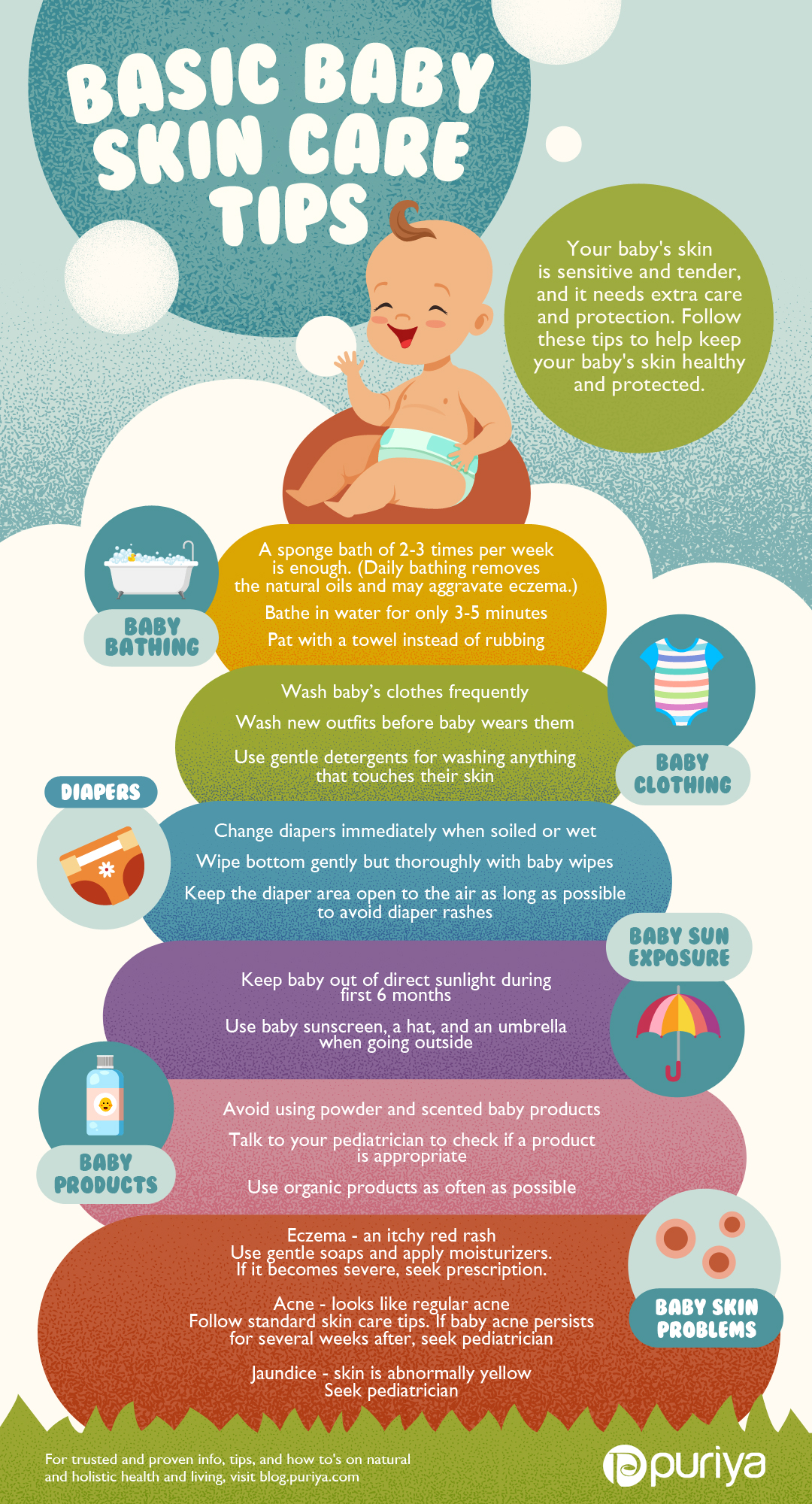
Bath your baby 2-3 times a week to avoid drying skin. Use lukewarm water and mild, fragrance-free soap. Keep baths short, around 5-10 minutes, to protect natural oils and maintain skin moisture.
What Are The Best Moisturizers For Baby Skin?
Choose fragrance-free, hypoallergenic creams or ointments. Look for products with natural ingredients like aloe vera or shea butter. Apply moisturizer immediately after bathing to lock in hydration and keep baby skin soft and smooth.
How Can I Prevent Diaper Rash Effectively?
Change diapers frequently and keep the area clean and dry. Use a barrier cream with zinc oxide during each change. Allow diaper-free time to let skin breathe and heal naturally.
When Should I Consult A Doctor About Baby Skin Issues?
Seek medical advice if redness, swelling, or rash persists beyond a few days. Also, consult if your baby shows signs of discomfort or infection. Early diagnosis ensures proper treatment and prevents complications.
Conclusion
Caring for your baby’s skin takes gentle steps each day. Use mild products and keep skin clean and dry. Watch for any signs of irritation or rash. Keep your baby comfortable with soft clothes and a cozy environment. Simple habits protect delicate skin and help it stay healthy.
Remember, small efforts make a big difference in baby skin care. Stay patient and consistent for the best results. Your baby’s skin will thank you with softness and glow.


