Is your little one struggling with uncomfortable spit-ups or frequent fussiness after feeding? If you’re worried about baby reflux, you’re not alone—and there are simple ways you can help your baby feel better fast.
You’ll discover practical baby reflux tips and remedies that you can start using today. These easy steps can bring relief to your baby and peace of mind to you. Keep reading to learn how to soothe your baby’s discomfort and make feeding times happier for both of you.

Causes Of Baby Reflux
Baby reflux happens when stomach contents come back up into the esophagus. This can cause discomfort and fussiness. Understanding what causes reflux helps parents manage it better. Several factors play a role in why babies experience reflux.
Common Triggers
Certain foods can make reflux worse. Dairy products, like milk, sometimes cause problems. Overfeeding or feeding too fast may also trigger reflux. Some babies react to formula ingredients, leading to more spit-up. Position during and after feeding affects reflux too. Lying flat after a meal often increases symptoms.
Physical Factors
Babies have a muscle called the lower esophageal sphincter. This muscle stops food from coming back up. In infants, this muscle is not fully developed yet. This allows stomach contents to flow back easily. Some babies have a hiatal hernia, which worsens reflux. Immature digestion and slow stomach emptying add to the problem.

Recognizing Reflux Symptoms
Recognizing reflux symptoms in babies helps parents act quickly. Knowing these signs reduces stress and ensures proper care. Babies cannot explain their discomfort, so observing their behavior is key. Early detection supports better management and relief.
Signs To Watch For
Spitting up often is a common reflux sign. Watch for frequent vomiting or coughing after feeds. Babies may seem fussy or irritable during or after eating. Poor weight gain or refusal to eat can also signal reflux. Some babies arch their backs or cry loudly during discomfort. Breathing problems or wheezing might occur in severe cases.
When To Seek Help
Seek medical advice if vomiting is forceful or green-colored. Blood in spit-up or stools needs urgent care. If the baby refuses all feeds or shows signs of dehydration, call a doctor. Difficulty breathing or persistent coughing requires immediate attention. Babies with slow weight gain or poor growth need evaluation. Trust instincts; unusual or intense symptoms need professional advice.
Feeding Adjustments
Feeding adjustments can help reduce baby reflux symptoms. Small changes in how you feed your baby often bring big relief. These tips focus on how to feed your baby safely and comfortably.
Proper Feeding Positions
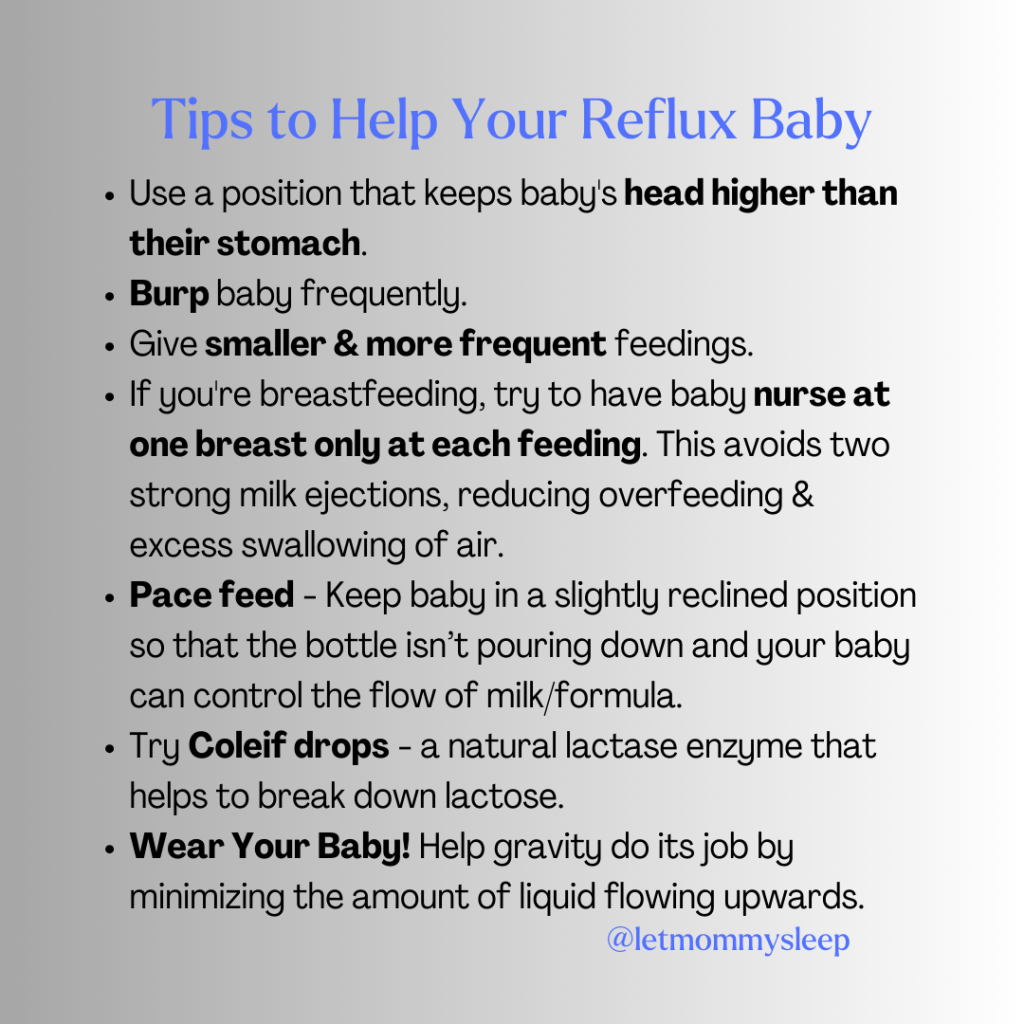
Keep your baby upright during feeding. This helps milk stay down in the stomach. Hold your baby at a 45-degree angle. Avoid feeding your baby lying flat. Staying upright helps reduce spit-up and discomfort.
Burping Techniques
Burp your baby often during and after feeding. It releases trapped air that can cause reflux. Try gentle pats or rubs on the back. Hold your baby against your chest or sit them on your lap. Change positions if your baby seems uncomfortable.
Choosing The Right Formula
Some babies have trouble with certain formulas. A formula with added rice starch can help thicken milk. Thicker milk stays down better in the stomach. Talk to your pediatrician about the best option. Switching formulas might reduce your baby’s reflux.
Home Remedies
Home remedies can help ease baby reflux safely at home. These simple methods reduce discomfort and help baby feed better. Trying gentle changes in daily care often brings good results.
Elevating Baby’s Head
Raising the baby’s head during sleep helps reduce reflux. Use a slight incline by placing a wedge under the mattress. Keep the incline gentle to avoid strain on baby’s neck.
This position helps stomach acid stay down. It also makes breathing easier for baby. Avoid using pillows directly under the baby’s head for safety reasons.
Using Thickened Feeds
Thickening baby’s milk slows down feeding and reduces spit-up. Add a small amount of rice cereal or special thickening agents recommended by a doctor. Always consult your pediatrician before changing feed consistency.
Thicker feeds stay in the stomach better. This helps reduce reflux episodes. Monitor baby closely to ensure they swallow comfortably.
Natural Soothing Methods
Gentle rocking or carrying baby upright can calm reflux symptoms. Holding baby upright for 20 to 30 minutes after feeding helps digestion. Warm baths also soothe and relax baby’s tummy.
Using a pacifier may reduce discomfort by encouraging swallowing. Swallowing saliva helps clear acid from the throat. Keep movements slow and gentle to avoid upsetting baby.
Lifestyle Changes
Making small lifestyle changes can help reduce baby reflux. These changes ease your baby’s discomfort and support better digestion. Focus on habits that improve feeding and resting times. The right adjustments can make a big difference.
Sleeping Habits
Keeping your baby’s head slightly elevated helps prevent reflux. Use a firm mattress with a gentle incline. Avoid pillows or soft bedding that could cause safety issues. Try to lay your baby on their back for sleep. This position reduces the chance of choking or breathing problems. Short, frequent naps after feeding can also help digestion.
Clothing And Diaper Fit
Loose clothing around the belly is better for babies with reflux. Tight clothes put pressure on the stomach and increase discomfort. Choose soft, stretchy fabrics for your baby’s outfits. Make sure diapers are not too tight. A snug diaper can push on the stomach and worsen reflux symptoms. Adjust diaper straps to a comfortable fit without squeezing.
When Medication Is Needed
Most babies with reflux improve with simple home care. Sometimes, symptoms last longer or become severe. At this point, medication may help ease discomfort and protect the baby’s esophagus. Knowing when to consider medicine is important for parents.
Types Of Medications
Doctors may suggest several types of medicines for baby reflux. Antacids help neutralize stomach acid quickly. Acid reducers lower acid production in the stomach. Prokinetics improve stomach emptying and reduce reflux episodes. Each medicine works differently and suits different needs.
Choosing the right type depends on the baby’s symptoms and health. Medicines come in liquid form for easy dosing. Parents should follow the exact dose and schedule given by the doctor.
Consulting A Pediatrician
Always talk to a pediatrician before giving any medicine to a baby. A doctor can confirm the diagnosis and rule out other conditions. They check the baby’s weight, feeding, and growth to decide if medicine is needed.
Never use adult reflux medicine or leftover prescriptions. The doctor will explain possible side effects and how to watch for them. Regular follow-ups help ensure the medicine works and stays safe for the baby.
Long-term Care Tips
Long-term care for baby reflux helps manage symptoms and improves comfort. Consistent care supports your baby’s growth and health. Tracking changes and preventing flare-ups are key parts of ongoing care. Small actions every day can make a big difference in your baby’s well-being.
Tracking Progress
Keep a daily record of your baby’s reflux symptoms. Note feeding times, spit-ups, and any fussiness. Tracking helps spot patterns and triggers. Share this information with your pediatrician for better advice. Regular monitoring guides adjustments in care and diet. It also shows if treatments are working well.
Preventing Recurrence
Feed your baby in an upright position to reduce reflux. Avoid overfeeding by offering smaller, frequent meals. Burp your baby often during and after feedings. Keep your baby calm and avoid rough play after eating. Use a firm, slightly elevated sleeping surface. Avoid tight diapers or clothing around the belly. These steps lower the chance of reflux coming back.
Frequently Asked Questions
What Are Common Baby Reflux Symptoms To Watch For?
Common symptoms include frequent spitting up, irritability during feeding, coughing, and poor weight gain. Babies may also arch their backs or refuse to eat. Recognizing these signs early helps in managing reflux effectively and ensures timely medical advice if needed.
How Can Feeding Positions Reduce Baby Reflux?
Feeding your baby in an upright position helps gravity keep stomach contents down. Hold your baby at a 45-degree angle during and after feeding. This position minimizes the chances of acid reflux and reduces discomfort for your baby.
What Home Remedies Help Soothe Baby Reflux Naturally?
Burping your baby frequently during feeds prevents gas buildup. Offering smaller, more frequent feedings can reduce reflux episodes. Using a firm, angled sleep surface and elevating the head slightly also help ease symptoms without medication.
When Should I Consult A Doctor For Baby Reflux?
Consult a doctor if your baby has persistent vomiting, poor weight gain, or breathing difficulties. Severe irritability or refusal to feed also requires medical evaluation. Early diagnosis ensures proper treatment and rule out more serious conditions.
Conclusion
Caring for a baby with reflux can feel tough. Small changes help ease discomfort. Feeding slowly and keeping baby upright works well. Choosing gentle remedies supports better digestion. Watch for signs of serious issues and ask a doctor. Patience and care make a big difference.
Every baby is unique, so find what suits yours best. Keep these tips close for smoother days ahead.