Taking care of your baby’s mouth might seem simple, but it’s one of the most important steps you can take for their health. You might wonder when to start or how to keep those tiny teeth clean and strong.
What if you could prevent future problems just by following a few easy habits right now? You’ll discover everything you need to know about baby oral hygiene. From quick tips to common mistakes to avoid, you’ll learn how to give your little one the best start for a bright, healthy smile.
Keep reading—your baby’s smile depends on it!
Why Baby Oral Hygiene Matters
Taking care of a baby’s mouth is very important. Healthy teeth and gums help babies eat and speak well. Good oral hygiene also prevents pain and infections. Starting early builds strong habits for life.
Protects Baby Teeth From Decay
Baby teeth can get cavities just like adult teeth. Bacteria and sugar cause decay. Cleaning a baby’s mouth removes these harmful germs. Healthy baby teeth keep space for adult teeth.
Prevents Pain And Discomfort
Tooth decay or infections can cause pain. Babies cannot always tell where it hurts. Keeping their mouth clean reduces the chance of problems. Pain can affect eating and sleeping.
Supports Speech Development
Teeth help babies learn to talk clearly. Healthy teeth make it easier to form sounds. Oral hygiene keeps teeth strong and clean. This supports better speech as the baby grows.
Builds Good Habits Early
Starting oral care early teaches babies to care for teeth. Routine brushing becomes normal and easy. These habits last into childhood and adulthood. Early care leads to fewer dental problems later.

When To Start Cleaning
Starting your baby’s oral hygiene early is very important. It helps build good habits and keeps gums healthy. Clean gums also prepare the mouth for new teeth. Begin oral care even before the first tooth appears.
Cleaning Gums Before Teeth Appear
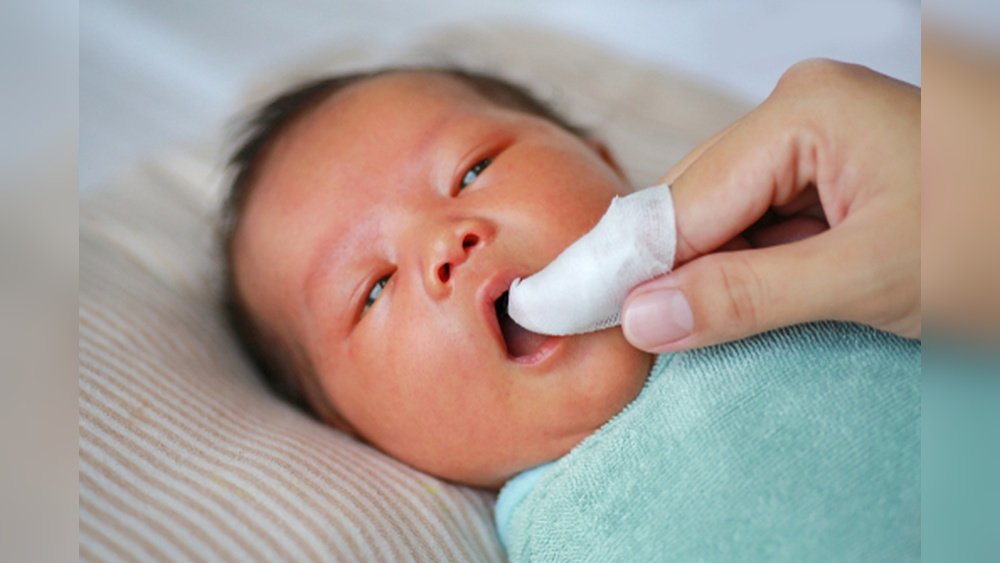
Use a soft, damp cloth to wipe your baby’s gums. Do this after feeding times. This removes milk and food residue. It also helps your baby get used to mouth cleaning.
When The First Tooth Comes In
Start brushing as soon as the first tooth shows. Use a small, soft toothbrush made for babies. Brush gently with water only, no toothpaste yet. This keeps the tooth clean and healthy.
Introducing Toothpaste
Once your baby turns two, use a tiny smear of fluoride toothpaste. About the size of a grain of rice is enough. Brush teeth twice a day, especially before bed. This helps protect against cavities and strengthens teeth.
Choosing The Right Tools
Choosing the right tools for your baby’s oral hygiene is very important. Proper tools help clean tiny teeth gently. They keep gums healthy and prevent early cavities. Using safe and suitable products makes daily care easier. It also builds good habits for your baby’s dental health.
Toothbrushes For Infants
Infant toothbrushes have soft bristles made for delicate gums. They are small and easy to hold. Some have large handles or finger grips for better control. Look for brushes labeled for babies under one year. Silicone brushes are gentle and safe for newborns. Replace toothbrushes every three months or after illness.
Safe Toothpaste Options
Choose toothpaste made especially for babies. These usually have no fluoride or very low amounts. Babies often swallow toothpaste, so it must be safe if ingested. Use only a tiny smear, about the size of a grain of rice. Avoid toothpaste with strong flavors or harsh chemicals. Always check labels for baby-safe certification.
Effective Cleaning Techniques
Keeping your baby’s mouth clean is important for healthy teeth and gums. Starting good habits early helps prevent problems later. Gentle and regular cleaning protects your baby’s smile.
Use soft tools and the right methods to clean your baby’s mouth. Make it a calm and positive time. This helps your baby get used to oral care easily.
Brushing Tips For Babies
Choose a small, soft-bristled toothbrush made for babies. Use only a tiny smear of fluoride toothpaste. Brush twice daily, especially before bedtime.
Hold your baby comfortably and gently brush in small circles. Clean all tooth surfaces carefully. Be patient and speak softly to keep your baby calm.
Cleaning Gums Before Teeth
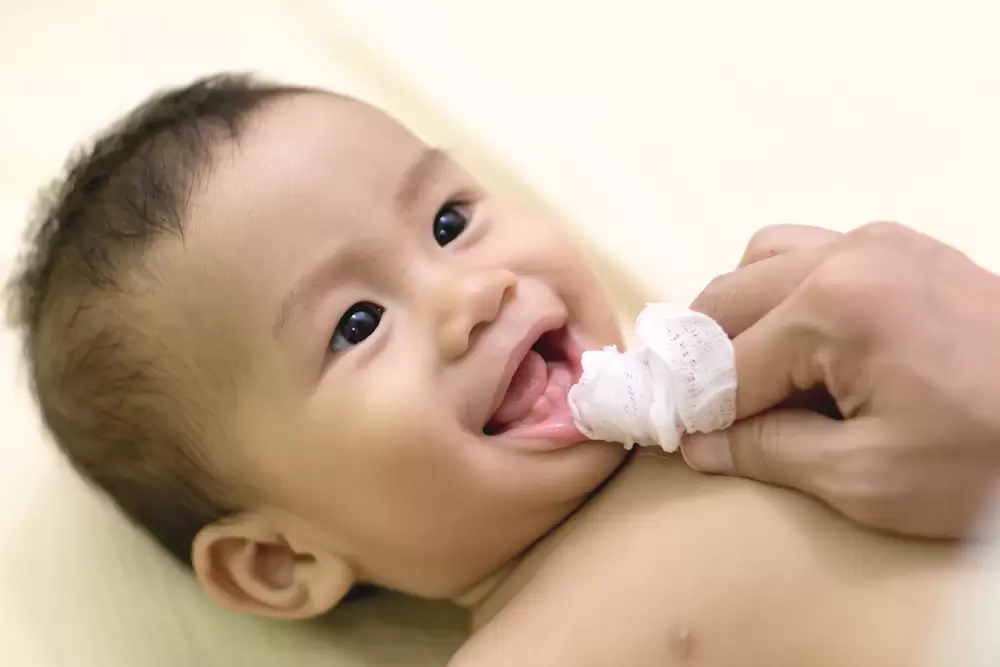
Before teeth come in, clean your baby’s gums daily. Use a clean, damp cloth or a soft gum brush. Wipe gently after feeding to remove milk residue.
This removes bacteria and keeps gums healthy. It also helps your baby get used to mouth cleaning. Start this habit from birth for best results.
Preventing Tooth Decay
Preventing tooth decay in babies is important for healthy teeth and gums. Tooth decay can start early and cause pain and problems with eating. Good habits help keep baby teeth strong and clean. It also sets the stage for healthy adult teeth.
Managing Bottle And Breastfeeding Habits
Babies should not sleep with a bottle in their mouth. Milk or juice can sit on teeth and cause decay. Try to finish feeding before naptime or bedtime. For breastfeeding, wipe the baby’s gums with a soft cloth after feeding. This removes milk residue and bacteria. Avoid sweetening bottles with sugar or honey. These increase the risk of cavities.
Limiting Sugary Foods And Drinks
Sugary snacks and drinks feed harmful bacteria in the mouth. This leads to acid that damages teeth. Offer water or milk instead of juice or soda. Give sweet treats only on special occasions. Clean your baby’s teeth gently after meals. This helps wash away sugars and acids.
Establishing Healthy Habits Early
Starting good oral care early helps children keep their teeth strong. Healthy habits build a foundation for a lifetime of clean teeth. Teaching babies about oral hygiene makes brushing a normal part of their day.
Parents play a big role in guiding children to enjoy taking care of their teeth. Creating fun and simple routines helps kids accept brushing without fuss. Small steps lead to big results in dental health.
Making Brushing Fun
Use colorful toothbrushes with soft bristles to catch your baby’s interest. Sing songs or tell stories during brushing to keep it light and happy. Let your child hold the brush to feel involved. Praise and smiles encourage them to enjoy the process.
Setting A Routine
Brush at the same times every day, like after breakfast and before bed. Consistency helps your baby know what to expect and feel secure. Keep the routine short and calm to avoid stress. Regular brushing forms a habit that sticks as children grow.
When To Visit The Dentist
Knowing the right time to visit the dentist is important for your baby’s oral health. Early dental visits help catch problems before they get worse. They also teach parents how to care for their baby’s teeth properly. Starting dental care early sets a strong foundation for healthy teeth and gums.
First Dental Checkup
Take your baby to the dentist by their first birthday. This visit checks how teeth are growing. The dentist will look for signs of decay or other issues. Parents learn the best ways to clean their baby’s teeth. The dentist also gives advice on feeding and teething habits. Early visits make your child comfortable with the dentist.
Signs Of Oral Problems
Watch for white or brown spots on teeth. These can mean early tooth decay. Swollen or red gums may signal infection. Your baby might have trouble eating or seems in pain. Bad breath that does not go away is a warning sign. If you see any of these signs, see the dentist soon. Quick action helps keep your baby’s smile healthy.

Frequently Asked Questions
When Should I Start Cleaning My Baby’s Mouth?
Start cleaning your baby’s mouth even before teeth appear. Use a soft, damp cloth to wipe gums daily. This helps remove bacteria and promotes healthy oral habits early on.
How Often Should I Brush My Baby’s Teeth?
Brush your baby’s teeth twice a day using a soft-bristled toothbrush. Use a rice-sized amount of fluoride toothpaste. Regular brushing prevents cavities and strengthens enamel.
What Toothpaste Is Safe For Babies?
Use a fluoride toothpaste specifically designed for infants. Avoid adult toothpaste as it may contain harmful ingredients. Consult your pediatric dentist for recommended brands.
When Should My Baby Have Their First Dental Visit?
Schedule your baby’s first dental visit by their first birthday. Early visits help detect problems and educate parents on proper oral care. Regular check-ups ensure healthy teeth development.
Conclusion
Keeping your baby’s mouth clean helps build healthy habits early. Start brushing as soon as the first tooth appears. Use a soft brush and gentle strokes every day. Avoid sugary drinks and snacks to protect tiny teeth. Regular dental visits keep your baby’s smile bright and strong.
Healthy oral care today means fewer problems tomorrow. Small steps make a big difference in your baby’s health. Simple, daily care creates a foundation for a lifetime of good habits.


