Keeping your baby’s hands clean is one of the best ways to protect them from germs and sickness. But you might wonder how to do it safely and effectively without causing irritation.
You want to keep your little one healthy, and you want to feel confident that you’re using the right methods. This article will share simple, practical baby hand sanitizing tips that you can easily follow every day. By the end, you’ll know exactly how to keep your baby’s hands clean and safe—without any stress.
Keep reading to discover the best ways to protect your baby’s tiny hands.
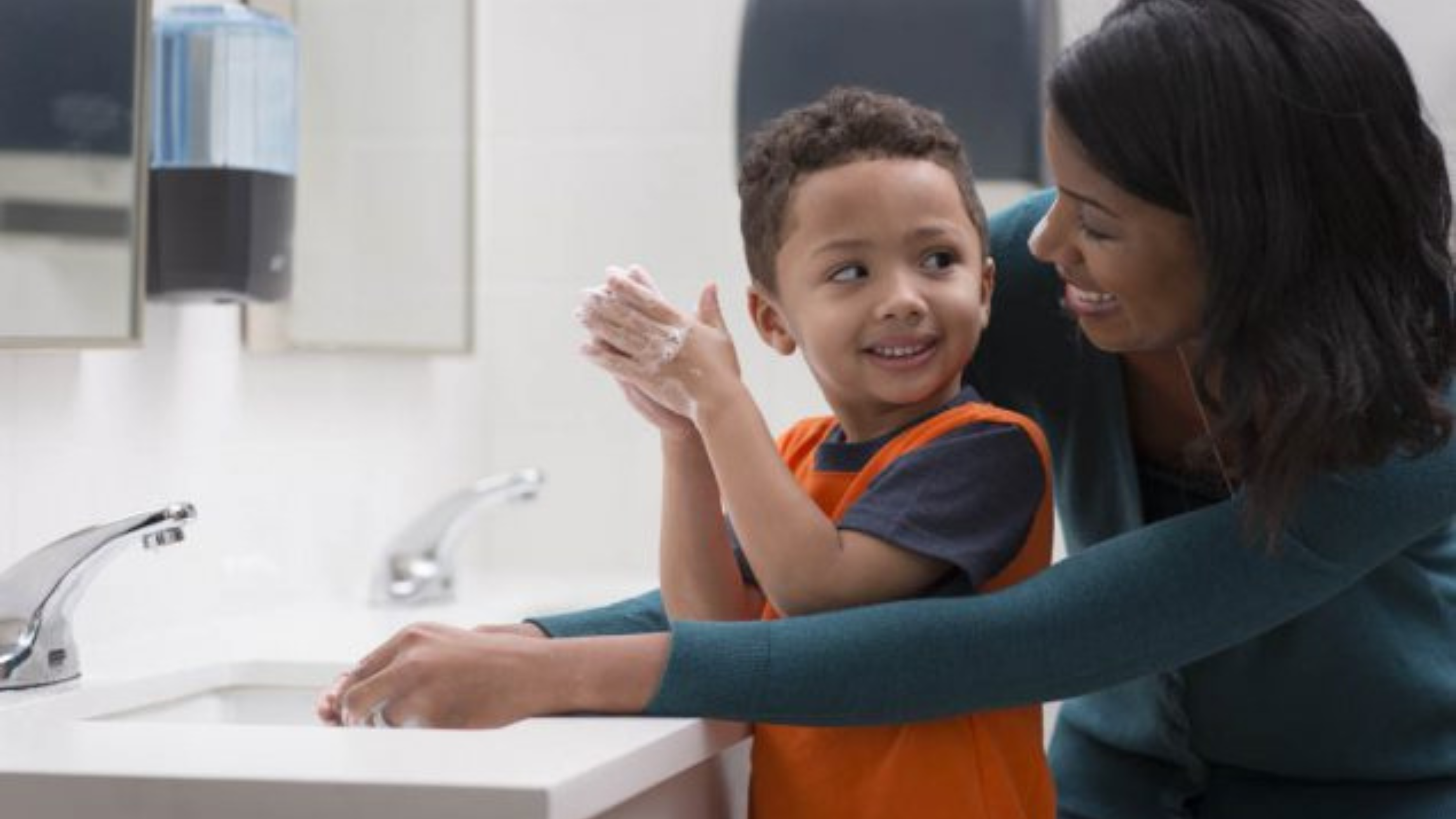
Choosing Baby-safe Sanitizers
Choosing the right hand sanitizer for your baby is very important. Babies have sensitive skin and need gentle care. Not all sanitizers are safe for babies. Some ingredients can cause irritation or harm. This guide helps you pick safe options for your little one’s hands.
Ingredients To Avoid
Avoid sanitizers with harsh chemicals. Alcohol content above 60% can dry baby skin. Stay away from fragrances and dyes. These can cause allergies or rashes. Also, avoid parabens and triclosan. These ingredients may harm your baby’s health.
Recommended Sanitizer Types
Choose sanitizers made for babies or children. Look for products with 60-70% ethanol or isopropyl alcohol. These kill germs effectively but are gentle. Some sanitizers include moisturizers like aloe vera. They help protect and soothe baby skin. Always check labels before buying.
Natural Alternatives
Natural options can be safer for babies. Look for hand sanitizers with ingredients like aloe vera or chamomile. These soothe and hydrate skin. Some use essential oils like lavender or tea tree oil. Use these with care to avoid allergies. Natural sanitizers may not kill all germs but reduce bacteria gently.

Proper Hand Sanitizing Techniques
Proper hand sanitizing is very important to keep babies safe from germs. Babies often touch many surfaces and put their hands in their mouths. Using the right technique helps kill germs effectively. This section explains how to sanitize your baby’s hands correctly.
How Much Sanitizer To Use
Use a small amount of hand sanitizer. About the size of a dime is enough for tiny hands. Too much sanitizer can be wasteful and hard to rub in. Using the right amount helps cover all parts of the hands quickly.
Effective Application Steps
First, apply sanitizer to your baby’s palm. Rub hands together gently but thoroughly. Cover fingers, thumbs, and the back of hands. Keep rubbing until the sanitizer dries completely. Do not wipe or rinse the hands before it dries. This process kills most germs on the skin.
When To Sanitize Baby’s Hands
Sanitize hands before feeding or after diaper changes. Also, clean hands after playing outside or touching pets. When soap and water are not available, sanitizer is a good choice. Regular sanitizing keeps your baby’s hands safe and clean.
Handwashing Vs. Sanitizing
Keeping a baby’s hands clean is very important. Germs can spread fast and cause sickness. Parents often wonder whether handwashing or hand sanitizing works best. Both methods help reduce germs but work differently. Understanding when to wash hands and when to use sanitizer keeps babies safer.
Benefits Of Handwashing
Handwashing removes dirt, grease, and germs from hands. It uses soap and water to clean deeply. This method works well after diaper changes or messy play. Washing hands also removes harmful bacteria and viruses. It is gentle on a baby’s sensitive skin. Handwashing takes time but offers thorough cleaning.
When Sanitizers Are Better
Hand sanitizers kill many germs quickly. They are easy to carry and use on the go. Sanitizers work best when hands are not visibly dirty. They reduce germs fast during outings or visits. Choose a sanitizer with at least 60% alcohol. Avoid products with strong scents or harsh chemicals for babies.
Combining Both Methods
Use handwashing at home or after messy tasks. Use sanitizer when water is not available. Together, they keep baby’s hands clean in many situations. Always dry hands well after washing or sanitizing. Teach older children to use both methods properly. This balance helps protect babies from germs every day.
Safe Practices Outside The Home
Keeping your baby’s hands clean outside the home is important. Germs spread easily in public places. Taking simple steps helps protect your baby from getting sick.
Using safe hand sanitizing methods keeps your baby’s skin healthy. Avoid harsh chemicals that can irritate delicate skin. Clean hands reduce the risk of infections and keep your baby comfortable.
Sanitizing On The Go
Carry a small bottle of baby-safe hand sanitizer. Choose one with at least 60% alcohol for effectiveness. Apply a small amount to your baby’s hands and rub gently until dry. Avoid using sanitizers with added fragrances or dyes.
Use hand sanitizer only when soap and water are not available. Always supervise your baby during use. Prevent your baby from putting hands in the mouth immediately after sanitizing.
Keeping Toys And Surfaces Clean
Clean toys regularly, especially those your baby often touches. Use warm water and mild soap for washing. Wipe down surfaces like stroller handles, shopping cart seats, and high chairs with disinfecting wipes safe for babies.
Keep a small pack of wipes handy during outings. Clean toys and surfaces before your baby plays. This reduces the chance of germs spreading.
Avoiding Harmful Germ Hotspots
Steer clear of crowded places when possible. Avoid areas with many people touching the same objects. Public playgrounds and shared toys can hold many germs.
Watch where your baby puts their hands. Stop them from touching dirty floors or public benches. Always clean your baby’s hands after outdoor activities.
Common Mistakes To Avoid
Keeping your baby’s hands clean is important. Yet, mistakes can make sanitizing less safe or less effective. Avoid these common errors to protect your baby’s delicate skin and health.
Overusing Sanitizers
Using hand sanitizer too often can dry out a baby’s skin. Their skin is thinner and more sensitive than adults’. Overuse may cause redness, itching, or cracks. Use sanitizer only when soap and water are unavailable. Always moisturize your baby’s hands afterward to keep skin soft and healthy.
Ignoring Skin Sensitivities
Some babies have sensitive skin that reacts to sanitizers. Watch for signs like rash, swelling, or irritation. Stop using the product if any reaction occurs. Choose sanitizers made for sensitive skin or those with natural ingredients. Test a small area first before applying on the whole hand.
Using Adult Products On Babies
Adult hand sanitizers may contain strong chemicals or fragrances. These can harm a baby’s delicate skin. Use only baby-safe sanitizers with gentle formulas. Read labels carefully and avoid products with alcohol levels above 60%. Keep sanitizers out of reach to prevent accidental ingestion.

Maintaining Healthy Skin
Keeping your baby’s skin healthy is important after using hand sanitizer. Sanitizers can dry out delicate skin. Babies have sensitive skin that needs special care to stay soft and safe. Follow simple tips to protect your baby’s skin while keeping hands clean.
Moisturizing After Sanitizing
Apply a gentle moisturizer after using hand sanitizer. Moisturizers help lock in moisture and prevent dryness. Use products made for babies without strong scents or chemicals. This keeps the skin soft and stops it from cracking or peeling.
Signs Of Irritation To Watch For
Check your baby’s hands for redness or rash. Look for dry, flaky patches or small bumps. If your baby seems itchy or uncomfortable, it may be a sign of irritation. Stop using the sanitizer and try a different product. Consult a doctor if irritation continues.
Choosing Gentle Baby Skincare
Pick skincare products designed specifically for babies. Avoid harsh ingredients like alcohol, fragrances, or dyes. Look for natural, hypoallergenic options to reduce skin problems. Always test new products on a small skin area first. This helps ensure your baby’s skin stays calm and happy.
Frequently Asked Questions
How Often Should I Sanitize My Baby’s Hands?
Sanitize your baby’s hands before feeding, after diaper changes, and when returning home. Frequent cleaning reduces germs and prevents infections.
What Type Of Hand Sanitizer Is Safe For Babies?
Use alcohol-free, baby-safe hand sanitizers with natural ingredients. Avoid those with harsh chemicals or high alcohol content to protect sensitive skin.
Can Hand Sanitizers Replace Handwashing For Babies?
Hand sanitizers are a quick alternative but cannot replace thorough handwashing. Use soap and water when possible for best hygiene.
Is It Safe If My Baby Ingests Hand Sanitizer?
Ingesting hand sanitizer can be harmful. Always supervise your baby during use and store sanitizers out of reach to prevent accidental swallowing.
Conclusion
Keeping your baby’s hands clean helps protect them from germs. Use gentle, baby-safe sanitizers to avoid skin irritation. Wash hands with soap and water when possible. Make hand cleaning a fun and regular habit. Always watch your baby during hand sanitizing to stay safe.
Clean hands mean a healthier baby and less worry for you. Small steps make a big difference in your baby’s health. Stay consistent and patient with these easy tips. Your baby’s safety is worth the effort every day.


