
If your baby’s skin is red, dry, or itchy, you know how upsetting it can be—for both you and your little one. Baby eczema can make simple moments uncomfortable and leave you searching for the best ways to soothe their delicate skin.
You want to help your baby feel calm, happy, and itch-free, but where do you start? This guide will give you clear, easy steps to care for your baby’s eczema and bring relief fast. Keep reading to discover what really works and how you can protect your baby’s skin every day.
Causes Of Baby Eczema
Baby eczema is a common skin condition that causes red, itchy patches on the skin. Understanding what causes eczema can help parents manage and care for their baby’s skin better. Several factors can trigger or worsen eczema symptoms in babies. These causes range from inherited traits to things in the environment and daily care routines.
Genetic Factors
Babies can inherit eczema from their parents. If one or both parents had eczema, asthma, or allergies, the baby has a higher chance of developing eczema. This happens because of changes in the skin’s barrier function. A weak skin barrier lets moisture escape and irritants enter, causing dryness and itchiness.
Environmental Triggers
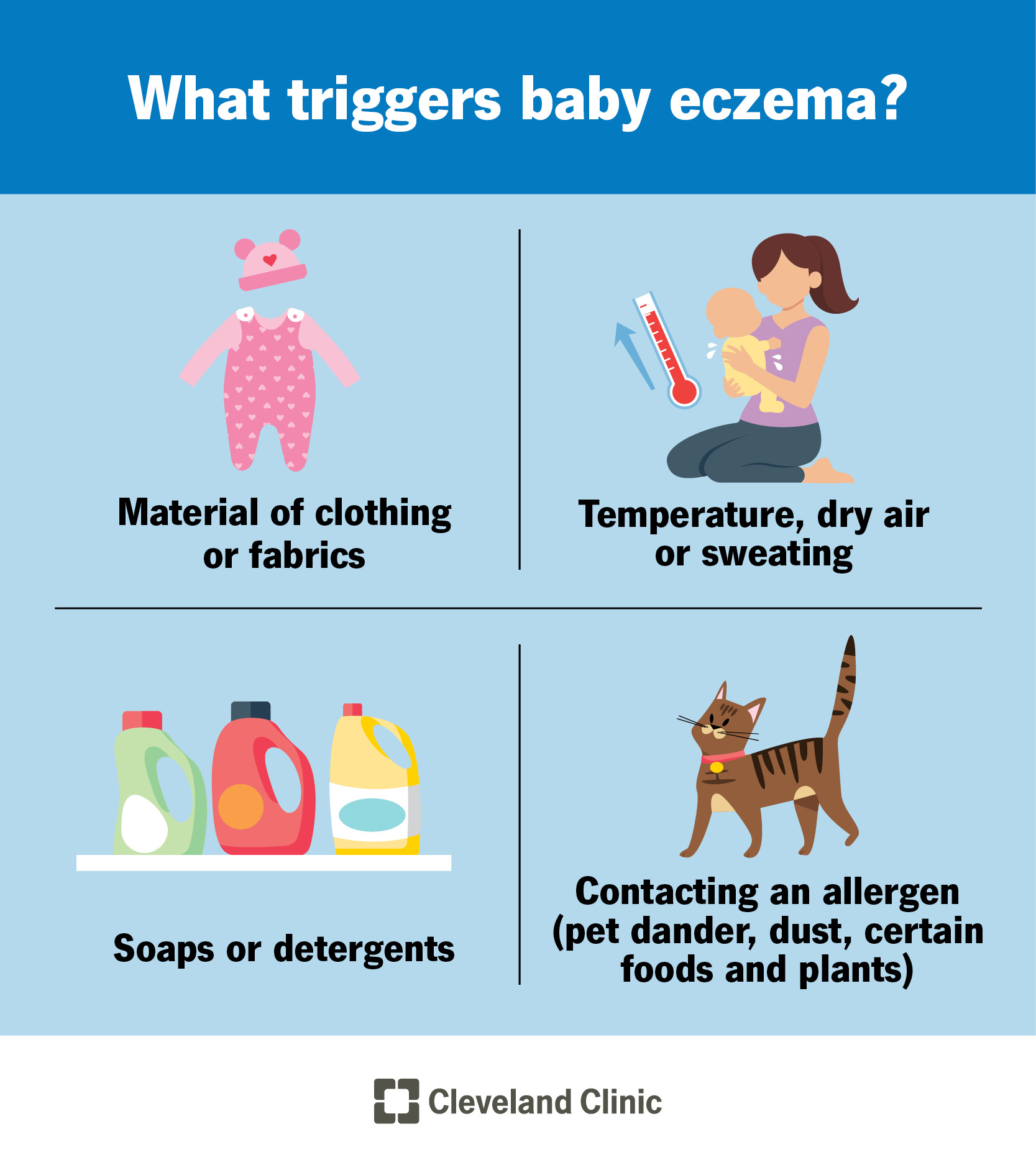
Changes in weather can affect eczema. Cold, dry air often makes the skin drier and itchier. Heat and sweat can also trigger flare-ups. Dust, pet dander, and pollen are common environmental triggers that may worsen eczema symptoms. Keeping the baby’s surroundings clean and comfortable helps reduce these triggers.
Irritants And Allergens
Soaps, detergents, and fragrances often irritate a baby’s sensitive skin. Certain fabrics, like wool or rough cotton, can cause discomfort and flare-ups. Food allergies may also play a role in some babies with eczema. Identifying and avoiding irritants and allergens is key to soothing the baby’s skin and preventing eczema flare-ups.
Signs And Symptoms
Recognizing the signs and symptoms of baby eczema helps parents act early. Early care can ease discomfort and protect your baby’s skin. Knowing what to look for makes a big difference in managing eczema effectively.
Common Skin Changes
Baby eczema usually shows as red, dry patches on the skin. These patches may be rough or scaly. The skin might crack or peel in some areas. Often, eczema appears on the cheeks, scalp, or inside the elbows. The affected skin can sometimes swell or ooze clear fluid.
Behavioral Indicators
Babies with eczema often seem fussy or restless. Scratching or rubbing the skin is common. This can make babies cry or have trouble sleeping. They may also seem more irritable than usual. Watch for signs of discomfort linked to skin irritation.
When To See A Doctor
Contact a doctor if eczema worsens or spreads quickly. Seek help if the skin shows signs of infection, like pus or increased redness. A doctor can suggest treatments to reduce itching and heal skin. Early medical advice helps prevent severe eczema problems.
Daily Skin Care Routine
Daily skin care is very important for babies with eczema. It helps keep their skin soft and stops dryness. A gentle routine can reduce redness and itching. Consistency is the key to good skin health.
Gentle Bathing Tips
Use lukewarm water, not hot. Hot water can dry the skin fast. Keep bath time short, about 5 to 10 minutes. Use mild, fragrance-free cleansers made for sensitive skin. Avoid scrubbing; pat the skin dry with a soft towel. Do not rub the skin harshly.
Moisturizing Techniques
Apply moisturizer right after bath while skin is still damp. This locks in moisture and prevents dryness. Use thick creams or ointments, not lotions. Gently spread the moisturizer without rubbing hard. Reapply often during the day on dry spots or flaky areas.
Choosing The Right Products
Pick products labeled for eczema or sensitive skin. Avoid anything with fragrances, dyes, or alcohol. Test new products on a small skin patch first. Look for natural ingredients like ceramides or colloidal oatmeal. Always read labels carefully to avoid irritants.
Soothing Remedies
Soothing remedies play a key role in caring for baby eczema. They help calm the skin and reduce itching and redness. Choosing the right remedy can make your baby more comfortable. Gentle care supports healing and protects delicate skin.
Natural Options
Natural remedies can soothe eczema safely. Coconut oil moisturizes and reduces irritation. Oatmeal baths ease itching and calm inflamed skin. Aloe vera gel cools and hydrates dry patches. Always test natural products on a small skin area first.
Medications And Creams
Doctors often recommend mild creams for eczema. Hydrocortisone cream reduces inflammation and itching. Prescription creams may contain stronger ingredients for severe cases. Use medications as directed. Avoid overuse to protect your baby’s skin.
Cold Compress Use
Cold compresses relieve itching and swelling quickly. Wrap ice in a soft cloth before applying. Use for 5 to 10 minutes at a time. Cold lowers skin temperature and calms irritation. Never place ice directly on your baby’s skin.
Managing Flare-ups
Managing flare-ups in baby eczema is important to keep your baby comfortable. Flare-ups cause redness, itching, and dry skin. Quick care helps reduce pain and prevents the rash from getting worse. Understanding how to handle flare-ups can make a big difference in your baby’s skin health.
Identifying Triggers
Knowing what causes flare-ups helps you avoid them. Common triggers include certain soaps, fabrics, and foods. Heat and sweat often worsen eczema. Watch your baby’s skin closely. Note any changes after new products or foods. This helps find and stop triggers early.
Preventive Measures
Keep your baby’s skin clean and moisturized. Use gentle, fragrance-free creams. Dress your baby in soft, breathable clothes. Avoid overheating and sweating. Bathe with lukewarm water, not hot. Pat the skin dry gently. These steps reduce flare-ups and soothe the skin.
When To Seek Medical Help
Contact a doctor if flare-ups get worse or last long. Seek help if your baby has fever or signs of infection. A doctor can prescribe safe creams or medicines. Early treatment can stop flare-ups from spreading. Don’t wait if your baby seems very uncomfortable.

Clothing And Environment
Clothing and environment play a big role in caring for a baby with eczema. Choosing the right fabrics and keeping the surroundings comfortable can reduce itching and redness. Small changes in daily habits make a big difference in your baby’s comfort.
Fabric Choices
Soft, breathable fabrics are best for babies with eczema. Cotton is gentle on the skin and helps air flow. Avoid rough materials like wool or synthetic fibers that may irritate the skin. Wash new clothes before use to remove chemicals and dyes.
Temperature Control
Keep your baby’s room cool and comfortable. Heat and sweating can worsen eczema symptoms. Dress your baby in light layers that you can easily add or remove. Use a fan or air conditioner to maintain a steady temperature.
Reducing Exposure To Irritants
Avoid strong soaps, fragrances, and detergents around your baby. These can cause skin irritation and flare-ups. Use mild, fragrance-free products made for sensitive skin. Keep your home clean and dust-free to reduce allergens that affect eczema.
Feeding And Allergies
Feeding plays a big role in managing baby eczema. Certain foods can cause or worsen skin irritation. Understanding feeding and allergies helps protect your baby’s delicate skin. It also supports healthy growth and comfort.
Breastfeeding Considerations
Breast milk is gentle and full of nutrients. It helps build your baby’s immune system. Sometimes, foods in the mother’s diet may affect the baby’s skin. Common triggers include dairy, nuts, and eggs. Watch your baby for any skin changes or fussiness. Talk to a doctor before cutting foods from your diet. Breastfeeding remains the best feeding choice for babies with eczema.
Introducing Solids Safely
Start solids at about six months old. Introduce one new food at a time. Wait three to five days before trying another. This helps spot any allergic reactions. Choose simple, single-ingredient foods first. Avoid foods known to cause allergies early on. Keep track of your baby’s skin and behavior after feeding. If eczema flares, pause the new food and seek advice.
Food Allergy Signs
Look for red, itchy rashes around the mouth or body. Swelling of the face, lips, or eyes needs urgent care. Vomiting, diarrhea, or excessive fussiness may also be signs. Persistent eczema flare-ups can link to food allergies. Keep a food diary to identify patterns. Contact a healthcare provider for testing and guidance. Early detection helps manage eczema and keeps your baby safe.
Frequently Asked Questions
What Are The Common Symptoms Of Baby Eczema?
Baby eczema causes red, dry, and itchy skin patches. It often appears on the face, scalp, and cheeks. Babies may also experience skin swelling and discomfort. Recognizing these symptoms early helps in effective treatment and soothing your baby’s skin.
How Can I Soothe My Baby’s Eczema Flare-ups?
To soothe eczema, keep your baby’s skin moisturized with gentle creams. Use lukewarm water for baths and avoid harsh soaps. Dress your baby in soft, breathable fabrics. These steps reduce irritation and help calm flare-ups quickly and safely.
Which Ingredients Should I Avoid In Baby Eczema Products?
Avoid products with fragrances, dyes, and alcohol as they irritate sensitive skin. Stay clear of harsh chemicals and preservatives that worsen eczema. Choose hypoallergenic, gentle, and natural skincare products formulated specifically for babies with eczema.
Can Diet Affect My Baby’s Eczema Condition?
Certain foods may trigger eczema flare-ups in some babies. Common triggers include dairy, eggs, and nuts. Consult your pediatrician before changing your baby’s diet. Monitoring and adjusting diet can help manage eczema symptoms effectively.
Conclusion
Caring for baby eczema takes patience and gentle steps. Keep your baby’s skin clean and moisturized every day. Avoid harsh soaps and tight clothes that can irritate skin. Watch for triggers like heat, sweat, or certain fabrics. A calm, soothing routine helps your baby feel better.
Remember, mild eczema often improves with simple care. Consult a doctor if the rash worsens or spreads. Your love and attention make a big difference in healing. Small changes bring comfort and relief to your little one.


