Have you ever wondered why your baby suddenly cries or seems restless? Understanding your baby’s discomfort cues can make a huge difference in calming them quickly and keeping them happy.
These small signals are your baby’s way of telling you something isn’t quite right. When you learn to recognize these signs early, you can respond faster and prevent fussiness or distress. Keep reading to discover the key discomfort cues your baby shows—and how you can use this knowledge to make both your lives easier and more peaceful.

Recognizing Crying Patterns
Babies cry to share their feelings. Crying is their main way to communicate discomfort. Understanding their crying patterns helps parents respond better. It makes caring for a baby less stressful. Paying close attention to different cries can show what the baby needs.
Different Types Of Cries
Babies have many cries. Each cry tells something different. A hungry cry is rhythmic and low. A tired cry is soft and whiny. Pain cries are loud and sharp. They often come suddenly. Learning these cries helps parents act fast. It also builds trust between baby and parent.
When Crying Signals Discomfort
Not all crying means the same. Some cries show discomfort or pain. A fussy cry can mean a wet diaper. A constant cry might mean hunger or cold. Watch for changes in pitch and speed. Rapid, high-pitched crying often means distress. Knowing these signs helps parents soothe their baby quickly.
Body Language Clues
Babies cannot speak, but their bodies tell a story. Parents learn a lot by watching their baby’s body language. It shows if the baby feels happy, tired, or uncomfortable. Understanding these signs helps parents respond quickly and gently. Here are some common body language clues that show baby discomfort.
Tense Muscles And Movements
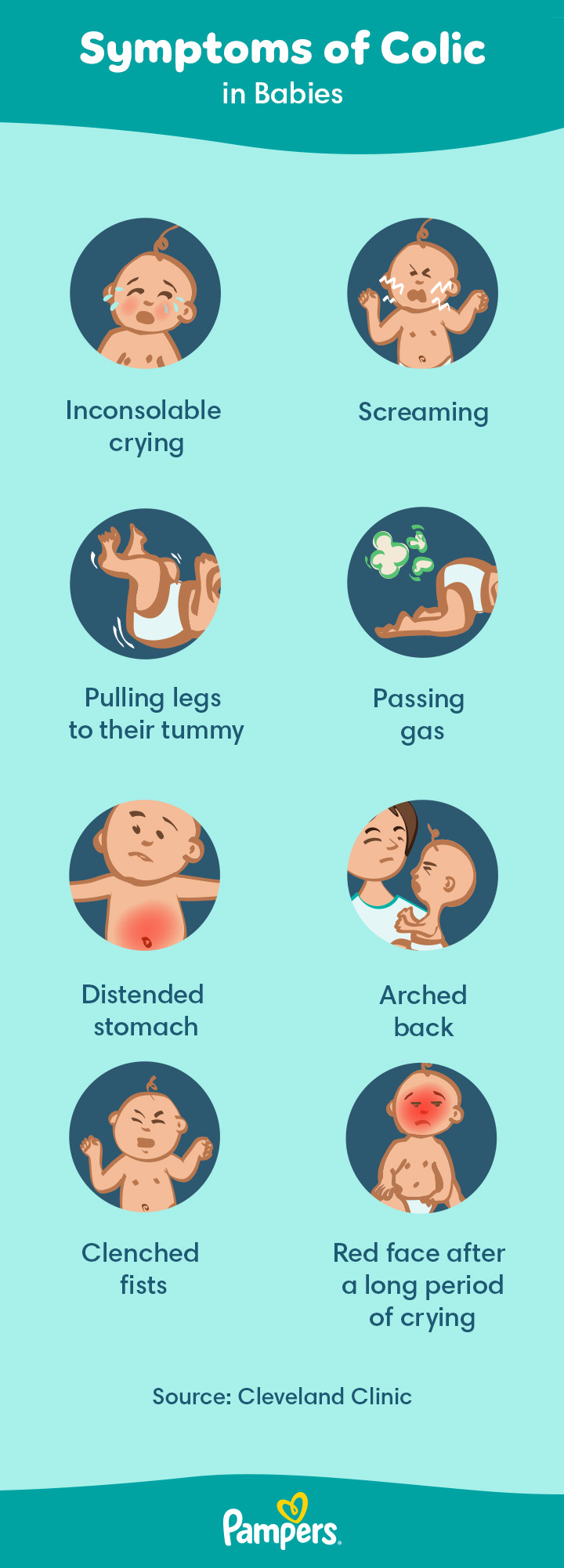
Tense muscles are a clear sign of discomfort in babies. Their arms and legs might stiffen or jerk suddenly. Sometimes, babies curl up tightly, as if trying to protect themselves. These movements suggest the baby feels uneasy or stressed. Notice if the baby’s hands clench into fists or their body shakes. These are clues that the baby may need comfort or a break.
Facial Expressions To Watch
Facial expressions reveal a lot about a baby’s feelings. A furrowed brow or scrunched nose often means discomfort. Babies may pout or press their lips together tightly. Crying with a grimace or a frown also signals distress. Pay attention to wide eyes or squinting, which can show pain or unease. These small facial signs help parents understand what the baby needs.
Sleep And Rest Signals
Babies cannot tell us when they feel tired. They use their bodies to show us. Sleep and rest signals help parents understand when baby needs a break. These signals can be small or clear. Watching closely makes a big difference.
Restlessness And Frequent Waking
Babies often move a lot when they are tired. They might twist, turn, or kick their legs. This restlessness means they want to sleep but cannot settle. Frequent waking during naps or night shows discomfort. It may mean baby is not getting enough rest.
Parents should notice these signs early. Helping baby calm down can improve sleep. A gentle touch or soft voice can soothe restlessness.
Yawning And Eye Rubbing
Yawning is a simple sign of tiredness. Babies yawn often when ready to sleep. Eye rubbing is another clear signal. Babies rub their eyes because they feel sleepy or uncomfortable.
These cues are easy to spot. Parents can use them to prepare baby for rest. Following these signs helps avoid fussiness and crying later.

Feeding Behavior Changes
Babies show discomfort in many ways, especially through changes in feeding behavior. These changes tell parents their little one may not feel well. Understanding these signs helps caregivers respond quickly and gently.
Feeding is a key time to notice discomfort. When babies eat less or act differently, it signals something might be wrong. Watch closely for unusual reactions during feeding times.
Refusing To Eat
Refusing to eat is a common sign of discomfort. Babies might turn their head away or close their mouth tightly. This refusal can last for a short time or several feedings. It often means the baby feels pain or is upset.
Sometimes babies refuse to eat due to teething or an upset stomach. Other times, illness or tiredness causes this behavior. Caregivers should stay calm and try gentle soothing techniques.
Spitting Up And Gagging
Spitting up and gagging can also show discomfort. Occasional spit-up is normal, but frequent or forceful spit-up can signal problems. Gagging may happen if the baby struggles with feeding or has a sore throat.
Watch the frequency and strength of spit-up and gagging. These signs might need medical advice. Keeping the baby upright after feeding can help reduce these symptoms.
Skin And Temperature Signs
Babies cannot tell us when they feel uncomfortable. Their skin and body temperature often show clues. Watching these signs helps parents respond quickly. Skin changes and temperature shifts may signal discomfort or illness. Understanding these signs supports your baby’s health and comfort.
Rashes And Redness
Rashes and redness on a baby’s skin can mean irritation or allergies. Sometimes, a rash appears from heat or dampness. Other times, it shows an infection or a reaction to soap or detergent. Check if the rash spreads or if the baby scratches often. Seek medical advice if redness grows or lasts long.
Unusual Warmth Or Coldness
A baby’s skin feeling too warm or cold can be a warning sign. Warm skin might mean a fever or infection. Cold skin could show poor circulation or chills. Touch their neck or back to check temperature. Keep your baby comfortable and consult a doctor for unusual temperature changes.
Digestive Discomfort Indicators
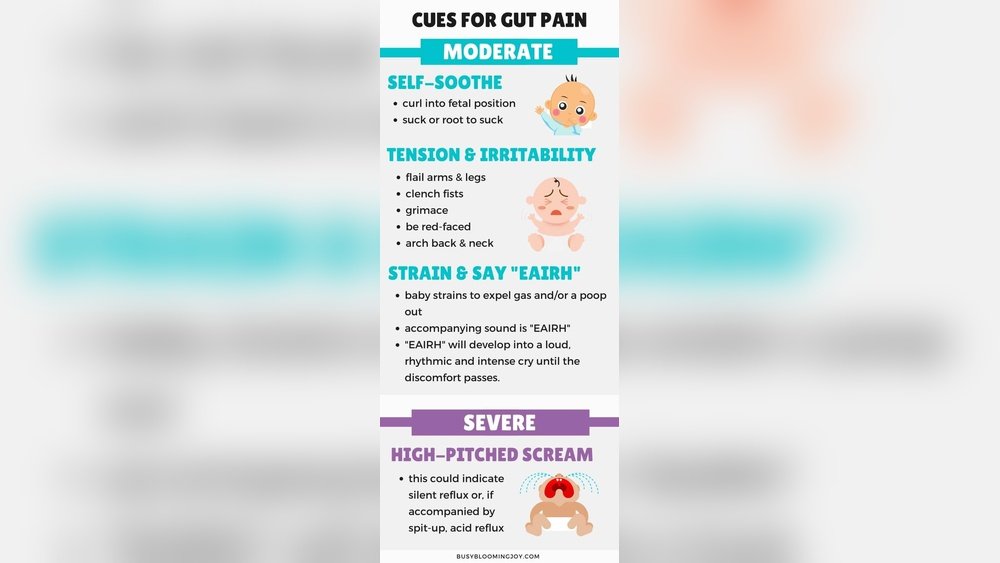
Digestive discomfort is a common issue for babies. Their tiny tummies are still learning how to handle milk and new foods. Signs of digestive discomfort can show in different ways. Parents can watch for these signals to help their baby feel better quickly.
Gas And Bloating
Babies often swallow air while feeding. This air can cause gas, which leads to bloating. A bloated belly may look swollen or hard. Babies might pull their legs up to their chest. They may cry or seem restless after feeding. Burping the baby gently can help release trapped air. A warm tummy rub can also ease discomfort.
Frequent Fussiness After Feeding
Some babies cry a lot after eating. This fussiness might mean their stomach hurts. It can happen soon after feeding or later. The baby may arch their back or have trouble sleeping. Watch for repeated signs after each feeding. These behaviors often point to digestive discomfort. Changing feeding positions might reduce the fussiness. Talk to a doctor if the baby stays upset.
When To Seek Medical Advice
Babies cannot tell us when they feel sick or uncomfortable. Parents must watch for signs that need medical care. Knowing when to seek medical advice helps keep babies safe and healthy. Acting early can prevent serious problems.
Warning Signs Parents Shouldn’t Ignore
Look for high fever over 100.4°F (38°C). Difficulty breathing or fast breathing is serious. Persistent vomiting or diarrhea can cause dehydration. If the baby is very sleepy or hard to wake, get help. Unusual rash or swelling needs a doctor’s check. Crying that won’t stop or sounds different is a red flag. If the baby stops feeding or has fewer wet diapers, call a doctor.
Preparing For A Doctor’s Visit
Write down symptoms and when they started. Note any changes in feeding, sleeping, or behavior. Bring a list of questions for the doctor. Have the baby’s health records ready. Stay calm and clear during the visit. This helps the doctor give the best care fast.
Frequently Asked Questions
What Are Common Signs Of Baby Discomfort?
Common signs include crying, fussiness, restlessness, and facial grimacing. Babies may also pull at ears or arch their back.
How Can I Tell If My Baby Is Hungry Or Uncomfortable?
Hunger cues include lip-smacking and rooting. Discomfort often shows as crying, squirming, or clenching fists.
When Should I Worry About My Baby’s Discomfort Cues?
If discomfort lasts over an hour or includes fever, vomiting, or difficulty breathing, seek medical advice promptly.
Can Diaper Rash Cause Baby Discomfort Cues?
Yes, diaper rash causes redness, fussiness, and frequent crying. Changing diapers often and using barrier cream helps.
Conclusion
Babies communicate through their actions and sounds. Knowing their discomfort cues helps you respond quickly. This care builds trust and keeps your baby calm. Watch for signs like crying, fussiness, or restlessness. Each baby shows discomfort differently. Patience and attention make a big difference.
Trust your instincts and learn as you go. Your baby feels safe when you understand their needs. Caring for discomfort helps your little one grow happy and healthy. Keep observing, caring, and loving every day.