Are you watching your baby closely, wondering when they will start rolling over? It’s an exciting milestone that shows your little one is growing stronger and more curious about the world.
But knowing exactly when to expect this can help you feel more prepared and confident. You’ll discover the typical age range for rolling over, signs to look out for, and tips to encourage your baby’s progress safely. Keep reading to learn everything you need to support your newborn’s first big move!
Typical Rolling Timeline
Babies start learning to roll over during the first few months. This skill is an important step in their physical development. Knowing the typical rolling timeline helps parents understand their baby’s progress and what to expect next.
Most babies follow a general pattern. They show early signs, then roll from tummy to back, and later from back to tummy. Each stage builds strength and coordination.
First Signs Of Rolling
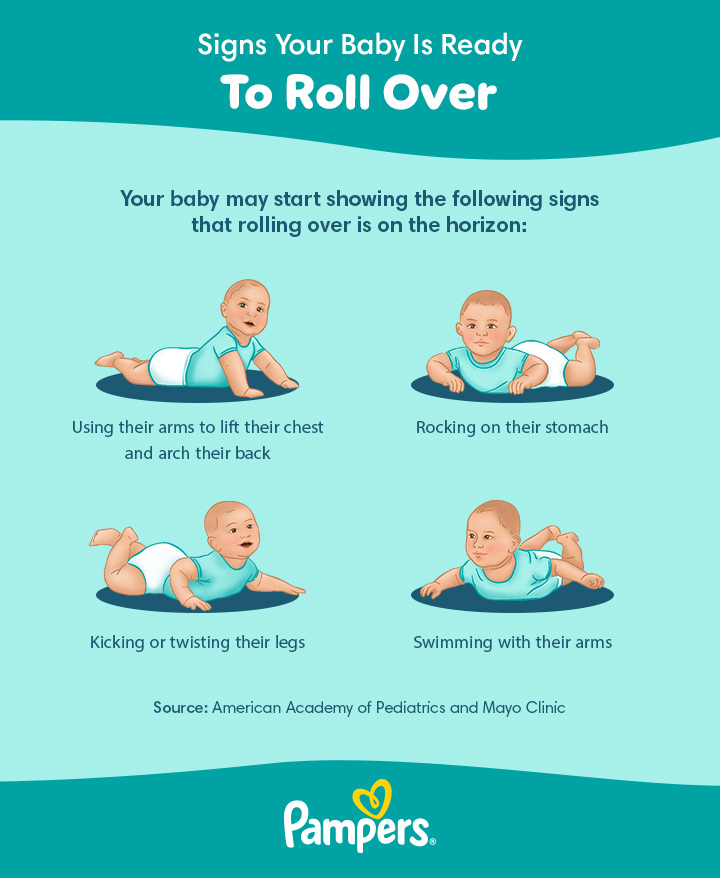
Babies often show first signs around 2 to 4 months. They may twist their hips or turn their head to the side. Sometimes, they try to push up with their arms during tummy time. These small movements prepare them to roll over fully.
Rolling From Tummy To Back
Rolling from tummy to back usually happens first. This often occurs between 4 to 6 months. It is easier because babies can use their arms to push and twist their body. This movement helps build muscle and balance.
Rolling From Back To Tummy
Rolling from back to tummy takes more effort. Babies often start this around 5 to 7 months. It requires stronger muscles and more coordination. Many babies practice this move many times before they succeed.
Physical Skills Needed
Before a newborn can roll over, they need certain physical skills. These skills help them move safely and confidently. Rolling over is a big step in a baby’s development. It shows their growing strength and control.
Neck And Head Control
Strong neck muscles help babies lift and turn their heads. This control is key for rolling over. Babies practice this by spending time on their tummies. It helps build the muscles needed to support their heads.
Arm And Leg Strength
Arms and legs work together to push and pull the body. Babies use their arms to push up and legs to kick. This strength helps them move their bodies from back to front or side to side.
Coordination And Balance
Rolling over needs good balance and coordination. Babies learn to move different body parts in the right order. They must shift their weight smoothly to avoid falling. This skill grows with practice and time.
Factors Influencing Rolling
Several factors affect when a newborn starts rolling over. Each baby is unique and grows at their own pace. Understanding these factors helps parents support their child’s motor skills. Early or late rolling can be normal depending on different influences.
Premature Birth
Babies born early may take longer to roll over. Their muscles and coordination need extra time to develop. Premature infants often require more care to reach milestones. Patience and gentle encouragement help these babies gain strength.
Muscle Tone Variations
Muscle tone plays a key role in rolling ability. Some babies have low muscle tone and find it harder to move. Others have high muscle tone and might roll earlier. Doctors check muscle tone during regular checkups to track progress.
Tummy Time Importance
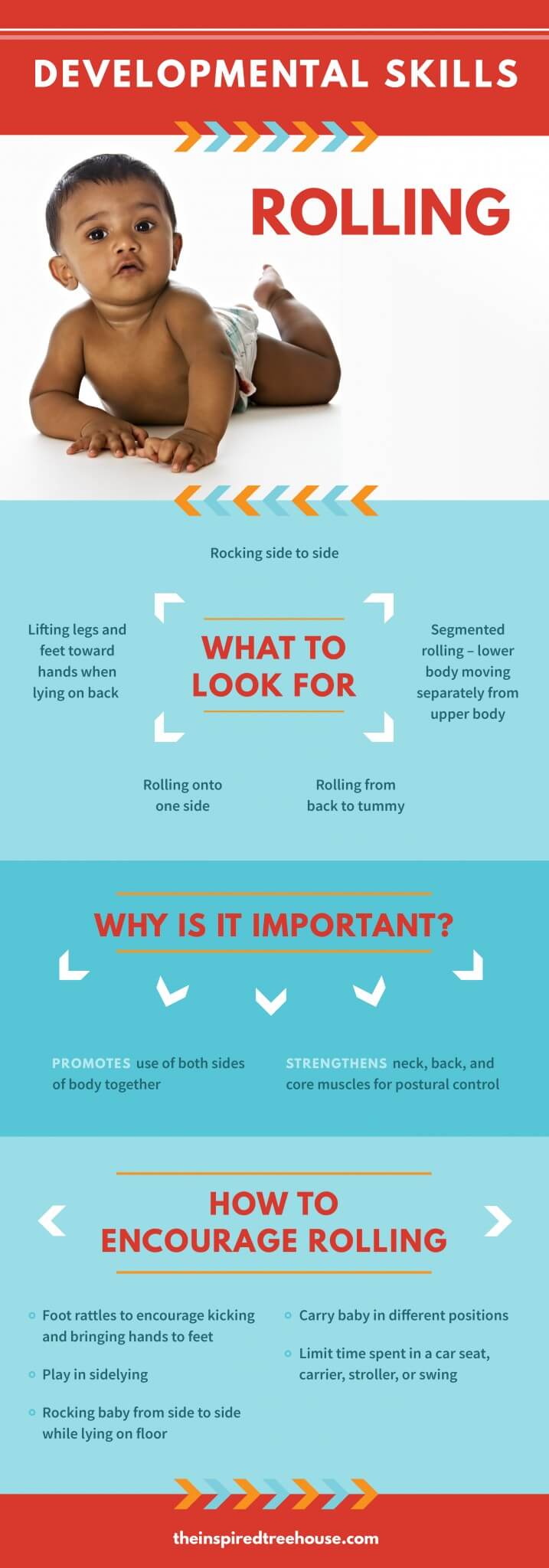
Tummy time strengthens the muscles needed for rolling. It helps babies build neck, shoulder, and arm strength. Regular tummy time encourages movement and body awareness. Caregivers should offer tummy time daily for short periods.
Milestones To Track
Tracking your newborn’s rolling over progress helps you understand their growth. These milestones show how strong and active your baby is becoming. Watching these signs can also help spot any delays early.
Each baby grows at their own pace, but certain markers are common. Parents can use these to check if their baby is developing normally. Let’s explore the key milestones you should watch for.
Monthly Progress Markers
By 2 months, babies begin lifting their heads during tummy time. At 3 months, they start pushing up on arms. By 4 months, many babies roll from tummy to back. Around 5 to 6 months, rolling both ways becomes common.
Signs Of Early Rolling
Early signs include twisting the hips or shoulders while on the floor. Your baby may try to shift weight from one side to another. Reaching for toys while lying down can also show readiness to roll.
When To Seek Advice
If your baby shows no rolling attempts by 6 months, talk to a doctor. Also ask for help if movements seem stiff or uneven. Early help can support healthy development and ease your worries.
Encouraging Rolling Skills
Helping your newborn learn to roll over is an exciting milestone. Encouraging this skill supports their physical growth and coordination. You can gently guide your baby through simple activities to build strength and confidence. These activities also make playtime fun and engaging for both of you.
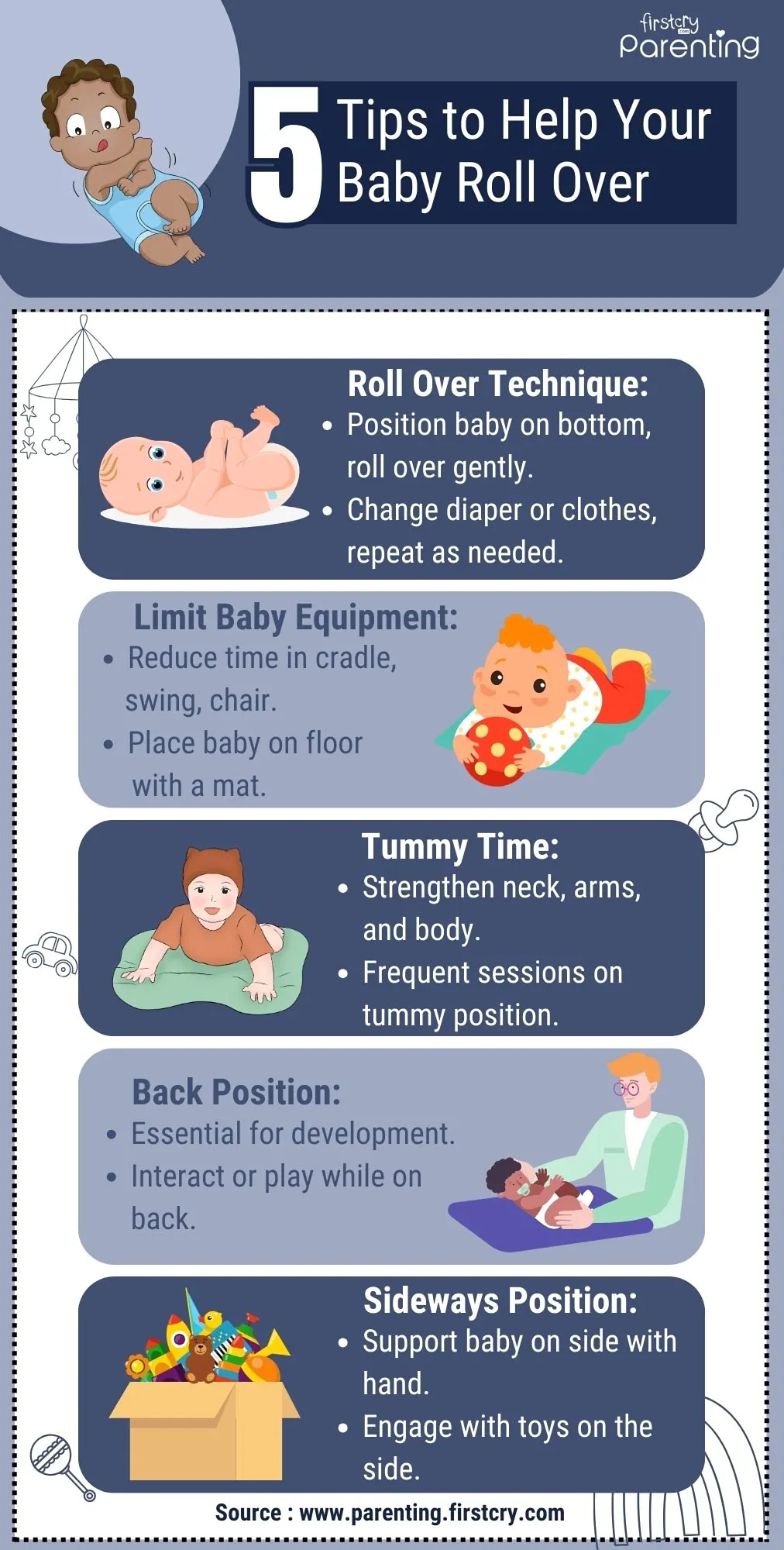
Safe Tummy Time Tips
Place your baby on their tummy several times a day. Use a soft, flat surface to keep them comfortable. Stay close and watch carefully to ensure safety. Start with short sessions, about three to five minutes each. Gradually increase the time as your baby gets stronger. Tummy time helps build neck, shoulder, and arm muscles. These muscles are important for rolling over.
Interactive Play Ideas
Talk, sing, and smile while your baby is on their tummy. Use your voice and facial expressions to keep them interested. Move slowly to catch their attention and encourage movement. Gently guide their arms and legs during play. This helps them learn how to push and shift their body. Playtime with a parent makes your baby feel safe and loved.
Using Toys To Motivate
Place a favorite toy just out of reach during tummy time. This encourages your baby to stretch and reach forward. Use colorful or noisy toys to catch their eye. Move the toy slowly from side to side to inspire rolling. Change toys often to keep your baby curious and active. Toys create a fun way to practice rolling skills.
Safety Considerations
Rolling over is an exciting step for babies. It shows growth and strength. But with this new skill, safety is very important. Parents must create a safe space for their babies. This helps avoid injuries and accidents. Understanding safety tips is key.
Preventing Falls
Babies can fall when learning to roll. Always place them on the floor or a soft surface. Avoid high places like beds or changing tables. Use play mats with soft padding. Stay close to catch your baby if they move suddenly. This reduces the risk of falls and injuries.
Safe Sleep Practices
Rolling over can affect sleep safety. Always lay your baby on their back to sleep. Remove pillows, blankets, and toys from the crib. Use a firm mattress with a fitted sheet only. If your baby rolls during sleep, gently place them back on their back. This lowers the chance of suffocation or Sudden Infant Death Syndrome (SIDS).
Supervision During Rolling
Babies need constant watching when they begin rolling. Stay close and keep your eyes on them. This helps you act quickly if needed. Avoid leaving your baby alone on soft surfaces. Supervision ensures your baby’s safety and gives you peace of mind.
Frequently Asked Questions
When Do Newborns Typically Start Rolling Over?
Newborns usually begin rolling over between 4 to 6 months old. This milestone varies but generally marks improved muscle strength and coordination.
How Can I Help My Baby Roll Over Sooner?
Encourage tummy time daily to strengthen neck and arm muscles. Place toys just out of reach to motivate reaching and rolling.
Is It Normal If My Baby Rolls Over Late?
Yes, some babies roll over later than others. Delays aren’t always a concern but consult a pediatrician if your baby shows no progress by 6 months.
What Are Signs My Newborn Is Ready To Roll Over?
Look for increased head control, pushing up on arms during tummy time, and rocking back and forth. These indicate readiness to roll.
Conclusion
Babies start rolling over between three and six months old. Every baby grows at their own pace. Watch for small signs like head lifting and arm pushing. Encourage tummy time to help build strength. Rolling over is an exciting step in your baby’s growth.
Stay patient and enjoy these moments together. Always talk to your doctor if you have concerns. Your baby will roll when they are ready. Keep supporting their progress with love and care.


