Feeding time is more than just giving food—it’s a special chance to connect with your little one. You might wonder how to make these moments feel closer and more meaningful.
What if you could turn every meal into a bonding experience that builds trust and love? You’ll discover simple, effective ways to deepen your connection during feeding times. Keep reading to unlock the secrets that make mealtime something you both look forward to.
Choosing The Right Feeding Environment
Choosing the right feeding environment helps build a strong bond. It makes feeding time peaceful and enjoyable. A good space helps your baby focus on you. It also supports calm and loving interactions. The right setting reduces stress for both of you. It invites closeness and trust during feeding.
Creating A Calm Atmosphere
Pick a quiet room with soft lighting. Bright lights can make babies restless. Use gentle colors on walls and furniture. Soft sounds like a lullaby or white noise help. Keep the room at a comfortable temperature. A calm place helps your baby feel safe. You both can relax and enjoy feeding.
Minimizing Distractions
Turn off TVs, radios, and phones nearby. Remove toys or objects that might catch attention. Limit people in the room to avoid noise. A focused environment helps your baby connect with you. It stops them from getting distracted or upset. Feeding time becomes more about closeness and care.
Establishing A Consistent Feeding Routine
Establishing a consistent feeding routine helps create a calm and secure environment for your baby. It builds trust and strengthens your bond during feeding times. Babies feel comforted when they know what to expect. A regular schedule also supports healthy eating habits and better sleep patterns.
Setting Regular Feeding Times
Choose specific times each day for feeding your baby. Stick to these times as closely as possible. Consistency helps your baby learn when to expect food. It reduces fussiness and makes feeding smoother. Keep a simple schedule that fits your daily life. Flexibility is okay, but try to maintain regular intervals.
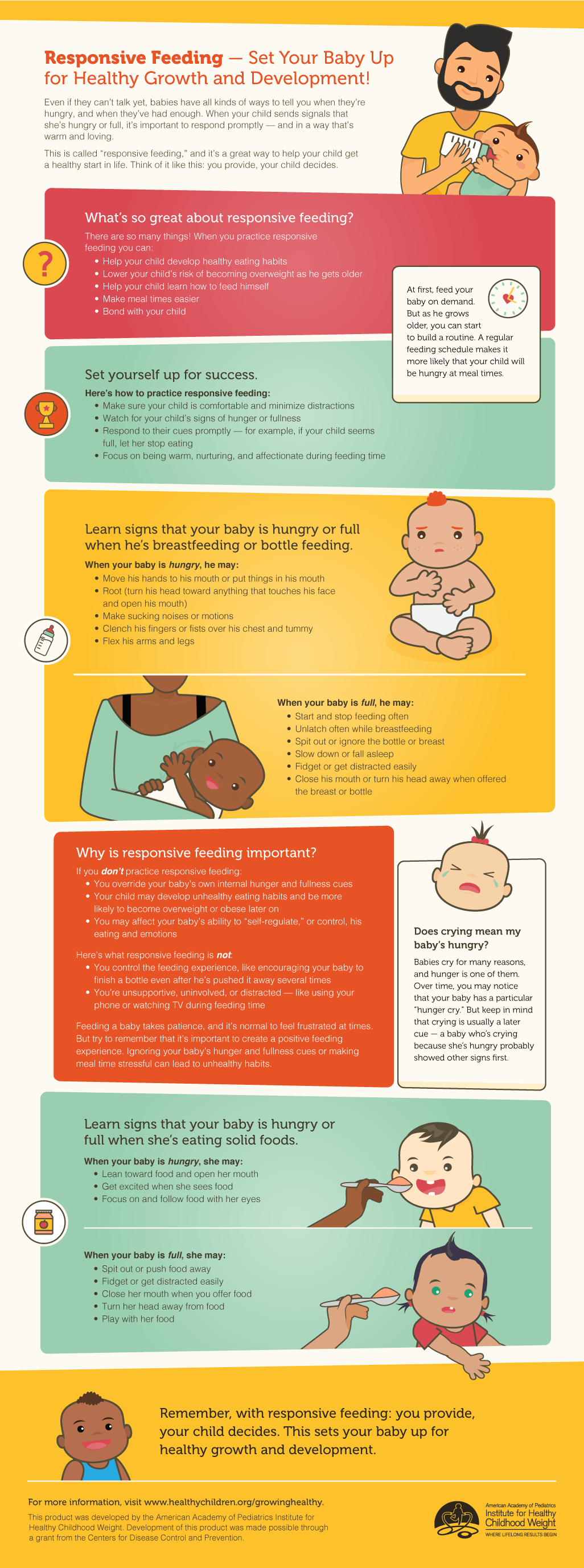
Recognizing Hunger Cues
Watch your baby for signs of hunger before feeding. Look for cues like sucking on hands or lip-smacking. Crying is often a late hunger signal. Feeding early helps avoid stress for both of you. Responding to these cues shows your baby you understand their needs. It deepens your connection and builds trust.
Enhancing Physical Connection
Feeding times are special moments to build closeness with your baby. Enhancing physical connection during these times helps both of you feel calm and secure. Simple touches and comfortable holds create a warm bond that lasts beyond feeding.
Skin-to-skin Contact Benefits
Skin-to-skin contact means holding your baby against your bare chest. This contact helps your baby feel safe and loved. It can lower the baby’s heart rate and stress levels. Your warmth and heartbeat sound comfort your baby deeply. This closeness also helps with breastfeeding success. Both baby and parent release hormones that promote bonding. Try to have skin-to-skin time during feeding to enhance your connection.
Comfortable Feeding Positions
Finding the right feeding position makes feeding easier and more enjoyable. Choose a position that supports both you and your baby well. Sitting with good back support helps you relax. Hold your baby close, facing you, so you can see their face. Avoid tension in your arms or shoulders. Experiment with different holds like cradle or football hold. Comfortable positions encourage longer, peaceful feeding sessions. This comfort strengthens your physical and emotional bond.
Engaging Through Eye Contact And Voice
Feeding times offer a special chance to connect deeply with your baby. Engaging through eye contact and voice builds trust and comfort. These simple actions help your baby feel safe and loved. They also support emotional growth and bonding.
Maintaining Gentle Eye Contact
Look softly into your baby’s eyes during feeding. This shows attention and care. Avoid staring too hard or for too long. Gentle eye contact helps your baby feel calm and connected. It also encourages your baby to focus on you. This shared moment strengthens your bond quietly but powerfully.
Using Soothing Tones
Speak softly and calmly while feeding your baby. Your voice acts like a warm hug. It soothes and reassures your baby instantly. Use simple words or gentle humming sounds. This helps your baby relax and enjoy feeding time. A calm voice also builds a safe, loving environment for bonding.
Responding To Baby’s Signals
Feeding time is more than just giving food. It is a chance to connect deeply with your baby. Paying attention to your baby’s signals helps you understand their needs better. This makes feeding smoother and more comforting for both.
Interpreting Baby’s Reactions
Babies use sounds and movements to show how they feel. Crying might mean hunger or discomfort. Sucking on hands often signals hunger. Turning away or closing the mouth may mean fullness. Watch their eyes and face for signs of interest or tiredness. These small clues guide you in responding well.
Adjusting Feeding Approach
Adjust your feeding style based on your baby’s signals. Slow down if they seem overwhelmed. Offer breaks if they turn away or stop sucking. Change positions if they appear uncomfortable. Try different feeding times if your baby shows tiredness. Being flexible makes feeding calm and pleasant.
Involving Other Caregivers
Feeding time is special for bonding with your baby. Involving other caregivers helps build strong connections. It shares the joy and responsibility of feeding. Babies grow close to anyone who feeds them. This creates a sense of security and love.
Sharing feeding tasks can also give parents a needed break. It lets others experience those quiet, tender moments. Everyone learns to understand the baby’s cues and needs. This teamwork strengthens family bonds and support.
Sharing Feeding Responsibilities
Invite other caregivers to help with feeding. It can be a partner, grandparent, or sibling. Sharing feeding duties gives the baby different comforting voices and touches.
Caregivers learn the baby’s signals for hunger and fullness. This helps them respond with care and patience. Feeding together creates trust and warmth. It also eases pressure on the main feeder.
Building Bonds Through Bottle Feeding
Bottle feeding is a great way for others to bond. It allows caregivers to hold and cuddle the baby closely. Eye contact during bottle feeding builds emotional connection.
Caregivers can gently talk or sing while feeding. This soothes the baby and deepens their bond. Offering the bottle regularly helps the baby feel safe with different people.
Incorporating Feeding Time Into Daily Bonding
Feeding time offers a special chance to grow closer to your pet. It is more than just giving food. It is a moment to build trust and comfort. You can make feeding times part of your daily bonding routine. This helps your pet feel safe and loved. Small actions during feeding can mean a lot to your pet’s happiness.
Combining Feeding With Cuddles
Hold your pet gently while feeding. Soft strokes calm and comfort them. Your touch shows care beyond the meal. Pets sense your attention and feel more connected. This simple act deepens your bond quietly. It also makes feeding a peaceful, shared moment.
Using Feeding Time For Relaxation
Keep the environment calm and quiet. Speak softly to soothe your pet during meals. Slow down your movements to avoid stress. This helps your pet relax and enjoy the food. Relaxed feeding times reduce anxiety and build trust. Your pet learns that feeding is a safe, happy time.
Frequently Asked Questions
How Can Feeding Times Improve Parent-child Bonding?
Feeding times offer a special chance for eye contact and gentle touch. These moments build trust, comfort, and emotional connection. Consistent feeding routines also create security, helping deepen your bond naturally over time.
What Are The Best Practices During Feeding Sessions?
Maintain a calm environment, minimize distractions, and focus entirely on your child. Use soothing tones and gentle touches. Respond to your baby’s cues promptly to foster a loving and attentive atmosphere during feeding.
How Does Skin-to-skin Contact Help Bonding At Feeding?
Skin-to-skin contact during feeding promotes warmth, comfort, and hormonal balance. It enhances emotional closeness and reduces stress for both parent and child. This simple practice strengthens the overall bonding experience effectively.
Can Feeding Routines Reduce Infant Stress And Promote Bonding?
Yes, consistent feeding routines create predictability, which helps infants feel safe. This reduces stress and encourages relaxation. A calm baby is more receptive to bonding and emotional connection during feeding times.
Conclusion
Feeding times offer special moments to connect closely. Speak softly and smile to your baby during feeding. Eye contact builds trust and warmth between you both. Holding your baby gently makes them feel safe. These simple actions help create strong, loving bonds.
Enjoy each feeding as a chance to grow closer. Small, caring gestures mean a lot over time. Remember, patience and calmness enhance your bonding experience. Keep these tips in mind for joyful feeding moments. Your baby will feel loved and cared for every day.


