Are you wondering if your newborn is reaching important milestones on time? It’s natural to watch your baby closely and ask yourself if they are developing as expected.
Recognizing the signs of developmental delays early can make a big difference in your child’s growth and future. You’ll discover the key signs to look out for, helping you feel confident and prepared. Keep reading to learn how to spot these important signals and take the right steps for your baby’s well-being.
Common Developmental Milestones
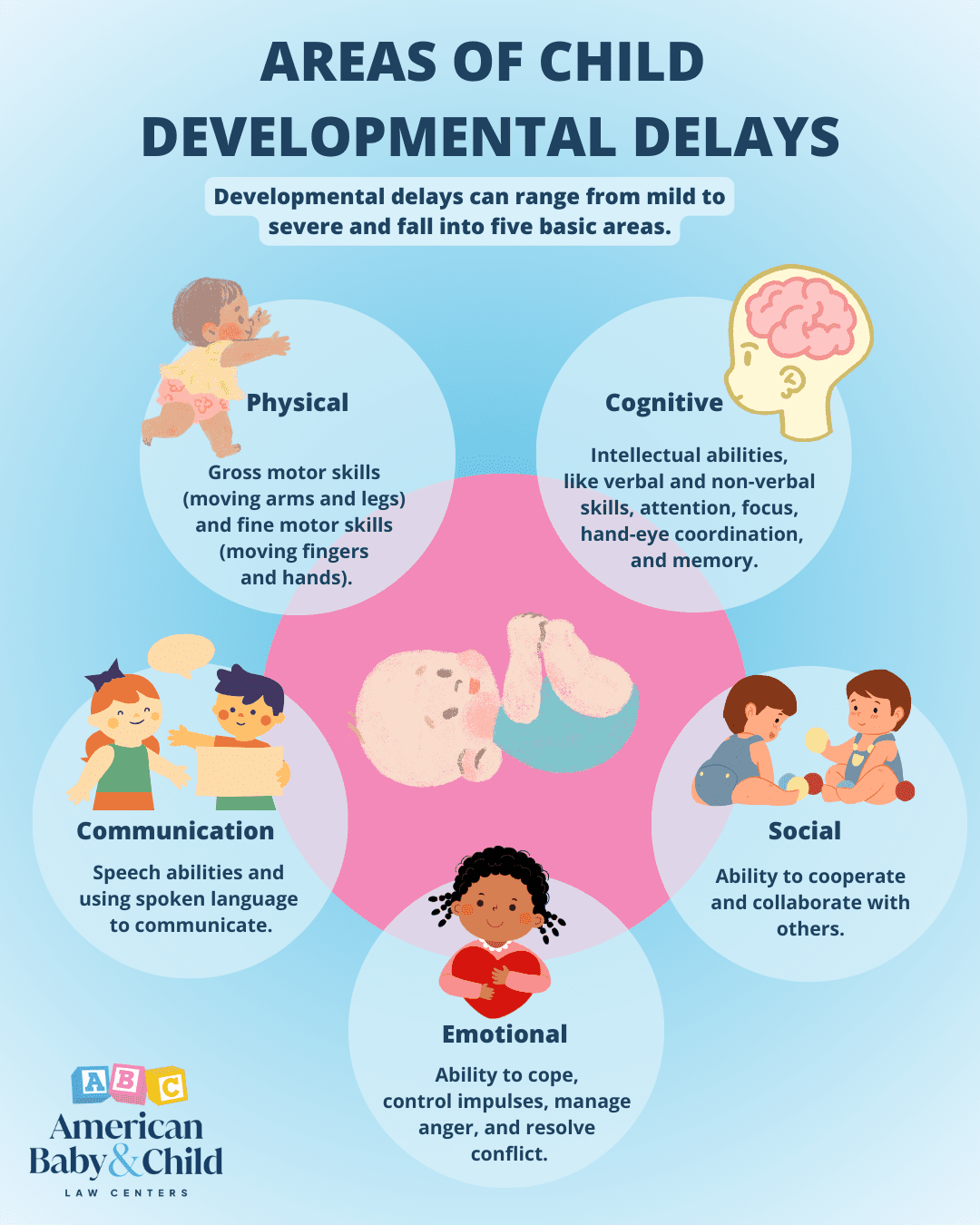
Common developmental milestones help track a newborn’s growth. These milestones show how well babies learn new skills. Parents and caregivers use them to see if babies are on track. Watching these signs early can help spot delays.
Motor Skills Progress
Newborns start with basic movements. They slowly gain control over their muscles. By a few months, they lift their heads and kick legs. Rolling over and sitting come next. Delays may appear if babies do not move or react.
Social Interaction Cues
Babies begin to smile and make eye contact early. They respond to voices and faces. Crying is their first way to communicate needs. Lack of response to social cues may signal a delay.
Language And Communication
Babies coo and babble in the first months. They try to imitate sounds and expressions. By six months, they recognize simple words. Delays show if babies stay quiet or do not respond.
Cognitive Growth Indicators
Babies learn by watching and exploring their world. They track moving objects with their eyes. Interest in toys and surroundings grows fast. Lack of curiosity or focus could mean a delay.
Physical Signs Of Delay
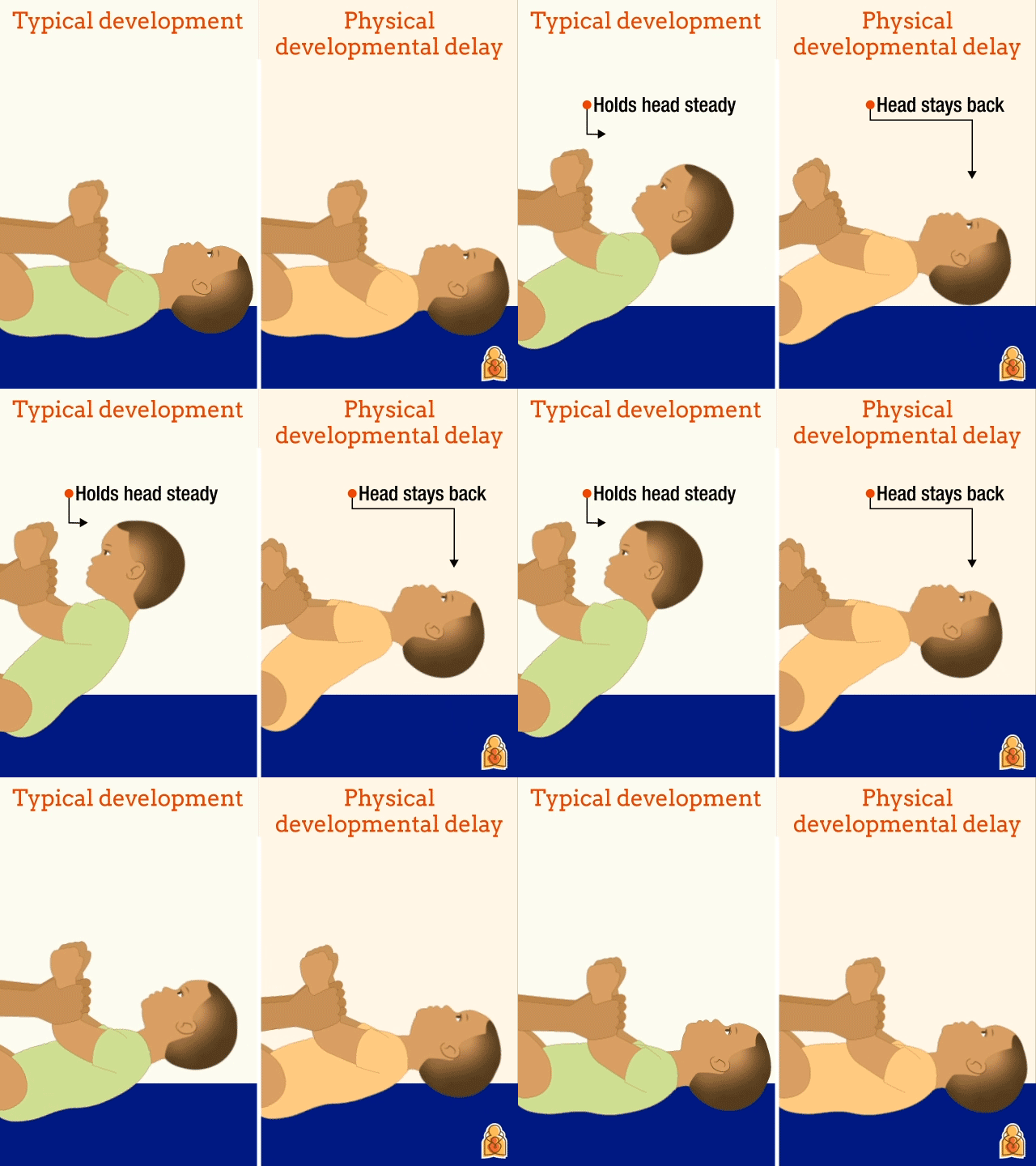
Physical signs of developmental delays show how a newborn’s body grows and moves. These signs help parents and doctors notice if a baby needs extra care. Early detection can lead to better support and treatment. Watch for changes in muscle strength, movement, and reflexes.
Poor Muscle Tone
Muscle tone means how tight or loose a baby’s muscles are. Poor muscle tone can make a baby feel floppy or very stiff. The baby might struggle to hold their head up or control their limbs. This can affect feeding and movement skills.
Limited Movement
Limited movement means the baby does not move as much as expected. The baby may not kick, stretch, or reach for objects. This can slow down their ability to learn to roll over or sit up. Regular movement is important for muscle and brain growth.
Persistent Reflexes
Reflexes are automatic actions babies have at birth. Some reflexes should disappear after a few months. Persistent reflexes that last too long may signal a delay. These reflexes can make it hard for the baby to control voluntary movements.
Behavioral Red Flags
Behavioral red flags in newborns can signal possible developmental delays. These signs often appear early and are key to early support. Observing your baby’s behavior closely helps identify potential issues. Early action can make a big difference in their growth.
Lack Of Eye Contact
Newborns usually make eye contact by a few weeks old. Avoiding eye contact may show difficulty in social interaction. This behavior can suggest challenges with emotional connection and communication. Watch if your baby rarely looks at faces or your eyes.
Unresponsive To Sounds
Babies respond to sounds by turning their head or startling. Not reacting to noises might indicate hearing problems or delayed brain response. Pay attention if your baby does not react to voices or loud sounds. Early hearing tests can help diagnose any issues.
Excessive Irritability Or Lethargy
Most newborns have calm and alert times. Excessive crying or being unusually sleepy can be warning signs. Irritability might show discomfort or neurological concerns. Lethargy may suggest low energy or health problems. Keep track of your baby’s activity and mood changes.
Delayed Speech And Language
Delayed speech and language can be an early sign of developmental delays in newborns. Babies usually start making sounds and trying to communicate in their first months. This process helps them learn to talk and understand language. When this does not happen on time, it might indicate a problem.
Parents and caregivers should watch for specific signs. These signs help identify if a baby needs extra support or evaluation by a professional. Early detection can improve the child’s development and communication skills.
Absence Of Babbling
Babbling is an important step in speech development. Most babies start to babble by 4 to 6 months old. Babbling means making repeated consonant sounds like “ba” or “da.” If a baby does not babble by 6 months, it could signal a delay. Lack of babbling means the baby might struggle with speech later.
Limited Vocalization
Newborns usually make many sounds, such as cooing and gurgling. These vocalizations show that the baby is exploring their voice. Babies with delayed speech may make fewer sounds or stop making them early. Limited vocalization can mean the baby is not developing language skills well.
Lack Of Response To Name
By 6 months, babies often respond to their name. They may turn their head or look toward the sound. If a baby does not respond to their name by this age, it may show delayed language understanding. This sign can also suggest hearing problems or other developmental issues.
Social And Emotional Concerns
Social and emotional growth is key for every newborn. It helps babies connect with others and feel safe. Some babies may show delays in these areas. Spotting these signs early can help parents and caregivers provide needed support quickly.
Avoidance Of Social Interaction
Babies usually like to look at faces and respond to voices. A newborn who avoids eye contact or does not react to people may have social delays. Lack of interest in playing or being held can also be a concern. These signs suggest the baby might need extra help to connect with others.
Limited Smiling
Smiling is one of the first ways babies show they feel happy. A baby who rarely smiles or does not smile at familiar faces may struggle with social and emotional skills. This delay can affect how the baby builds bonds with family and friends.
Difficulty Soothing
Most babies calm down when comforted by a caregiver. If a baby remains upset or hard to soothe, it could signal emotional challenges. Babies with difficulty calming may feel more stress and have trouble trusting others.
When To Seek Professional Help
Knowing when to seek professional help for developmental delays in a newborn is very important. Early signs may be hard to spot. Parents should watch their child’s growth closely. Early action can make a big difference in a child’s future.
Monitoring Developmental Progress
Track your baby’s milestones every month. These include smiling, sitting, crawling, and babbling. Write down what your baby can and cannot do. Regular check-ups with a doctor help spot any delays early. Don’t wait too long to ask for advice.
Early Intervention Benefits
Getting help early improves a child’s chances to catch up. Therapy can support speech, movement, and social skills. Early care helps families learn ways to support their baby. It reduces long-term challenges and builds confidence.
Choosing The Right Specialist
Look for doctors who specialize in child development. Pediatricians, developmental therapists, and speech therapists can help. Find someone who listens and explains things clearly. The right expert guides you through the steps needed.
Screening And Diagnostic Tools
Screening and diagnostic tools help identify developmental delays in newborns early. Early detection allows for timely support and better outcomes. These tools include checklists, tests, and observation methods. Each plays a key role in understanding a child’s development.
Developmental Checklists
Developmental checklists list typical skills for certain ages. Parents or doctors use them to track milestones. These checklists cover areas like movement, speech, and social skills. They are easy to use and help spot delays quickly. Simple questions guide caregivers to notice any concerns.
Standardized Tests
Standardized tests measure a child’s abilities in a structured way. These tests compare a child’s performance to others of the same age. Professionals use them to get accurate, objective data. They help confirm if a delay exists and its severity. These tests often require trained specialists to administer.
Observation Techniques
Observation involves watching how a baby moves and interacts. Experts look for how a child plays, communicates, and reacts. This method helps detect subtle signs that tests may miss. Observations happen in clinics or at home. They provide real-life insights into the child’s behavior and skills.
Frequently Asked Questions
What Are Common Signs Of Developmental Delays In Newborns?
Common signs include poor muscle tone, limited eye contact, and delayed reflexes. Newborns might also show difficulty feeding or less responsiveness to sounds and touch.
How Can Parents Detect Developmental Delays Early?
Parents should monitor milestones like smiling, grasping, and head control. If a newborn misses these, consulting a pediatrician promptly is essential.
When Should I Consult A Doctor About My Newborn’s Development?
If your newborn shows persistent lack of eye contact, poor muscle tone, or feeding issues past expected ages, seek medical advice immediately.
Can Developmental Delays In Newborns Be Treated?
Yes, early intervention therapies like physical and occupational therapy can improve outcomes. Timely diagnosis is key to effective treatment.
Conclusion
Noticing early signs of developmental delays helps your child get support fast. Every baby grows at their own pace, but some signs need attention. Speak with a doctor if you see unusual behaviors or slow progress. Early help can improve your child’s skills and happiness.
Trust your instincts and keep watching your baby closely. Taking action early makes a big difference in their future. Stay informed and caring—it matters most for your newborn’s growth.


