Creating the perfect environment for your newborn can feel overwhelming, but it doesn’t have to be. You want a space that not only keeps your baby safe but also sparks their curiosity and supports early growth.
Imagine a room where every sight, sound, and touch encourages your little one to explore and learn. You’ll discover simple, practical steps to set up a stimulating environment that helps your baby thrive from day one. Keep reading to unlock easy ideas that make a big difference for your newborn’s development.
Choosing The Right Space
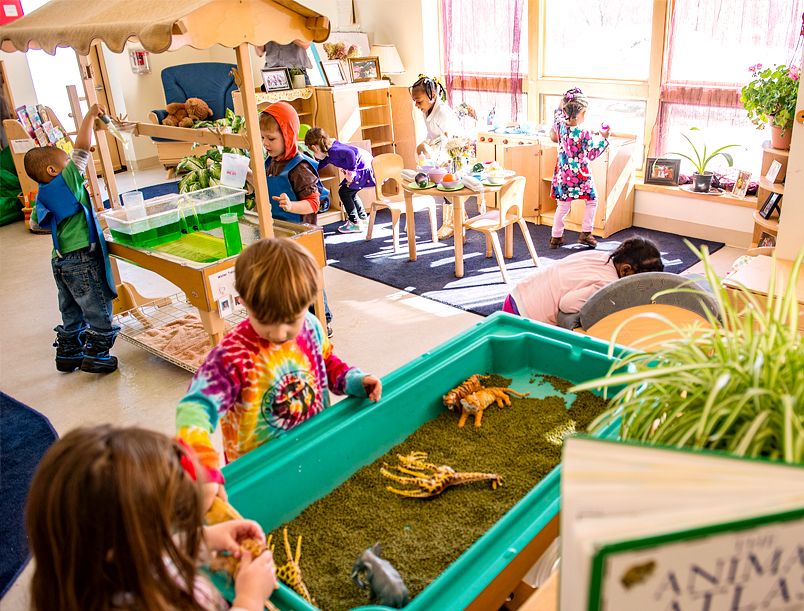
Choosing the right space for your newborn is very important. It helps your baby feel calm and safe. A good space supports your baby’s growth and learning. Consider factors like safety, light, and temperature to create a perfect spot.
Safe And Quiet Area
Pick a place away from noise and heavy traffic. Babies sleep and play better in quiet areas. Make sure the space has no sharp edges or small objects. Safety comes first to avoid accidents. Use soft rugs or mats to cushion the floor. A peaceful area helps your baby relax and explore.
Adequate Lighting
Natural light is best for your baby’s room. It helps regulate sleep and mood. Avoid bright or harsh lights that can hurt the baby’s eyes. Use soft, warm lights in the evening. Keep the room bright during the day but not too sunny. Proper lighting creates a calm and friendly space.
Temperature Control
Keep the room temperature comfortable for your newborn. Ideal temperature is between 68 and 72 degrees Fahrenheit. Use a thermostat or fan to control heat. Avoid placing the crib near heaters or cold drafts. A steady temperature helps your baby sleep well and stay healthy.
Incorporating Sensory Elements
Creating a stimulating environment for a newborn helps their brain grow. Sensory elements play a big role in this. Babies learn about the world through their senses. Adding different sights, sounds, and textures can keep them interested. This also helps them develop skills like focus and coordination.
Visual Stimuli
Bright colors catch a baby’s attention. Use simple patterns like stripes or dots. Black and white images work well for very young babies. Mobile toys that move slowly can also help. Changing what they see a little each day keeps things fresh.
Auditory Stimuli
Soft sounds soothe a baby’s ears. Gentle music or nature sounds work great. Talking and singing to your baby helps too. Different voices and tones make sounds interesting. Avoid loud noises that might scare or upset them.
Tactile Stimuli
Textures teach babies about touch and feel. Soft blankets and plush toys are good choices. Try different fabrics like cotton or fleece. Let your baby explore objects with different shapes. Always check that items are safe and clean.
Selecting Age-appropriate Toys
Selecting the right toys for a newborn is important. Toys should help babies learn and feel safe. Choose toys that fit their age and skills. This supports their growth and keeps them interested. Safe, simple toys work best for tiny hands. Bright colors and soft textures catch their attention. Toys that move or make sounds can also help with senses.
Soft Toys And Mobiles
Soft toys are gentle and safe for babies. They provide comfort and a sense of security. Mobiles hang above cribs to catch a baby’s eye. They move slowly to calm and entertain. Choose mobiles with soft colors and smooth shapes. These toys help babies focus and track movement.
Interactive Toys
Interactive toys encourage babies to touch and explore. Toys with buttons or textures teach cause and effect. Sounds or lights respond to baby’s actions. These toys build early thinking and hand skills. Keep interactions simple to avoid overwhelming the baby.
Natural Materials
Toys made from natural materials feel safe and pure. Wood, cotton, and wool are gentle on baby’s skin. These materials avoid harsh chemicals found in plastics. They also last longer and look nice. Natural toys offer different textures for sensory learning.
Creating Comfortable Spaces
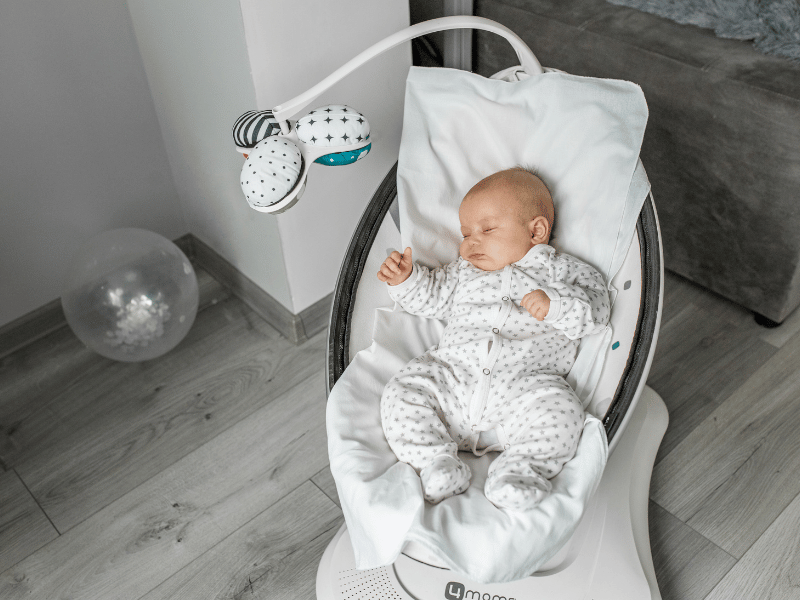
Creating comfortable spaces is key for a newborn’s growth and happiness. Babies need areas that feel safe and soothing. Spaces that invite them to explore and rest help their development. A well-set environment supports their body and mind. Every detail counts to make the space cozy and secure.
Soft Seating And Mats
Soft seating and mats offer a gentle place for babies to relax. Cushioned mats protect delicate skin from hard floors. They allow babies to move freely and safely. Soft seating like small pillows or cushions support sitting practice. Choose materials that are easy to clean and gentle to touch. Bright colors and simple patterns can also catch a baby’s eye. These areas invite play and quiet time equally.
Safe Sleeping Area
Safe sleeping areas ensure peaceful rest for your newborn. Use a firm mattress that fits the crib snugly. Avoid loose bedding or toys inside the sleep space. A simple, clear crib reduces risks and helps breathe freely. Position the crib away from windows and cords. Keep the room at a comfortable temperature. This setup helps babies sleep soundly and safely. A calm sleeping area supports healthy growth and rest.
Promoting Safe Exploration
Creating a safe space helps your newborn explore with confidence. It encourages curiosity and learning. Babies discover the world through touch and movement. Safe exploration supports their growth and development.
Baby-proofing Essentials
Cover sharp edges with soft guards. Use outlet covers to prevent shocks. Keep small objects out of reach. Secure heavy furniture to walls. Lock cabinets that hold cleaning supplies. Use baby gates to block stairs. These steps protect your baby from harm.
Open Floor Space
Clear a wide area for crawling and playing. Remove rugs that slide or bunch up. Use soft mats for comfort and safety. Keep toys within easy reach but organized. A clear floor helps your baby move freely. It invites safe exploration and discovery.
Using Colors And Patterns
Colors and patterns play a big role in a newborn’s environment. They help babies see and learn about the world. Choosing the right colors and patterns can make a room more interesting and comforting. Babies notice high-contrast colors and simple patterns best. These stimulate their vision and keep their attention.
High-contrast Colors
Newborns see high-contrast colors clearly. Black and white or red and white work well. These colors help babies focus and track objects. Bright colors like red or yellow also catch their eye. Use these colors on toys, walls, or mobiles. They make the room lively and help brain growth.
Simple Patterns
Simple patterns are easier for babies to see. Stripes, dots, and checks are good examples. Avoid busy or small patterns. They can confuse or tire your baby’s eyes. Large and clear shapes help babies learn to recognize forms. Use simple patterns on blankets, clothes, or wall art. This keeps the baby calm and curious.
Involving Parents And Caregivers
Creating a stimulating environment for a newborn is a team effort. Parents and caregivers play a key role in helping babies explore and learn. Their involvement makes the environment more lively and supportive. This section explains how parents and caregivers can actively engage with their newborns.
Interactive Playtime
Interactive playtime helps babies learn through fun activities. Parents can use toys with bright colors and different textures. Simple games like peek-a-boo or gentle tickling keep babies interested. These moments build trust and encourage curiosity. Playtime also helps babies develop motor skills and hand-eye coordination.
Responsive Communication
Babies need responsive communication to feel safe and understood. Parents and caregivers should watch for baby’s sounds and movements. Responding with smiles, words, or gentle touches shows the baby they are noticed. This back-and-forth interaction builds language skills early. It also strengthens emotional bonds and supports brain growth.
Maintaining A Stimulating Environment
Maintaining a stimulating environment for your newborn keeps their senses active and helps their growth. It means making small but regular changes to the space around them. This keeps things interesting and helps your baby learn new things every day.
Regular Updates
Change toys and decorations often to keep your baby curious. Swap soft toys with colorful mobiles or textured blankets. Introduce new sounds, like gentle music or nature sounds. Rotate items every few weeks to keep the environment fresh. This prevents boredom and supports brain development.
Cleaning And Organization
Keep the area clean and tidy for your baby’s health and safety. Regularly wash toys and blankets to remove germs. Organize items so your baby can easily explore them. A neat space helps your baby focus and feel calm. Avoid clutter to reduce distractions and accidents.
Frequently Asked Questions
What Are Essential Items For A Newborn’s Stimulating Environment?
Essential items include soft toys, colorful mobiles, textured blankets, and safe mirrors. These items promote sensory development and curiosity in newborns, helping them explore and learn through touch, sight, and sound.
How Can Lighting Affect A Newborn’s Sensory Development?
Soft, natural lighting helps newborns feel calm and safe. Avoid harsh lights, as they can overstimulate and distress babies. Gentle lighting supports healthy sleep patterns and visual development.
How Often Should You Change A Newborn’s Environment Setup?
Changing the setup every few weeks keeps the environment fresh and stimulating. Introducing new textures, colors, and sounds encourages continuous sensory growth and prevents boredom.
Can Background Sounds Benefit A Newborn’s Brain Development?
Yes, soft background sounds like lullabies or white noise can soothe babies. They also enhance auditory skills and help newborns distinguish different sounds, aiding early brain development.
Conclusion
Creating a stimulating environment helps your newborn grow and learn. Bright colors, soft sounds, and safe toys catch their attention. Simple changes make a big difference every day. Watch your baby explore and enjoy new things. This space supports their senses and brain development.
Keep it safe, calm, and full of gentle surprises. Your care shapes their early world in a positive way. Small steps lead to happy, healthy growth. Keep experimenting and enjoy this special time together.


