Have you ever wondered how a simple touch can shape your newborn’s growth? The power of bonding through touch goes far beyond comfort—it plays a vital role in your baby’s development.
When you hold, cuddle, or gently stroke your little one, you’re not just showing love; you’re helping build their brain, boost their immunity, and strengthen your connection. Keep reading to discover how these small moments of touch can make a big difference in your baby’s first days and beyond.
Role Of Touch In Early Growth
Touch plays a very important role in a newborn’s early growth. It is one of the first ways babies learn about the world. Gentle, loving touch helps babies feel safe and cared for. This feeling supports their overall health and development.
From the first moments after birth, touch connects babies to their parents. This connection helps babies grow stronger physically and emotionally. It also helps their brains develop new skills and abilities.
Physical Development Boost
Touch helps babies grow their muscles and bones. Gentle stroking and holding encourage movement and strength. Babies who are touched often tend to gain weight better. Their bodies heal faster and stay healthier.
Emotional Security
Touch makes babies feel safe and loved. This sense of security lowers stress and crying. Babies develop trust in their caregivers. Feeling safe helps babies explore and learn from their surroundings.
Neural Connections
Touch helps build brain connections in newborns. Every gentle touch sends signals to the brain. These signals help form pathways for learning and memory. Babies with more touch grow smarter and respond better to their world.

Types Of Touch That Aid Bonding
Touch plays a key role in building a bond between parents and newborns. Different types of touch help babies feel safe and loved. These touches support brain growth and emotional health. Simple actions can create strong connections.
Skin-to-skin Contact
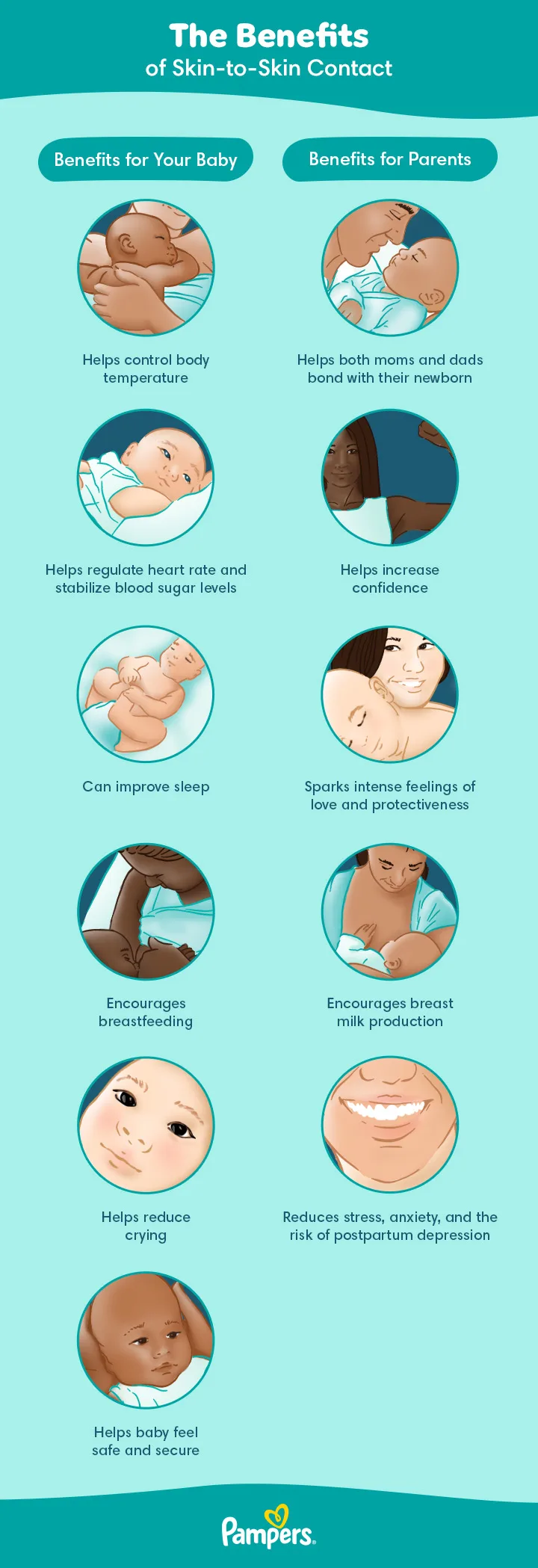
Skin-to-skin contact means holding the baby against bare skin. This helps regulate the baby’s body temperature and heartbeat. It calms both baby and parent. The close contact encourages breastfeeding and reduces stress in newborns.
Gentle Massage
Gentle massage uses soft strokes on the baby’s body. It improves circulation and digestion. Massage also helps the baby relax and sleep better. Parents learn to understand their baby’s cues through touch.
Responsive Holding
Responsive holding means holding the baby carefully and reactively. It involves adjusting to the baby’s needs and moods. This kind of holding builds trust and emotional security. Babies feel comforted and supported by responsive touch.
Impact On Brain Development
Touch plays a key role in a newborn’s brain growth. It helps build strong brain connections. These connections shape how babies think, feel, and learn. Gentle touch supports healthy brain development from the very start.
Early bonding through touch creates a safe and calm environment. This environment helps the brain develop in the best way possible. It also supports emotional and physical growth.
Stress Reduction
Touch lowers stress hormones in babies. It helps them feel calm and safe. Lower stress helps the brain grow without harm. Babies who feel secure learn and explore better.
Cognitive Benefits
Touch helps build brain pathways for thinking and memory. Babies who get loving touch show better focus. They also develop language skills faster. Touch boosts brain areas that control learning.
Sensory Integration
Touch helps babies understand the world through senses. It teaches the brain to process touch, sight, and sound together. This skill helps babies react to their surroundings. Sensory integration supports movement and coordination too.
Strengthening Parent-infant Relationship
Touch is one of the first ways parents connect with their newborns. This connection helps build a strong bond. A strong bond supports the baby’s growth and well-being. Through touch, parents and babies share comfort and security. This closeness shapes their relationship deeply.
Building Trust
Touch helps babies feel safe and cared for. Gentle holding or skin-to-skin contact shows the baby that parents are there. This safety builds trust early on. Trust is the base for all future learning and relationships. Babies learn that the world is a safe place.
Enhancing Communication
Babies cannot speak with words. Touch becomes their way to express feelings and needs. Parents respond to these signals with hugs or gentle pats. This back-and-forth builds early communication skills. Parents learn their baby’s unique language through touch.
Supporting Emotional Regulation
Newborns often feel overwhelmed by new sensations. Touch helps calm their nervous system. It lowers stress and soothes emotions quickly. Parents’ touch teaches babies how to manage feelings. This skill is important for healthy emotional growth.
Long-term Benefits Of Touch Bonding
Touch bonding offers lasting benefits for newborns. It shapes their growth beyond early infancy. These benefits affect many parts of a child’s life and health.
Through gentle touch, babies learn trust and safety. This foundation supports their future social skills, health, and resilience. Parents and caregivers help build this foundation with regular, loving contact.
Improved Social Skills
Touch bonding helps babies feel secure and loved. This security encourages healthy emotional development. Children who experience positive touch tend to interact better with others. They show more empathy and cooperation in social settings. Early touch bonding creates a strong base for good relationships later.
Better Health Outcomes
Physical touch boosts newborns’ overall health. It helps regulate their heart rate and breathing. Babies who receive regular touch have stronger immune systems. They also sleep better and gain weight more steadily. Healthy early growth reduces the risk of illness in childhood.
Increased Resilience
Touch bonding builds emotional strength in babies. It teaches them how to handle stress calmly. Children with early touch experiences often adapt well to challenges. They recover faster from setbacks and feel more confident. This resilience supports mental and emotional well-being throughout life.

Practical Ways To Incorporate Touch
Touch plays a big role in newborn growth. It helps babies feel safe and loved. Parents can use touch in many easy ways. These moments build strong bonds and support healthy development. Let’s explore some simple ways to add touch to daily life.
Daily Routines
Daily activities offer many chances for gentle touch. Hold your baby during feeding times. Softly stroke their back or arms. During diaper changes, talk softly and use calming touch. Bath time can include gentle massages with warm hands. These small acts create comfort and trust.
Safe Touch Practices
Always use clean hands before touching your baby. Avoid rough or fast movements. Watch your baby’s reactions to touch. Stop if they seem upset or uncomfortable. Keep nails trimmed to prevent scratches. Use gentle, slow strokes to soothe and calm your newborn.
Overcoming Challenges
Some parents worry about touching a fragile newborn. Take it slow and be patient. If your baby resists, try different times or softer touch. Talk to a doctor or nurse for advice. Support from others can help build confidence in using touch.
Frequently Asked Questions
How Does Touch Bonding Affect Newborn Brain Development?
Touch bonding stimulates neural connections in a newborn’s brain. It supports cognitive growth and emotional regulation. Gentle touch promotes healthy brain pathways for learning and memory.
Why Is Skin-to-skin Contact Important For Newborns?
Skin-to-skin contact stabilizes a newborn’s heart rate and body temperature. It boosts immune function and fosters emotional security. This close contact also enhances breastfeeding success.
Can Touch Bonding Improve Newborn Sleep Patterns?
Yes, bonding through touch helps newborns feel safe and calm. This reduces stress and promotes better, more consistent sleep cycles. Regular touch supports healthy sleep development.
How Does Touch Support Emotional Bonding With Newborns?
Touch releases oxytocin, the “love hormone,” strengthening parent-child bonds. It helps newborns feel comforted and secure. This emotional connection promotes lifelong social and emotional skills.
Conclusion
Bonding through touch helps babies feel safe and loved. It supports their brain growth and emotional health. Gentle touch also improves sleep and lowers stress for newborns. Parents build trust and a strong connection with their baby. Small moments of touch make a big difference in development.
Keep close, hold your baby often, and enjoy this special time. Touch truly shapes a happy, healthy start in life.


