Your newborn’s development is one of the most exciting experiences you’ll ever have. One key skill that can shape their future learning and play is hand-eye coordination.
But how can you help your little one build this important ability from the very start? You’ll discover simple, effective ways to encourage your baby’s hand-eye coordination. These tips are easy to follow and designed to fit into your daily routine.
Keep reading to learn how you can give your newborn the best start for a strong, confident connection between their eyes and hands.
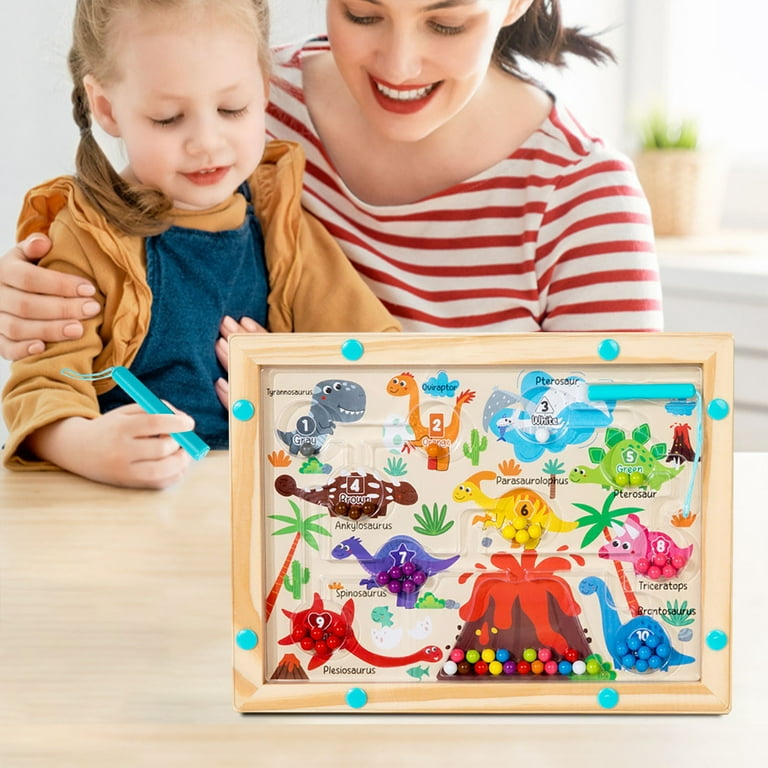
Why Hand-eye Coordination Matters
Hand-eye coordination is a key skill for newborns. It helps babies learn how to control their hands and eyes together. This skill supports many daily activities and future learning. Developing hand-eye coordination early leads to better movement and focus. It also helps babies explore their world with confidence.
Benefits For Newborn Development
Good hand-eye coordination helps babies reach and grab objects. This builds their motor skills and muscle strength. It also improves their ability to focus on tasks. Babies learn to judge distances and shapes better. These skills support early cognitive growth and sensory development.
Long-term Impact On Skills
Strong hand-eye coordination benefits children in school and play. It helps with writing, drawing, and using tools. Sports and physical activities become easier to learn. This skill also improves problem-solving and concentration. Developing hand-eye coordination early sets a foundation for many life skills.

Signs Of Developing Coordination
Signs of developing hand-eye coordination in newborns show how their brain and body start to work together. This skill helps babies grab, look, and explore objects around them. Watching these signs helps parents understand how their baby grows and learns.
Coordination begins with simple movements and grows stronger each day. Parents can notice small changes in how babies move their hands and eyes. These changes mark important steps in their development.
Early Reflexes To Watch
Newborns have reflexes that show early coordination. The grasp reflex makes babies close their fingers around a finger or toy. The rooting reflex helps them turn their head toward a touch near the mouth. These reflexes are natural and help start hand-eye skills.
Watch how your baby follows moving objects with their eyes. This shows early visual tracking. Sometimes babies swipe or reach toward things they see. These actions are first signs of coordination.
Milestones In First Months
By one month, babies start to open and close their hands more often. They may bring hands to their mouth, learning control. Around two months, babies begin to follow moving objects more smoothly with their eyes.
At three months, some babies can reach and bat at toys. They learn to connect what they see with hand movements. These milestones show growing strength and control in their coordination.
Simple Activities To Try
Encouraging hand-eye coordination in newborns is easier with simple activities. These activities help babies connect what they see with what they do. Start with small, fun exercises that fit into daily routines. Watch your baby’s skills grow with gentle practice and patience.
Tummy Time Games
Tummy time helps babies strengthen neck and arm muscles. Place your baby on their tummy on a soft surface. Use colorful toys or a mirror to catch their attention. This encourages them to lift their head and reach forward. Even a few minutes several times a day makes a big difference.
Reaching And Grasping Toys
Offer toys that are easy to hold and safe to explore. Soft rattles or textured balls work well. Hold the toy within your baby’s reach to encourage grasping. Move the toy slightly to promote reaching and improve coordination. Repeat often to build confidence and skill.
Tracking Moving Objects
Hold a small toy or bright object in front of your baby. Slowly move it from side to side and up and down. Your baby will learn to follow the object with their eyes. This exercise helps develop focus and visual tracking. Keep sessions short and fun to maintain interest.
Choosing The Right Toys
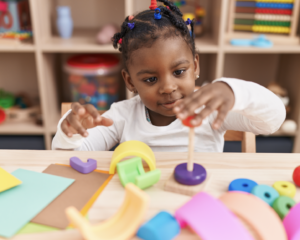
Choosing the right toys plays a big role in helping newborns develop hand-eye coordination. Toys that catch their attention and are easy to grasp encourage babies to reach, touch, and explore. This practice builds their motor skills and strengthens the connection between what they see and what they do. Selecting toys with safe materials and engaging features makes playtime both fun and educational.
Safe And Stimulating Options
Choose toys made from non-toxic materials. Soft edges and lightweight designs keep babies safe. Toys with different textures invite touch and exploration. Rattles and soft blocks are great choices. They offer noise and feel, which stimulate senses. Avoid toys with small parts that could be choking hazards. Safety should always be the top priority.
Colors And Shapes That Attract
Bright colors catch a newborn’s eye quickly. Red, yellow, and blue are especially effective. Simple shapes like circles and squares help babies focus. High-contrast patterns support visual tracking. Toys combining bold colors and clear shapes invite reaching and grabbing. These features guide the baby’s eyes and hands to work together smoothly.
Creating A Supportive Environment
Creating a supportive environment helps newborns develop strong hand-eye coordination. It gives babies the chance to explore safely. They learn by touching, seeing, and reaching for objects. Parents and caregivers can set up spaces and activities to make learning easy and fun.
Safe Spaces For Exploration
Safe spaces let babies explore without harm. Use soft mats or blankets on the floor. Keep small or sharp items out of reach. This space should be clean and free of clutter. Babies feel secure and curious in these areas. They try to reach and grab toys. This practice improves their hand-eye coordination naturally.
Encouraging Interaction And Play
Playtime boosts baby’s skills. Use colorful toys with different shapes and textures. Move toys slowly to catch their attention. Talk to your baby while playing. Smile and make eye contact to encourage responses. Let the baby hold and shake toys. These actions strengthen their coordination and focus.
Tips For Parents And Caregivers
Helping a newborn develop hand-eye coordination takes care and focus. Parents and caregivers play a big role in this early growth. Simple actions and gentle interaction can boost a baby’s skills. Understanding how to support their natural learning helps build confidence and progress.
Below are easy tips that encourage hand-eye coordination. These tips fit well into daily routines. They support a baby’s development step by step.
Patience And Consistency
Newborns learn at their own pace. Patience is key during this stage. Repeating activities often helps the baby recognize patterns. Regular practice builds stronger hand-eye links.
Keep activities short and gentle. Babies get tired quickly. Ending on a positive note keeps them interested. Stay calm and encouraging, even if progress seems slow.
Observing And Responding To Baby’s Cues
Watch your baby closely for signs of interest or fatigue. Babies show cues like looking, reaching, or turning away. Responding to these signals helps them feel safe.
Offer toys or objects that match their focus level. Change activities based on how they react. This keeps practice fun and effective. Listening to your baby’s needs guides the learning process.
When To Seek Professional Advice
Knowing when to seek professional advice is important for your newborn’s hand-eye coordination. Early support helps your baby develop skills better. Some signs show your baby might need extra help. Trust your instincts and watch closely.
Recognizing Delays
Notice if your baby rarely reaches for objects. Delay in tracking moving items with their eyes can be a sign. Lack of hand control or weak grip might also indicate a delay. Compare your baby’s actions with typical milestones. Every baby grows differently, but big delays need attention.
Consulting Pediatricians And Therapists
Talk to your pediatrician if you see any concerns. They can check your baby’s vision and motor skills. A pediatric therapist may suggest exercises to improve coordination. Early therapy can support your baby’s growth. Professionals guide you with safe, easy activities to try at home.
Frequently Asked Questions
What Activities Help Improve Newborn Hand-eye Coordination?
Simple activities like reaching for toys, tummy time, and gentle grasping exercises enhance newborn hand-eye coordination effectively.
When Should Hand-eye Coordination Development Begin In Infants?
Hand-eye coordination development starts from birth and progresses rapidly during the first year with proper stimulation and practice.
How Can Parents Encourage Hand-eye Coordination Daily?
Parents can encourage coordination by offering colorful toys, engaging in interactive play, and providing safe objects for grasping.
Why Is Hand-eye Coordination Important For Newborns?
Hand-eye coordination supports motor skills, cognitive development, and prepares infants for later activities like writing and sports.
Conclusion
Encouraging hand-eye coordination helps babies grow strong and smart. Simple activities make learning fun and easy. Daily practice builds their skills step by step. Parents’ patience and love play a big role. Small moments create lasting benefits for your child.
Keep trying different toys and games to see what works. Watch your newborn explore and enjoy each new skill. This early support sets the stage for future success. Every little effort counts in your baby’s development journey.


