Are you wondering how to help your newborn’s vision develop quickly and healthily? Visual stimulation is one of the easiest and most effective ways to support your baby’s growth right from the start.
But what exactly should you do, and how can you make sure you’re doing it right? You’ll discover simple, practical tips that you can use every day to boost your newborn’s visual skills. Keep reading to learn how small actions can make a big difference in your baby’s early development.
Why Visual Stimulation Matters
Visual stimulation is vital for newborn babies. It helps their eyes and brain learn to work together. Early visual experiences shape how babies see and understand the world. This early stage sets the path for future learning and development.
Brain Development In Newborns
The brain of a newborn grows quickly. Visual input helps build strong connections in the brain. These connections improve memory, attention, and problem-solving skills. Babies need to see different shapes, colors, and patterns to develop their brain properly. Visual stimulation supports many parts of brain growth at once.
Benefits Of Early Visual Engagement
Early visual engagement helps babies recognize faces and objects. It promotes better focus and eye movement control. Babies feel more secure when they can see clearly and understand their environment. This interaction also encourages social skills and bonding with parents. Visual learning boosts overall development and helps babies explore safely.
Best Visual Stimulation Techniques
Visual stimulation helps newborns develop their sight and brain. It supports their ability to focus and recognize objects. Simple techniques can make a big difference in early growth. These methods encourage babies to explore and learn about the world.
High-contrast Patterns
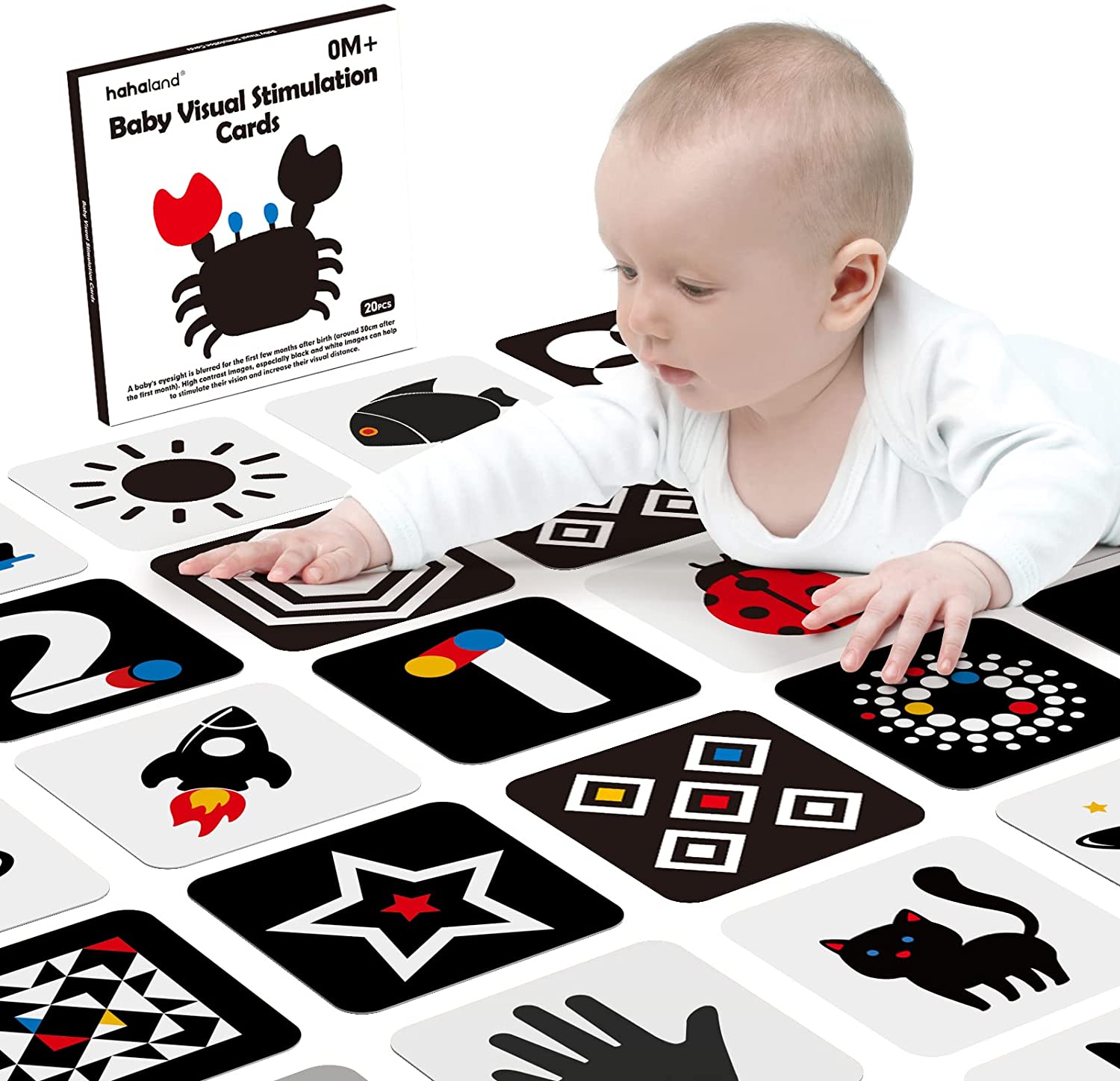
Newborns see high-contrast patterns best. Black and white shapes attract their attention quickly. Stripes, checks, and zigzags work well. These patterns help babies track objects with their eyes. Use books, cards, or toys with bold designs.
Bright And Bold Colors
Bright colors like red, yellow, and blue interest babies. They can spot these colors from a few inches away. Use colorful mobiles or soft toys to engage your newborn. Changing colors also keep babies curious and alert.
Face-to-face Interaction
Babies love looking at faces. Talk, smile, and make eye contact often. This helps them learn expressions and emotions. Face-to-face time builds a strong bond and supports visual skills. Moving your face slowly keeps their focus steady.
Safe Visual Toys And Tools
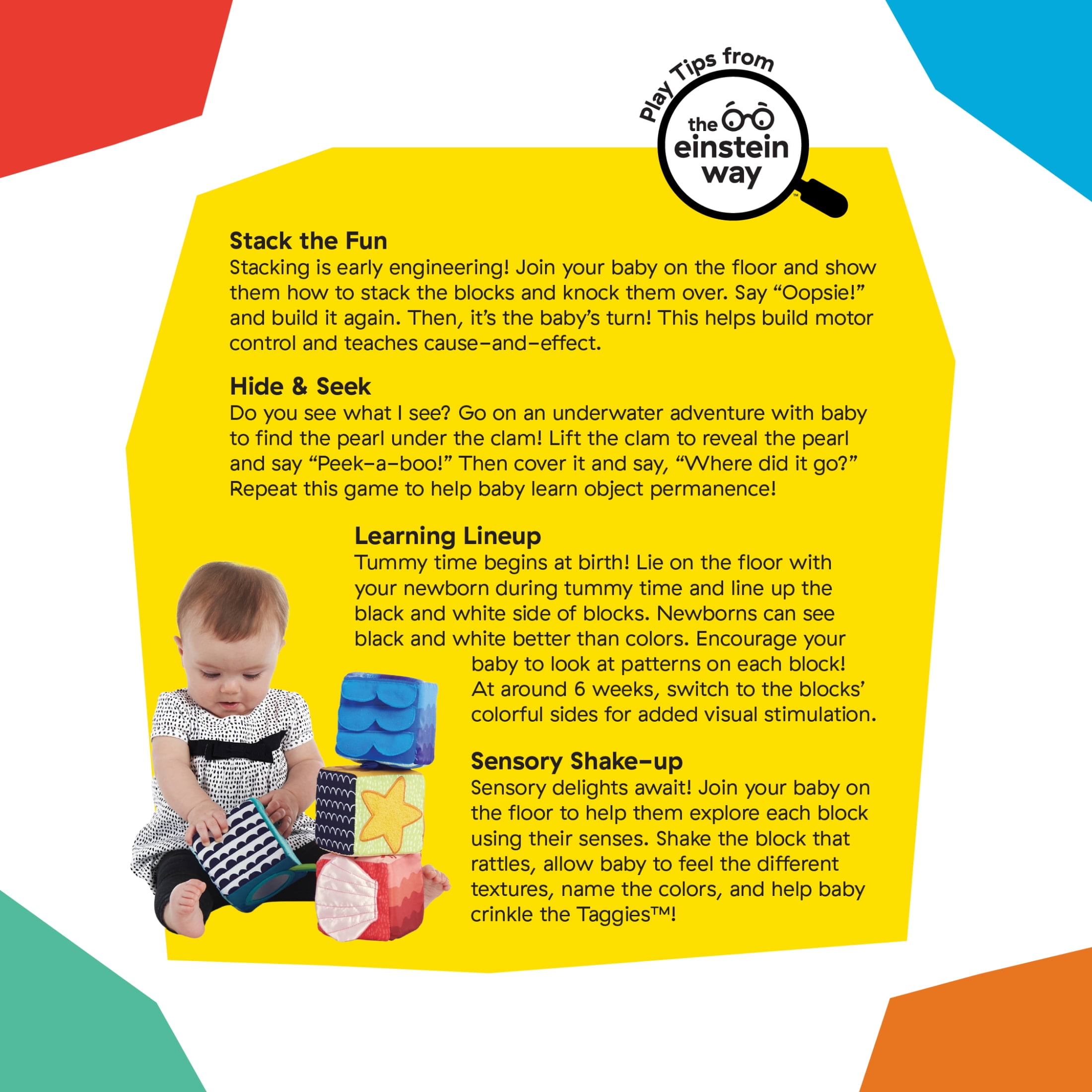
Choosing safe visual toys and tools helps newborns explore their world. These items support early brain growth and vision skills. Parents should pick toys that are gentle, non-toxic, and easy to clean. Bright colors and clear patterns attract babies’ attention. Safety means no small parts or sharp edges. Here are some great options that fit these rules.
Mobiles And Mirrors
Mobiles hang above cribs to catch babies’ eyes. Moving shapes and colors encourage focus and tracking skills. Choose mobiles with soft, smooth materials and secure attachments. Mirrors help babies recognize faces and expressions. Use baby-safe mirrors made of shatterproof plastic. Place mirrors where babies can see themselves safely.
Soft Books And Flashcards
Soft books have bright pictures and simple designs. They are easy for babies to touch and hold. Flashcards with black and white or bold patterns stimulate vision. Use cards with large shapes and simple images. Both help develop attention and memory in a safe way.
Light And Shadow Play
Light and shadow play fascinates newborns. Use a soft flashlight or natural sunlight to create shapes. Shadows on walls or ceilings catch their eyes. Never shine lights directly into their eyes. This play is gentle and helps babies notice contrasts and movement.
Timing And Environment Tips
Timing and environment play a big role in visual stimulation for newborns. Picking the right moments and setting helps babies focus and enjoy learning. Babies notice things better in calm, quiet places. Bright lights and loud sounds can distract or upset them. These tips guide you to create the best experience for your newborn’s vision development.
Choosing The Right Time For Stimulation
Watch your baby’s mood before starting visual activities. Choose times when your baby is alert and calm. Avoid moments right after feeding or when your baby feels sleepy. Short sessions of a few minutes work best. Babies get tired quickly and need breaks. Repeating these sessions often helps build strong visual skills.
Creating A Calm Visual Space
Set up a quiet, softly lit area for visual play. Use simple backgrounds with few colors to avoid distractions. Soft natural light is ideal, not harsh or bright lights. Keep toys or objects within your baby’s sight but not too close. A peaceful environment helps your baby focus and explore visuals with ease.
Signs Your Baby Is Engaged
Watching your newborn’s reactions helps you know if they are engaged with visual stimulation. Babies show clear signs when their eyes and brain connect with what they see. These signs guide parents to understand their baby’s interest and attention.
Tracking Eye Movement
Your baby will follow objects or faces with their eyes. This is called tracking eye movement. It means your baby is paying attention and trying to understand what they see. You can test this by slowly moving a toy in front of their face. If their eyes follow the toy, they are engaged.
Tracking helps develop focus and coordination. It is a key step in early learning and vision skills. Most newborns start tracking at about 6 to 8 weeks old.
Responding To Visual Cues
Babies respond to bright colors, shapes, and faces. They may smile or show excitement when they see something interesting. These reactions are signs your baby notices and enjoys visual stimuli.
When your baby blinks, widens their eyes, or moves toward an object, they are reacting to visual cues. These small responses mean their brain is processing what they see. Parents can use toys and images with clear patterns to encourage this response.
Avoiding Overstimulation
Newborns are sensitive to their surroundings. Too many sights can cause stress and fussiness. Avoiding overstimulation helps babies feel calm and secure. It also supports healthy brain development. Parents should watch for signs of overwhelm and balance sensory input carefully.
Recognizing Overwhelm
Babies show clear signs when they feel overwhelmed. They may turn their heads away from bright objects. Crying or fussiness can increase suddenly. Some newborns close their eyes or become very still. These signals mean it’s time to reduce visual input. A calm environment helps the baby relax and settle.
Balancing Visual And Other Senses
Babies need a mix of sensory experiences. Bright colors and patterns are good in small doses. Gentle sounds, soft touch, and soothing smells calm the baby. Limit strong lights and loud noises together. Switch between visual play and quiet moments. This balance keeps the baby comfortable and happy.
Expert Recommendations
Experts share useful tips for visual stimulation in newborns. These tips help support healthy eye development and brain growth. Simple activities can make a big difference in your baby’s early months.
Pediatrician Advice
Pediatricians recommend showing high-contrast images to newborns. Black and white patterns are easier for babies to see. Bright colors can be introduced gradually after a few weeks.
Hold toys or pictures about 8 to 12 inches from your baby’s face. This distance helps them focus better. Avoid overwhelming your baby with too many visuals at once.
Watch your baby’s reactions. If they seem tired or fussy, stop the activity. Gentle, short sessions work best for newborns.
Incorporating Visual Stimulation Into Daily Routine
Use everyday moments for visual stimulation. During diaper changes, show your baby colorful mobiles or cards. Talk about what they see to help them connect sounds with images.
Place a soft, patterned blanket in their crib. This gives them something interesting to look at safely. Change the patterns every few days to keep their attention.
Face your baby often during feedings. Your expressions and eye contact provide natural visual learning. Simple, calm interactions build strong early skills.

Frequently Asked Questions
What Is Visual Stimulation For Newborns?
Visual stimulation involves activities that engage a newborn’s sight. It supports brain development and helps improve focus and recognition skills.
When Should I Start Visual Stimulation For My Baby?
You can start visual stimulation from birth. Newborns benefit from simple patterns, high-contrast colors, and gentle movements early on.
Which Colors Are Best For Newborn Visual Stimulation?
High-contrast colors like black, white, and red are best. These colors attract newborns’ attention and help develop their vision.
How Often Should I Provide Visual Stimulation?
Short sessions of 5-10 minutes multiple times daily are ideal. Frequent, gentle stimulation supports healthy visual development without overwhelming the baby.
Conclusion
Visual stimulation helps newborns learn and grow each day. Use simple shapes and bright colors to catch their eyes. Talk, smile, and gently move objects slowly to keep their focus. Regular playtime supports their brain and eye development. Remember, small steps make a big difference.
Trust your instincts and enjoy these special moments. Every baby is unique, so be patient and consistent. These tips create a strong start for your newborn’s vision skills. Keep the experience fun and relaxed for both of you.


