Welcoming a newborn into your life brings joy, excitement, and a fair share of questions. You might find yourself wondering, “What should my baby be doing at this age?”
Or “Is my little one hitting the right milestones? ” Understanding the major newborn milestones in the first year can give you peace of mind and help you support your baby’s growth in the best way. This article will guide you through the key moments your baby is likely to reach, so you can celebrate each success and know when to seek advice.
Keep reading to discover what amazing changes await you and your baby in these precious first twelve months.
Physical Growth Milestones
Physical growth milestones mark important changes in a newborn’s first year. These milestones show how babies grow stronger and develop new skills. Parents and caregivers watch these signs closely to understand the baby’s health and progress. Growth in weight, height, head size, and motor skills are key parts of this journey.
Weight And Height Changes
Babies usually gain about 5 to 7 ounces each week. By six months, most babies double their birth weight. By one year, they often triple it. Height also grows quickly. Newborns grow about 1 inch per month in the first six months. Growth slows but continues steadily after that.
Head Circumference Growth
The head grows fast during the first year. This growth supports brain development. On average, head circumference increases by about 1.5 centimeters each month. Tracking head size helps doctors check brain health and development.
Motor Skill Development
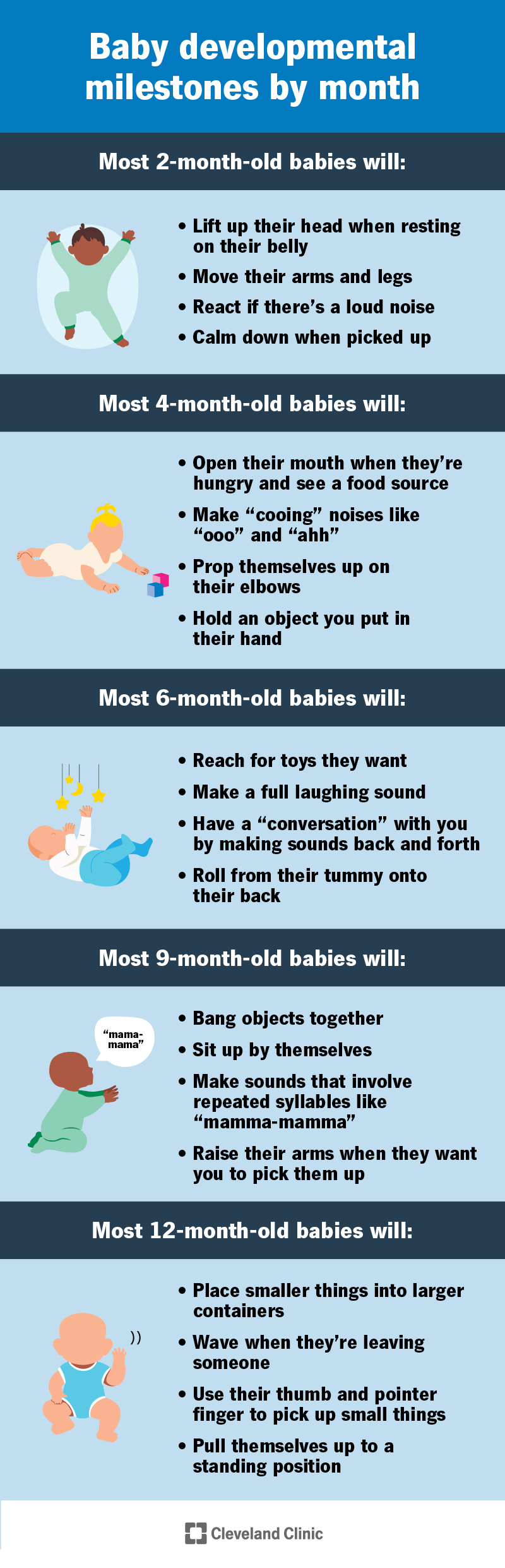
Motor skills develop as muscles grow stronger. Babies start by lifting their heads around one to two months. By four months, many can roll over. Sitting up usually happens between six and eight months. Crawling begins around eight to ten months. Walking often starts near the first birthday.
Cognitive Development Milestones
Cognitive development in the first year is a crucial part of a baby’s growth. It shapes how they think, learn, and understand the world. Babies start to notice things, solve simple problems, and remember faces and sounds. Each milestone is a step toward more complex thinking skills. Tracking these changes helps parents support their baby’s brain growth.
Sensory Awareness
Babies begin to use their senses more actively. They look at bright colors and follow moving objects with their eyes. Sounds catch their attention, and they start to recognize voices. Touch becomes a way to explore different textures. Sensory awareness helps babies learn about their surroundings every day.
Problem-solving Skills
Simple problem solving appears as babies try new actions. They might shake a toy to hear noise or reach for a favorite object. Babies learn cause and effect, like dropping a spoon to see it fall. These early skills prepare them for more complex thinking later on.
Memory Growth
Memory improves as babies remember people and routines. They recognize familiar faces and smile at loved ones. Babies start to expect what comes next during daily activities. This memory growth supports language learning and social skills development.
Social And Emotional Milestones
Social and emotional milestones show how babies connect with others and feel inside. These milestones help parents understand their baby’s growing world. Babies learn to trust, share feelings, and read faces. These skills build strong bonds and healthy emotions.
Bonding And Attachment
Babies start bonding soon after birth. They recognize their parents’ voices and faces. Holding, talking, and eye contact build trust. This attachment makes babies feel safe and loved. Strong bonds help babies explore their environment with confidence.
Expressing Emotions
Newborns show feelings through crying and facial expressions. By a few months, they smile to show happiness. They may frown or cry when upset or tired. These expressions help parents understand their needs. Babies learn to express joy, fear, and frustration.
Responding To Social Cues
Babies watch faces and respond to sounds. They smile back when someone smiles at them. They may copy simple actions like sticking out their tongue. Responding to cues helps babies join social play. This skill grows as they get older and more aware.
Language And Communication Milestones
Language and communication skills develop quickly during a baby’s first year. These early milestones show how babies begin to express needs and understand the world around them. Watching a newborn’s language progress is exciting and important for their growth.
Crying And Coos
Crying is a baby’s first way to communicate. It tells caregivers when they are hungry, tired, or uncomfortable. Soon, babies start to make soft sounds called coos. These gentle noises show early attempts at talking and help build a connection with parents.
Babbling And First Words
By around 4 to 6 months, babies begin babbling. They repeat sounds like “ba” and “da.” This practice helps them learn how to form words. Most babies say their first real words near their first birthday. Simple words like “mama” or “dada” usually come first.
Understanding Simple Instructions
Babies also learn to understand simple instructions before they talk. They respond to their name and recognize common words. Commands like “come here” or “give me the toy” become clear. This shows their growing ability to connect words with actions.
Feeding And Sleeping Patterns
Feeding and sleeping are two of the most important parts of a newborn’s first year. These patterns change a lot as the baby grows. Understanding these changes helps parents care better for their child. The first months focus on feeding often and sleeping in short bursts. Over time, the baby’s routine becomes more regular. Let’s explore the key milestones in feeding and sleeping.
Breastfeeding And Bottle Feeding
Newborns usually feed every two to three hours. Breastfeeding provides important nutrients and antibodies. Some babies feed for about 20 to 30 minutes each time. Bottle feeding follows similar timing but can be faster. Parents may notice their baby’s feeding cues, like sucking or rooting. Feeding becomes less frequent but more efficient by six months. Babies start taking bigger amounts in one feeding.
Introducing Solid Foods
Around six months, babies show readiness for solid foods. Signs include sitting with support and showing interest in food. Start with simple foods like pureed vegetables or fruits. Offer small portions once a day, then increase gradually. Solid foods add new textures and flavors. Feeding becomes a mix of breast milk or formula and solids. This stage helps develop chewing and swallowing skills.
Sleep Cycles And Napping
Newborns sleep 14 to 17 hours each day. Their sleep comes in short periods of two to four hours. As babies grow, sleep stretches to longer night-time periods. Daytime naps decrease but remain important for growth. By six months, many babies sleep six to eight hours at night. Consistent bedtime routines help improve sleep quality. Understanding sleep cycles helps parents support healthy rest habits.
Common Challenges And Tips
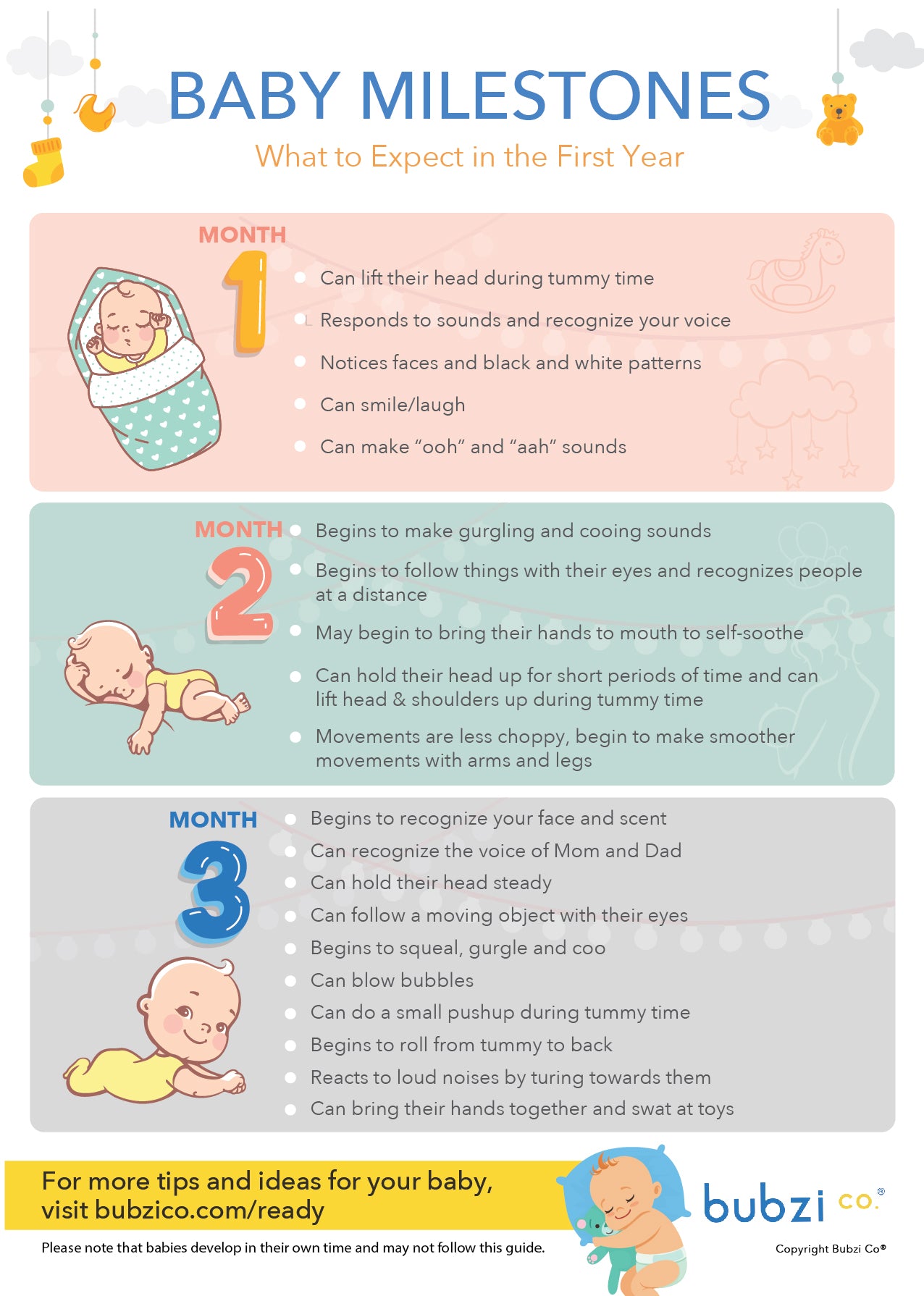
The first year of a newborn’s life is full of exciting changes. Parents often face challenges as they track their baby’s growth and development. Knowing what to expect helps ease worries and supports healthy progress.
Each baby grows at their own pace. Some may reach milestones earlier or later than others. Understanding these variations can reduce stress and guide better care.
Tracking Milestone Variations
Not all babies follow the same timeline. Some crawl early, while others skip crawling and walk first. Speech and social skills also vary widely. Parents should watch for steady progress, not exact timing.
Keep a simple journal of your baby’s skills. Note when they smile, roll over, or say words. This record helps spot patterns and celebrate small wins.
When To Seek Medical Advice
Delays can worry parents. Seek advice if your baby shows no response to sounds or lacks eye contact after several months. If they do not roll over or sit with support by six months, consult a pediatrician.
Medical experts help identify health issues early. Early support improves outcomes and eases parental concern.
Supporting Healthy Growth
Provide a safe space for your baby to explore. Tummy time strengthens muscles needed for crawling and sitting. Talk, read, and sing to encourage language skills.
Healthy feeding and regular check-ups support overall development. Respond to your baby’s needs with warmth and patience. This care builds confidence and strong bonds.

Frequently Asked Questions
What Are The Key Newborn Milestones In The First Year?
Newborn milestones include smiling by 6-8 weeks, rolling over by 4-6 months, sitting up by 6-8 months, crawling around 8-10 months, and walking by 12 months. These milestones indicate healthy physical and cognitive development.
When Do Babies Typically Start To Smile Socially?
Babies usually begin smiling socially between 6 to 8 weeks old. This milestone shows early social and emotional development as they respond to faces and voices.
At What Age Do Babies Begin To Crawl?
Most babies start crawling between 8 to 10 months. Crawling helps develop muscle strength, coordination, and prepares them for walking.
When Can Babies Usually Sit Without Support?
Babies typically sit without support around 6 to 8 months. This milestone indicates improved balance and stronger core muscles.
Conclusion
Tracking your baby’s first-year milestones helps you understand their growth. Each step shows new skills and changes. Celebrate small wins and stay patient through challenges. Every child grows at their own pace. Keep encouraging exploration and learning every day. Enjoy these precious moments—they pass quickly.
Remember, loving support is the best gift you can give. Stay attentive and consult a doctor if you worry. Watching your newborn grow is an amazing journey.


