Are you wondering how to make playtime safe and fun for your newborn? You want to help your little one explore the world, but safety is your top priority.
Finding the right activities that are gentle, engaging, and secure can feel overwhelming. You’ll discover simple and effective playtime ideas designed just for newborns. These tips will not only keep your baby safe but also support their early development. Keep reading to learn how you can create joyful moments that build a strong foundation for your baby’s growth.

Benefits Of Gentle Play
Gentle play offers many benefits for newborns. It helps babies learn and grow in a safe way. Playing softly supports their senses, muscles, and feelings. It also builds a strong bond between parents and babies. Gentle playtime creates a happy and calm environment for babies.
Boosting Sensory Development
Newborns learn about the world through their senses. Gentle play helps them see, hear, and touch new things. Soft sounds and smooth textures stimulate their brain. This kind of play helps babies understand different sensations. It prepares their brain for future learning and discovery.
Encouraging Bonding
Gentle play brings parents and babies close together. Holding, talking, and smiling during play builds trust. Babies feel safe and loved during these moments. This bond helps babies feel calm and secure. It lays the foundation for strong relationships later in life.
Supporting Motor Skills
Gentle play encourages babies to move their bodies slowly. Simple activities like reaching or kicking help muscles grow. These movements improve coordination and control. Motor skills develop step by step with gentle practice. This helps babies prepare for crawling and walking.
Soothing Visual Activities
Soothing visual activities help calm newborns while gently stimulating their vision. These activities support early brain development and create a peaceful environment. Newborns respond well to simple, clear images and soft lights. Caregivers can use these ideas to engage babies without overwhelming them. Here are two safe and effective visual activities for playtime.
High-contrast Cards
High-contrast cards show bold black and white shapes. Newborns can easily see these strong contrasts. The sharp patterns capture their attention and encourage focus. Parents can hold the cards about 8 to 12 inches from the baby’s face. Slowly moving the cards helps develop tracking skills. Use simple shapes like circles, squares, or stripes. These cards also soothe babies during fussy moments.
Soft Light Projections
Soft light projections create gentle, moving patterns on walls or ceilings. The subtle lights calm babies and keep them interested. Choose projectors with soft colors and slow movements. Avoid bright or flashing lights that may startle the newborn. Place the projector safely out of reach. This activity works well during quiet playtime or before naps. It helps babies feel relaxed and secure.
Tactile Play Ideas
Tactile play helps newborns learn about the world through touch. It supports brain growth and sensory skills. Simple touch activities calm babies and build trust. These ideas are gentle and safe for tiny hands and skin.
Soft Textured Toys
Choose toys with different soft textures. Fabrics like cotton, fleece, and plush are ideal. Let your baby feel and squeeze these toys. It helps develop their sense of touch. Avoid toys with small parts or rough edges. Soft toys are easy to hold and safe to explore.
Gentle Massage Techniques
Massage soothes your baby and improves circulation. Use light, slow strokes on arms, legs, and back. Use baby-safe oils or lotions to avoid dryness. Watch your baby’s reactions to know what they like. Massage builds comfort and strengthens your bond.

Auditory Stimulation
Auditory stimulation helps newborns learn about the world through sound. It supports brain growth and soothes their senses. Gentle sounds can calm babies and keep them engaged. Safe auditory playtime offers comfort and helps with early development.
Lullabies And Soft Music
Lullabies are gentle songs that calm newborns. Soft music with slow rhythms creates a peaceful mood. Singing to your baby builds a strong bond. Simple tunes help babies recognize voices and sounds. Keep the volume low to protect tiny ears.
Nature Sounds
Sounds like rain, birds, or ocean waves relax newborns. These natural noises mimic the calm environment of the womb. Playing nature sounds softly helps babies sleep better. They also introduce babies to different sound patterns. Use a timer to avoid continuous noise exposure.
Safe Movement Activities
Safe movement activities help newborns develop muscles and coordination. These activities also support brain growth and sensory skills. Parents can try simple, gentle exercises to encourage healthy movement. Always supervise your baby closely and create a soft, safe space for these activities.
Tummy Time Variations
Tummy time strengthens neck, shoulder, and arm muscles. Place your baby on their tummy for short periods. Use soft blankets or mats to keep them comfortable. Try different positions, such as lying on your chest or across your lap. Change the setting to keep your baby interested. Tummy time helps babies learn to lift their heads and push up.
Gentle Rocking And Swaying
Rocking and swaying soothe newborns and encourage balance. Hold your baby securely and move slowly side to side or back and forth. Use a rocking chair or your arms for this motion. Gentle movement helps babies feel safe and calm. It also supports their sense of body awareness and rhythm.
Incorporating Everyday Items
Incorporating everyday items into playtime offers simple, safe ways to engage your newborn. These familiar objects spark curiosity and help your baby explore the world. Using items around the house keeps playtime natural and easy to set up.
Household Objects For Exploration
Soft fabrics like scarves or washcloths provide gentle textures for your baby to touch. Wooden spoons or plastic cups are safe to hold and shake, making fun sounds. Brightly colored items attract your baby’s eyes and encourage focus. Always check objects for small parts or sharp edges before use.
Using Mirrors For Engagement
Mirrors help babies discover their reflection and facial expressions. Place a baby-safe mirror near your little one during tummy time. Your newborn will enjoy looking at their face and moving hands in front of the mirror. This simple tool supports early self-awareness and visual tracking skills.
Creating A Calm Environment
Creating a calm environment is important for newborn playtime. Babies are sensitive to light and sound. A peaceful setting helps them feel safe and relaxed. It supports their early brain development and emotional health. Simple changes in the room can make a big difference. Focus on soft lighting and reducing noise to keep your baby calm and happy.
Soft Lighting Tips
Use dim lights during playtime to avoid bright glare. Soft, warm bulbs create a cozy space. Natural light is good, but avoid direct sunlight on your baby. You can use lamps with shades or night lights. Keep the lighting gentle to help your newborn stay calm. Avoid harsh overhead lights that may startle the baby.
Minimizing Noise Distractions
Reduce loud sounds around your baby’s play area. Turn off noisy machines and close windows to block outside noise. Soft background music or white noise can soothe your newborn. Speak softly and avoid sudden loud voices. A quiet space helps your baby focus on playtime. It also promotes better rest and comfort during activities.
Timing And Duration
Timing and duration play a big role in safe playtime for newborns. Babies have small attention spans and need plenty of rest. Short, gentle play sessions work best. Parents must watch their baby’s signals to know when to start or stop playing. This helps keep playtime fun and safe.
Recognizing Baby’s Cues
Newborns can’t tell you when they need a break. They use body language instead. Look for signs like yawning, fussing, or turning their head away. These cues mean the baby is tired or overwhelmed. Stop playtime at once when you see these signs. It helps prevent stress and keeps your baby calm.
Ideal Playtime Length
Play sessions should be brief, usually 5 to 10 minutes. Newborns get tired quickly. Short play times match their energy levels. You can have several short sessions throughout the day. This keeps your baby happy and engaged without causing exhaustion.
Frequently Asked Questions
What Are Safe Toys For Newborn Playtime?
Safe toys for newborns include soft, non-toxic, and washable items. Choose lightweight rattles, teething rings, and sensory cloth books. Avoid small parts that pose choking hazards. Always supervise newborns during play to ensure safety and comfort.
How Can I Create A Safe Play Area For Newborns?
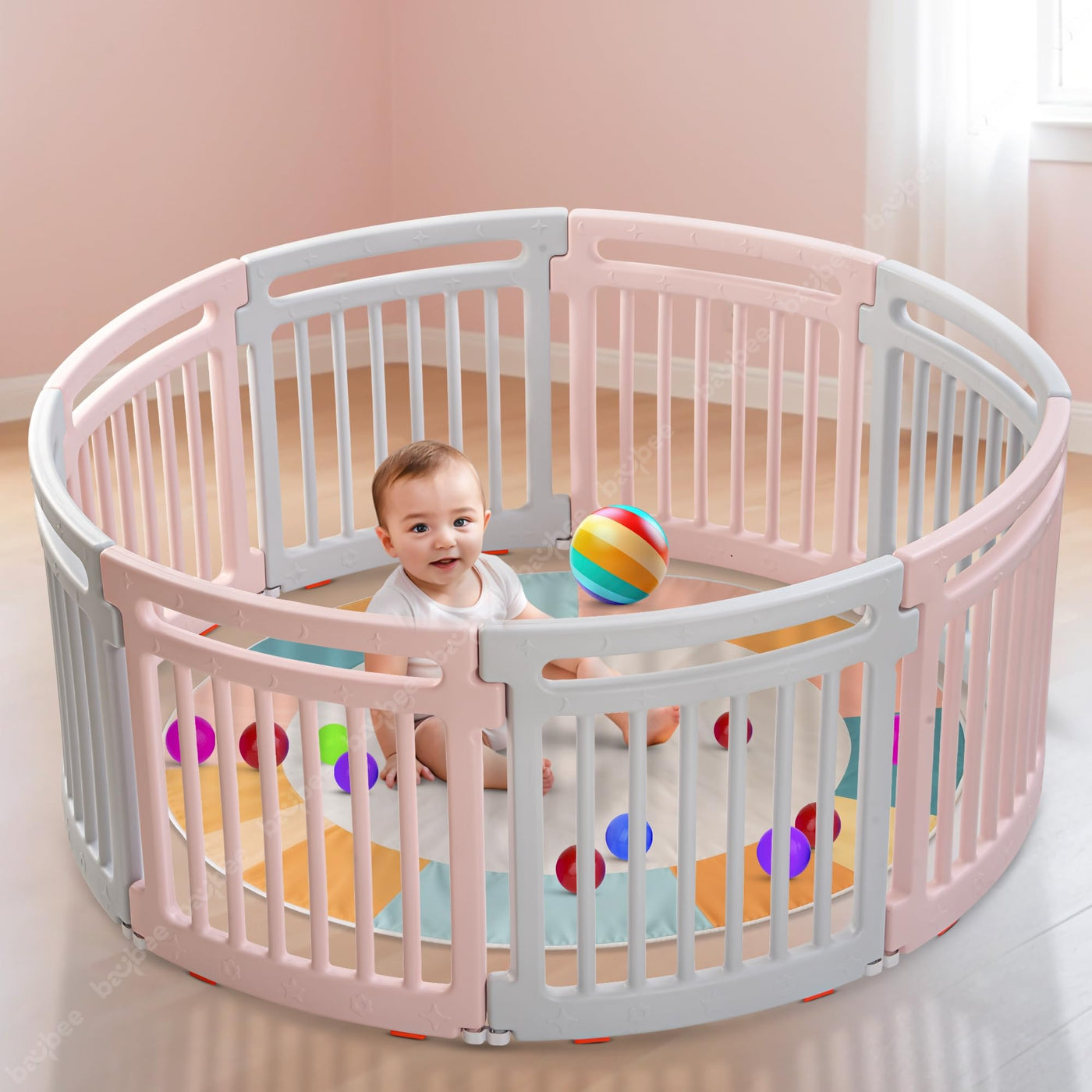
Use a clean, soft surface like a baby mat or blanket. Remove sharp objects and choking hazards nearby. Ensure the area is well-lit and free from pets or small items. Supervise your newborn at all times during play.
What Types Of Sensory Play Are Safe For Newborns?
Safe sensory play includes gentle touch, soft textures, and visual stimuli. Use soft fabrics, black-and-white toys, and gentle music. Avoid loud sounds or bright lights that may overwhelm. Sensory play supports brain development and bonding.
How Long Should Newborn Playtime Sessions Last?
Newborn playtime sessions should last 5 to 10 minutes. Keep activities short to match their attention spans and energy levels. Frequent, brief sessions throughout the day are best for engagement and development.
Conclusion
Safe playtime helps newborns grow and learn every day. Choose gentle activities that protect their fragile bodies. Use soft toys and calm sounds to keep them happy. Always watch closely to ensure their safety during play. Simple moments build strong bonds and happy memories.
Enjoy these early days with care and love. Play safely, and your baby will thrive.


