Are you eager to hear your newborn’s first sounds and watch their personality begin to shine? Encouraging expressive sounds early on is one of the best ways to connect with your baby and support their language development.
You might wonder how to gently guide these tiny voices to grow louder and more varied. This article will give you simple, practical tips that you can start using right away to spark your baby’s desire to communicate. Keep reading to discover how your everyday moments can turn into powerful opportunities for your little one to express themselves!
Why Expressive Sounds Matter
Expressive sounds are a baby’s first way to talk. These sounds show feelings and needs. They help babies start learning to communicate. Encouraging these sounds is very important for a baby’s growth.
Early Communication Milestones
Babies use sounds before they learn words. Cooing and babbling are early speech steps. These sounds prepare babies for talking. Listening and making sounds helps them learn language faster.
Building Emotional Bonds
Sounds help parents and babies connect. When a baby makes sounds, parents respond. This back-and-forth creates trust and love. It helps babies feel safe and happy.
Boosting Brain Development
Making and hearing sounds strengthens the brain. It improves listening and memory skills. These skills are important for learning later. Sounds also help develop thinking and problem-solving.

Creating A Stimulating Environment
Creating a stimulating environment helps newborns explore their voices. It supports their early speech and sound development. A calm and engaging space invites babies to try new sounds. The right atmosphere encourages babies to respond with coos and babbles.
Using Soothing Sounds
Soft sounds calm babies and invite gentle vocal play. Singing lullabies or playing gentle music creates a peaceful mood. These sounds help babies feel safe and ready to express themselves. Repeating soothing sounds encourages babies to mimic and experiment.
Introducing Varied Tones
Using different voice tones keeps babies interested. Speak in high, low, fast, and slow tones. This variety helps babies learn about sound differences. Babies enjoy the changes and try to copy the tones. Varied tones also teach emotional expression in sounds.
Minimizing Background Noise
Too much noise can confuse or stress newborns. Keep the room quiet except for comforting sounds. A quiet space helps babies focus on your voice. Reducing noise supports better listening and sound making. This quiet helps newborns practice new sounds clearly.
Engaging Through Interaction
Engaging with your newborn through interaction helps build early communication skills. Your responses encourage your baby to make more sounds. This interaction creates a strong bond and promotes language development. Simple activities can make a big difference in helping your baby express themselves.
Responding To Baby’s Sounds
Listen carefully to your baby’s coos and cries. Reply with gentle words or soft sounds. This shows your baby that their sounds matter. It helps them learn the back-and-forth of talking. Repeat their sounds or add new ones. This keeps the conversation going and makes your baby feel heard.
Encouraging Vocal Play
Let your baby explore their voice freely. Make funny noises and watch their reaction. Sing simple songs or nursery rhymes often. Use different tones and pitches to keep their interest. This play helps your baby discover new sounds. It builds confidence in their ability to communicate.
Using Facial Expressions And Gestures
Show your feelings with your face while talking. Smile, raise your eyebrows, or open your mouth wide. Your baby learns by watching your expressions closely. Use simple hand gestures like waving or clapping. These cues help your baby connect sounds with meaning. It makes communication more fun and clear.

Incorporating Daily Routines
Incorporating daily routines helps babies learn to express sounds naturally. Regular activities offer many chances for your newborn to hear and try new noises. These moments build early language skills and strengthen your bond.
Talking During Care Activities
Talk to your baby while changing diapers or dressing them. Describe what you are doing step-by-step. Your baby listens to your voice and learns new sounds. This simple habit makes your baby feel safe and interested in language.
Singing Simple Songs
Sing easy songs often, like lullabies or nursery rhymes. Songs catch a baby’s attention and make learning fun. The rhythm and repetition help your baby copy sounds and rhythms. Singing also creates a calm and happy environment.
Reading Aloud Regularly
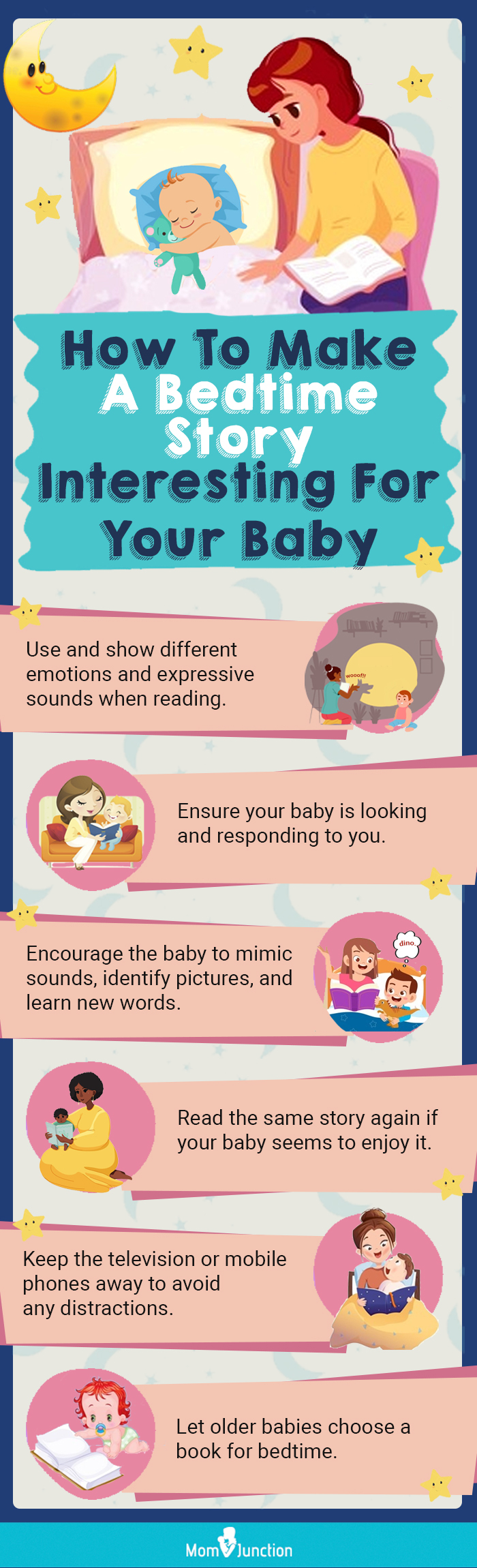
Read short books aloud every day. Choose books with clear pictures and simple words. Hearing your voice helps your baby connect sounds with objects. Reading aloud also encourages your baby to babble and respond.
Recognizing And Supporting Progress
Recognizing and supporting your newborn’s progress in making sounds helps build their confidence. It shows them their efforts matter. Watching these small steps encourages more vocal play and bonding. Parents can feel proud and more connected to their baby’s growth.
Tracking Vocal Milestones
Track your baby’s sounds weekly. Notice coos, gurgles, and babbling. These are early signs of speech development. Keep a simple journal or use an app. Tracking helps you see steady progress. It also highlights changes or delays early.
Celebrating Small Wins
Cheer every new sound your baby makes. Smile, clap, or repeat the sound back. This positive feedback encourages more attempts. Small wins create joyful moments for both of you. Celebrate softly to keep your baby calm and happy.
When To Seek Professional Advice
Consult a doctor if your baby makes no sounds by 3 months. Watch for no response to noise or lack of vocal play. Early advice helps address issues quickly. Professionals guide you with exercises and support. Don’t wait too long to ask for help.
Frequently Asked Questions
How Can I Stimulate My Newborn’s Expressive Sounds?
Talk, sing, and respond to your newborn’s sounds daily. Use varied tones and facial expressions to encourage vocal play and emotional connection.
When Should I Expect My Newborn To Start Making Sounds?
Newborns typically start cooing and making expressive sounds around 6 to 8 weeks old. Early interaction boosts this development.
What Are The Benefits Of Encouraging Expressive Sounds?
Encouraging sounds supports language development, emotional bonding, and social skills. It helps your baby communicate and understand their environment better.
How Do I Respond To My Newborn’s Sounds Effectively?
Mimic their sounds, smile, and maintain eye contact. This positive feedback encourages more vocal attempts and strengthens your bond.
Conclusion
Encouraging expressive sounds helps babies learn to communicate. Talk, sing, and respond to your newborn’s sounds. This builds trust and supports language skills. Patience matters; every baby develops at their own pace. Celebrate small sounds and try to make daily interactions fun.
These simple steps create strong bonds and help babies express themselves. Keep practicing and enjoy these precious moments. Your love and attention make a big difference.


