You want the best for your newborn, especially when it comes to their emotional well-being. But how do you help your baby manage feelings they can’t yet express?
Learning how to promote emotional regulation in your newborn is key to giving them a strong foundation for life. You’ll discover simple, effective ways to support your baby’s emotional growth every day. Keep reading to find out how small actions can make a big difference in your child’s future happiness and calm.
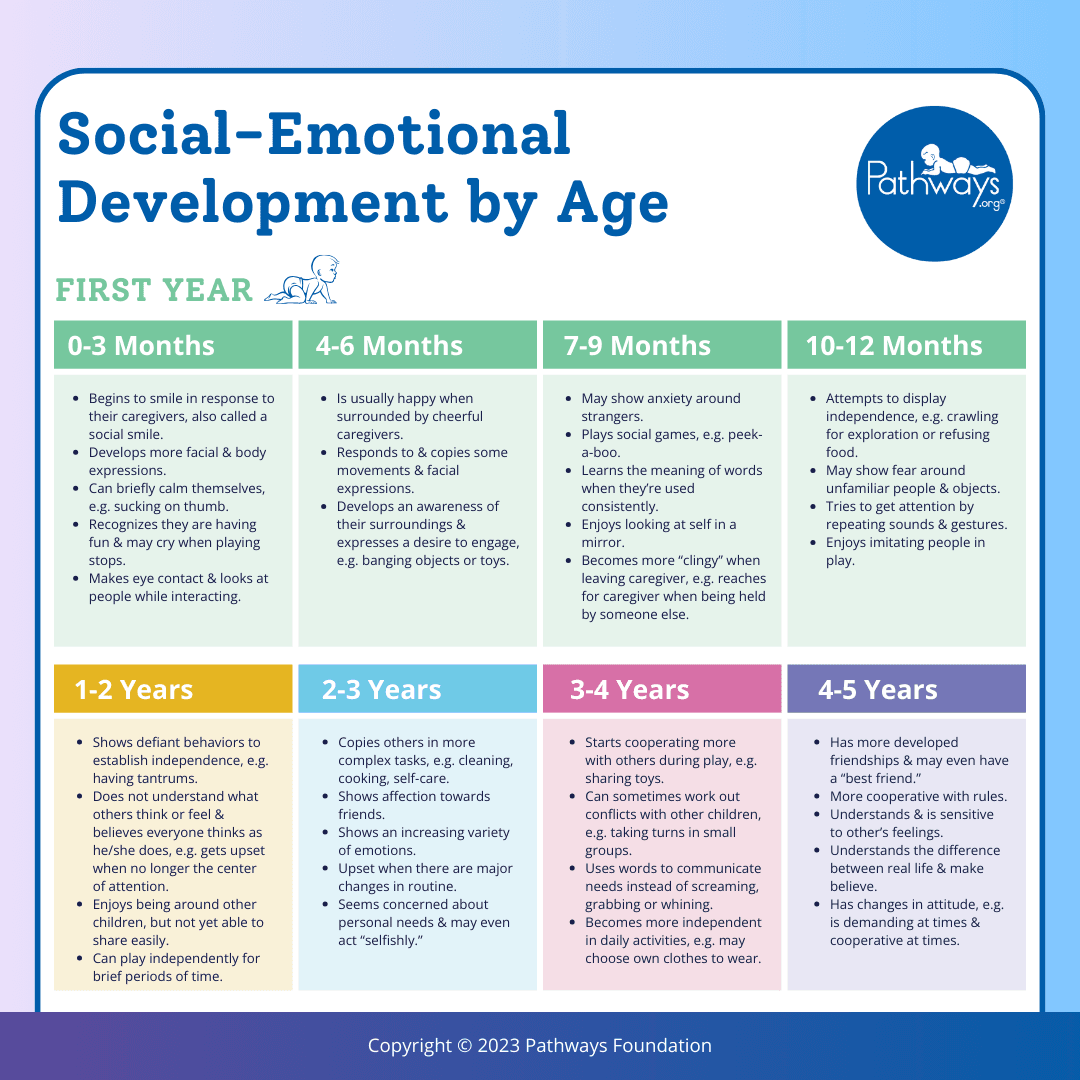
Emotional Regulation In Newborns
Emotional regulation in newborns is a vital part of their early development. It helps babies handle feelings and stress. Babies start learning to manage emotions from birth. Parents and caregivers play a key role in this learning process.
What Emotional Regulation Means For Babies
Emotional regulation means how babies control their feelings. Newborns cannot calm themselves fully yet. They depend on others to soothe and comfort them. Crying is one way babies show their emotions. Over time, babies learn to feel safe and calm.
This skill helps babies grow stronger emotionally. It shapes how they react to the world around them. Babies who regulate emotions well tend to sleep and eat better. This is the foundation for healthy emotional growth.
Why It Matters Early On
Early emotional regulation sets the stage for future skills. Babies with good emotional control handle stress better as they grow. It supports brain development and social connections. Babies learn trust when their needs are met calmly.
Strong emotional regulation lowers risks of behavior problems later. It helps children focus and learn in school. Early care that supports emotional regulation builds confidence. This is why nurturing emotions from birth is so important.
Recognizing Newborn Cues
Recognizing newborn cues helps parents understand their baby’s needs and feelings. Babies cannot speak, but they send signals through their behavior. Noticing these signs early supports emotional regulation and builds trust. Parents feel more confident and connected.
Signs Of Distress And Calm
Newborns show distress by crying, fussing, or arching their backs. They may also turn their heads away or clench their fists. These signs mean they need comfort or something is wrong.
Calm babies have relaxed faces and smooth breathing. They make gentle noises or look around quietly. Recognizing calm helps parents know when the baby feels safe and happy.
Responding To Cries Effectively
Crying is a newborn’s main way to communicate. Respond quickly to avoid prolonged distress. Hold your baby close and speak softly to soothe them.
Check for basic needs like hunger, a diaper change, or sleepiness. Sometimes babies cry from overstimulation or tiredness. Gentle rocking or a quiet room can help.
Consistent, calm responses teach babies their feelings are understood. This supports emotional regulation and reduces stress over time.
Creating A Soothing Environment
Creating a soothing environment helps newborns feel safe and calm. This setting supports emotional regulation by reducing stress and promoting comfort. Simple changes in the baby’s surroundings can make a big difference. Focus on calmness through sights, sounds, and smells. These elements help the baby relax and settle.
Calm Surroundings And Lighting
Soft lighting is gentle on a newborn’s eyes. Avoid bright, harsh lights that can startle or upset the baby. Use dim lamps or natural light through curtains. Keep the room tidy and free from clutter. A neat space feels peaceful and less distracting. Choose soft, neutral colors to create a calm mood. The environment should invite rest and quietness.
Comforting Sounds And Smells
Gentle sounds soothe a newborn’s nervous system. Use white noise machines or soft lullabies to create a calm atmosphere. Avoid loud or sudden noises that can cause distress. Familiar smells can also comfort the baby. A clean, fresh scent or the mother’s natural scent helps the baby relax. Keep the room smelling mild and pleasant to support emotional calmness.
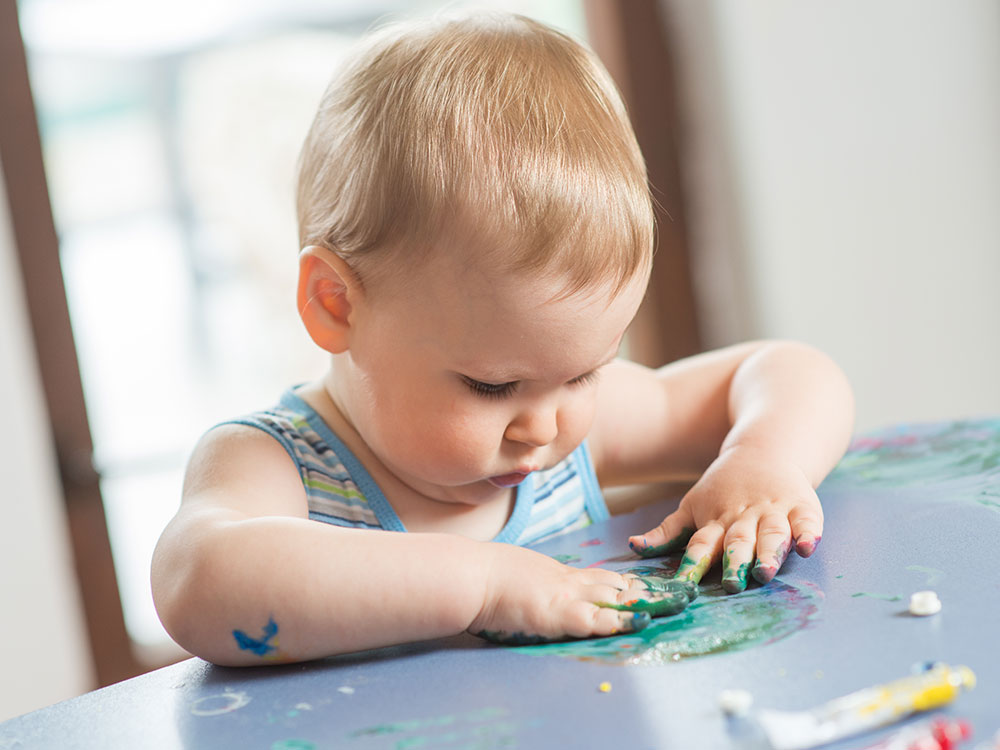
The Role Of Physical Contact
Physical contact plays a key role in helping newborns manage their emotions. Touch offers comfort and security to babies. It helps them feel calm and safe in a new world. Parents can use simple touch techniques to support emotional balance. These moments build strong bonds and trust between parent and child.
Benefits Of Skin-to-skin Touch
Skin-to-skin contact means holding a baby against bare skin. This closeness helps regulate the baby’s heart rate and breathing. It also reduces stress and crying in newborns. Skin-to-skin touch releases hormones that calm both baby and parent. This contact supports better sleep and emotional stability. It helps babies feel warm and protected.
Gentle Holding And Swaddling
Gentle holding soothes babies by providing a feeling of safety. A soft, firm touch reassures the baby’s nervous system. Swaddling wraps the baby snugly in a blanket. This method mimics the womb’s secure environment. It prevents sudden movements that might startle the baby. Swaddling can improve sleep and reduce fussiness. Always ensure the baby is comfortable and not too tight.
Establishing Consistent Routines
Establishing consistent routines helps newborns feel calm and safe. Routines give babies a sense of order in their new world. This stability supports emotional regulation and reduces fussiness. Predictable daily patterns make it easier for babies to adapt and grow.
Sleep Patterns And Feeding Times
Set regular sleep times to help your baby’s body clock. Consistent naps and bedtime create a comforting rhythm. Feeding at the same times helps the baby feel secure. This regularity reduces stress and improves mood. Babies thrive on knowing what comes next.
Predictability And Security
Predictable routines build trust between you and your baby. The baby learns to expect care and attention. This certainty lowers anxiety and encourages calm behavior. When babies feel safe, they manage emotions better. Consistency in daily life promotes healthy emotional growth.
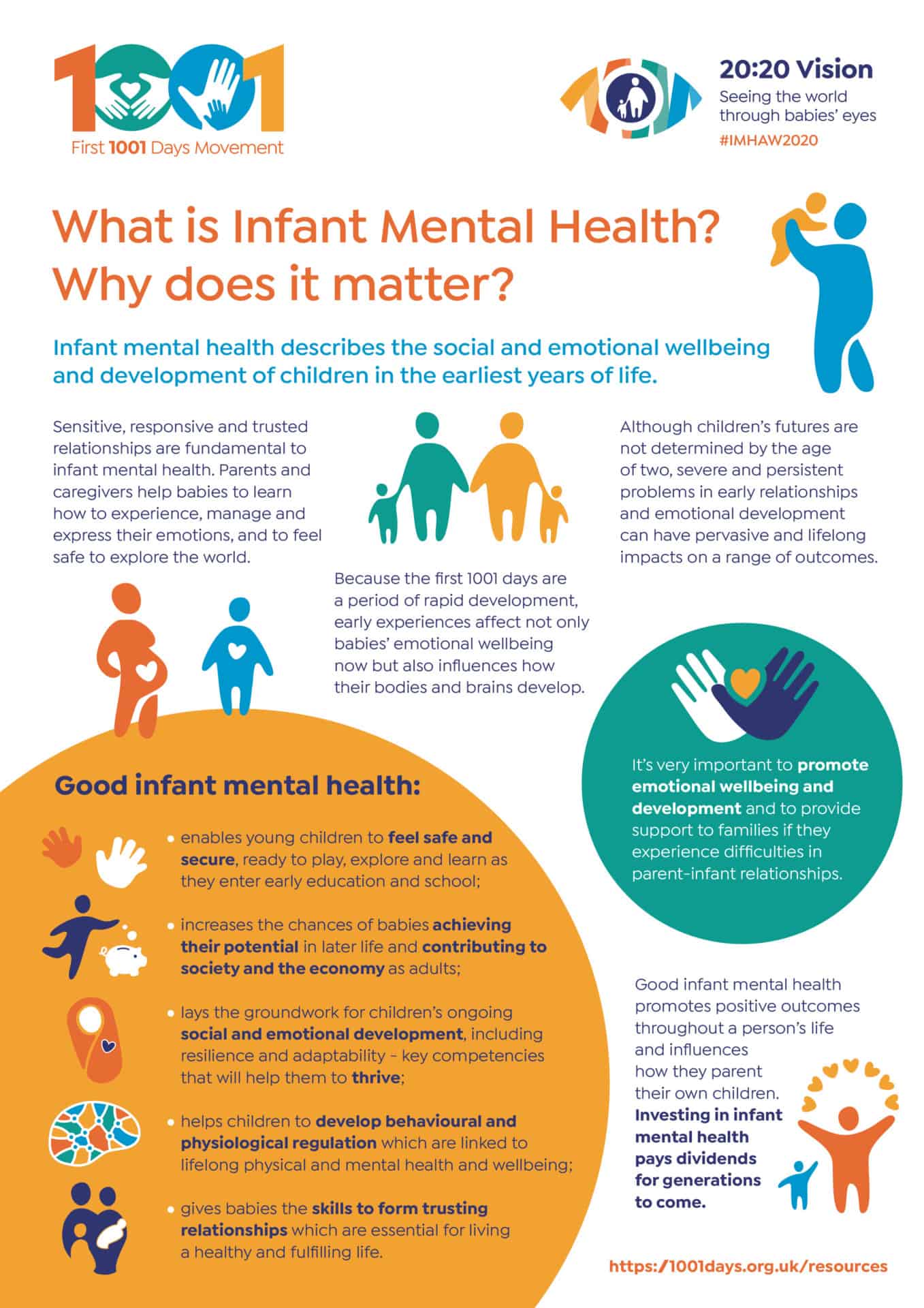
Using Responsive Parenting Techniques
Using responsive parenting techniques helps babies feel safe and understood. This approach supports emotional regulation by responding quickly and gently to a newborn’s signals. Parents learn to read their baby’s cues and respond with care. This builds trust and helps babies manage their feelings better over time.
Attuning To Baby’s Needs
Attuning means noticing what your baby needs without delay. Watch their facial expressions, sounds, and body movements closely. When babies cry, they may need food, comfort, or a diaper change. Responding calmly and promptly soothes their distress. It shows the baby they can rely on you. This early connection teaches babies to regulate their emotions safely.
Balancing Comfort And Independence
Comfort your baby when they need it. Hold them gently and speak softly to calm them down. At the same time, allow moments for the baby to explore their own feelings. Avoid rushing to fix every fuss immediately. This balance helps babies learn to manage small frustrations. Over time, they become more confident and emotionally strong.
Supporting Self-soothing Skills
Supporting self-soothing skills helps newborns manage their feelings. It teaches them how to calm down without outside help. This skill is important for their emotional growth. It also builds a strong foundation for future challenges. Parents can guide babies gently through this process.
Self-soothing does not mean ignoring a baby’s needs. It means helping them find comfort inside themselves. This can reduce crying and improve sleep. Let’s explore ways to encourage calmness and avoid overstimulation.
Encouraging Calmness
Create a quiet and cozy space for your newborn. Soft sounds and dim lights can help. Swaddling often makes babies feel safe and calm. Gentle rocking or slow movements also soothe them. Offer a pacifier or a soft toy for comfort. Notice your baby’s cues and respond calmly. This teaches them to relax and self-soothe.
Avoiding Overstimulation
Too much noise or bright lights can upset a baby. Keep the environment simple and peaceful. Limit visitors and loud activities around your newborn. Watch for signs of tiredness or fussiness. Stop playtime or stimulation if the baby seems overwhelmed. A calm environment helps babies practice self-soothing better. Quiet moments support their emotional balance and rest.
When To Seek Professional Help
Knowing when to seek professional help for your newborn’s emotional regulation is important. Early support can make a big difference. It helps your baby grow in a healthy way. Parents may feel unsure about what is normal and what is not. This section guides you on signs to watch for and resources available to assist you.
Signs Of Emotional Difficulties
Some signs show your baby might need extra help. Constant crying that cannot be soothed is one sign. Difficulty sleeping or feeding can also be a concern. If your baby seems unusually stiff or floppy, pay attention. Little or no eye contact during awake times is another sign. A lack of response to comforting may suggest emotional struggles. Trust your instincts if something feels off with your baby’s behavior.
Resources For Parents
Many resources can support you and your newborn. Pediatricians are a good first step for advice and referrals. Child psychologists specialize in early emotional and behavioral issues. Parenting support groups offer shared experiences and tips. Online resources from trusted medical organizations provide useful information. Early intervention programs may be available in your community. Seeking help early gives your baby a better chance to thrive.
Frequently Asked Questions
How Can I Help My Newborn Regulate Emotions?
You can help by responding calmly to cries and offering comfort. Gentle touch and soothing voices support emotional stability. Creating consistent routines also helps newborns feel secure and manage emotions better.
What Are Signs Of Emotional Dysregulation In Newborns?
Signs include excessive crying, difficulty calming down, and trouble sleeping. Newborns may also show irritability or lack of responsiveness. Recognizing these signs early helps caregivers provide needed support.
Why Is Emotional Regulation Important For Newborns?
Emotional regulation supports brain development and helps newborns handle stress. It builds a foundation for healthy social skills and relationships. Early regulation promotes long-term emotional well-being and resilience.
How Does Touch Influence Newborn’s Emotional Regulation?
Gentle touch releases calming hormones like oxytocin in newborns. It reduces stress and promotes bonding with caregivers. Regular skin-to-skin contact helps newborns feel safe and emotionally balanced.
Conclusion
Promoting emotional regulation in newborns helps them feel safe and calm. Gentle touch, soft voices, and steady routines support their growing minds. Parents play a key role in guiding these early skills. Small actions every day build strong emotional foundations.
Remember, patience and love make a big difference. Each baby learns at their own pace. Keep observing and responding with care. This creates a healthy start for your child’s future. Emotional regulation begins with simple, consistent support from you.


