Have you ever wondered how a simple activity could make a big difference in your newborn’s growth? Tummy time is one of those powerful moments that can shape your baby’s development in amazing ways.
It might seem small, but this practice helps build strong muscles, improves motor skills, and even supports brain growth. If you want to give your little one the best start, understanding the benefits of tummy time is a must. Keep reading to discover why this easy daily habit is so important for your baby’s health and happiness.
Importance Of Tummy Time
Tummy time is a key activity for newborns. It means placing babies on their stomachs while awake. This helps them build strength and learn important skills. Many parents start tummy time soon after birth. It supports healthy growth and development in several ways.
Enhancing Motor Skills
Tummy time helps babies move their arms and legs. This movement improves coordination and control. Babies learn to lift their heads and push up. These actions are the first steps toward crawling and walking. Early practice builds confidence and physical ability.
Preventing Flat Head Syndrome
Spending too much time on the back can cause flat spots on a baby’s head. Tummy time reduces pressure on the back of the skull. It encourages babies to change head position naturally. This lowers the risk of flat head syndrome and promotes a rounder head shape.
Boosting Muscle Development
Tummy time strengthens neck, shoulder, and arm muscles. Strong muscles support better posture and balance later. Babies who practice tummy time gain better control of their bodies. This muscle development is essential for reaching other milestones.
Physical Benefits For Newborns
Tummy time offers important physical benefits for newborns. It helps build strong muscles and supports early motor skills. These benefits prepare babies for milestones like rolling over and crawling. Spending time on their tummy encourages healthy muscle growth and control.
Strengthening Neck And Shoulder Muscles
Tummy time helps babies develop strong neck and shoulder muscles. Lifting their head against gravity builds these muscles. Strong neck muscles keep the head steady and supported. This strength reduces the risk of flat head syndrome. It also prepares babies for future movements.
Improving Head Control
During tummy time, babies practice lifting and turning their heads. This improves their head control and balance. Better head control supports feeding and visual tracking. It also aids in sitting up and crawling later. Consistent tummy time helps babies gain this crucial skill faster.
Promoting Coordination
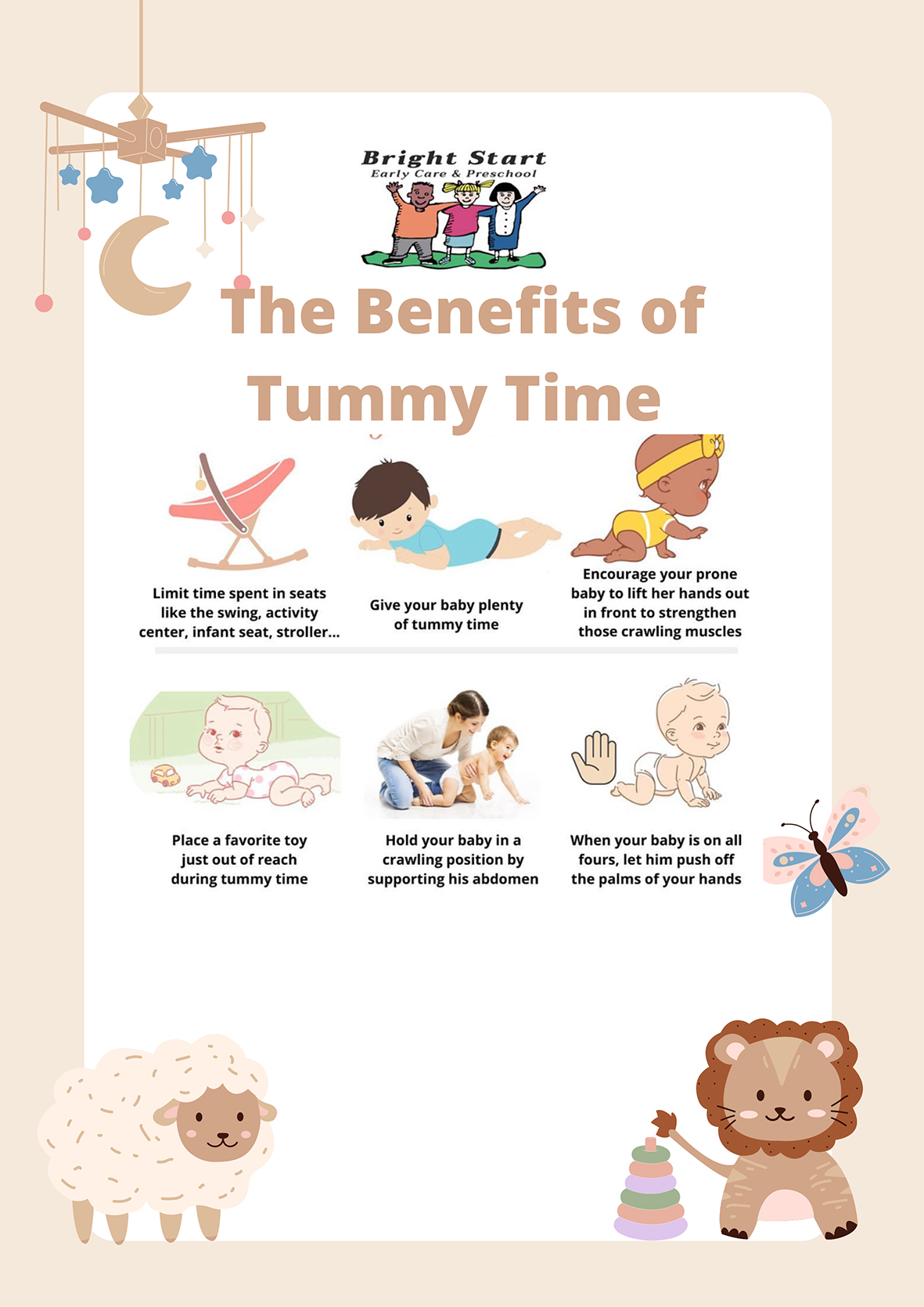
Tummy time encourages babies to use their arms and legs together. This promotes hand-eye coordination and motor skills. Babies learn to push up and reach for toys. These actions develop their ability to move and explore. Early coordination leads to smoother physical development.
Cognitive And Sensory Advantages
Tummy time offers more than physical benefits for newborns. It plays a key role in their cognitive and sensory growth. This time on the tummy helps babies learn about the world. It aids brain development and sharpens their senses.
Babies start to understand sights, sounds, and textures better. These early experiences build strong brain connections. They prepare babies for future learning and exploration.
Stimulating Brain Development
Tummy time encourages babies to lift their heads and move their arms. These actions boost brain activity. The brain learns to control muscles and process new information. This activity helps babies develop problem-solving skills. Their brain grows stronger with every movement.
Encouraging Visual Tracking
During tummy time, babies practice watching moving objects. This skill is called visual tracking. It helps babies follow toys or faces with their eyes. Visual tracking supports hand-eye coordination. It also helps babies learn to focus and notice details.
Enhancing Sensory Awareness
Tummy time exposes babies to different textures and pressures. They feel the floor, blankets, or toys under their hands and faces. This contact builds sensory awareness. Babies learn to recognize touch, pressure, and balance. These senses are important for exploring their environment safely.

Safe Tummy Time Practices
Safe tummy time practices help babies enjoy tummy time without risk. Parents must create a secure space and follow simple rules. This keeps newborns comfortable and helps their growth. Below are key tips for safe tummy time.
Recommended Duration And Frequency
Start tummy time with short sessions. Begin with 1 to 3 minutes, two to three times a day. Gradually increase time as the baby gets stronger. Aim for about 20 minutes daily by the age of 3 months. Short, frequent sessions prevent baby from getting too tired.
Choosing The Right Surface
Use a firm, flat surface for tummy time. Avoid soft or uneven places like beds or sofas. A clean blanket or play mat on the floor works best. This gives good support and reduces risk of suffocation. Keep the area clear of small objects or hazards.
Supervision And Safety Tips
Always watch your baby during tummy time. Stay close and be ready to help if needed. Never leave a baby unattended on their tummy. Stop tummy time if the baby cries or looks uncomfortable. Use this time to bond and encourage your newborn gently.
Troubleshooting Common Challenges
Many parents find tummy time challenging at first. Babies may fuss or resist the position. Premature babies need special care during tummy time. It helps to have a plan to make tummy time easier. Simple steps can solve common problems quickly.
Dealing With Fussiness
Babies often fuss during tummy time. Start with short sessions of one to two minutes. Use a soft blanket for comfort. Get down on the floor and talk to your baby. Gentle touches and toys can keep them interested. Try tummy time after a nap or diaper change. This helps your baby feel calm and ready.
Adjusting For Premature Babies
Premature babies need gentler tummy time. Check with the doctor before starting. Begin with very short periods, just a minute or two. Support your baby’s chest and arms with a rolled towel. Watch for signs of tiredness or discomfort. Increase tummy time slowly as your baby grows stronger. Patience is important during this process.
Incorporating Tummy Time Into Daily Routine
Make tummy time part of your daily routine. Try it after diaper changes or naps. Use play mats or a soft blanket on the floor. Keep toys nearby to encourage reaching and movement. Use tummy time during family activities to keep your baby engaged. Consistency helps your baby get used to the position. Little by little, tummy time will become fun and natural.

Supporting Growth Beyond Tummy Time
Tummy time is great for newborns, but growth needs more than that. Supporting your baby’s development involves a mix of activities and care. These help strengthen muscles, improve brain function, and build healthy habits. Let’s explore how to support your baby’s growth beyond tummy time.
Complementary Exercises
Babies benefit from a variety of gentle exercises. Simple movements like bicycle legs and arm stretches help muscles grow strong. These exercises improve coordination and flexibility. Always support your baby’s head and neck during activities. Short sessions multiple times a day work best.
Nutrition And Sleep Importance
Good nutrition fuels your baby’s growth and brain development. Breast milk or formula provides essential nutrients. Feeding on demand helps meet your baby’s needs. Sleep also plays a key role in growth. Newborns need many hours of restful sleep daily. A calm, dark environment supports better sleep patterns.
Engaging With Play And Interaction
Talking, singing, and playing stimulate your baby’s senses. Eye contact and smiles build emotional bonds. Soft toys and gentle sounds encourage curiosity. These interactions promote language skills and social growth. Regular playtime helps your baby learn about the world.
Frequently Asked Questions
What Is Tummy Time For Newborns?
Tummy time is placing a baby on their stomach while awake. It helps strengthen neck, shoulder, and arm muscles essential for development.
How Does Tummy Time Benefit Newborn Motor Skills?
Tummy time improves motor skills by encouraging babies to lift their heads. This builds muscle strength and coordination for rolling and crawling.
When Should Parents Start Tummy Time Sessions?
Parents should start tummy time from day one. Begin with short sessions, gradually increasing as the baby grows stronger.
How Long Should Tummy Time Last Daily?
Newborns should have tummy time for 2-3 minutes, 2-3 times daily. Increase duration as the baby becomes more comfortable and stronger.
Conclusion
Tummy time helps babies build strong muscles. It supports head and neck control early. Babies learn to move and explore safely. It also reduces the risk of flat head syndrome. Short, regular sessions work best for newborns. Parents can make tummy time fun and safe.
Start early and be patient with progress. Small efforts bring big benefits to your baby. Keep tummy time part of daily routines. Healthy growth begins with simple, gentle exercises.


