Welcoming a newborn into your life is exciting, but it also comes with many questions. You want to give your baby the best start, especially when it comes to learning and development.
But where do you begin? What simple steps can you take right now to help your little one grow smart and strong? You’ll discover easy and effective early learning tips that fit naturally into your daily routine. These tips aren’t complicated—they’re designed to help you connect with your baby and boost their brain development from day one.
Keep reading to unlock the secrets to nurturing your newborn’s potential with confidence.
Creating A Stimulating Environment
Creating a stimulating environment helps newborns explore and learn. It supports brain growth and builds curiosity. A well-set space makes babies feel safe and eager to discover.
Simple changes in the room can make a big difference. Light, colors, and sounds all play a role. Natural elements add calm and comfort for the baby.
Safe And Comfortable Space
Choose a quiet and cozy spot for your baby. Soft blankets and cushions keep them warm and relaxed. Remove sharp or small objects that can hurt them. Ensure the area is clean and free from dust.
Keep the temperature steady and comfortable. A calm space helps your baby focus on new things.
Visual And Auditory Stimuli
Use gentle colors and simple patterns on walls or toys. Black and white images work well for newborns. Soft music or nature sounds soothe and stimulate hearing. Talk, sing, or read softly to your baby daily.
Bright lights or loud noises can overwhelm babies. Keep sounds soft and visuals clear but not too busy.
Incorporating Natural Elements
Bring nature inside with plants or natural wood toys. Fresh air and sunlight improve mood and health. Look outside together and describe what you see. The feel of leaves or soft grass excites senses.
Natural elements connect babies to the world and calm their mind. They encourage curiosity and gentle exploration.
Building Strong Bonds
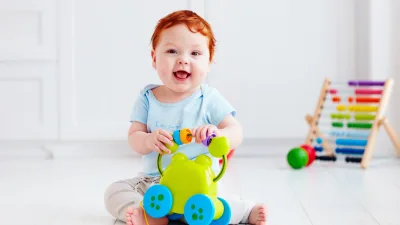
Building strong bonds with your newborn is the first step in their early learning journey. These connections help your baby feel safe and loved. They also support brain growth and emotional health. Bonding is about closeness and trust. It involves simple actions that create deep connections.
Skin-to-skin Contact
Holding your baby close to your bare skin helps calm them. Skin-to-skin contact warms the baby and lowers stress. This closeness also helps regulate the baby’s heartbeat and breathing. It encourages breastfeeding and supports your baby’s immune system. A few minutes daily can make a big difference.
Responsive Caregiving
Pay attention to your baby’s signals. Crying, cooing, or moving show needs or feelings. Respond quickly and gently to these signals. This teaches your baby that you care and understand them. Responsive caregiving builds trust and helps your baby feel secure. It also encourages early communication skills.
Consistent Eye Contact
Look into your baby’s eyes often. Eye contact connects you and your baby deeply. It helps your baby learn to recognize faces and emotions. Talking or smiling while making eye contact makes your baby happy. This simple action supports language development and emotional bonding.
Encouraging Sensory Development
Sensory development is a key part of a newborn’s growth. It helps babies learn about the world around them. Early activities can boost their senses and brain development. Parents can support this by encouraging touch, sound, and sight experiences. These simple actions make a big difference in how babies explore and understand.
Tactile Exploration
Touch is the first sense a baby uses. Soft fabrics, gentle massages, and different textures help babies learn about feel. Let your baby touch safe objects like cloth or soft toys. Changing textures keep their hands busy and curious. This exploration builds nerves and brain pathways for future learning.
Sound Recognition
Babies recognize sounds early on. Talking, singing, and playing soft music teach them to listen. Different voices and tones help babies tell sounds apart. Repeating simple words helps them connect sounds with meaning. Sound play also comforts babies and strengthens their hearing skills.
Visual Tracking
Newborns love to watch moving objects. Holding toys or your face slowly in front helps their eyes follow. Bright colors and clear shapes attract their attention. This practice improves focus and eye muscle control. Visual tracking prepares babies for reading and hand-eye coordination later.
Promoting Language Skills
Promoting language skills in newborns lays the foundation for future learning and communication. Early exposure to sounds and words helps babies recognize speech patterns. This boosts their ability to understand and use language as they grow.
Simple, regular interactions support healthy brain development. Babies learn best through gentle, clear, and repetitive language experiences. Parents and caregivers play a key role in this crucial stage.
Talking And Singing
Talking to your newborn often builds early language skills. Use a soft, calm voice to keep their attention. Describe your actions and surroundings in simple words. Singing nursery rhymes or lullabies introduces rhythm and melody. This helps babies tune into sounds and tones of speech.
Reading Aloud
Reading aloud exposes babies to new words and sounds. Choose books with bright pictures and simple text. Point to images and name objects slowly. This connects words with visuals, aiding comprehension. Reading together also creates a loving and secure environment.
Using Simple Gestures
Combine words with basic gestures like waving or pointing. Babies learn to link actions with meanings. Gestures support understanding before speech develops. Repeat gestures consistently to help babies recognize them. This encourages early communication and social interaction.
Supporting Motor Skills
Supporting motor skills in newborns is essential for their growth and development. Motor skills help babies control their muscles and move their bodies. Early support helps build strength and coordination.
Simple activities can improve a baby’s motor skills. These activities also help babies explore their world safely. Parents can start with gentle exercises and small movements.
Tummy Time Benefits
Tummy time is when a baby lies on their stomach while awake. It helps strengthen neck, shoulder, and arm muscles. These muscles are important for lifting the head and rolling over.
Tummy time also prevents flat spots on the back of the baby’s head. It encourages babies to look around and use their eyes and hands together. Start with short sessions and increase time as the baby grows.
Gentle Movement Exercises
Gentle movements help babies feel their body parts and build muscle control. Parents can softly move the baby’s arms and legs in slow circles. These exercises improve flexibility and joint strength.
Moving limbs carefully also increases blood flow and helps with digestion. Always support the baby’s head and neck during these exercises. Keep movements smooth and stop if the baby shows discomfort.
Encouraging Reaching And Grasping
Reaching and grasping are key motor skills that develop early. Place colorful toys near the baby to encourage reaching. This helps improve hand-eye coordination and muscle use.
Offer soft objects for the baby to hold and explore. Grasping helps build finger strength and control. Praise small efforts to reach and hold to encourage practice.

Establishing Healthy Routines
Establishing healthy routines for a newborn creates a calm and secure environment. Babies feel safe when daily activities follow a clear pattern. This helps their brain develop and supports emotional growth. Parents also find it easier to care for their baby with steady routines.
Consistent Sleep Schedule
Sleep is vital for a newborn’s growth. A regular sleep schedule sets their internal clock. Try to put your baby to sleep at the same times each day. This helps the baby feel sleepy naturally. Avoid too much noise and light during sleep times. A calm room helps your baby rest well.
Feeding And Nutrition Tips
Feeding at regular times supports healthy growth. Breastmilk or formula gives all needed nutrients. Feed your baby when they show hunger signs. Keep feeding times consistent to create a sense of security. Watch for cues like sucking on hands or fussiness. Hold your baby close to make feeding comforting.
Soothing Techniques
Newborns need comfort to feel safe. Gentle rocking or soft singing can calm a baby. Swaddling helps some babies feel snug and secure. Using a pacifier may soothe a fussy baby. Pay attention to your baby’s reactions to find what works best. Calm moments build a strong bond between you and your baby.
Monitoring Developmental Milestones
Monitoring developmental milestones is essential for newborn care. These milestones show how your baby grows and learns new skills. Watching your baby’s progress helps you understand their needs better. Early detection of delays can improve outcomes. This section explores how to track milestones, when to seek help, and how to adjust your approach.
Tracking Progress
Keep a simple journal of your baby’s achievements. Note when they smile, hold their head up, or make sounds. Use milestone charts for reference. These charts list expected skills by age. Regular tracking helps spot patterns and changes. Celebrate small wins to stay motivated. This habit builds awareness of your baby’s growth.
When To Seek Professional Advice
Consult a doctor if your baby misses major milestones. Examples include not smiling by 3 months or not reaching for objects by 6 months. Trust your instincts if something feels off. Early advice can prevent bigger problems. Professionals provide tests and support plans. Don’t wait or hesitate to ask for help.
Adapting Strategies As Needed
Every baby develops at their own pace. Adjust your activities based on your baby’s progress. If your baby struggles with movement, try gentle exercises. Use toys that encourage reaching and grasping. Change routines if your baby seems bored or frustrated. Flexibility helps meet your baby’s unique needs. Keep observing and tweaking your approach regularly.
Frequently Asked Questions
What Are The Best Early Learning Tips For Newborns?
Early learning for newborns includes talking, singing, and gentle play. These activities stimulate brain development and bonding. Consistent routines and sensory experiences also support learning. Parents should focus on simple, loving interactions to encourage cognitive and emotional growth.
How Can I Stimulate My Newborn’s Brain Development?
To stimulate brain development, use bright colors, soft sounds, and varied textures. Engage in eye contact and respond to your baby’s cues. Reading and gentle talking promote language skills. These actions help build strong neural connections in the early months.
When Should Early Learning Activities Start For Newborns?
Early learning activities can start from birth. Newborns learn through interaction and sensory experiences immediately. Simple activities like talking and touching help. Starting early supports brain growth and emotional bonding, laying a foundation for future learning milestones.
What Role Does Play Have In Newborn Learning?
Play is essential for newborn learning. It develops motor skills, sensory awareness, and social interaction. Gentle play like tummy time and soft toys encourages movement and exploration. Playtime strengthens parent-child bonds and supports overall brain development.
Conclusion
Early learning starts from the very first days. Simple activities help babies grow and learn fast. Talk, sing, and smile to build strong bonds. Use colorful toys and gentle touch to stimulate senses. Keep routines calm and consistent for better comfort.
Remember, every small step supports your newborn’s brain. Patience and love make learning a joyful journey. Your care shapes a bright future for your child. Keep learning fun and natural every single day.


