Welcoming a newborn into your life is a beautiful experience, but it can also bring moments of stress and uncertainty. If your baby is fussy or restless, you might feel overwhelmed and unsure about how to help them feel calm and comforted.
You’re not alone—and the good news is, there are simple and effective ways to soothe your little one. You’ll discover easy techniques that you can start using right away to bring peace to both your baby and yourself. Keep reading to find out how you can create a calm, comforting environment that helps your newborn feel safe and loved.
Soothing With Touch
Touch is one of the first ways babies feel comfort and safety. Newborns respond deeply to gentle touch. It helps them relax and feel connected. Parents can use touch to calm their baby in many simple ways.
Gentle Swaddling Techniques
Swaddling wraps the baby snugly in a soft cloth. It mimics the cozy feeling of the womb. Use a lightweight blanket and fold it carefully. Make sure the baby’s hips can move freely. Avoid wrapping too tight to keep safety first. Swaddling can reduce fussiness and help babies sleep better.
Skin-to-skin Contact Benefits
Placing the baby on the bare chest creates warmth and closeness. This skin-to-skin contact lowers the baby’s stress and heart rate. It also helps regulate the baby’s temperature. Parents feel calmer too during this bonding time. Skin-to-skin moments support breastfeeding and build trust.
Infant Massage Tips
Massage uses gentle strokes to soothe the baby’s body. Use baby-safe oil or lotion to avoid dryness. Start with light pressure on the legs and arms. Watch the baby’s reactions to adjust your touch. Massage can ease colic and improve sleep. It also strengthens the bond between parent and child.
Creating A Calm Environment
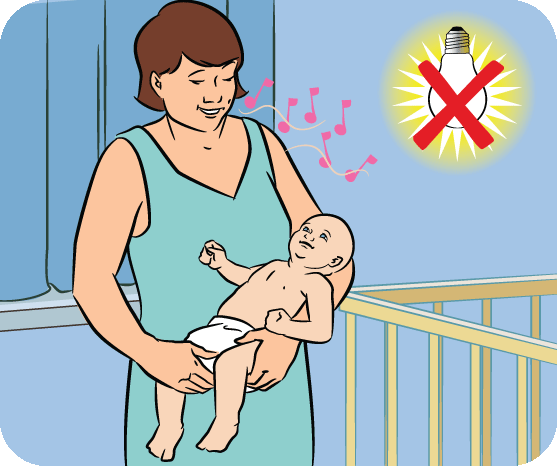
Creating a calm environment helps soothe a newborn quickly. Babies feel safe and relaxed in quiet, cozy spaces. Parents can set up the room to support calmness and comfort. A few simple steps make a big difference for a baby’s mood.
Focus on lighting, temperature, and noise. These factors affect how a newborn reacts. A peaceful room helps the baby settle and sleep better.
Optimal Room Temperature
Keep the room warm but not hot. Ideal temperature is between 68 and 72 degrees Fahrenheit. Too cold or too hot makes babies uncomfortable. Dress the baby in light layers to adjust easily. Use a room thermometer to check the temperature often.
Soft Lighting Choices
Bright lights can startle or upset a newborn. Use dim lights or soft lamps instead. Natural light from windows is gentle and soothing. Avoid flashing or harsh lights in the baby’s space. Soft lighting helps the baby feel calm and ready to sleep.
Reducing Noise And Distractions
Babies need quiet to feel secure. Turn off loud TVs, music, and noisy devices. Use white noise machines for steady, soft sounds. Silence sudden noises that might wake the baby. Keep the environment peaceful to comfort your newborn easily.
Using Sound To Soothe
Sound plays a powerful role in calming and comforting a newborn. Babies respond well to gentle, consistent noises. These sounds can help reduce fussiness and promote better sleep. Using sound creates a soothing environment that mimics the womb’s quiet hum. It helps babies feel safe and secure.
White Noise Machines
White noise machines create a steady, soft sound that masks other noises. This consistent sound helps babies relax and fall asleep faster. It mimics the sounds heard in the womb, which is familiar and comforting. Many parents find white noise machines useful during naps and nighttime sleep. Choose a machine with adjustable volume for the best effect.
Lullabies And Soft Music
Singing lullabies or playing soft music calms newborns gently. The slow rhythm and soothing melodies lower stress and promote sleep. Parents can sing themselves or use recordings. Lullabies create a special bond and provide comfort through the parent’s voice. Soft music with simple instruments works well too.
Natural Sounds For Relaxation
Natural sounds like rain, ocean waves, or birdsong help newborns relax. These sounds are peaceful and steady, creating a calm atmosphere. Many apps and devices offer natural sound options for babies. Nature sounds can also help block sudden noises that may startle a baby. Use these sounds during quiet times to soothe your newborn.
Feeding And Comfort
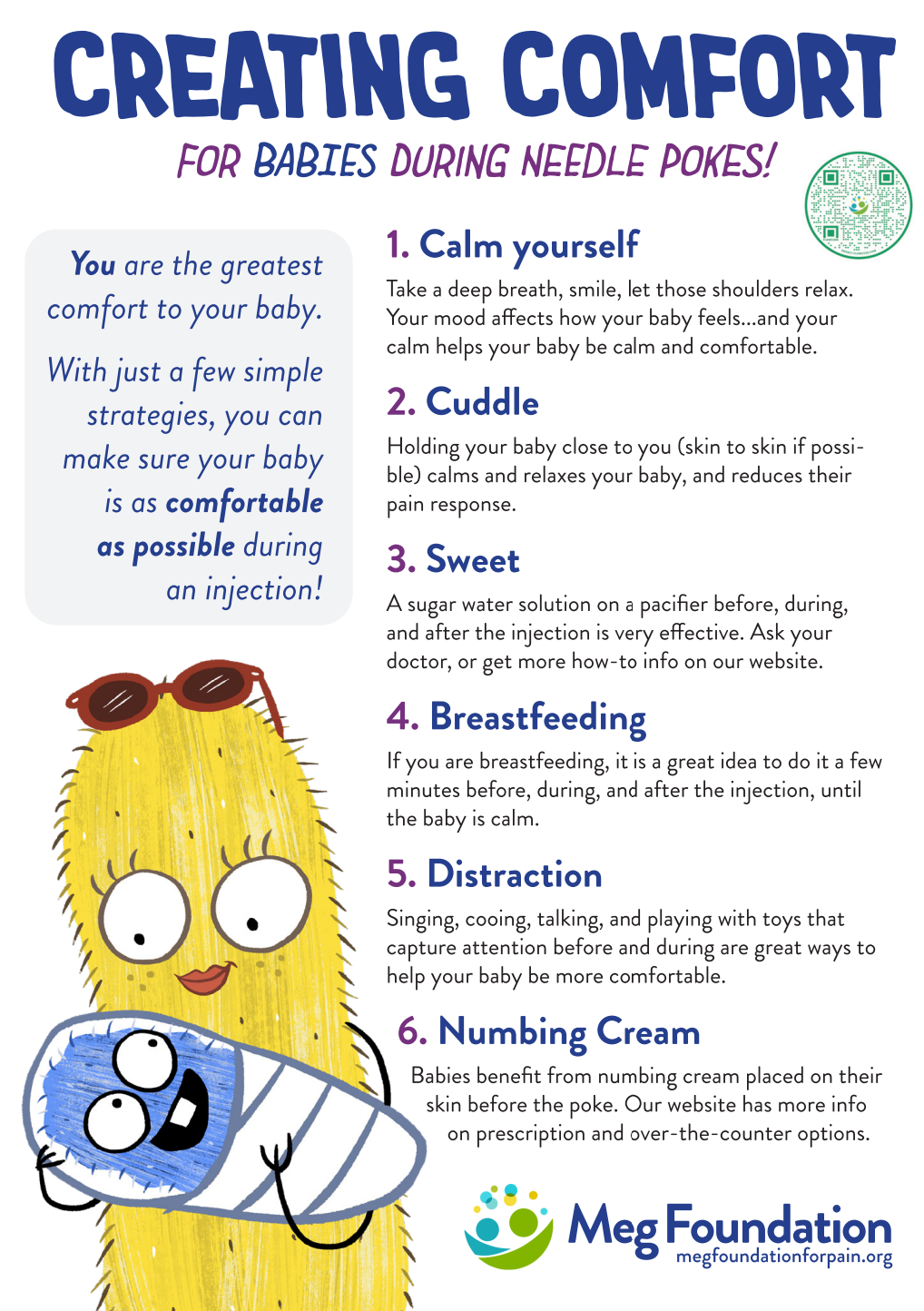
Feeding and comfort are key to soothing a newborn. Babies feel safe when their basic needs are met. Feeding not only nourishes but also calms and comforts. Understanding feeding techniques helps parents support their little ones better. Gentle care during feeding builds trust and peace.
Burping Techniques
Burping helps release air trapped in a baby’s tummy. Hold your baby upright against your chest. Gently pat or rub their back until you hear a burp. Try sitting the baby on your lap, supporting the head and chest. Pat softly to avoid hurting the baby. Pause feeding for burping to prevent discomfort.
Comfort Nursing Practices
Comfort nursing soothes babies beyond hunger. Let the baby latch on even when not hungry. Use skin-to-skin contact to boost calmness. Hold the baby close and maintain eye contact. Nursing can help the baby feel safe and relaxed. Avoid rushing; take breaks if the baby fusses.
Bottle Feeding Tips
Choose a quiet place to feed your baby. Hold the bottle at an angle to reduce air intake. Keep the baby semi-upright to prevent choking. Watch for signs of fullness to stop feeding on time. Burp the baby after every few ounces. Use slow flow nipples to control milk flow.
Movement And Positioning
Movement and positioning help soothe a newborn quickly. Babies feel safe when gently moved or held in the right way. These small actions calm their busy minds and bodies. Parents can try easy motions and holds to find what comforts their baby best.
Rocking And Swinging Motions
Rocking mimics the motion babies felt in the womb. Slow, steady rocking helps relax muscles and calm crying. Swinging gently side to side or back and forth can also soothe fussiness. Use a rocking chair or hold your baby close and move softly. The rhythm helps them feel secure and sleepy.
Holding Positions For Comfort
Different holds give comfort in different ways. The “football hold” supports the baby’s head and body firmly. Holding the baby upright against your chest helps with burping and calming. Cradling the baby’s head in your arm creates a cozy nest. Try various holds to see which one your baby prefers most.
Using Baby Carriers
Baby carriers keep your hands free and your baby close. The gentle movement from walking soothes the baby naturally. Carriers also give warmth and a sense of safety. Choose one that supports the baby’s hips and spine well. This keeps your baby comfortable and calm for longer times.
Recognizing Baby’s Cues
Recognizing your newborn’s cues helps you respond with care. Babies cannot speak, but they show feelings through actions and sounds. Understanding these signals calms your baby and builds trust.
Early recognition also prevents fussiness and stress. It guides feeding, sleeping, and comfort routines. Learning to read these signs makes parenting easier and more joyful.
Signs Of Overstimulation
Babies get overwhelmed by too much noise or movement. Watch for yawning, turning their head away, or closing eyes tightly. Fussy crying and stiff body movements also show overstimulation.
When you see these signs, reduce lights and sounds. Hold your baby close in a quiet spot. Gentle rocking or soft singing often helps soothe them.
Hunger And Sleep Signals
Hunger signs include lip-smacking, rooting, or sucking on hands. Babies may also cry when very hungry. Sleep signals are rubbing eyes, yawning, or looking away.
Responding quickly to these cues keeps your baby calm. Feeding or putting them down for sleep at the right time helps avoid crying spells.
When To Seek Medical Advice
Some signs need a doctor’s attention. Look for persistent high-pitched crying, difficulty breathing, or fever. Also, if your baby refuses to eat or sleep for long periods.
Trust your instincts. Contact a healthcare provider if you worry about your baby’s health. Early help ensures your newborn stays safe and comfortable.

Frequently Asked Questions
How Can I Soothe A Crying Newborn Quickly?
Gently swaddle your newborn to create a secure feeling. Use soft rocking motions and offer a pacifier. Soft, calming sounds or white noise can also comfort your baby effectively.
What Are Safe Ways To Calm A Newborn At Night?
Dim the lights and reduce noise to create a peaceful environment. Use gentle rocking or hold your baby close for warmth and security. Soft lullabies or white noise machines help induce sleep.
How Does Skin-to-skin Contact Comfort A Newborn?
Skin-to-skin contact stabilizes your baby’s heartbeat and breathing. It promotes bonding and reduces stress in newborns. This closeness helps your baby feel safe and calm, improving overall comfort.
Can Feeding Help In Calming A Newborn?
Yes, feeding provides nourishment and comfort. Breastfeeding or bottle feeding can soothe a fussy newborn. It satisfies hunger and offers a sense of security, helping your baby relax.
Conclusion
Calming and comforting a newborn takes patience and gentle care. Soft touches, soothing sounds, and a warm embrace help babies feel safe. Every baby is different, so try different ways to find what works best. Staying calm yourself makes a big difference.
Remember, this special time builds trust and love. Keep practicing these simple steps to ease your newborn’s fussiness. Small efforts bring big comfort. Your baby will thank you with peaceful smiles and restful sleep.


