Are you looking for simple ways to help your newborn grow strong and happy? Providing tactile stimulation is one of the easiest and most effective methods you can use right now.
Touch plays a crucial role in your baby’s development, helping with their brain, muscles, and emotional well-being. You’ll discover easy techniques to safely and gently stimulate your baby’s senses through touch. Keep reading to learn how these small, loving actions can make a big difference in your newborn’s early days.
Benefits Of Tactile Stimulation
Tactile stimulation plays a vital role in a newborn’s early life. It helps babies grow stronger and feel safe. Gentle touch and massage offer many benefits for your little one. These simple actions support both the body and the mind.
Boosting Physical Development
Touch helps muscles grow and develop. It improves blood flow and circulation in the body. Babies who receive regular tactile stimulation often gain weight better. It also encourages better sleep patterns. All these factors help newborns grow healthy and strong.
Enhancing Emotional Bonding
Gentle touch builds trust between baby and caregiver. It creates a sense of safety and love. This bonding supports emotional health as the baby grows. Babies feel calm and comforted through skin contact. This early connection lays the groundwork for strong relationships.
Supporting Nervous System Growth
Touch activates the brain and nervous system. It helps babies learn to respond to their environment. Tactile stimulation encourages brain connections to form. This supports better sensory and motor skills. Early touch experiences shape healthy brain development.
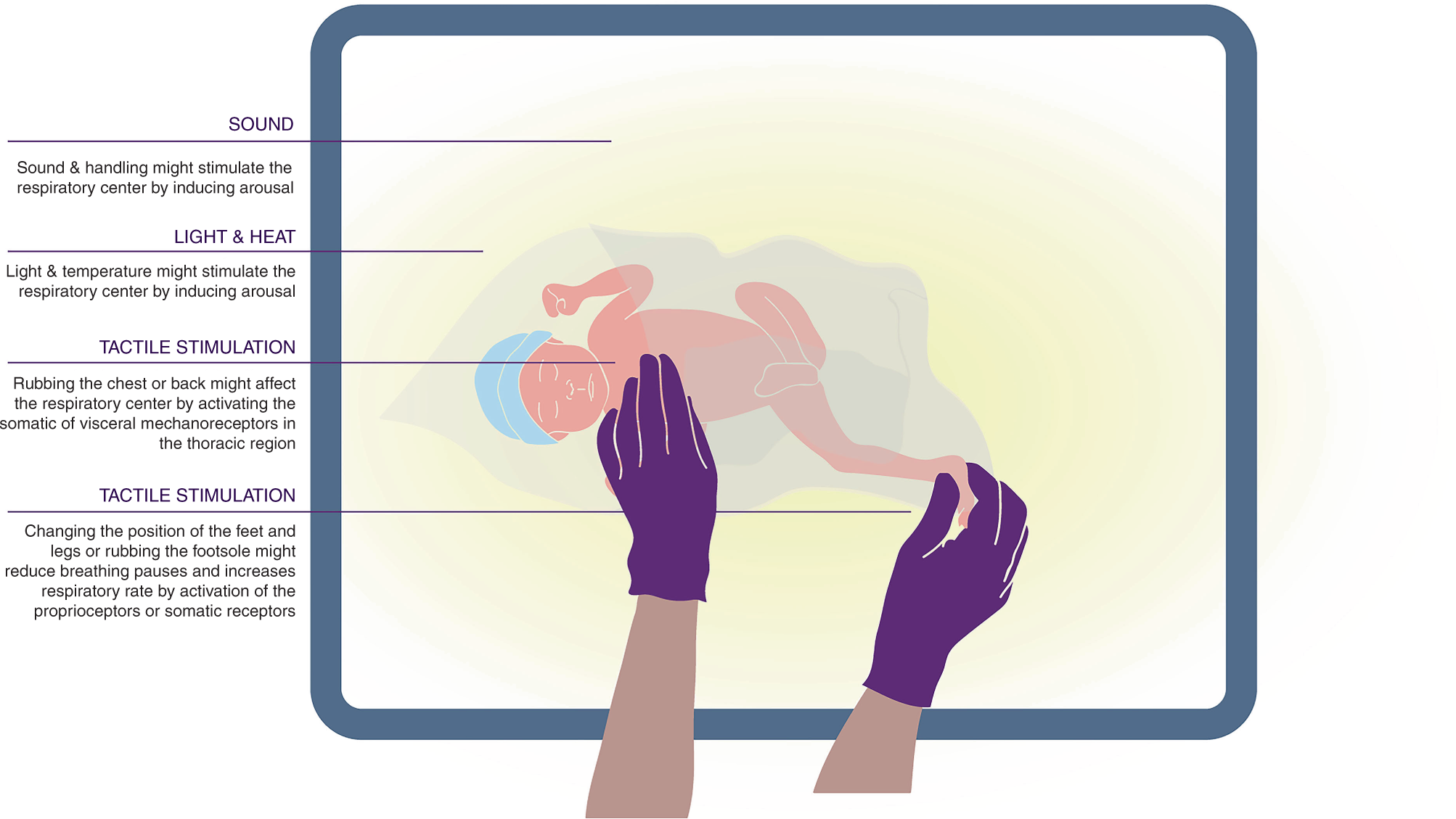
Safe Techniques To Use
Providing tactile stimulation to a newborn helps with their growth and comfort. Using safe techniques protects the baby’s delicate skin and health. It is important to touch gently and keep everything clean. The right methods make the experience pleasant and calming for your baby.
Gentle Touch Methods
Use soft, slow strokes on the baby’s skin. Lightly rub their arms, legs, and back. Avoid pressing too hard. Use fingertips or the palm of your hand. Movements should be smooth and steady. This helps the baby feel safe and relaxed.
Using Soft Materials
Choose soft blankets or cloths for touch. Avoid rough or scratchy fabrics. Soft materials reduce the chance of skin irritation. Use clean, breathable fabrics to keep the baby comfortable. Cotton is a good choice for softness and safety.
Proper Hand Hygiene
Always wash your hands before touching the baby. Clean hands stop the spread of germs. Use warm water and mild soap. Dry your hands well with a clean towel. This keeps your baby safe from infections during touch.
Ideal Timing For Stimulation
Knowing the right time to give tactile stimulation helps your newborn feel calm and happy. Timing affects how well your baby responds to touch and interaction. Proper timing supports healthy brain and body development. It also respects your baby’s natural rhythm.
Best Times During The Day
Choose moments when your baby is awake but calm. After a nap or a diaper change works well. Avoid stimulating right after feeding to prevent fussiness. Early morning and late afternoon are often good times. Watch your baby’s cues to find their best moments.
Duration And Frequency
Keep tactile sessions short at first, around 5 to 10 minutes. Gradually increase time as your baby grows and shows comfort. Repeat stimulation two to three times daily. Watch your baby’s reactions to avoid overstimulation. Gentle touch helps build trust and connection.
Common Mistakes To Avoid
Providing tactile stimulation for a newborn is gentle and careful work. Mistakes can cause discomfort or stress for your baby. Understanding common errors helps keep the experience safe and pleasant. Here are two key mistakes to watch out for.
Overstimulation Signs
Newborns have a low limit for touch. Too much stimulation can make them upset quickly. Watch for signs like fussiness, turning away, or crying. If your baby shows these signs, stop the stimulation. Give them time to rest before trying again. Overstimulation can affect sleep and mood. Keep sessions short and calm to avoid this problem.
Incorrect Pressure Application
Using too much or too little pressure can harm your baby. Pressing too hard may cause pain or discomfort. Pressing too lightly might not give enough benefit. Use soft, gentle touches with your fingertips or palm. Feel your baby’s reaction to adjust pressure. Aim for a soothing, light touch that feels safe and warm.
Incorporating Tactile Stimulation In Daily Care
Incorporating tactile stimulation into daily care helps newborns feel safe and loved. Gentle touch supports brain growth and emotional bonding. Parents can use simple moments during the day to provide this important stimulation. These small touches make a big difference in a baby’s development.
During Diaper Changes
Diaper changes offer a great chance for gentle touch. Use soft, slow strokes on your baby’s tummy and legs. Talk softly and smile to create calmness. Lightly massage the baby’s back or arms to comfort them. This routine builds trust and helps the baby relax.
Bath Time Techniques
Bath time is perfect for soothing tactile play. Warm water feels good on the skin and relaxes muscles. Use your hands to gently splash water or stroke the baby’s arms and legs. Soft washcloths can add a gentle texture. Keep movements slow and steady to keep the baby calm.
Before Sleep Routines
Touch helps babies wind down before sleep. Try gentle rubbing on the head, cheeks, or feet. Use soft, rhythmic strokes to soothe the baby’s body. Quiet, calm touch signals it is time to rest. Consistent touch during bedtime builds a peaceful sleep habit.
When To Consult A Pediatrician
Knowing when to consult a pediatrician about tactile stimulation for your newborn is very important. Babies respond differently to touch, and some reactions need expert advice. Early care can help your baby grow healthy and strong.
Unusual Baby Reactions
Watch your baby closely during tactile stimulation. If your baby cries loudly or shows signs of pain, take note. Skin rashes, swelling, or unusual redness may appear. Sudden stiffening or floppiness in limbs needs attention. These signs could mean your baby is uncomfortable or sensitive.
Concerns About Development
Delays in responding to touch can be a concern. If your baby does not seem to notice or react to gentle strokes, mention this to your pediatrician. Lack of movement or weak muscle tone might need evaluation. Pediatricians can check for sensory or developmental issues early. Early steps help guide your baby’s progress well.

Frequently Asked Questions
What Is Tactile Stimulation For Newborns?
Tactile stimulation involves gentle touch to help newborns develop sensory awareness. It promotes bonding, improves sleep, and supports brain growth.
How Often Should I Provide Tactile Stimulation?
Provide tactile stimulation multiple times daily, especially during feeding or play. Short, consistent sessions are best for newborn comfort and development.
What Are Safe Ways To Stimulate A Newborn’s Sense Of Touch?
Use soft brushes, gentle massages, or skin-to-skin contact. Always ensure your hands are clean and movements are slow and soothing.
Can Tactile Stimulation Help With Newborn Colic?
Yes, gentle touch and massage can soothe colic symptoms. It helps relax muscles and calm the baby’s nervous system.
Conclusion
Providing gentle touch helps newborns grow strong and healthy. Simple strokes calm their nerves and boost bonding. Use soft hands and watch your baby respond happily. Regular tactile stimulation supports brain and body development. Keep sessions short and observe your baby’s comfort.
Enjoy these quiet moments—they build trust and love. Small efforts make a big difference in your baby’s early days. Keep learning and adapting to your newborn’s needs. This care sets a strong foundation for their future growth.


