Welcoming a newborn into your life is both exciting and overwhelming. You want to give your baby the best start, but figuring out a daily routine that supports healthy development can feel confusing.
What should you focus on? How can you make sure every moment counts for your little one’s growth? This guide will help you create a simple, effective daily routine designed to boost your baby’s physical, emotional, and cognitive development. Keep reading to discover easy steps you can take each day to nurture your newborn’s potential and feel confident in your caregiving.
Morning Care Rituals
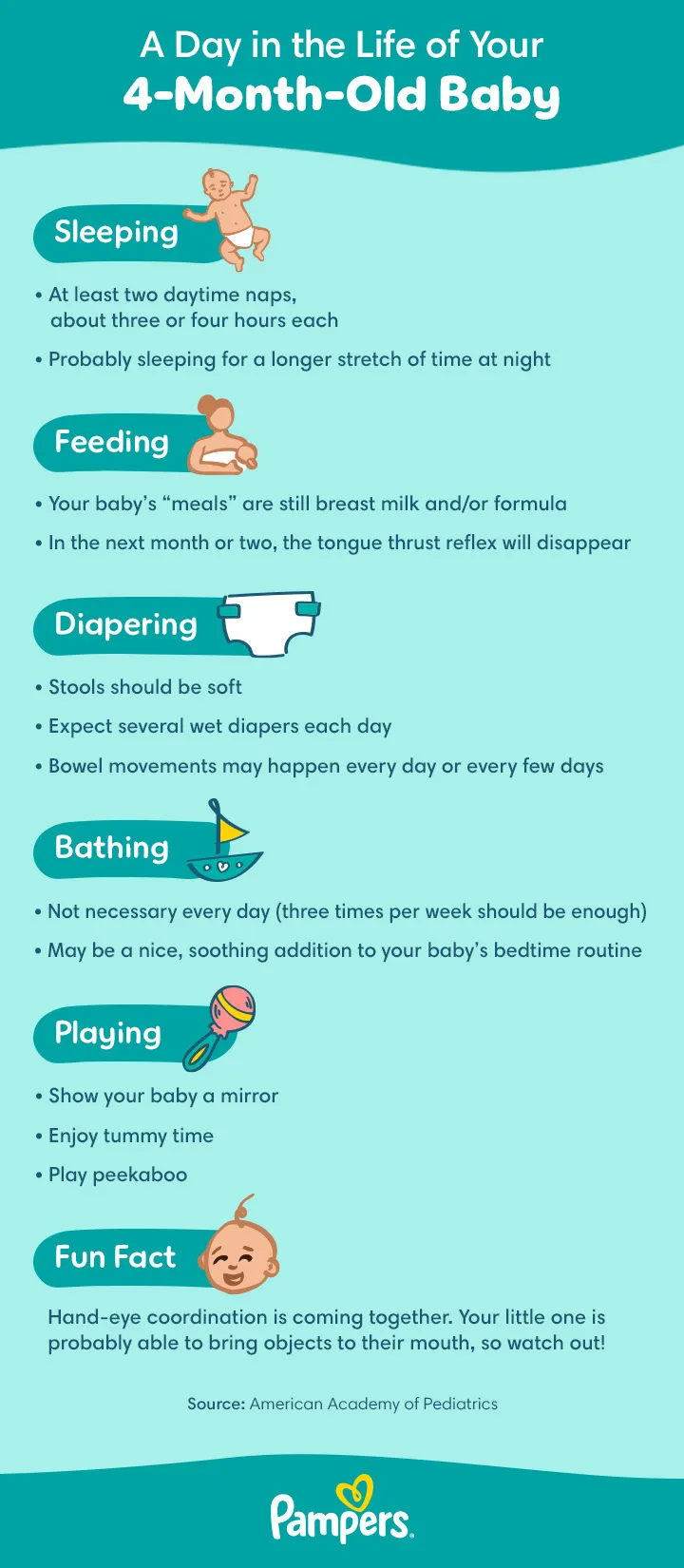
Morning care rituals set the tone for a newborn’s day. These rituals help your baby feel safe and loved. A calm and consistent morning routine supports healthy growth. It also builds trust between you and your baby. Start the day with gentle care and attention.
Feeding And Hydration
Begin with feeding to provide energy and hydration. Breast milk or formula gives essential nutrients. Feed your baby on demand or every two to three hours. Watch for hunger cues like sucking or fussiness. Hydration is important even in the early days. Proper feeding supports brain and body development.
Diaper Change And Hygiene
Diaper changes keep your baby clean and comfortable. Change diapers often to prevent rashes and irritation. Use gentle wipes or a soft cloth with warm water. Clean the diaper area carefully, especially skin folds. Let the skin air dry before putting on a fresh diaper. Good hygiene reduces infection risk and soothes the baby.
Gentle Wake-up Activities
Wake your baby gently to ease morning transition. Soft talking or singing helps your baby feel secure. Slow stretches or light massage improve circulation. Open curtains to let natural light in. These activities help your baby become alert gradually. A peaceful wake-up supports emotional and physical well-being.
Midday Engagement
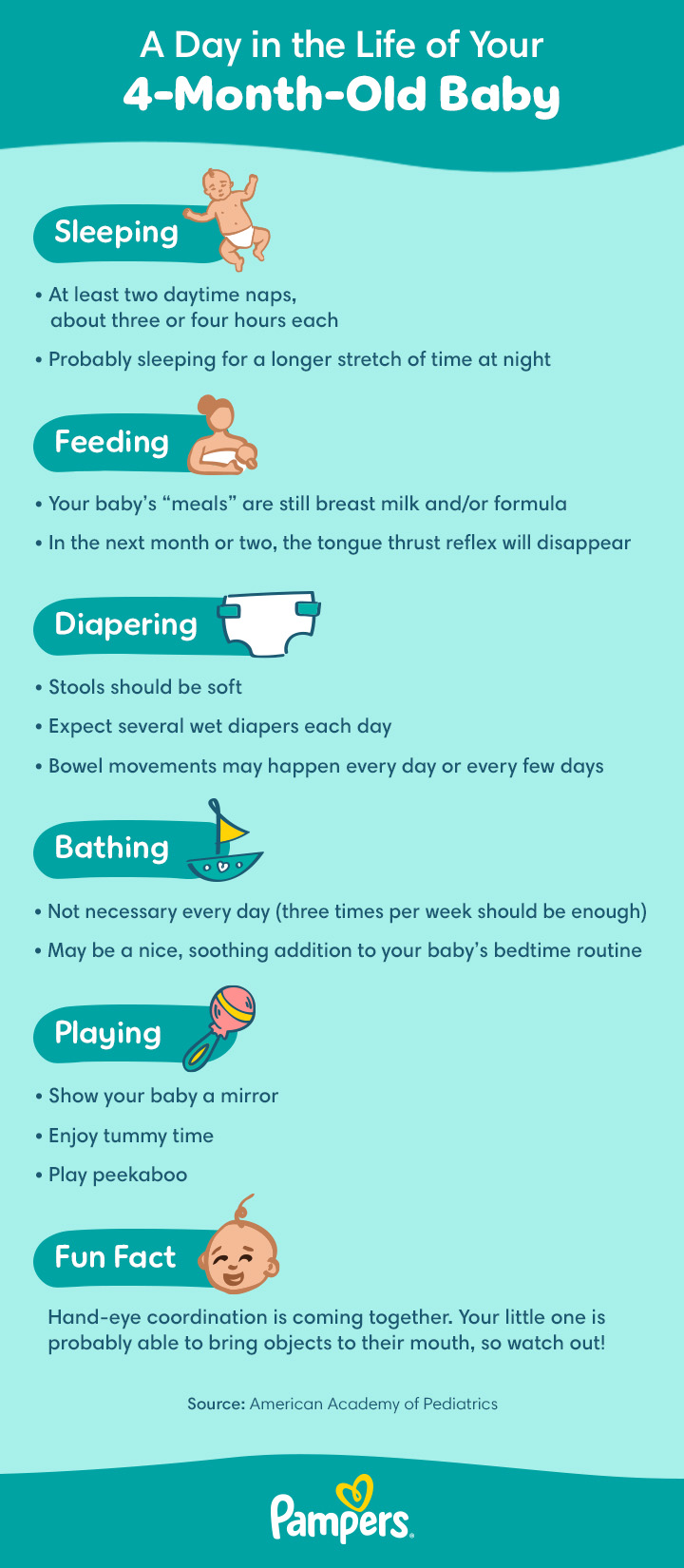
Midday engagement is a vital part of a newborn’s daily routine. It helps babies grow and learn about their world. Activities during this time support physical strength, sensory skills, and rest. Keeping this period balanced encourages healthy development and happy moods.
Parents can use simple and gentle activities to make the midday special. These moments build a strong bond between baby and caregiver. They also set a rhythm that helps babies feel safe and calm throughout the day.
Tummy Time Benefits
Tummy time strengthens a baby’s neck, shoulders, and arms. It prepares muscles needed for rolling, sitting, and crawling. Short sessions several times a day work best. Place toys nearby to encourage reaching and moving. Tummy time also helps prevent flat spots on the head.
Sensory Stimulation
Sensory play introduces babies to new sights, sounds, and textures. Use soft toys, rattles, or gentle music. Talk and sing to your baby during play. This helps develop their hearing and vision. Sensory experiences support brain growth and curiosity.
Nap Scheduling
Midday naps allow babies to rest and recharge. Watch for signs of sleepiness like yawning or rubbing eyes. Try to keep naps consistent in time and length. A calm environment helps babies fall asleep easier. Good naps improve mood and support learning.
Afternoon Interactions
Afternoon interactions are a key part of a newborn’s daily routine. This time helps your baby learn and grow through gentle activities. It also strengthens your bond and supports emotional development. Quiet moments and play both have an important role. These few hours offer chances to connect and comfort your little one.
Playtime And Bonding
Play is simple but powerful for newborns. Soft toys and gentle movements catch their attention. Face-to-face time builds trust and security. Smiles, coos, and eye contact help your baby feel safe. Short play sessions suit their short focus span. Use this time to hold and cuddle often.
Language Exposure
Talking to your newborn enriches their brain. Use clear, calm voices and repeat simple words. Describe your actions or name objects around you. This helps babies recognize sounds and learn speech patterns. Singing lullabies or nursery rhymes also supports language growth. Quiet, gentle sounds keep babies calm and interested.
Comfort And Soothing Techniques
Newborns need comfort to feel secure. Soft rocking, gentle pats, or a warm hug soothe fussiness. Swaddling can help babies feel cozy and safe. Pay attention to your baby’s signals and respond quickly. Calm tones and slow movements reduce stress. These moments build trust and emotional strength.
Evening Wind-down
The evening wind-down is an important part of a newborn’s daily routine. It helps your baby relax and prepare for sleep. A calm and consistent routine can support healthy development. This time also helps your baby feel safe and loved before bedtime.
Feeding Before Bed
Feeding your baby before bed is more than just nutrition. It creates comfort and signals that sleep time is near. Choose a quiet spot and hold your baby close. This gentle closeness calms their body and mind. Try to keep the feeding calm and slow. This helps your baby settle down easier.
Establishing A Sleep Routine
A clear sleep routine helps your newborn understand when to rest. Bath, feeding, and soft singing can be part of this routine. Do the same activities in the same order each night. This builds a sense of security. Your baby will begin to know what happens next. Predictable routines reduce fussiness and help sleep come faster.
Calm Environment Setup
Creating a calm environment supports your baby’s sleep. Dim the lights and reduce noise. Soft sounds like white noise or gentle music can soothe. Keep the room at a comfortable temperature. Remove bright screens and strong smells. A peaceful space helps your baby relax fully. This environment encourages deeper and longer sleep.
Health And Safety Checks
Health and safety checks are key for a newborn’s daily routine. They help ensure your baby grows strong and stays safe. These checks catch small problems early. This care supports your baby’s development every day.
Monitoring Growth And Development
Track your baby’s weight and length regularly. Compare these with growth charts. Notice new skills like smiling or lifting the head. These signs show healthy progress. Keep a simple journal to record changes.
Recognizing Signs Of Discomfort
Watch for crying that does not stop. Look for changes in eating or sleeping. Check the skin for rashes or unusual color. Notice if your baby pulls at ears or nose. These might mean pain or illness. Act quickly to keep your baby calm.
Regular Pediatric Consultations
Visit the doctor on schedule. These check-ups help spot issues early. Ask questions about feeding, sleeping, or behavior. Follow the doctor’s advice on vaccines and care. These visits protect your baby’s health and growth.
Frequently Asked Questions
What Is An Ideal Daily Routine For Newborn Development?
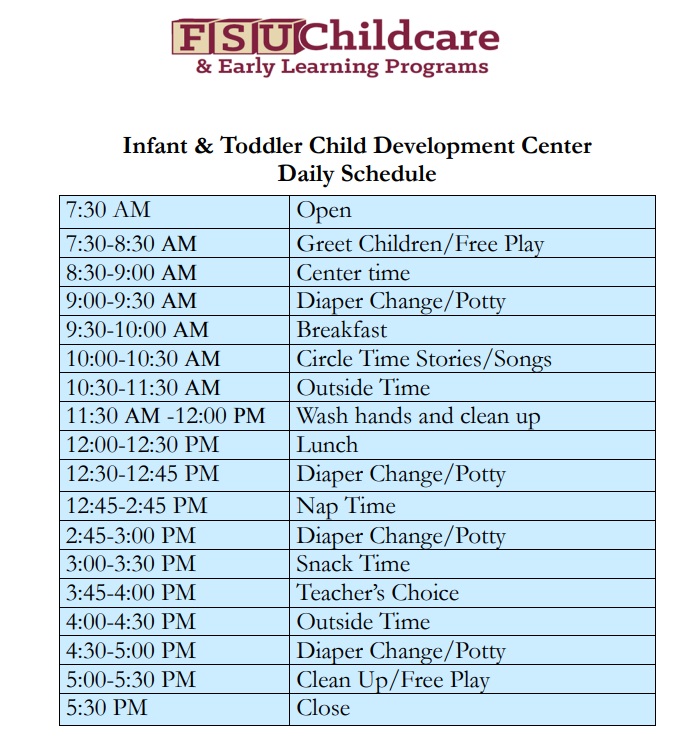
A daily newborn routine should balance feeding, sleeping, playtime, and diaper changes. Consistency helps build security and supports brain growth.
How Much Sleep Does A Newborn Need Daily?
Newborns typically need 14 to 17 hours of sleep per day. Sleep supports physical growth and cognitive development during early life.
How Can Playtime Aid Newborn Development?
Playtime stimulates a newborn’s senses and motor skills. Gentle talking, singing, and tummy time promote healthy brain and muscle growth.
When Should Feeding Occur In A Newborn’s Routine?
Newborns usually feed every 2 to 3 hours. Regular feeding ensures proper nutrition and supports steady growth and energy levels.
Conclusion
A daily newborn routine helps babies grow healthy and strong. Simple activities like feeding, sleeping, and play support their development. Consistency gives babies a sense of safety and comfort. Parents can enjoy watching small progress every day. Babies thrive with love, care, and gentle guidance.
Keep routines flexible to fit your baby’s needs. Small moments build a strong foundation for the future. Trust your instincts and enjoy this special time.


