Have you ever wondered what your newborn is feeling beneath those tiny expressions? Understanding your baby’s typical emotional responses can bring you closer and help you respond with care and confidence.
From the first smile to moments of fussiness, your newborn’s emotions are their way of communicating with you. You’ll discover the common emotional reactions your baby shows and what they mean. Knowing this will not only deepen your bond but also guide you in supporting your little one’s growth.
Keep reading to unlock the secrets behind your newborn’s feelings.
Early Emotional Signals
Newborns use early emotional signals to communicate their feelings. These signals help parents understand what the baby needs or feels. Even without words, babies show emotions through their face, cries, and body movements.
Recognizing these signals builds a strong bond between parent and child. It also supports the baby’s emotional growth from the start.
Common Facial Expressions
Newborns show simple facial expressions. Smiles can mean comfort or pleasure. Frowns often show discomfort or confusion. Wide eyes might mean surprise or interest. These expressions help parents know how the baby feels.
Crying Patterns And Meanings
Crying is a newborn’s main way to talk. Different cries show different needs. A hungry cry sounds rhythmic and strong. A tired cry is soft and whiny. A pain cry is loud and sharp. Understanding cries helps parents respond quickly.
Body Movements And Gestures
Babies use body movements to express feelings. Kicking legs may show excitement or energy. Arching the back can mean discomfort or stress. Clenching fists often means tension or frustration. Gentle hand movements usually show calmness. Watching these signs helps parents care better.
Emotional Development Stages
Emotional development in newborns happens in clear stages. These stages show how babies start feeling and expressing emotions. Understanding these stages helps caregivers support babies better. Newborns move from simple reflexes to social smiles and deep bonds.
Reflexive Responses
Newborns show emotions through reflexive actions. Crying is their main way to express needs. They also have startle reactions to sudden sounds or movements. These responses are automatic and not controlled yet. Reflexive emotions help babies communicate basic feelings like discomfort or surprise.
Emerging Social Smiles
Between 4 and 8 weeks, babies begin to smile socially. These smiles are different from reflex smiles. They happen when babies see faces or hear voices. Social smiles show early emotional connection. Babies learn to respond to human interaction with joy.
Attachment And Bonding
By 3 to 6 months, babies form attachments to caregivers. They recognize familiar voices and faces. This bonding creates a sense of safety and trust. Babies show affection by cuddling or reaching out. Secure attachment supports healthy emotional growth and social skills.
Factors Influencing Newborn Emotions
Newborns show emotions based on several important factors. These factors shape how babies feel and react to the world. Understanding these helps parents connect better with their little ones. It also supports the baby’s healthy emotional growth.
Parental Interaction
Parents play a key role in newborn emotions. Gentle touch and soft voices comfort babies. Smiles and eye contact build trust and joy. Babies learn to feel safe through loving care. Responsive parents help newborns manage stress and fear.
Environmental Stimuli
Newborns react strongly to sights, sounds, and smells. Bright lights or loud noises can startle or upset them. Calm and quiet spaces help babies feel relaxed. Soft music or familiar scents often soothe newborns. The environment shapes their mood and comfort levels.
Health And Comfort Levels
Good health is vital for positive emotions. Hunger, tiredness, or pain cause distress and crying. Clean diapers and cozy clothes improve comfort. When babies feel well, they show happiness and calmness. Meeting basic needs helps newborns express positive feelings.
Recognizing Stress And Discomfort
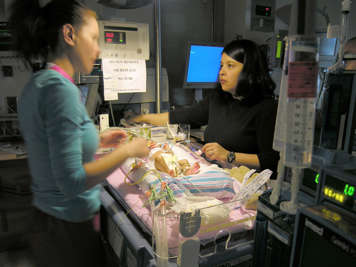
Newborns cannot use words to tell how they feel. They show stress and discomfort through their actions and sounds. Recognizing these signs helps caregivers respond quickly. It creates comfort and trust between baby and parent. Understanding these signals supports a calm and healthy start in life.
Signs Of Overstimulation
Babies can get overwhelmed by too much noise, light, or activity. Watch for turning their head away or closing their eyes. Fussy crying or stiff body movements also show overstimulation. These signs mean the baby needs a quiet and calm space. Reducing stimulation helps the baby relax and feel safe.
Indicators Of Hunger Or Pain
Crying is the most common way newborns express hunger or pain. Look for rooting, lip-smacking, or sucking fingers to show hunger. Pain may cause sharp crying, grimacing, or pulling legs toward the tummy. Knowing these signs helps meet the baby’s needs quickly. Feeding or gentle care can ease hunger or pain fast.
Soothing Techniques
Comforting a stressed or uncomfortable baby requires patience and gentle actions. Soft rocking, swaddling, or gentle pats often calm a newborn. Using a quiet voice or soft lullabies also helps soothe. Keeping the environment calm supports the baby’s comfort. These simple steps ease stress and build a strong bond.
Emotional Responses And Brain Development
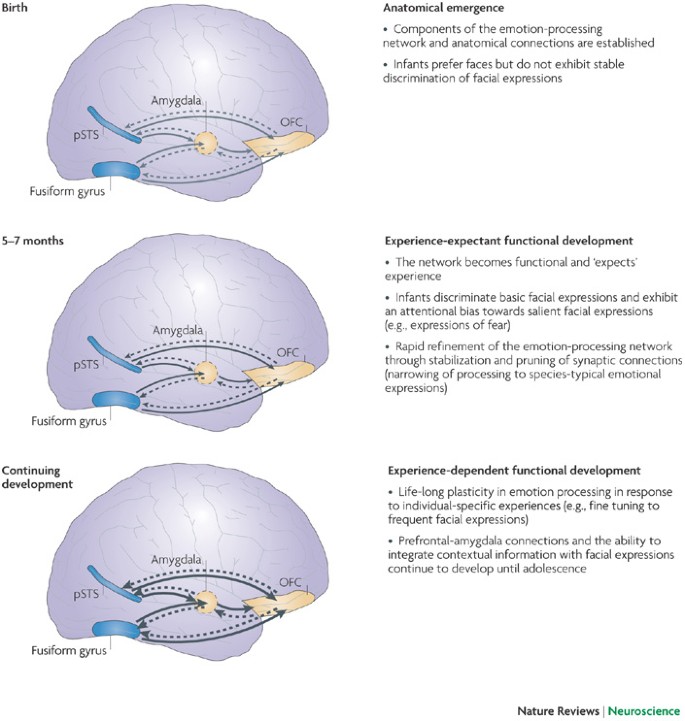
Newborns show basic emotional responses that connect deeply to brain growth. The brain develops fast in the first months, shaping how babies feel and react. Understanding this link helps caregivers support healthy emotional growth.
Neural Pathways And Emotions
The brain builds neural pathways that link feelings to actions. These pathways form from birth and grow stronger with repeated experiences. Early smiles, cries, or calm moments help create these important brain connections. Strong pathways make it easier for babies to express and manage emotions later.
Impact Of Early Experiences
Early care influences how the brain handles emotions. Warm, loving interactions teach babies to feel safe and calm. Stress or neglect can slow brain development and affect emotional responses. Positive experiences help babies develop trust and emotional balance.
Long-term Emotional Growth
The brain’s early development sets the stage for lifelong feelings. Healthy emotional growth leads to better relationships and coping skills. Early emotional support helps children face challenges with confidence. The brain’s early wiring shapes a child’s emotional future.
:max_bytes(150000):strip_icc()/what-are-emotions-2795178_color1-5b76d23ac9e77c0050245d75.png)
Frequently Asked Questions
What Are Common Emotional Responses In Newborns?
Newborns typically show basic emotions like distress, contentment, and curiosity. These responses help them communicate needs and adapt to their environment. Crying is a primary signal of discomfort or hunger, while calmness indicates comfort and security.
How Do Newborns Express Discomfort Emotionally?
Newborns express discomfort mainly through crying and fussiness. They may also show facial grimacing or restlessness. These emotional responses alert caregivers to issues like hunger, tiredness, or pain, prompting timely care and comfort.
When Do Newborns Start Showing Emotional Reactions?
Newborns begin showing basic emotional reactions within the first weeks of life. Initial responses include crying, smiling, and startle reflexes. These early emotions form the foundation for social and emotional development.
Can Newborns Feel Happiness Or Joy?
Yes, newborns can express happiness through gentle smiles and relaxed body language. These positive emotional responses often occur during feeding or gentle interactions, indicating comfort and bonding with caregivers.
Conclusion
Newborns show feelings through simple actions and sounds. Crying, smiling, and fussing are common emotional responses. These reactions help babies communicate their needs. Parents learn to understand these signals over time. Every baby is unique and may react differently. Watching these early emotions builds a strong parent-child bond.
Recognizing newborn feelings supports healthy growth and care. Stay patient and attentive to your baby’s cues. Emotions in newborns are natural and important for development.


