Are you wondering if your newborn is reaching important sensory milestones on time? Tracking these early signs can feel overwhelming, but it doesn’t have to be.
Understanding how your baby’s senses develop helps you support their growth and spot any concerns early. You’ll discover simple ways to observe your baby’s sensory progress, so you can feel confident and connected every step of the way. Keep reading to learn how to tune in to your baby’s amazing world of sights, sounds, touches, and more.

Sensory Milestones To Watch
Tracking a newborn’s sensory milestones helps understand their growth and development. These milestones show how babies begin to see, hear, touch, smell, taste, and move. Each sense develops at its own pace. Watching these changes can guide parents and caregivers in supporting the baby’s progress.
Visual Development
Newborns start by focusing on objects close to their face. They enjoy looking at high-contrast patterns and faces. Around two months, babies begin to follow moving objects with their eyes. By six months, they recognize familiar faces easily. Watching these steps helps track healthy vision growth.
Hearing And Sound Recognition
Babies react to loud sounds by startling or crying. They begin to recognize voices, especially their parents’. Around three months, they turn their heads toward sounds. By six months, babies respond to their names. These signs show how well their hearing develops.
Touch And Texture Awareness
Newborns love feeling different textures with their hands and mouths. They start to grasp objects by three months. By six months, babies explore items using their fingers and mouths. Touch helps them learn about their environment and build motor skills.
Smell And Taste Sensitivity
Babies use smell to recognize their mother’s scent early on. They show preferences for sweet tastes like breast milk. Newborns may turn away from bitter or sour flavors. This sense helps guide their feeding habits and comfort.
Movement And Balance
Newborns have reflex movements like sucking and grasping. By three months, they begin to lift their heads. Around six months, babies start sitting with support. These movements show the development of balance and coordination skills.
Signs Your Baby Is Progressing
Watching your baby grow is exciting. Each small sign shows progress in their senses. These signs help you understand how your baby is learning about the world. You can notice changes in how they see, hear, touch, smell, and move. Tracking these milestones helps you support their development.
Responding To Light And Colors
Babies start by noticing bright lights. They may blink or look towards a light source. Over time, they begin to see colors. You might see them stare longer at colorful toys. This shows their vision is improving.
Turning Toward Sounds
Newborns react to loud noises with a startle. Soon, they turn their head toward gentle sounds. They may calm down at a parent’s voice. This means their hearing is developing well.
Grasping And Exploring Objects
Babies start to hold objects placed in their hands. They squeeze and sometimes bring things to their mouth. This helps them learn about texture and shape. It shows growing hand-eye coordination.
Reacting To Different Scents And Flavors
Babies respond to familiar smells like their mother’s scent. They may turn away from strong or unpleasant odors. Tasting new flavors can cause smiles or frowns. These reactions indicate sensory awareness.
Coordinated Movements And Reflexes
Reflexes like sucking and grasping appear early. Movements become smoother and more controlled over weeks. Babies start to reach for objects and kick their legs. These actions show motor skills developing.
Tracking Methods For Parents
Tracking your newborn’s sensory milestones helps you understand their growth well. It shows how your baby learns to see, hear, touch, and respond. Parents play a key role in this process. Simple methods can make tracking easy and clear. Here are some ways to keep a good record of your baby’s sensory progress.
Using Developmental Checklists
Developmental checklists list common sensory milestones by age. Parents can use them to mark what their baby does. Checklists provide a clear guide to what to expect next. They help spot early signs of development delays. You can find these lists from doctors or trusted websites.
Keeping A Sensory Journal
A sensory journal records your baby’s daily reactions and new skills. Write short notes about sounds they notice or toys they touch. This practice helps capture small but important changes. Journals create a personal story of your baby’s sensory growth. They also make sharing progress with doctors easier.
Recording Videos And Photos
Videos and photos show your baby’s sensory responses in real time. These records capture moments like tracking a moving object or reacting to sounds. Watching them later helps you see subtle changes. Visual records are also helpful for doctors during checkups. Keep files organized by date for easy access.
Apps And Digital Tools
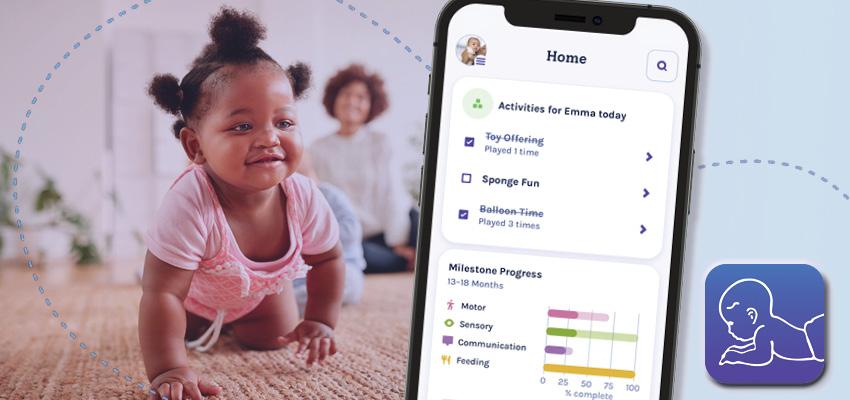
Many apps offer tools to track sensory milestones quickly. They provide reminders and easy ways to log progress. Some apps include tips and age-based milestone charts. Digital tools can sync data to share with caregivers or doctors. Choose apps that are simple to use and trusted by parents.
Encouraging Sensory Growth
Encouraging sensory growth is important for your newborn’s brain and body development. Sensory experiences help babies learn about the world. They build skills for later stages like crawling and talking. You can support this growth with simple daily activities. These activities also create bonding moments between you and your baby.
Tummy Time And Physical Play
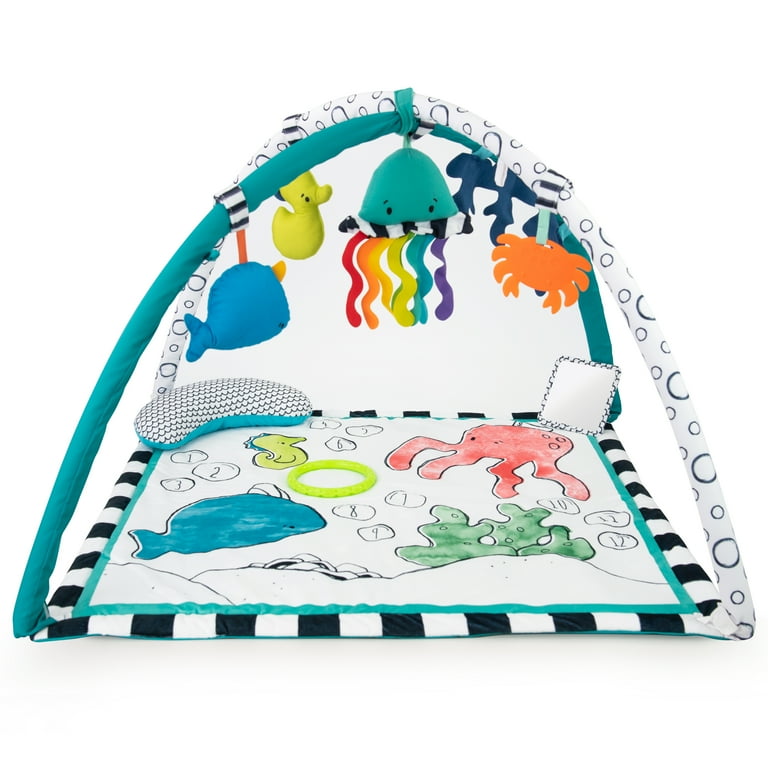
Tummy time helps strengthen your baby’s neck and shoulder muscles. It also improves motor skills and body awareness. Place your baby on their tummy for short periods. Use colorful toys or mirrors to keep them interested. Physical play encourages movement and sensory exploration.
Introducing Varied Textures
Touch different surfaces with your baby’s hands and feet. Soft blankets, bumpy toys, and smooth objects all offer new feelings. Textures help develop the sense of touch. Use safe and clean items. Let your baby explore textures at their own pace.
Playing With Sounds And Music
Sounds teach babies to listen and focus. Sing simple songs or play gentle music. Use rattles or soft instruments to create different noises. Change volume and rhythm to keep your baby curious. Sounds support hearing and language skills.
Offering Safe Taste Experiences
Introduce new tastes carefully after consulting your pediatrician. Offer small amounts of pureed fruits or vegetables. Let your baby explore flavors with a spoon or fingers. Taste experiences develop the sense of smell and mouth coordination.
Creating A Stimulating Environment
Make your baby’s space interesting and safe. Use bright colors, patterns, and shapes nearby. Change the setup to keep things new. A stimulating environment encourages looking, reaching, and learning. It helps your baby grow sensory skills naturally.
When To Seek Professional Advice
Tracking your newborn’s sensory milestones helps understand their growth. Sometimes, signs show that professional advice is needed. Early guidance supports your baby’s healthy development.
Watch your baby closely for any unusual patterns. Trust your instincts and seek help if something feels off. Below are key signs to notice.
Delayed Sensory Responses
Babies usually respond to sights and sounds quickly. Delays in these reactions may signal a problem. For example, no reaction to loud noises by four months needs attention. Early evaluation can provide clarity.
Lack Of Eye Contact Or Sound Reaction
Newborns often look at faces and turn toward voices. Lack of eye contact or ignoring sounds is a red flag. These signs may indicate sensory or developmental issues. A professional can assess your baby’s responses.
Unusual Sensory Sensitivities
Some babies are very sensitive to light, sound, or touch. Extreme reactions, such as crying at soft noises or avoiding touch, need monitoring. These could suggest sensory processing challenges. Experts can help identify the cause.
Concerns About Motor Skills
Motor skills connect with sensory development. Weak muscle tone or poor coordination might show delays. If your baby struggles to reach or grasp by expected ages, ask for advice. Early support improves outcomes.
Frequently Asked Questions
What Are Newborn Sensory Milestones?
Newborn sensory milestones are key developmental steps in sight, hearing, touch, taste, and smell. Tracking these helps monitor your baby’s growth and brain development in the first months.
How Can I Track My Newborn’s Sensory Progress?
Observe your baby’s responses to sounds, lights, textures, tastes, and smells daily. Note reactions like eye movement, turning towards sounds, or facial expressions to track progress.
When Do Newborns Typically Reach Sensory Milestones?
Newborns begin responding to sensory stimuli within the first few weeks. Milestones like recognizing voices or tracking objects usually appear by 3 to 6 months.
Why Is Tracking Sensory Milestones Important?
Tracking helps identify any developmental delays early. Early detection allows timely interventions, supporting your baby’s healthy growth and sensory skills development.
Conclusion
Tracking your newborn’s sensory milestones helps support healthy growth. Watch closely for small changes each week. Celebrate every new sound, sight, or touch response. Keep notes to share with your pediatrician during visits. These steps build a strong foundation for learning and development.
Stay patient and enjoy these special early moments together. Your care makes a big difference in your baby’s progress. Remember, every child grows at their own pace. Stay positive and keep observing with love and attention.


